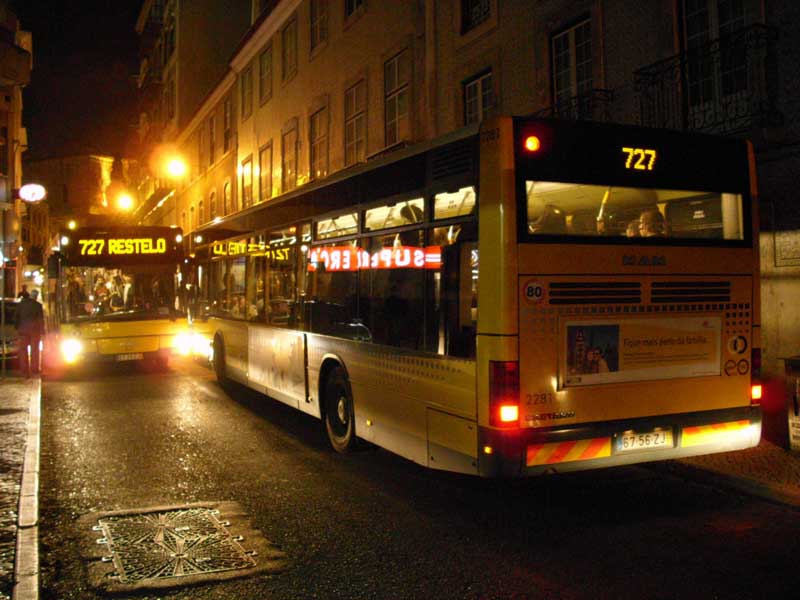
1. «One of us is gonna have to use the sidewalk.»
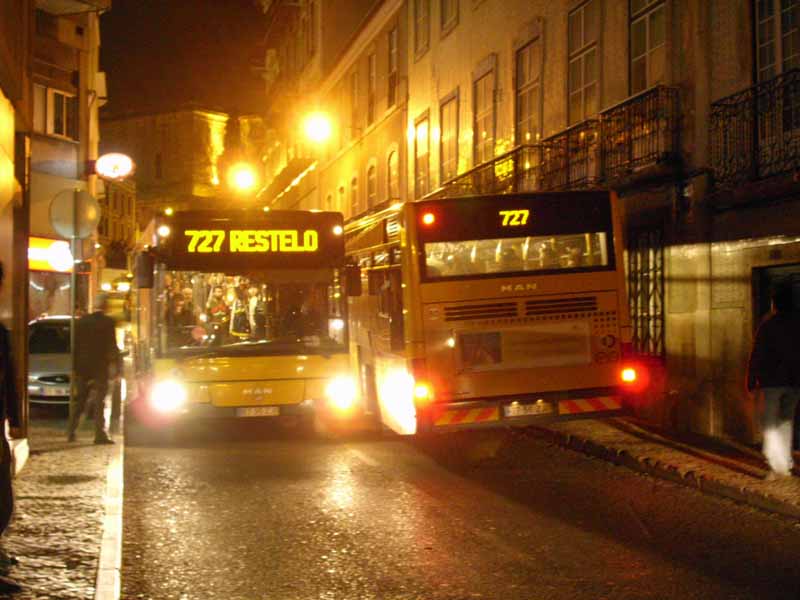
2. «Slowly now...»
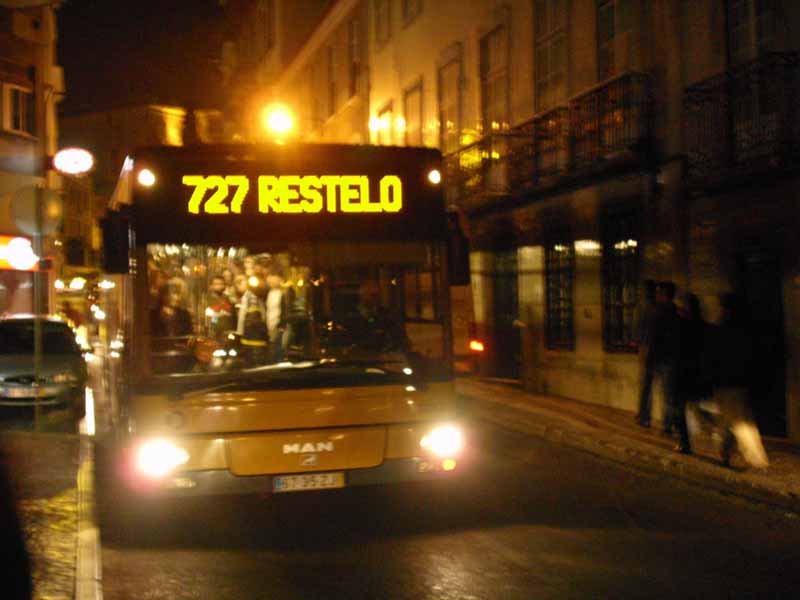
3. «That wasn't so difficult was it?»
Autocarros 27 na Rua de São Bento
Bus 27 at S. Bento Street
Photos by João Quaresma
Click here to view thumbnails for all participants


 Etiquetas:
JQ,
Monthly Theme Day,
São Bento,
Transportes
Etiquetas:
JQ,
Monthly Theme Day,
São Bento,
Transportes
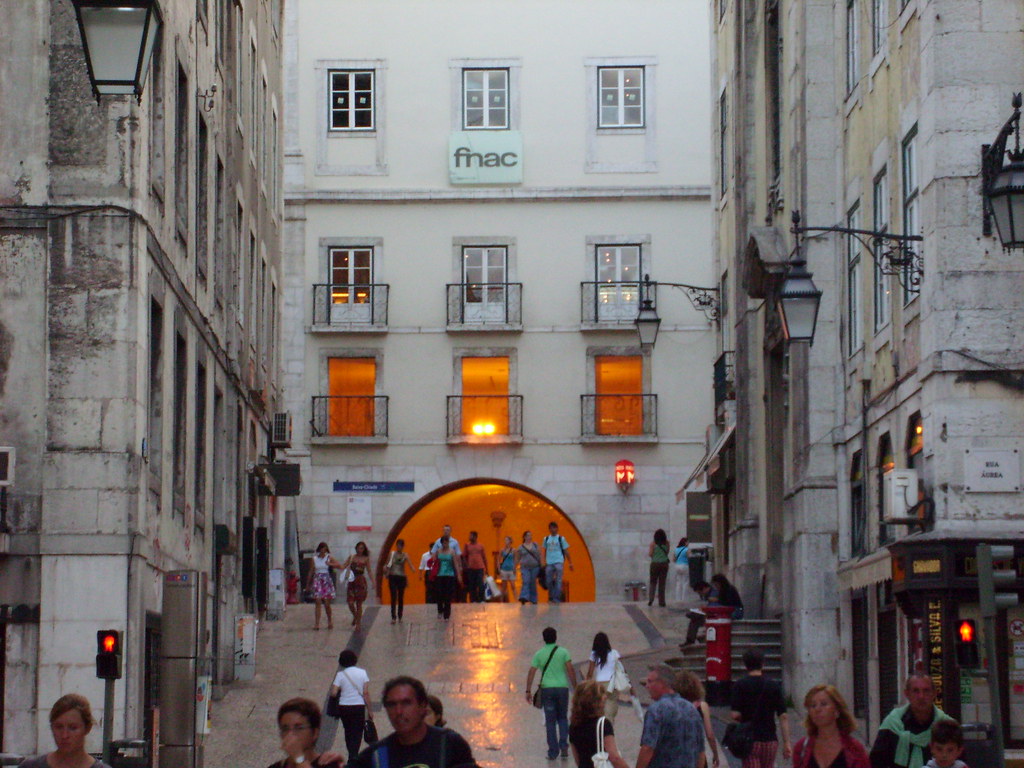
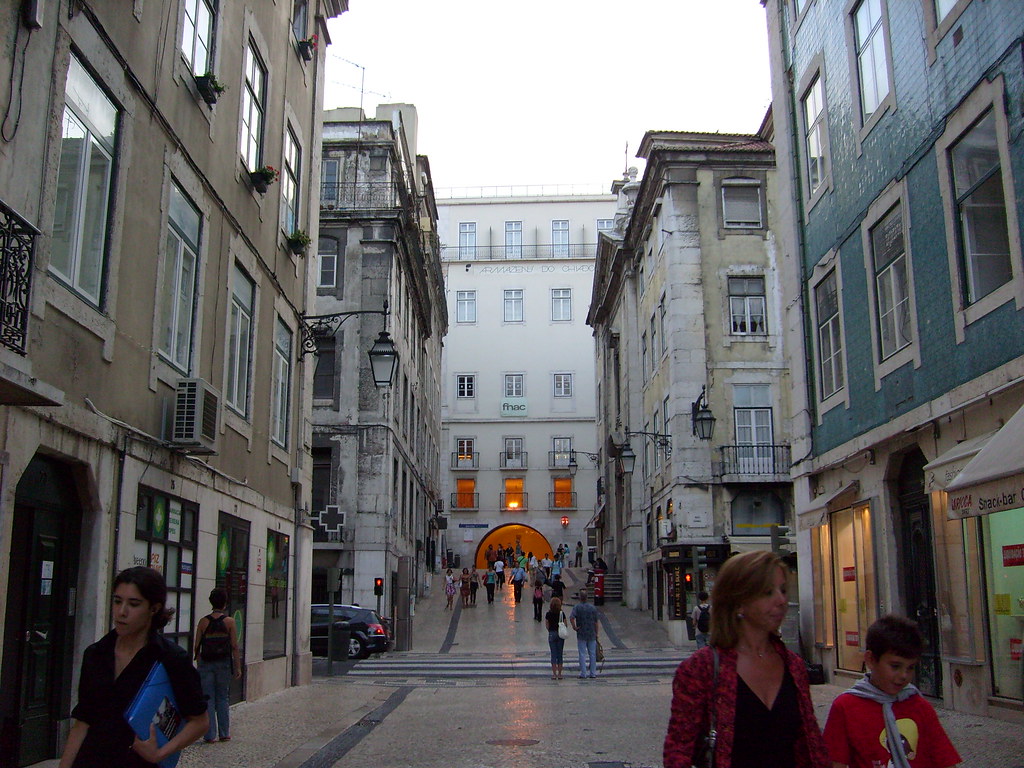
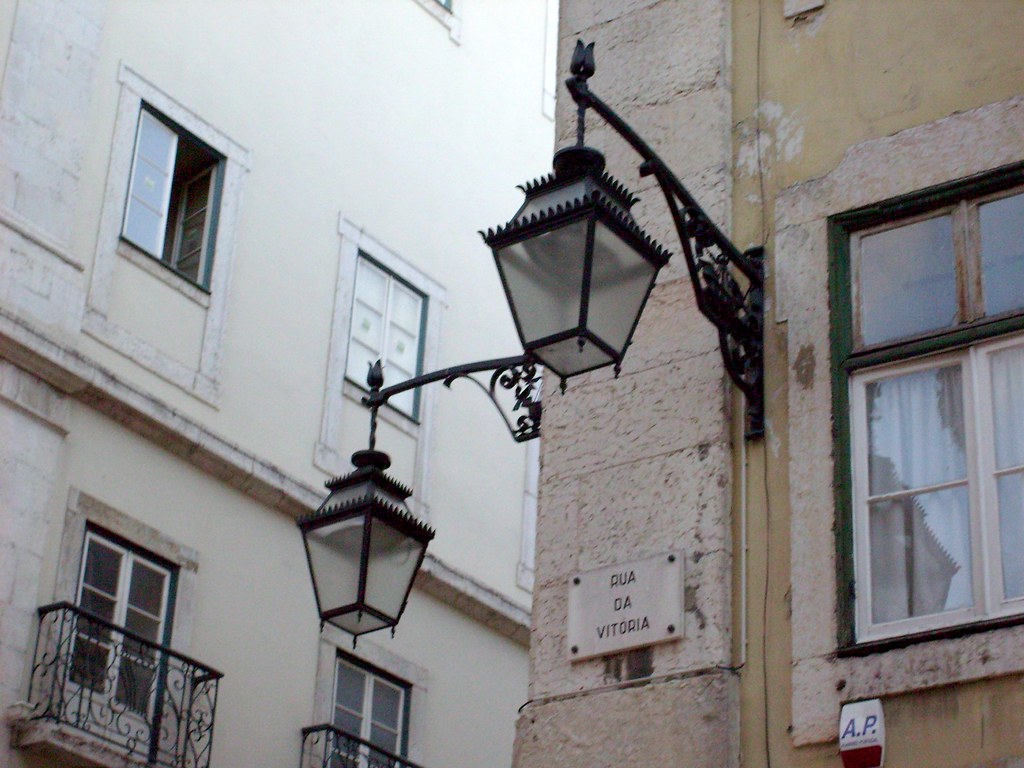 Etiquetas:
Baixa,
Metro,
Transportes
Etiquetas:
Baixa,
Metro,
Transportes
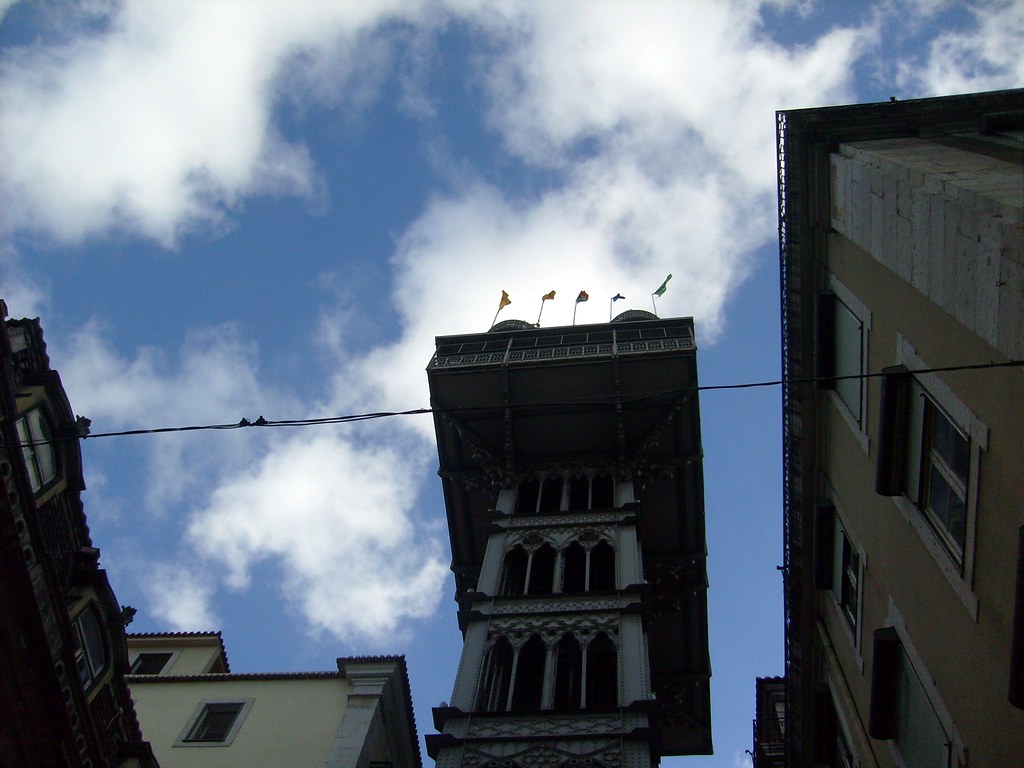
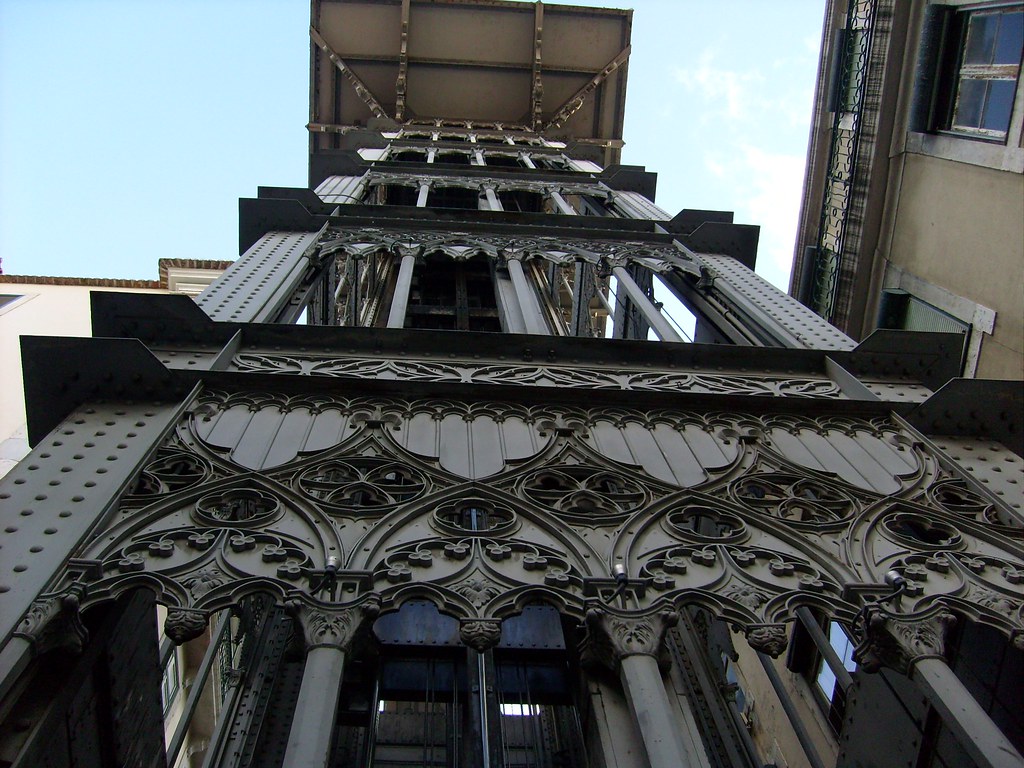
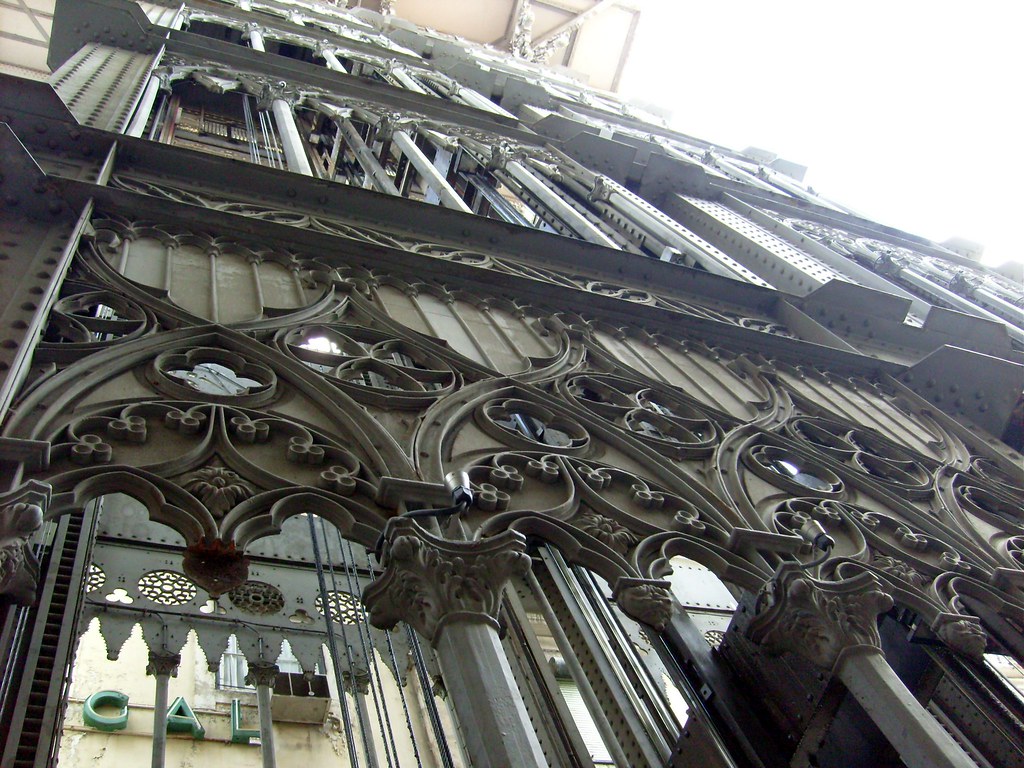
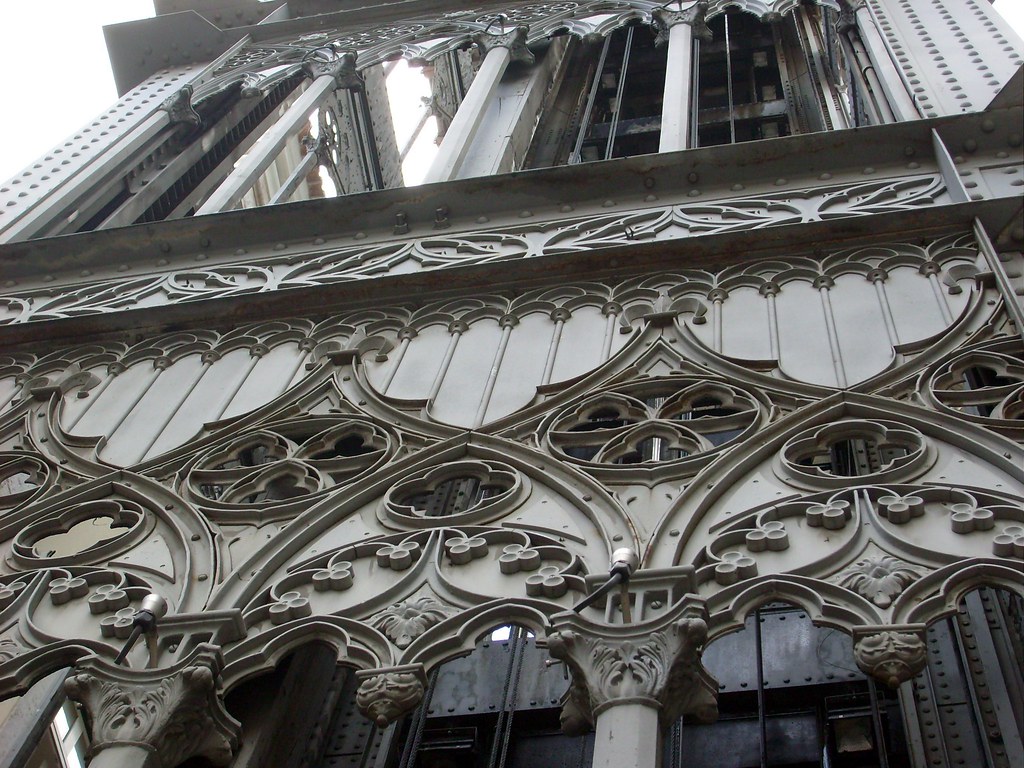
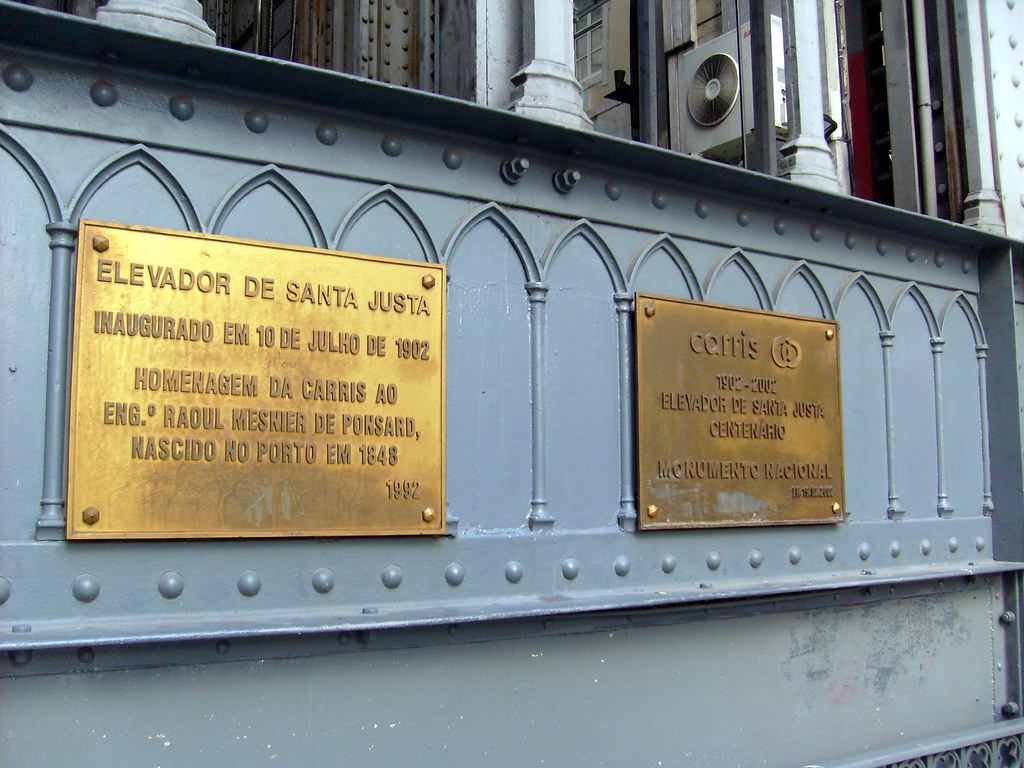
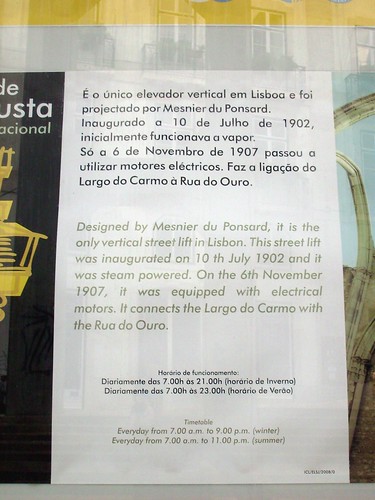
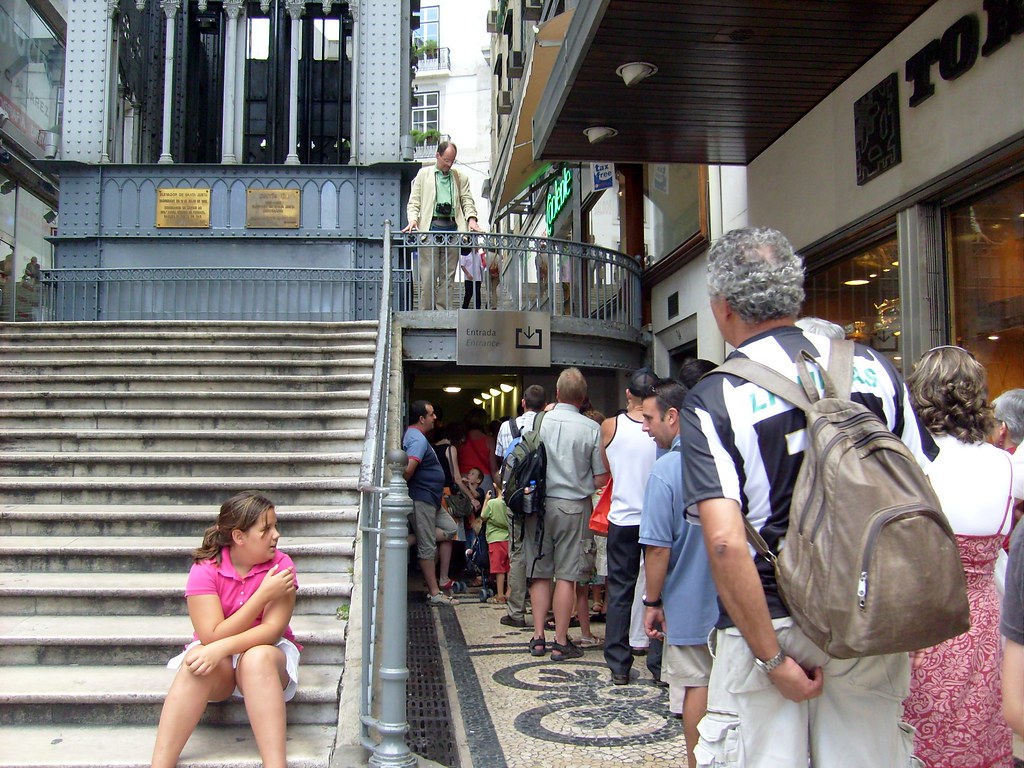
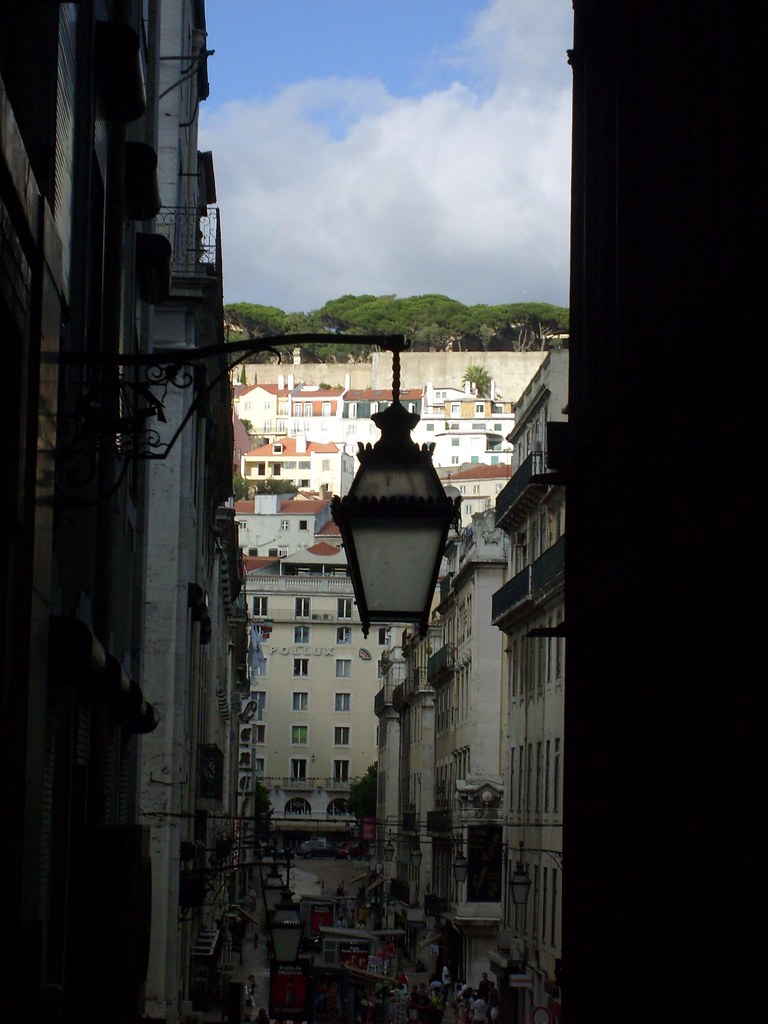
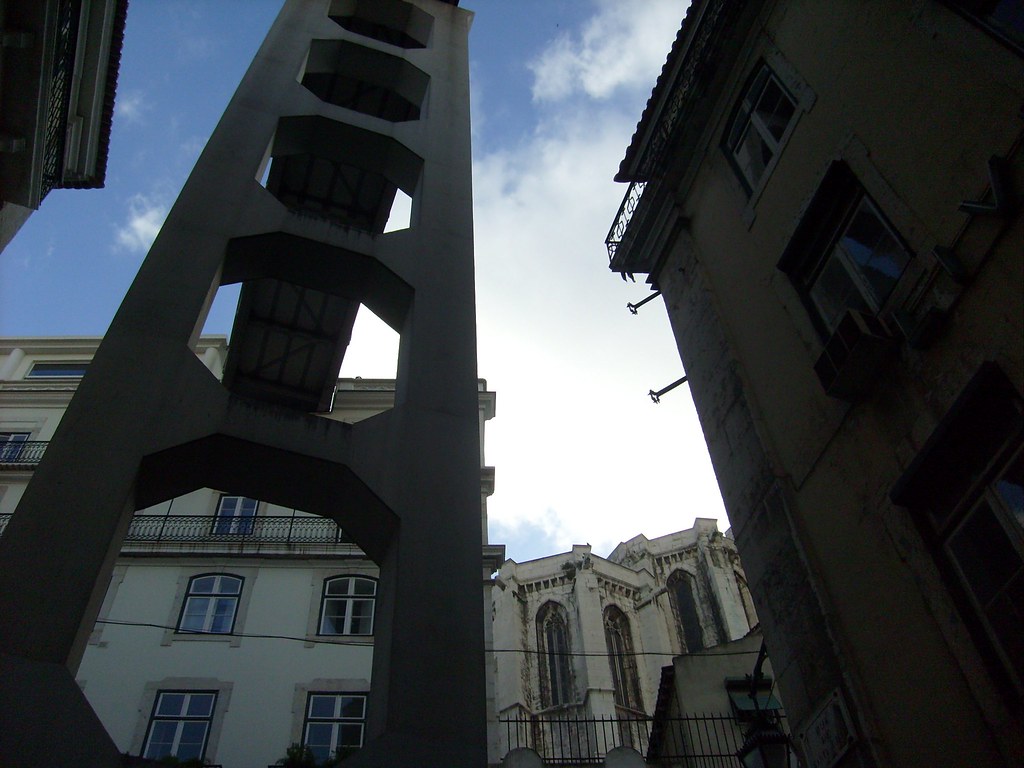
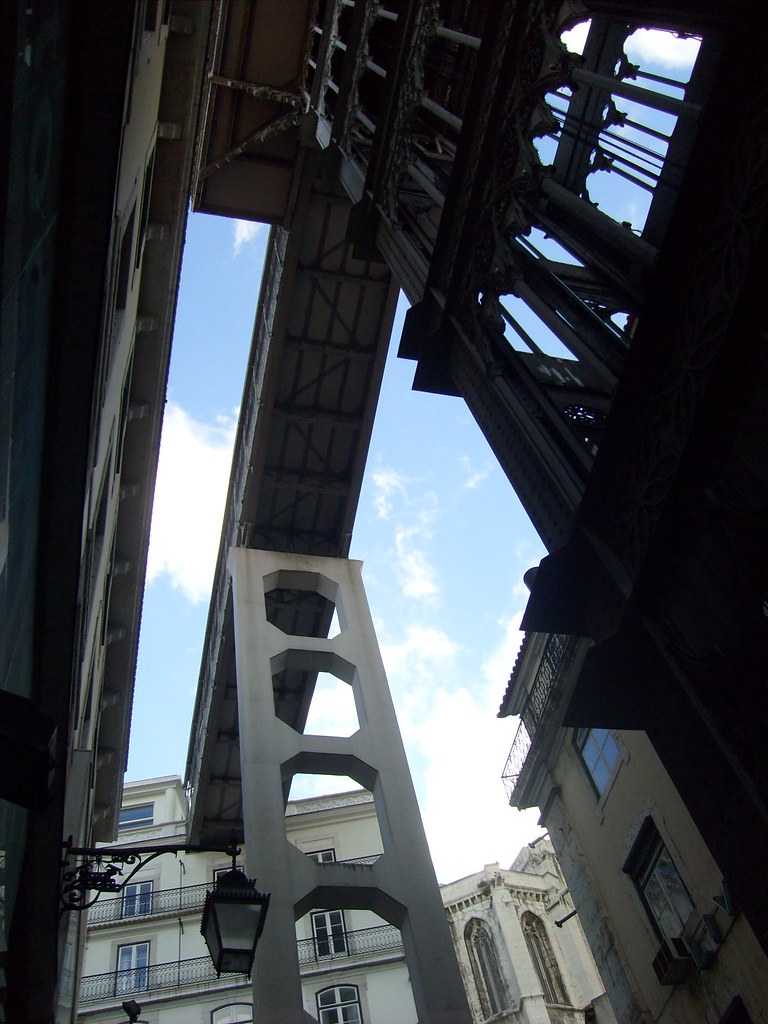
The Santa Justa Lift (Elevador de Santa Justa), also called Carmo Lift (Elevador doCarmo), is a lift in the city of Lisbon at Santa Justa Street. It connects downtown streets with the uphill Carmo Square.
The Santa Justa Lift was designed by Raul Mesnier de Ponsard, an engineer born in Oporto to French parents, and apprentice of Gustave Eiffel. Construction began in 1900 and was finished in 1902; originally powered by steam, it was converted to electrical operation in 1907.
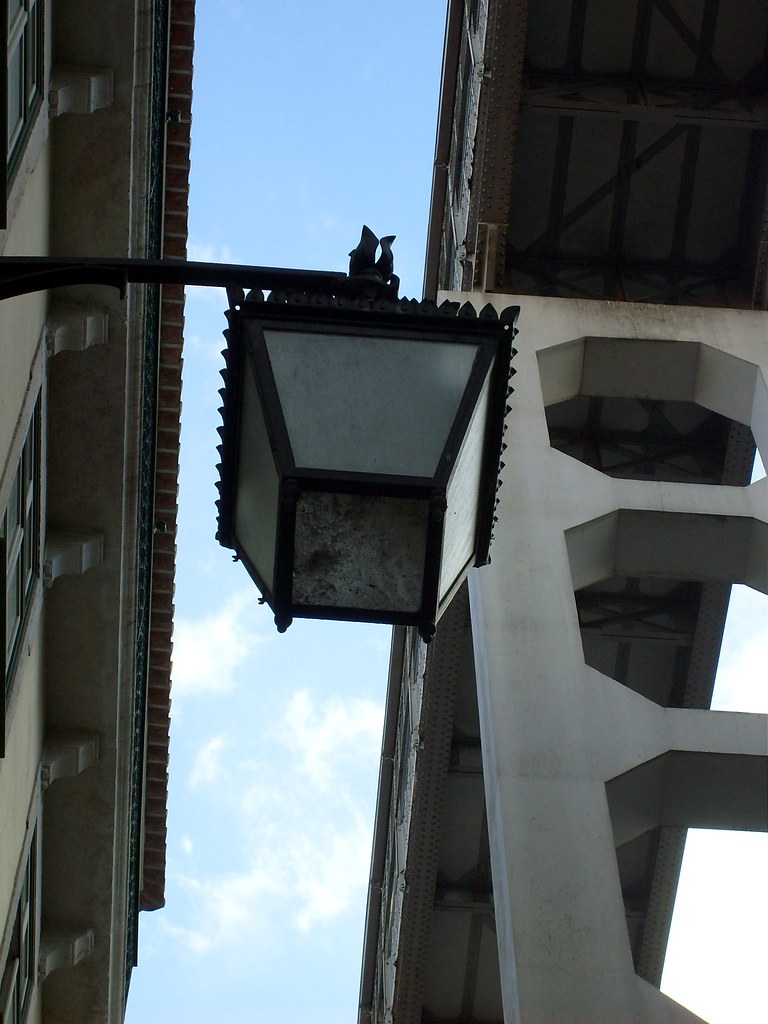
The iron lift is 45 metres tall and is decorated in neogothic style, with a different pattern on each storey. The top storey is reached by helicoidal staircases and has a terrace that offers views of Lisbon Castle, the Rossio Square and the Baixa neighbourhood. There are two elevator booths. Each has wooden interior and accommodates 24 people.
The lift has become a tourist attraction in Lisbon as, among the urban lifts in Lisbon, Santa Justa is the only vertical one. Others, including Elevador da Glória and Elevador da Lavra, are more like funiculars that help climb the slopes of Lisbon.
Etiquetas:
chiado,
Monthly Theme Day,
Transportes
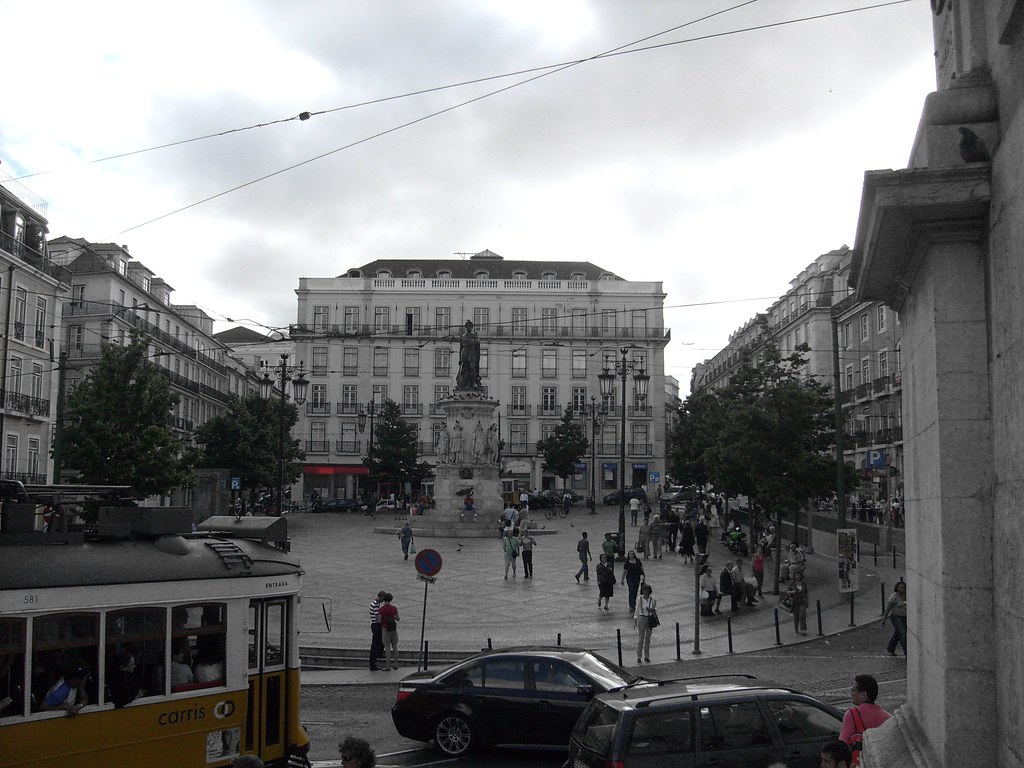
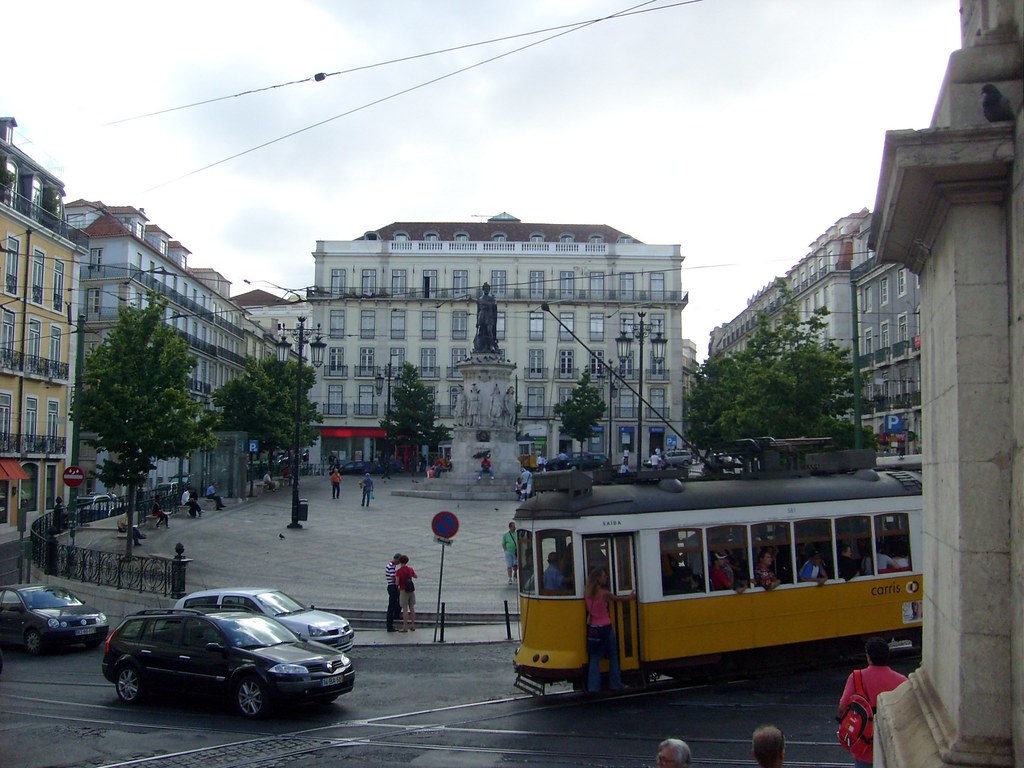
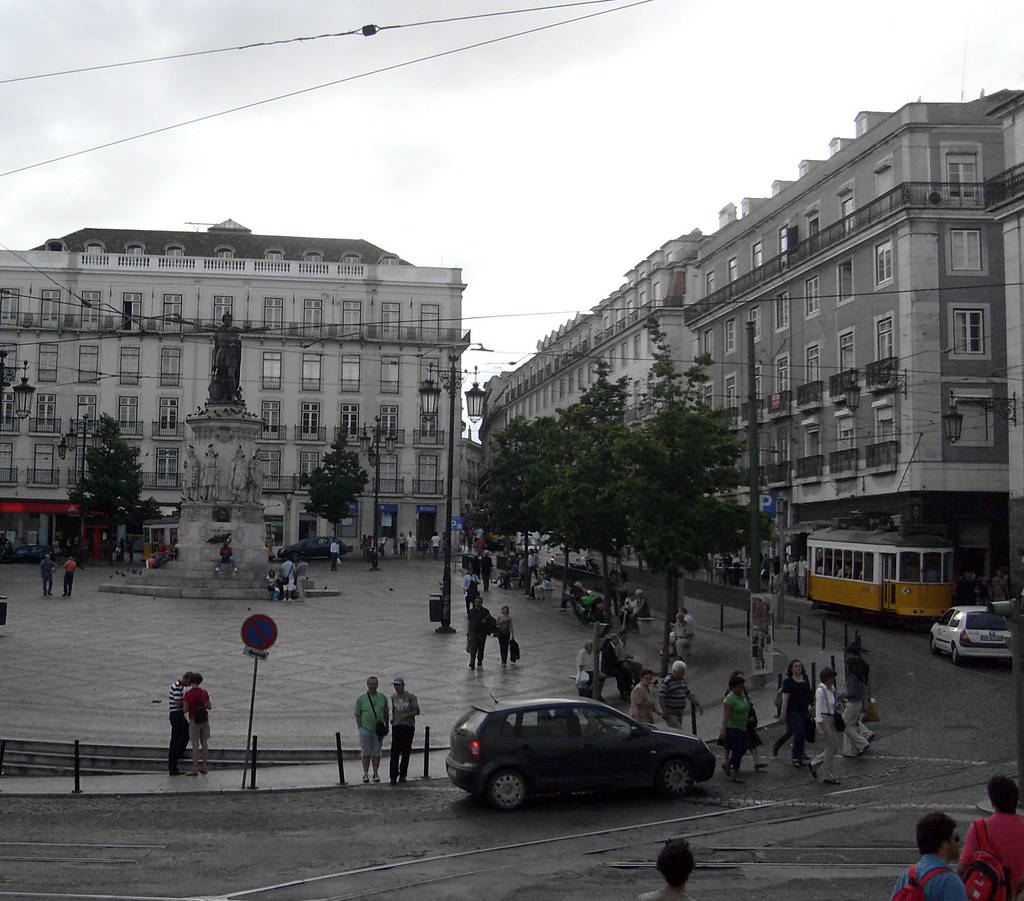
Camões Square: Lisbon's meeting place.
This small square is the transition zone between Chiado and Bairro Alto. In its center is a monumental statue of 16th century epic poet Luis de Camões standing on a pedestal with other smaller statues of classical Portuguese authors. It faces Largo do Chiado, where there are two Baroque churches: Loreto (also known as "of the Italians") and Encarnação. Here is also Lisbon's best-known café, A Brasileira, a meeting place of several generations of intellectuals and artists. In front is a statue of poet Fernando Pessoa sitting in a chair, recalling the days when he used to write at this cafe. [*]
Chiado is nowadays one of the Lisboa’s quarters with more prestige.
Situated in between the Bairro Alto and the Baixa, here the most diversified designer’s shops can be found, as well as ateliers, art galleries, museums, restaurants, modern and traditional coffees, bookstores, theatres and many other cultural and artistic expressions.
Chiado is an historical place, frequented by modernist intellectuals and has forever being linked to a cosmopolitan Lisboa, with a strong romantic, modernist, liberal, and intellectual component.
The statue of the Poet Luís of Camões, in the square with his name, the Rua Garrett (main commercial artery of the area), the famous coffees (between them the famous one "A Brasileira", in which esplanada is the bronze figure of the great Poet Fernando Pessoa sat down in one of its preferred places of the city - in fact he was born in this quarter, nearby this coffee), the theatres of the Trindade, of São Luiz and of São Carlos (the only Opera theatre in Portugal), the Carmo Convent, the Santa Justa Elevator, the Palace Valadares (in the place where the first Portuguese university was created), the National Museum of Contemporary Art, and the Churches of Loreto, of Nossa Senhora da Encarnação, and of Ordem Terceira de Nossa Senhora do Carmo, are some of the many more important monuments and symbols of Lisboa that the Chiado proudly houses.
In 1988 a serious fire of high dimensions devastated the Chiado, and since that fateful date this quarter has suffered several restoraion and re-organization works. These works have improved this historical and already so special place, with new and re-done infrastructures and facilities more accurate to the modern times, with its project directed by the respected Portuguese Architect Siza Vieira. [*]
Sights Nearby São Roque Church - Home of the world's most expensive chapel.
Miradouro de São Pedro de Alcântara - A garden with a panoramic view over the city.
Chiado Museum - Museum of Portuguese contemporary art.
São Carlos Theater - The city's La Scala-inspired opera house.
Carmo Church - Romantic Gothic ruins evocative of the Great Earthquake. Principe Real - Charming leafy square.
Miradouro de Santa Catarina - A terrace and café with a view.
Botanical Garden - An enchanting botanical garden.
Etiquetas:
chiado,
Transportes
 Etiquetas:
pessoas,
Transportes
Etiquetas:
pessoas,
Transportes
 Etiquetas:
Baixa,
Rossio,
Transportes
Etiquetas:
Baixa,
Rossio,
Transportes
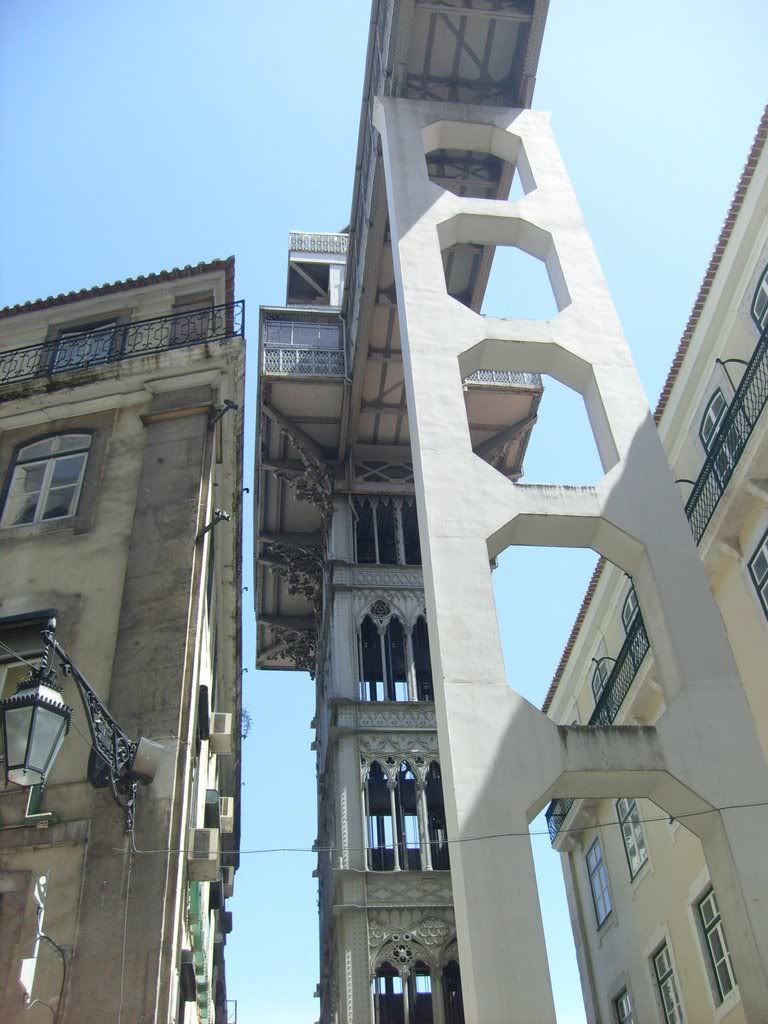
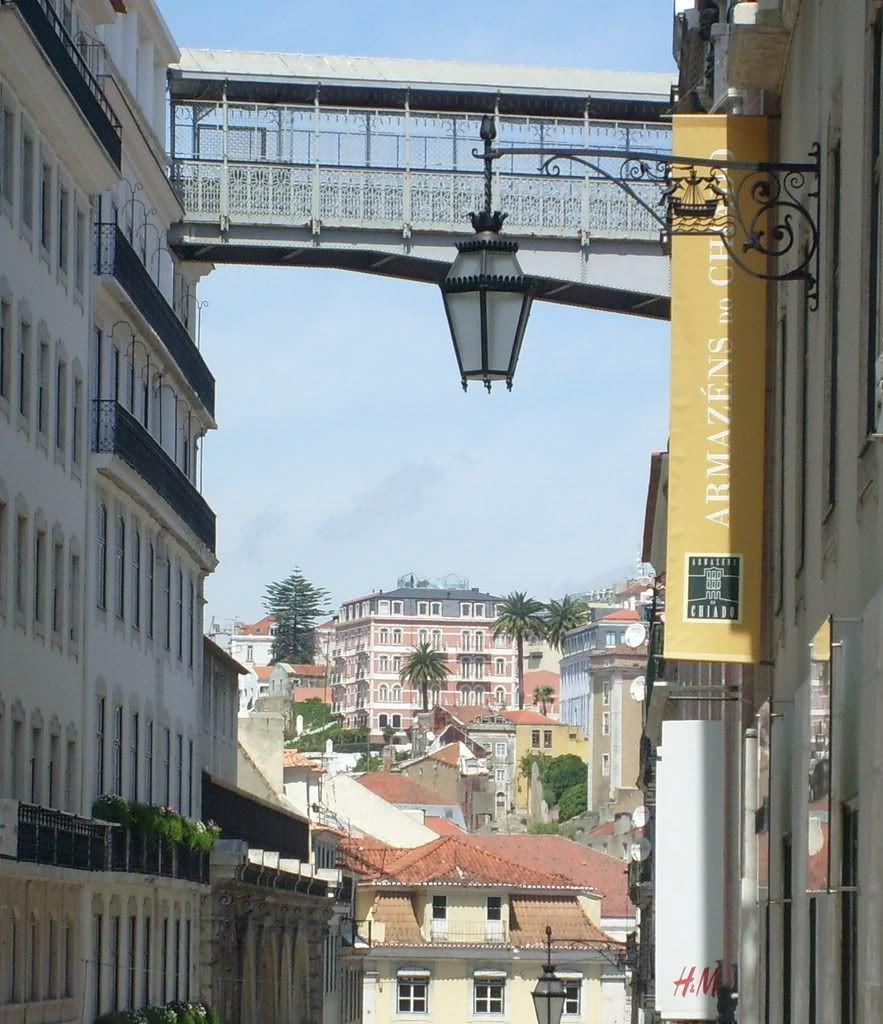
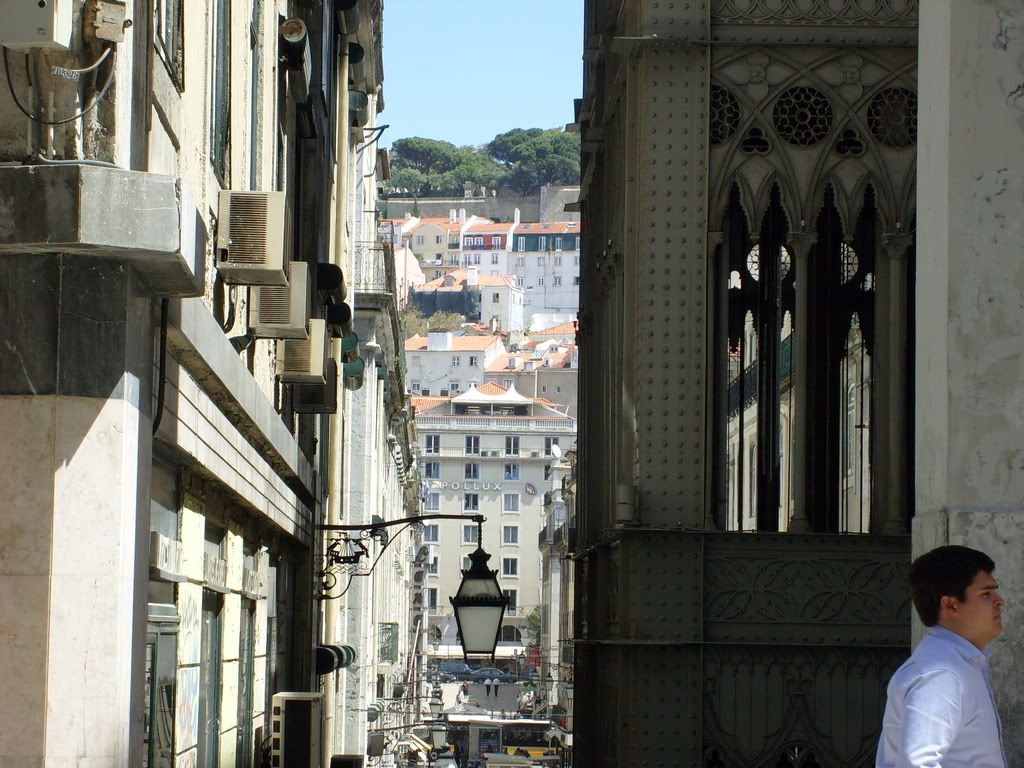
The Santa Justa Lift , also called Carmo Lift , is a lift in the city of Lisbon at Santa Justa Street. It connects downtown streets with the uphill Carmo Square.
Iy was designed by Raul Mesnier de Ponsard, and apprentice of Gustave Eiffel. Construction began in 1900 and was finished in 1902; originally powered by steam, it was converted to electrical operation in 1907.
The iron lift is 45 metres tall and is decorated in neogothic style, with a different pattern on each storey. The top storey is reached by helicoidal staircases and has a terrace that offers views of Lisbon Castle, the Rossio Square and the Baixa neighbourhood. There are two elevator booths. Each has wooden interior and accommodates 24 people.
The lift has become a tourist attraction in Lisbon as, among the urban lifts in Lisbon, Santa Justa is the only vertical one. Others, including Elevador da Glória and Elevador da Lavra, are more like funiculars that help climb the slopes of Lisbon.
Etiquetas:
chiado,
Transportes
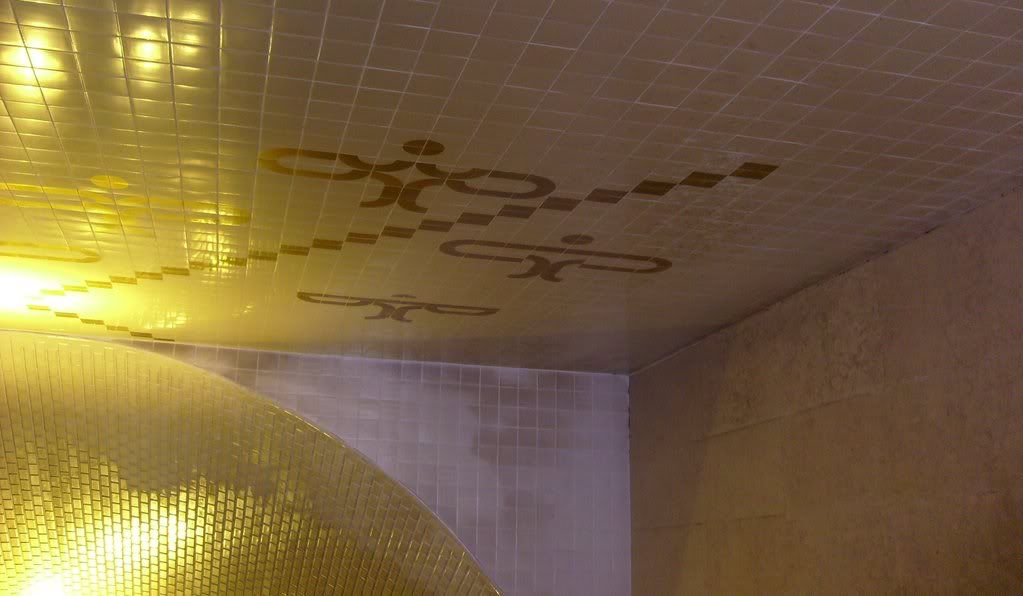
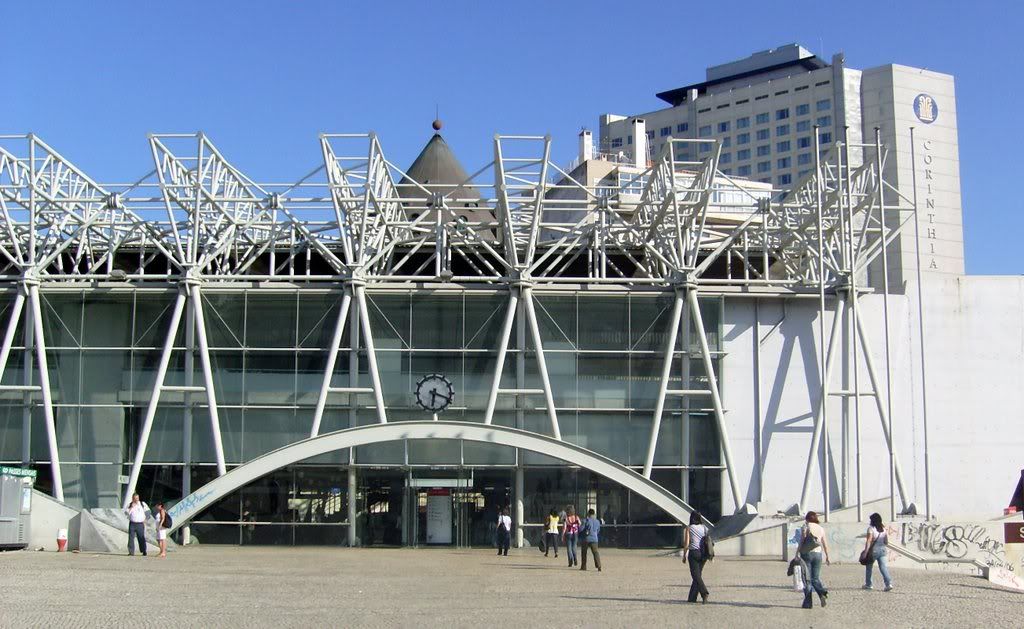
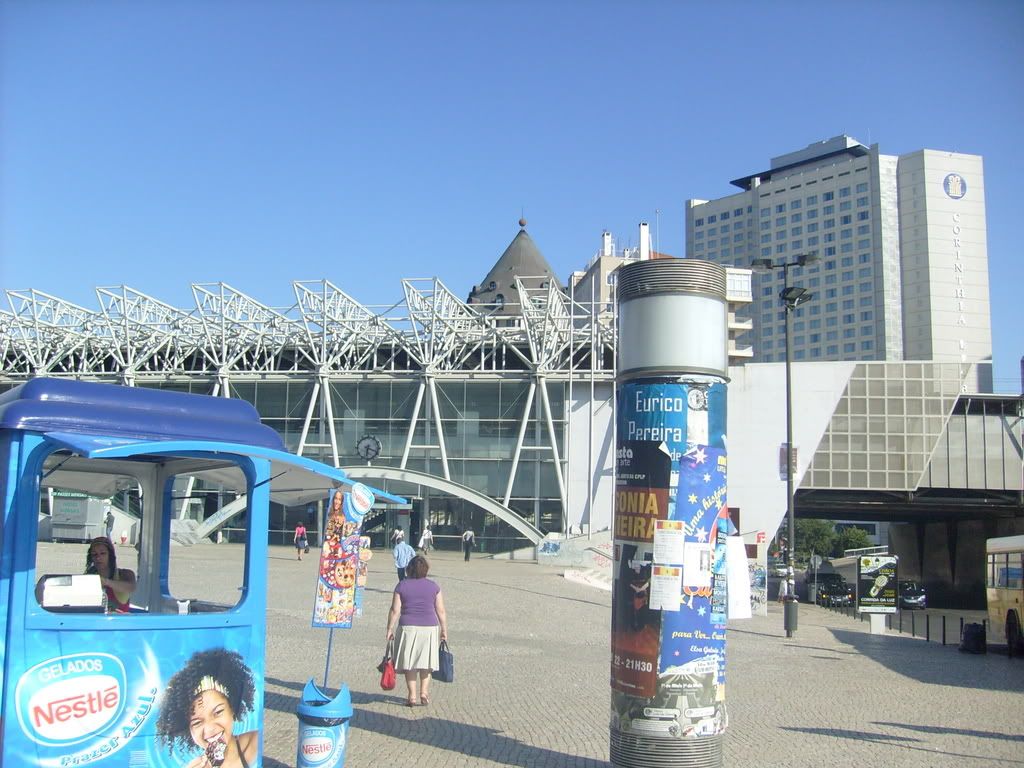
This station allows access to the Baixa and the Chiado, and is one of the most crowded of the city. The architectural project was the work of architect Álvaro Siza Vieira and of plastic painter Angelo de Sousa. Due to locate the approximately 45 meters from the surface, the station Baixa/Chiado is the most profound of the entire network of Metro in Lisbon.
The signs are related to Islamic art, but retains as much as possible characteristics of simplicity and restraint of means to be used: white tiles and, in some areas of the walls and ceiling, a gilded inscriptions.
Etiquetas:
chiado,
Metro,
Transportes
 Etiquetas:
Baixa,
Rossio,
Transportes
Etiquetas:
Baixa,
Rossio,
Transportes
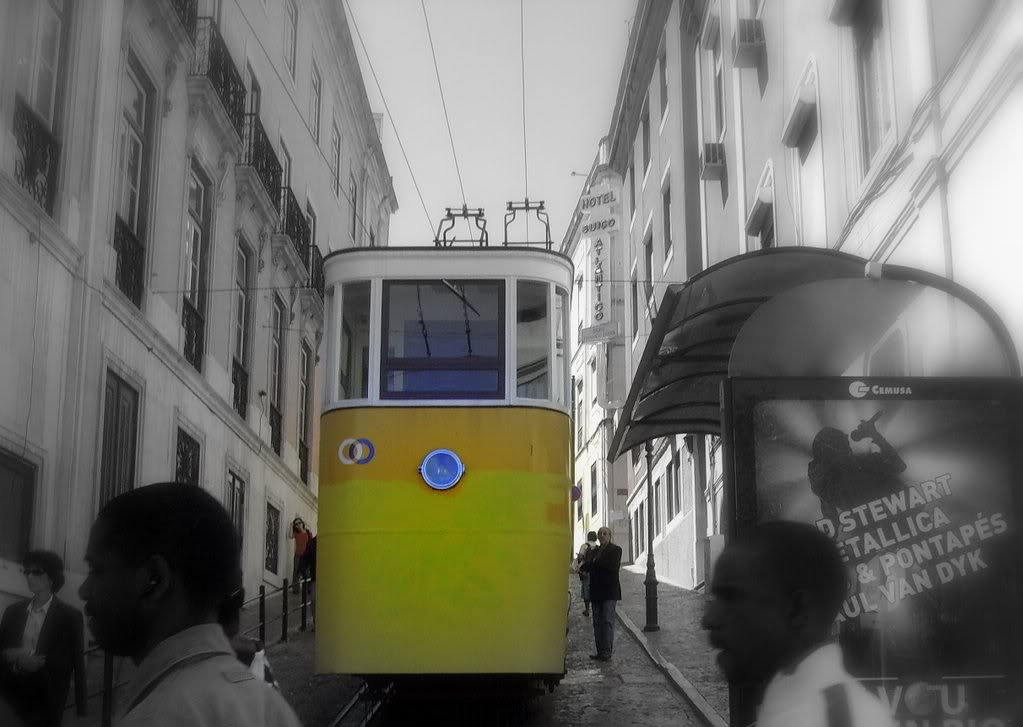
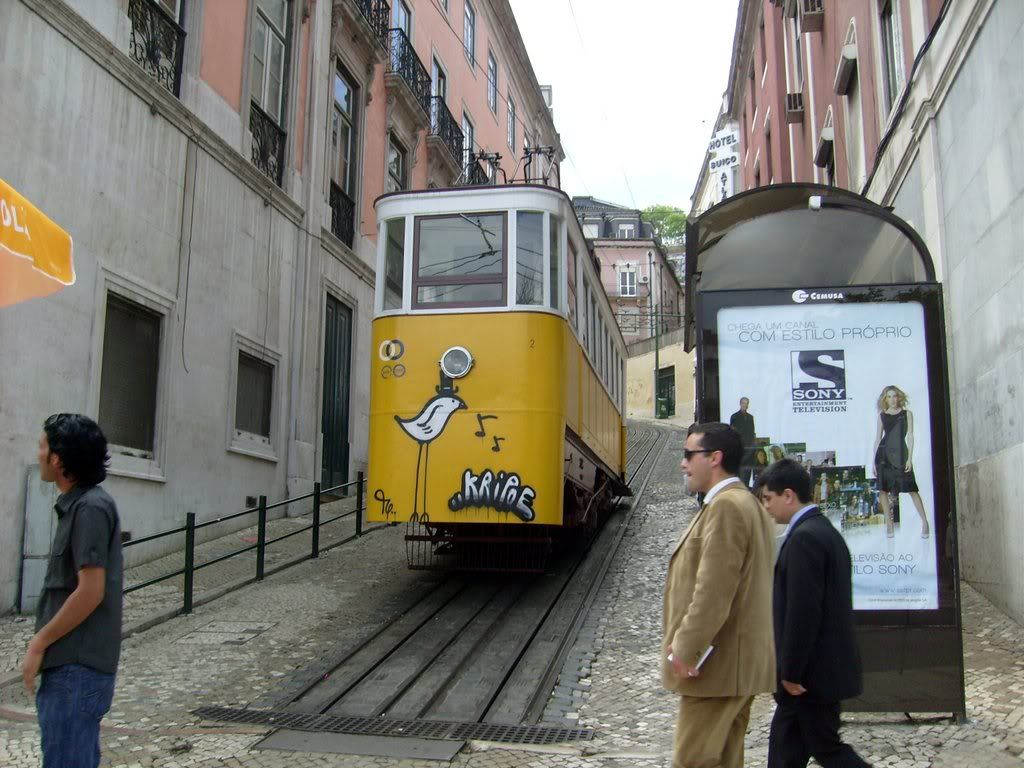
The Glória Funicular is one of the funiculars existent in Lisbon, right downtown, most precisely on the Restauradores Square. It makes the connection between this square and Bairro Alto (literally High Quarter) on a 265 metres journey up or down the hill. When you go out of the funicular you will find on the right side the S. Pedro de Alcântara belvedere, from where you get a magnificent view of downtown Lisbon and the magical St. George Castle. Just across the road, slightly to the right, at Rua de S. Pedro de Alcântara, nos.39-49, lies the Instituto do Vinho do Porto, where a vast range of port-wines may be tasted and purchased in the sumptuous surroundings of the Palácio Ludovice (1749). The Glória funicular opened on 24 October, 1885, and since then two funiculars have been going up and down, carrying locals and tourists on a journey though not being particularly rich in landscape, is still unique and very nice!
The Glória is the busiest funicular in Lisbon and also the most accessible for tourists as it lies next door to the main tourist information office in the Palácio Foz. It is 265 metres long and has an average gradient of 18%. Operating hours are 0700-0055 every day. [*]
The Glória funicular was opened in 1885 and in February 2002 it was classified as a national monument. The lower part of it, painted in another shade of yellow, different than the original serves to hide grafittis. Since it is a national monument could have been painted in the original colour.
Etiquetas:
Restauradores,
Transportes
Etiquetas:
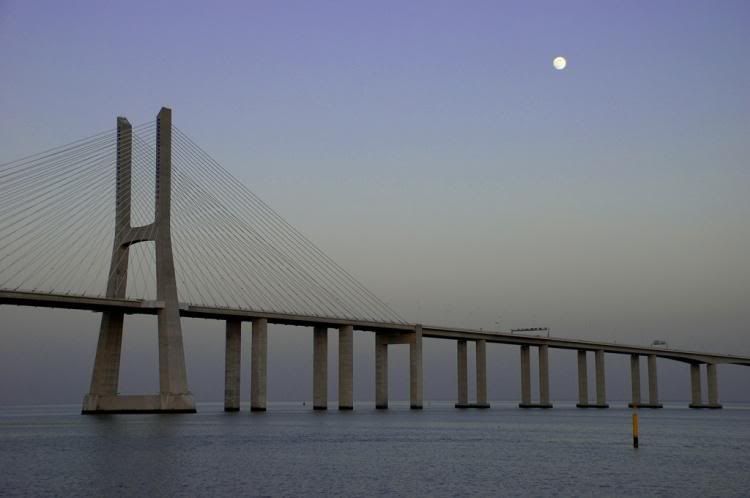
Lua,
paulo santos,
ponte,
Transportes
 Yesterday image was on a tourist tram. Today we can see in the same place the regular trams , old and new. For more information hit Carris home page.
Etiquetas:
Transportes
Yesterday image was on a tourist tram. Today we can see in the same place the regular trams , old and new. For more information hit Carris home page.
Etiquetas:
Transportes
 A tram, tramcar, trolley, trolley car, or streetcar is a railborne vehicle, lighter than a train, designed for the transport of passengers (and/or, very occasionally, freight)on urban streets. Tram systems (or "tramways" or "street railways") were common throughout the industrialized world in the late 19th and early 20th centuries, but they disappeared from many cities in the mid-20th century. In recent years, they have made a comeback. Many newer light rail systems share features with trams, although a distinction is usually drawn between the two, especially if the line has significant off-street running.
Themes around the world: Portland (OR), USA - Menton, France - Monte Carlo, Monaco - Memphis (Tennessee), USA - Manila, Philippines - San Diego (CA), USA - Anderson (SC), USA - New York City (NY), USA - San Diego (CA), USA - Mexico City, Mexico - San Francisco (CA), USA - Mumbai (Maharashtra), India - Mainz, Germany - Weston (FL), USA - Minneapolis (MN), USA - Turin, Italy - Las Vegas (NV), USA - Hobart (Tasmania), Australia - Bicheno, Australia - Durban, South Africa - Joplin (MO), USA - Nashville (TN), USA - Stockholm, Sweden - Kyoto, Japan - Tokyo, Japan - Brussels, Belgium - Chicago (IL), USA - Montpellier, France - Seattle (WA), USA - Mazatlan, Mexico - Saint Paul (MN), USA - Sharon (CT), USA - Sesimbra, Portugal - Toulouse, France - Tuzla, Bosnia and Herzegovina - Susanville (CA), USA - Maple Ridge (BC), Canada - Saint Louis (MO), USA - Prague, Czech Republic - Helsinki, Finland - Pilisvörösvár, Hungary - Lisbon, Portugal - Mexico (DF), Mexico - Trujillo, Peru - Dunedin (FL), USA - Albuquerque (NM), USA - Port Angeles (WA), USA - Cottage Grove (MN), USA - Saint-Petersburg, Russian Federation - Kuala Lumpur, Malaysia - London, UK - Baziège, France - Jefferson City (MO), USA - Greenville (SC), USA - Selma (AL), USA - Mumbai, India - Naples (FL), USA - Norwich (Norfolk), UK - Silver Spring (MD), USA - Setúbal, Portugal - Stayton (OR), USA - Bellefonte (PA), USA - Sofia, Bulgaria - Arradon, France - Montego Bay, Jamaica - Athens, Greece - Austin (TX), USA - Singapore, Singapore - West Sacramento (CA), USA - Jackson (MS), USA - Wassenaar (ZH), Netherlands - Budapest, Hungary - Rotterdam, Netherlands - St Malo, France - Chandler (AZ), USA - Melbourne, Australia - Port Vila, Vanuatu - Cleveland (OH), USA - Nottingham, UK - Kansas City (MO), USA - The Hague, Netherlands - Crystal Lake (IL), USA - Wrocław, Poland - Chateaubriant, France - Cheltenham, UK - Moscow, Russia - Monrovia (CA), USA - Saigon, Vietnam - Toruń, Poland - Grenoble, France - Lisbon, Portugal - New Orleans (LA), USA - Sydney, Australia - Boston (MA), USA - American Fork (UT), USA - Boston (MA), USA - Montréal (QC), Canada - Wichita (KS), USA - Radonvilliers, France - Buenos Aires, Argentina - Christchurch, New Zealand - Rabaul, Papua New Guinea - Wailea (HI), USA - Aliso Viejo (CA), USA - St Francis, South Africa - Port Elizabeth, South Africa - Seattle (WA), USA - Pasadena (CA), USA - Vienna, Austria - Orlando (FL), USA - Torun, Poland - Delta (CO), USA - Santa Fe (NM), USA - Minneapolis (MN), USA - Haninge, Sweden - Paris, France - Stavanger, Norway - Niamey, Niger - Le Guilvinec, France - Bogor, Indonesia - Saarbrücken, Germany - Auckland, New Zealand - Wellington, New Zealand - Budapest, Hungary - Juneau (AK), USA - Bucaramanga (Santander), Colombia - Glasgow, Scotland - Chicago (IL), USA - Jakarta, Indonesia - Adelaide (SA), Australia - Sydney, Australia - Riga, Latvia - Subang Jaya (Selangor), Malaysia
Etiquetas:
Monthly Theme Day,
Transportes

 |
| Search by city: |