
Trapped between walls! That's like I'm feeling now working all day and attend college at night. I do not have any free time left. I will try and keep posting everyday but I can not comment or visit your blogs with such regularity. I will do my best and visit you at weekends until middle of June.
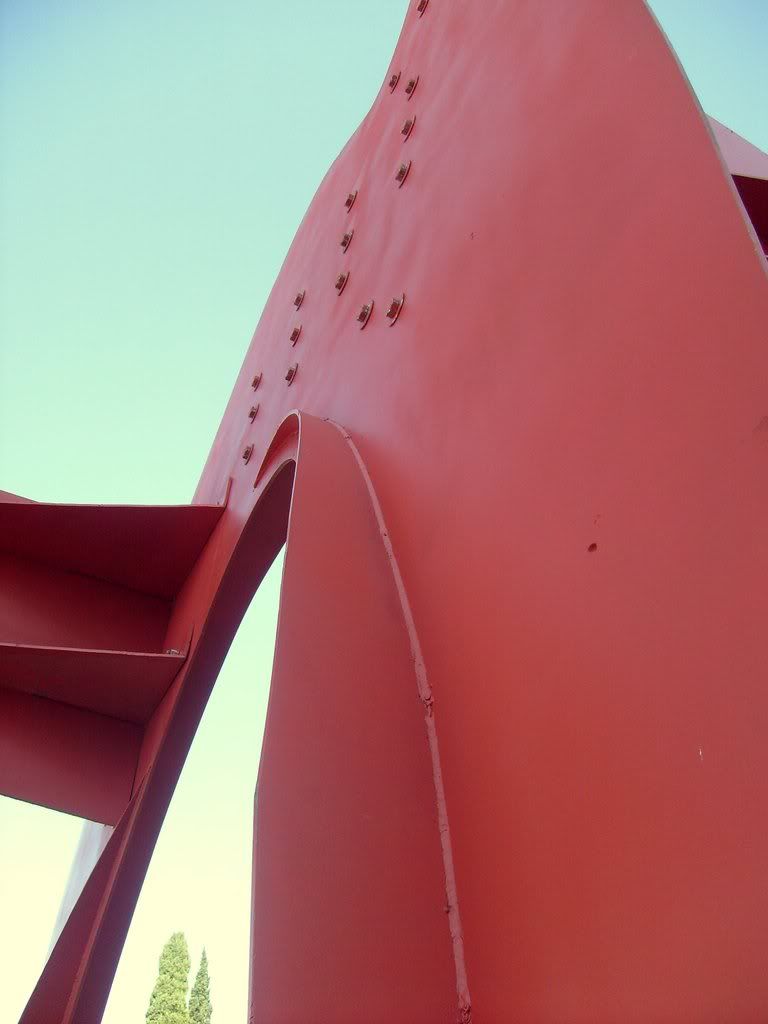
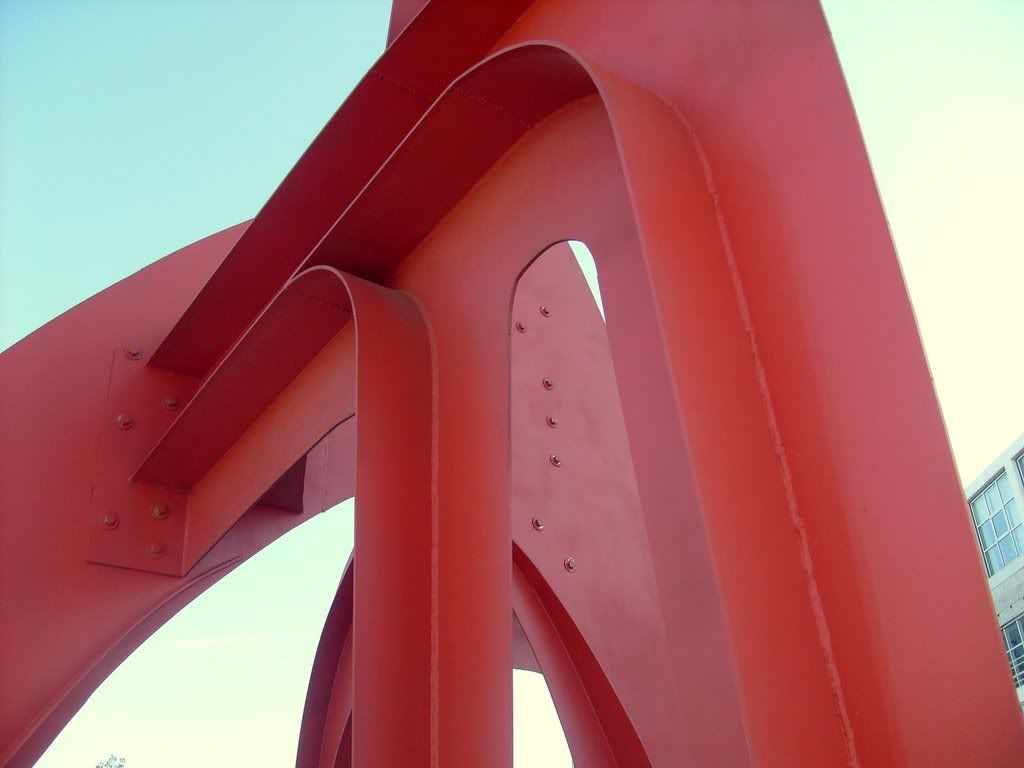
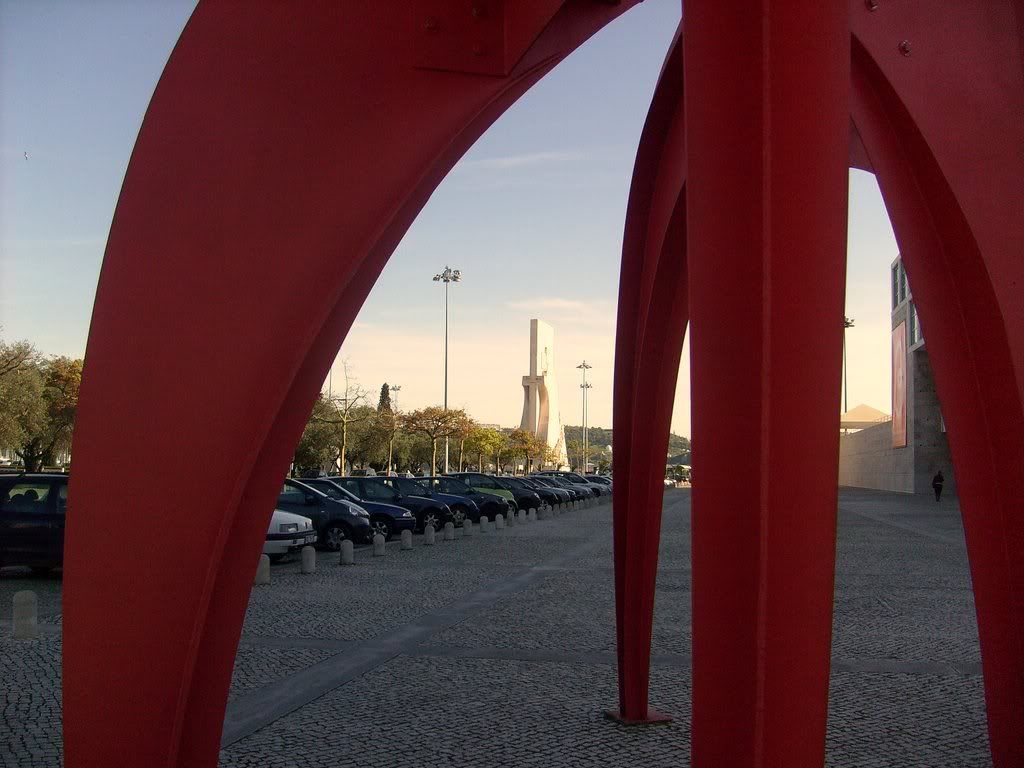
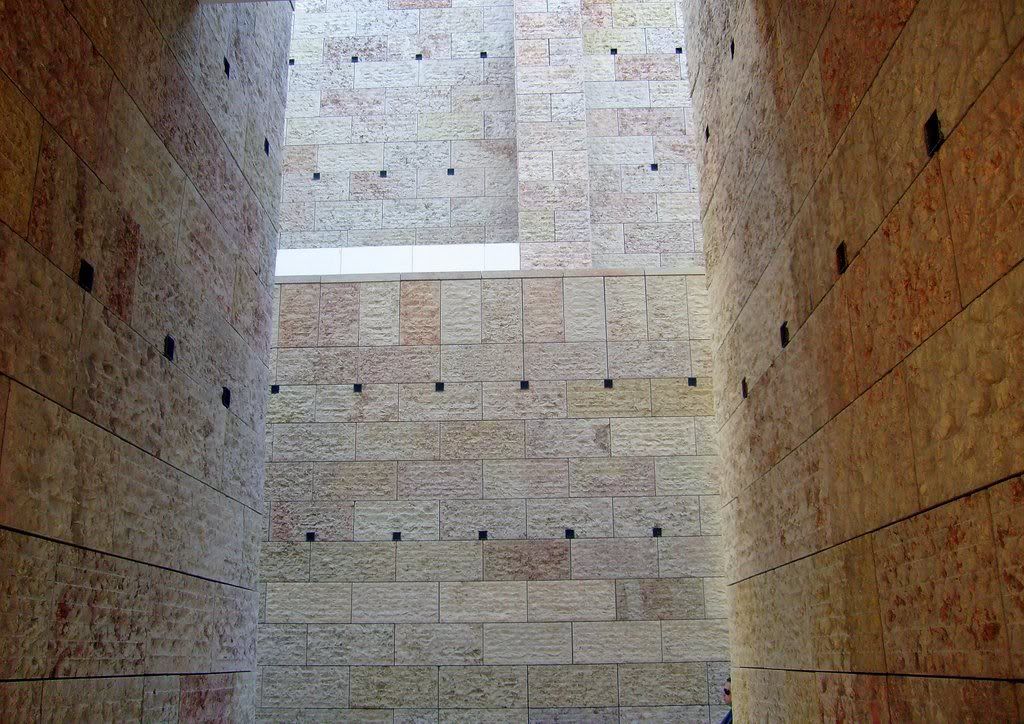
Photo taken to the Cultural Centre of Belém. I dont know why but I love these walls.

 The Berardo Collection Museum is located at the Center of Exhibitions of the Centro Cultural de Belém Founded by José Berardo, is a permanent museum with temporary exhibitions, a partnership public - private, geared to a diverse audience with the aim of developing and encouraging habits of artistic enjoyment, integrating Lisbon in an area of cultural tourism. This space was amended and its relationship with the outside world enhanced. It has been adapted to contemporary existing architecture in order to find a dialogue between the space and art that incorporates. In their logic is the exploitation of art of the century XX and XXI little cultivated so far in Portugal, is looking well fill the gap, making known the evolution of art during this period, as well as promoting dialogue between the works of art through a cross look on the various trends, movements and techniques. Demand is attracting the public through a diverse organization of the works in seven clusters: Autonomy; Power of Color; Reeinvented Figure; Minimalisms; Pop & Ca; Surrealism, and More In addition, which has a turn over of three months. Thus the existing 856 works only 150 are exposed. Over that we could discover from exposure, it presents itself to us as a catalog of the panorama of artistic creation of the century XX and XXI, especially European and American, trying however to give prominence to the late artistic creation ports. A travel between games and the surreal dreams, the conscious and aware of the artists, the techniques of chance not controlled by the mind, by the introduction of a 4 th dimension, time, in the painting by Picasso, for psychoanalysis, the analysis of dreams, the eroticism, a society of consumption, the voyeurism, the representations of language, the aura of the objects of everyday life when they go for the artistic context, etc., via the Surrealism, Pop Art, abstrakt Arte , New Objectivity, Minimalism, Conceptualism and Arte Povera. On the exterior of the exhibition there is a double work of about seven metres from the artist Joana Vasconcelos, a feminist version of the famous "Le Porte Bouteilles" Marcel Duchamp. Entry of each of the cores can be found explanatory leaflets in Portuguese, English and French as well as writings on the wall the pink or green, if they relate to a class chronological or thematic, respectively. The objects are presented only for visual and consists of painting, sculpture, photography, video, books and documents. The works are exhibited on the wall, showcases, as well as on the floor. The expositive criteria is chronological and thematic, giving all works the same narrative importance regardless of its value.
 |
| Search by city: |