Showing posts with label Alfama. Show all posts

01/12/2008

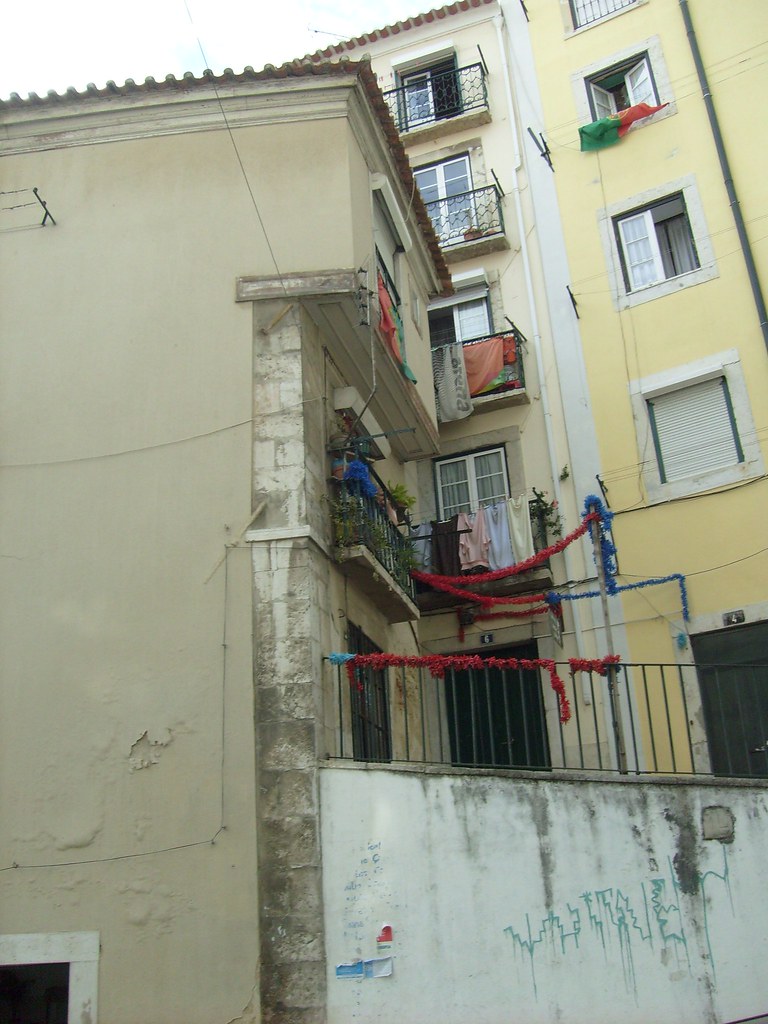
#336 - Alfama L


Casa dos Bicos

From Wikipedia, the free encyclopedia

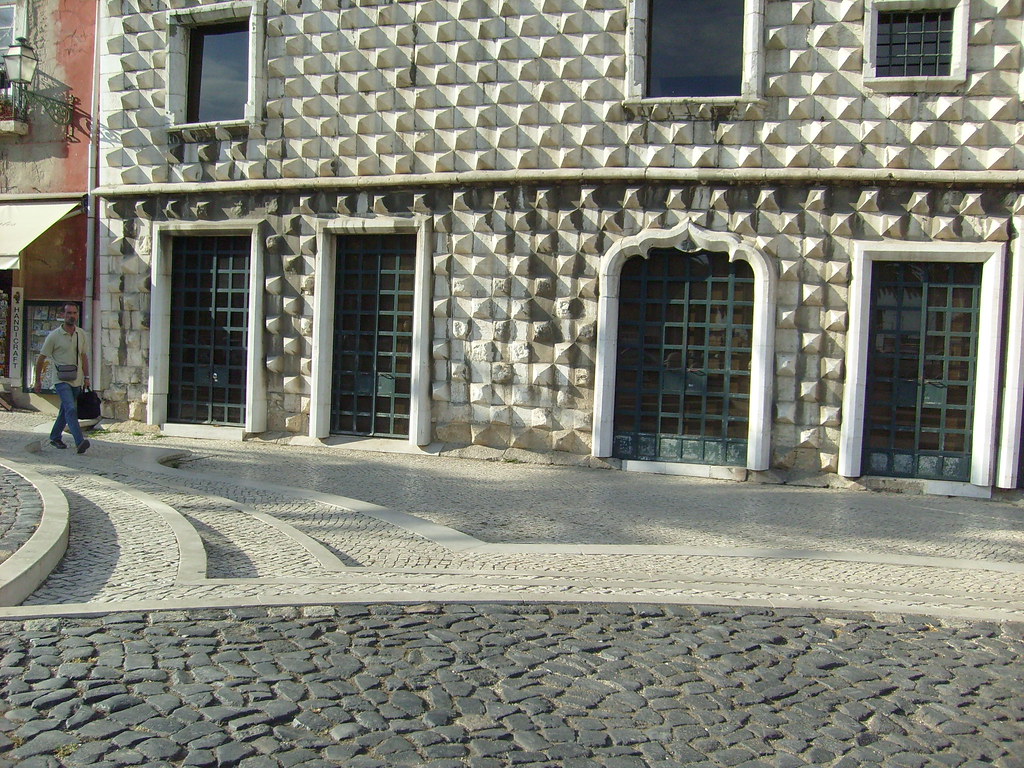
The Casa dos Bicos (Portuguese for House of the Spikes) is a historical house in the city of Lisbon, in Portugal. The house, built in the early 16th century in the Alfama neighbourhood, has a curious façade of Renaissance and Manueline influence. It has survived the disastrous 1755 Lisbon Earthquake that destroyed much of the city.

The Casa dos Bicos was built around 1523 by Brás de Albuquerque (1501-1581), son of the first governor of Portuguese India, Afonso de Albuquerque. Brás de Albuquerque had spent some years in Italy, where he could get first hand contact with Italian Renaissance architecture. He presumably saw urban palaces like the Palazzo dei Diamanti, in Ferrara, that have façades covered with diamond-shaped spikes. Upon his return to Portugal, Brás de Albuquerque built the Casa dos Bicos with a façade "dei diamanti", but incorporating Manueline (Portuguese late Gothic) windows and portals.

In 1755, the earthquake destroyed a great part of the building. The main façade was destroyed, and the two upper storeys of the façade facing the Bacalhoeiros street (the current main façade) came down. The house was kept in possession of the Albuquerque family until the 19th century, when it was acquired by a codfish trader. It was used for years as a storage house for codfish (Bacalhau). Around 1960 the house was acquired by the Lisbon Municipality.

In the 1980s the house was restored and partially rebuilt. The two upper storeys of the current main façade were rebuilt based on pre-1755 drawings and paintings, which showed a Renaissance loggia on the third floor and the Manueline-style windows. Archaeological excavations were carried out inside the house, revealing remnants of Roman and Moorish periods.

29/11/2008

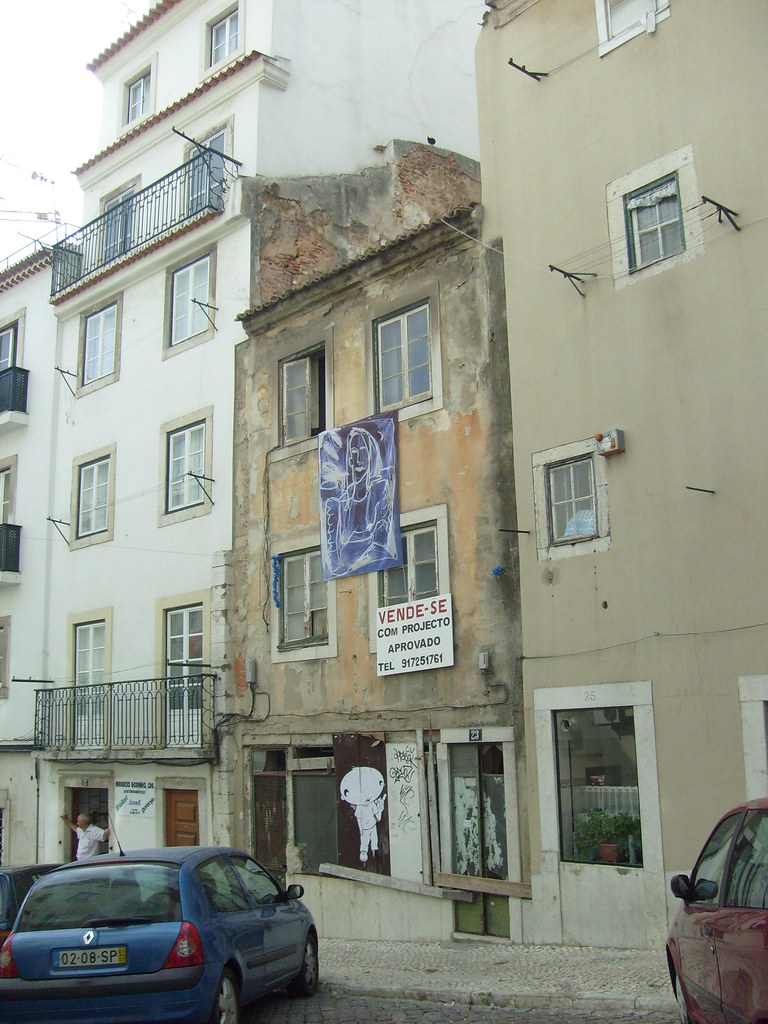
#334 - Alfama XLIX


Casa dos Bicos
A 16th century architectural curiosity

"This "House of Spikes" is an architectural curiosity, faced with diamond-shaped stones (a total of 1125).

It is a 16th century palace that belonged to Afonso de Albuquerque, the Portuguese viceroy of India, and is one of the very few buildings that survived the 1755 earthquake.

It is thought to have been modelled on the palaces of Venice, although the two upper floors have exuberant arched windows characteristic of the Portuguese Manueline style.

Its interior is not usually open to the public, except when it hosts occasional special exhibitions. It is currently in the process of turning into the home of the Saramago Foundation, a space dedicated to the Nobel Prize-winning Portuguese writer. It will host special literary events and contain the author's library.

There are tourist shops in the vicinity as well as cheap restaurants known for their traditional grilled fish dishes. " [*]

Where: Rua dos Bacalhoeiros, Alfama
How: Walk from Comercio Square.
When: Only opens for temporary exhibitions.

Sights Nearby

Comercio Square - Monumental riverside square.
Municipal Square - Home of the City Hall palace.
Rua Augusta - The city's main shopping street.
Conceição Velha Church - Church that survived the Great Earthquake.
The National Pantheon - The domed church that took centuries to complete.
Santo Antonio Church - Saint Anthony's birthplace.
The Roman Theater - The archaological remains of a once large Roman theater.
Fado Museum - The story of the national music.
Military Museum - A testament to the country's battles.
Doca do Jardim do Tabaco - Sleek restaurants and club on the waterfront.


Tune tomorrow for more Casa dos Bicos photos


20/11/2008

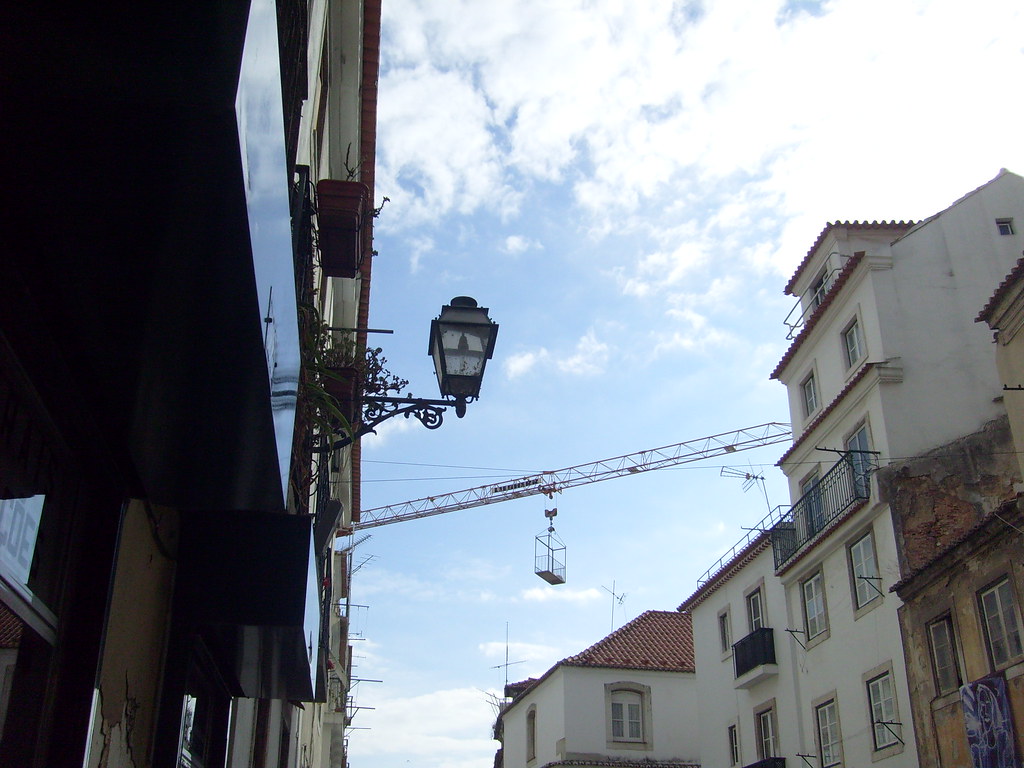
#325 - sky watch Alfama


15/11/2008

#320 - Alfama XLVIII


12/11/2008

#317 - Alfama XLVII


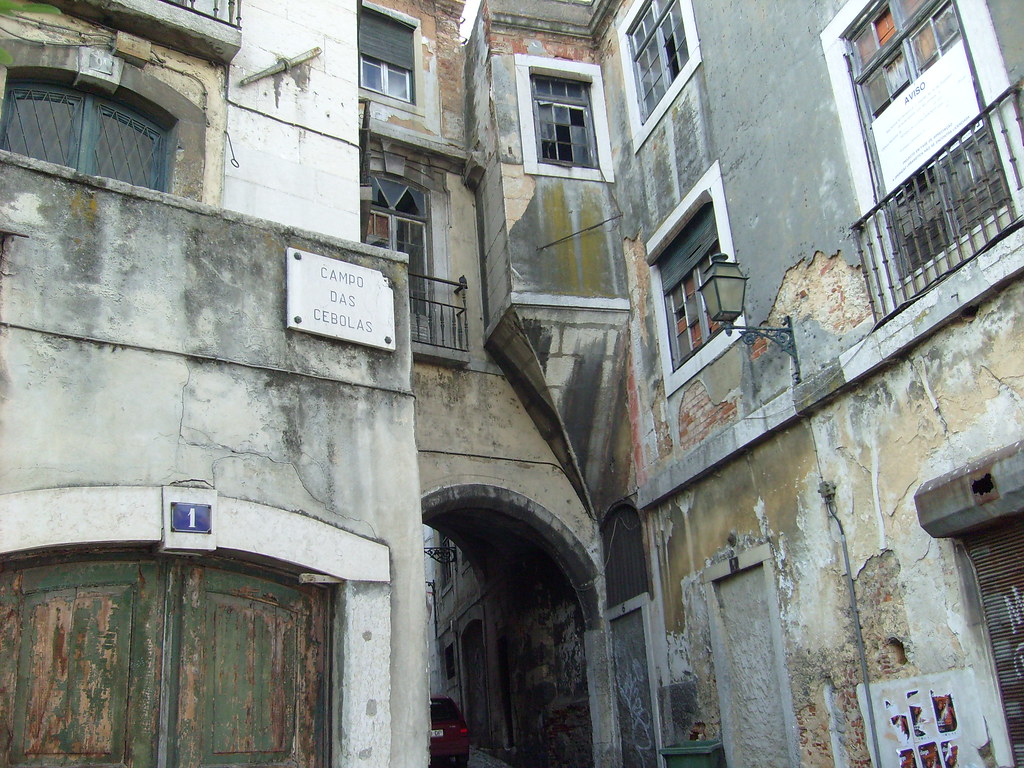
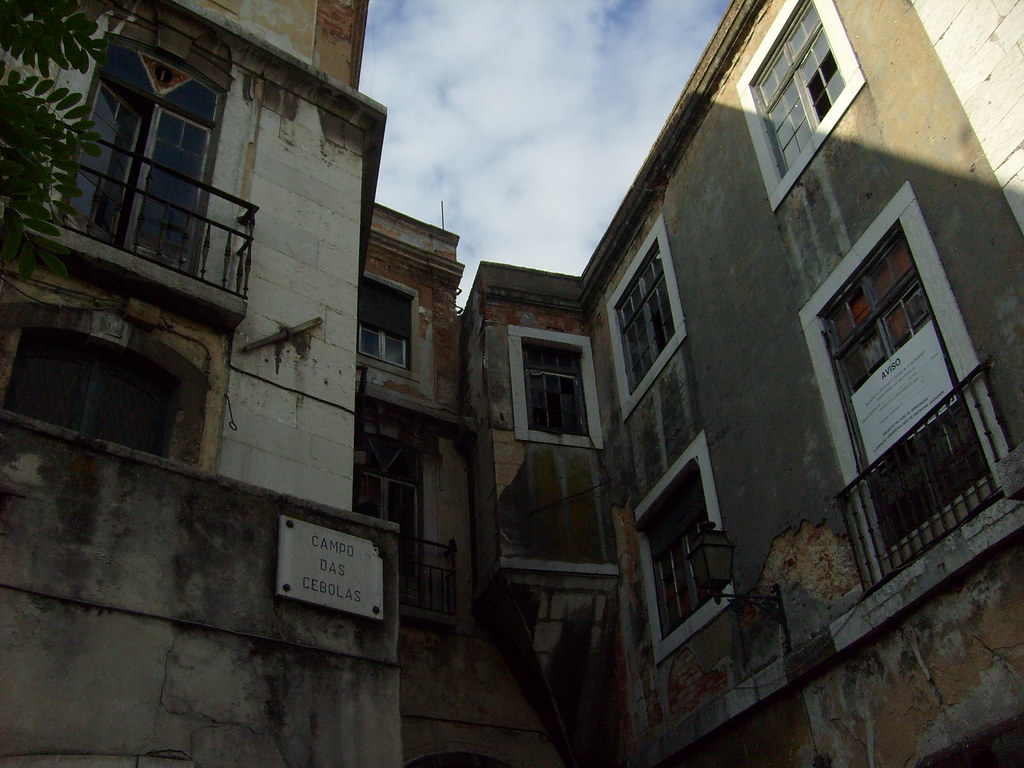
#1 of Campo das Ceboulas

08/11/2008

#313- Alfama XLVI


06/11/2008

#311- Alfama XLV


02/11/2008

#307- Alfama XLIV


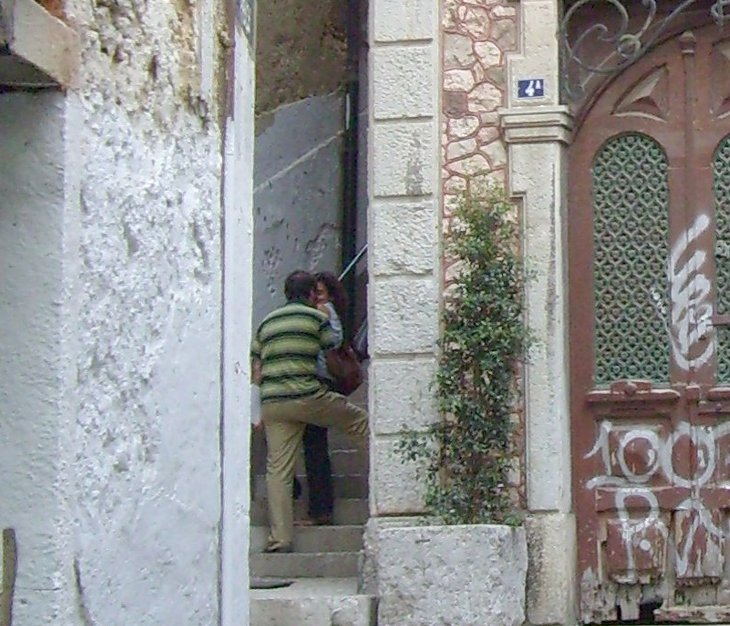
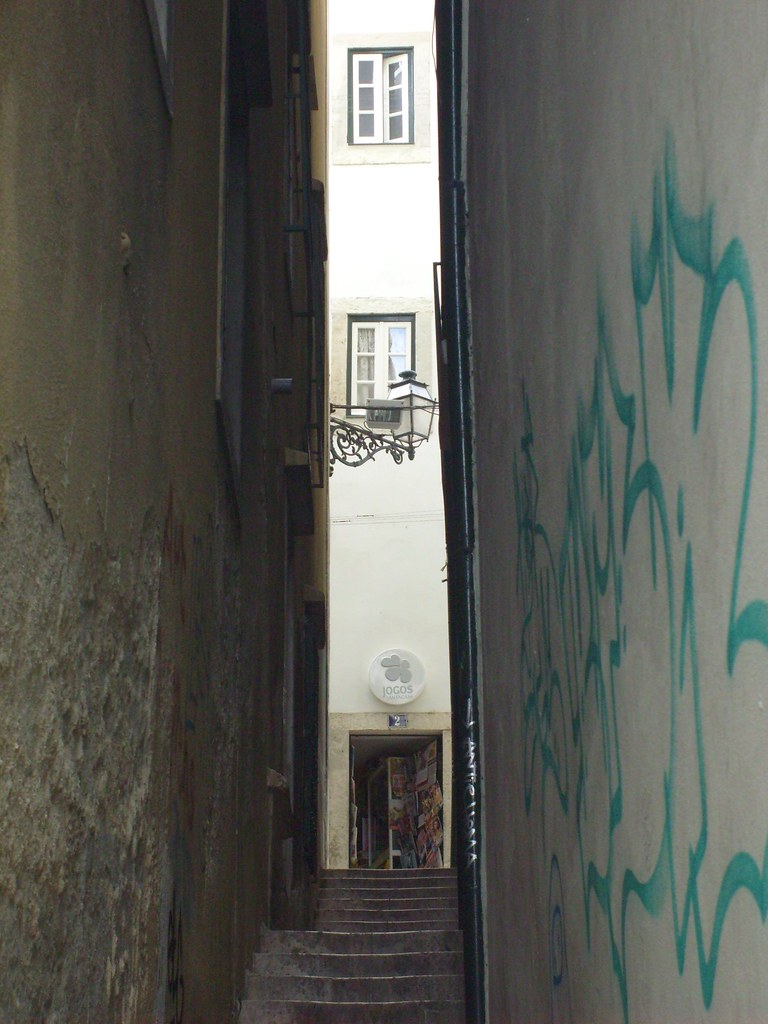
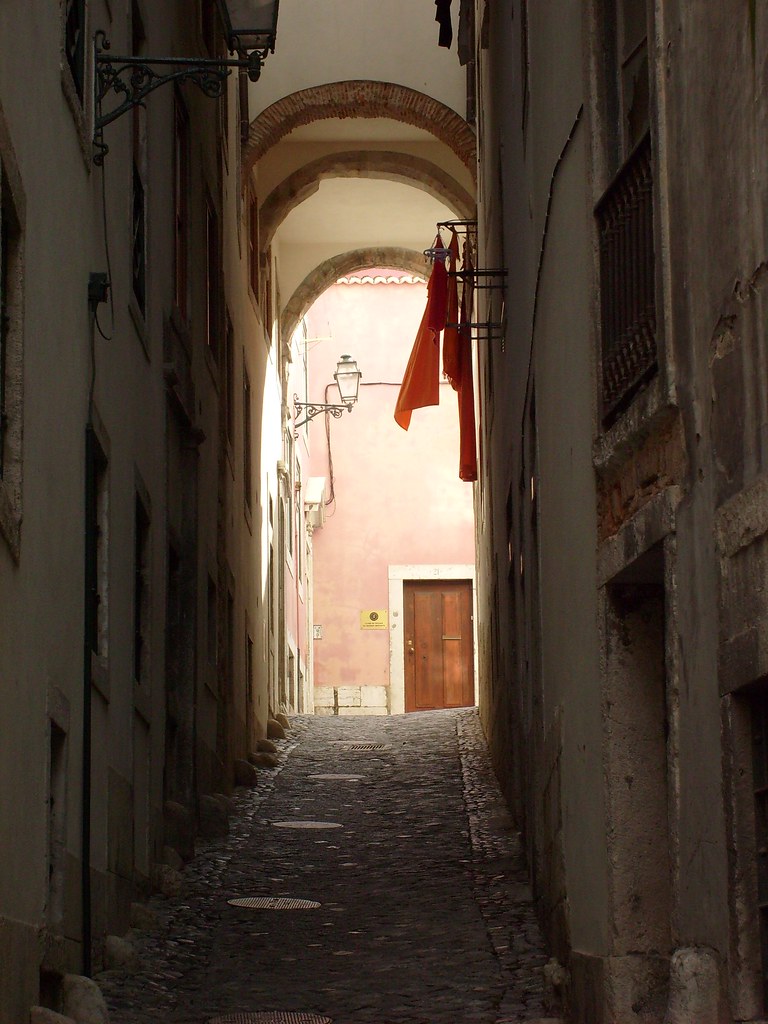
Alfama with its narrow streets and dark alleys is a great place for dating :)

30/10/2008

#304- Alfama XLIII


28/10/2008

#302- Alfama XLII


26/10/2008

#300- Alfama XLI


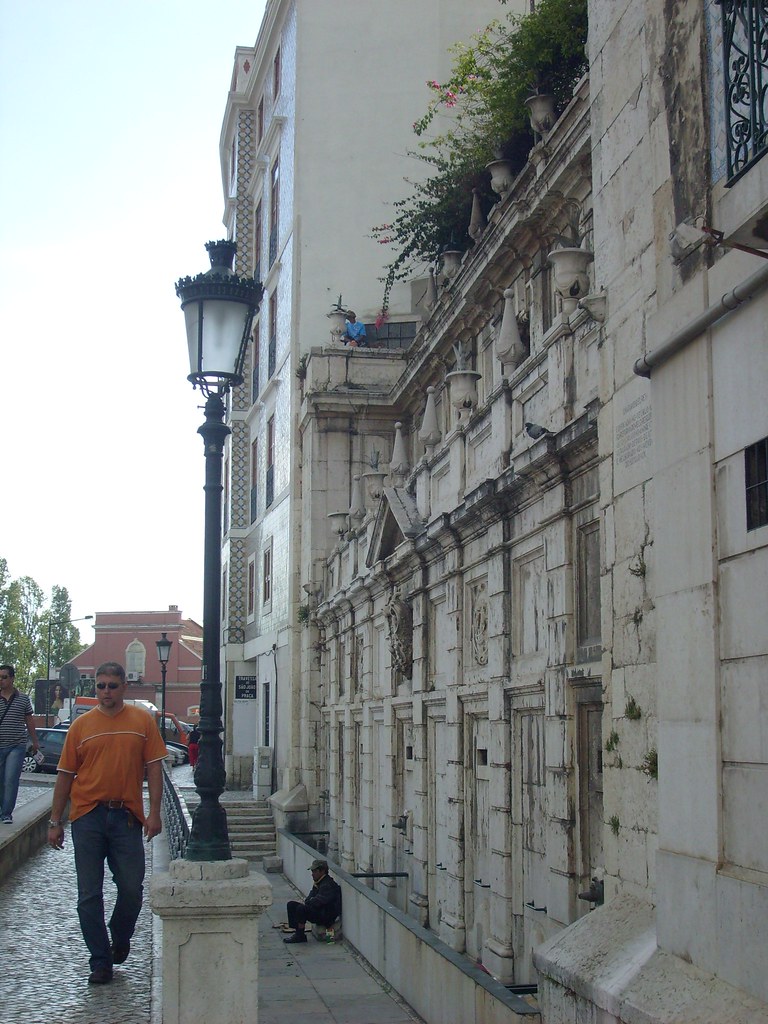
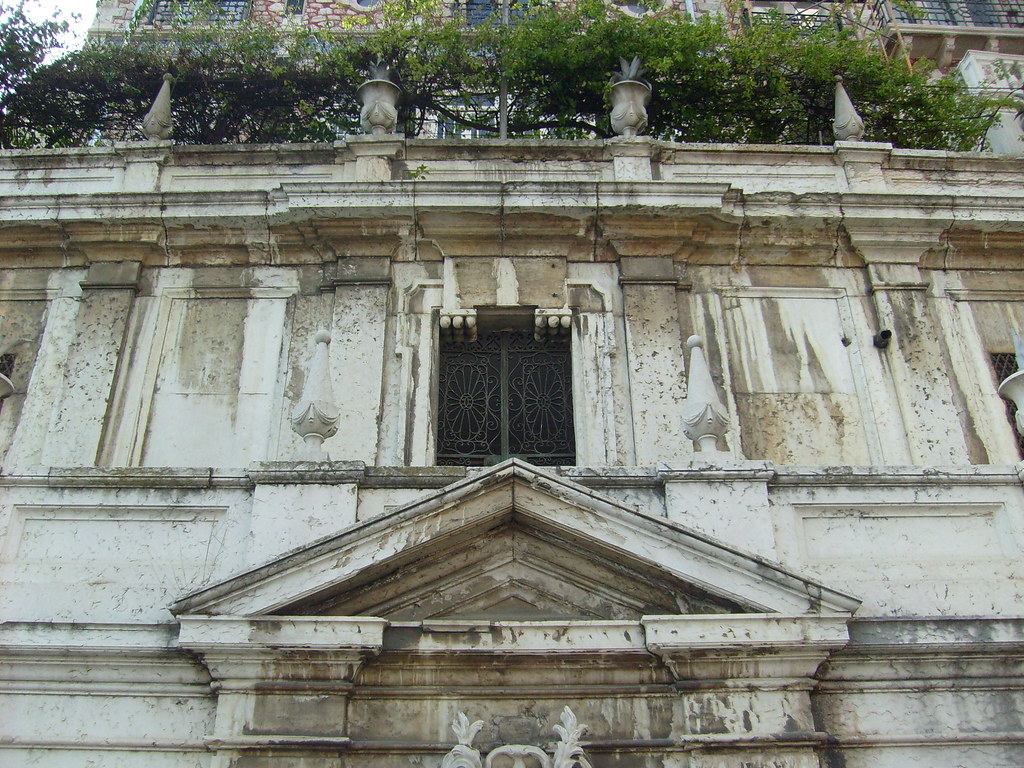
Chafariz de El-Rei

Fountain of El-King

From Wiki:
"The Fountain of El-King, was the first public fountain in the city, was built in the thirteenth century in the reign of King Alfonso III of D. Dinis, taking advantage of excellent waters of the slope of Alfama.

The piping of water from outside the Bicas Cerca Moura date of 1487, allowing the supply of ships of the career of India.

The current facade dates from 1864, has been finished and put the platibanda the pinnacles and polls, a classicist architectural composition.

Bicas came to nine in operation. Each waterspout was an exclusive social group, not forgetting the seafarers."[*]

Another source:
"The Fountain D'el Rei was once known as the fountain of St. John's Square and owes its current name on the amendments made by Dinis, in 1308. It is one of the oldest in Lisbon.

He suffered works in the reign of John II and Dom Manuel I. Due to the large numbers of people, the fountain was then the main source of drinking water, and the resulting delays and mix-up that are left in 1551, a standard comrades. The rules decreed that each of the six Bicas that the fountain was going to serve apaenas a social group: the first is supplying the blacks, mulattoes and Indians, second in the moors ; the third and fourth were reserved for boys and men white; is supplied in the fifth black women and girls in sixth and white women. Those who breach this law would be punished. It is not known exactly how many changes were implemented and they gave him the look current.

These days the fountain owns only three Bicas."[*]

23/10/2008

#297 - Alfama XL


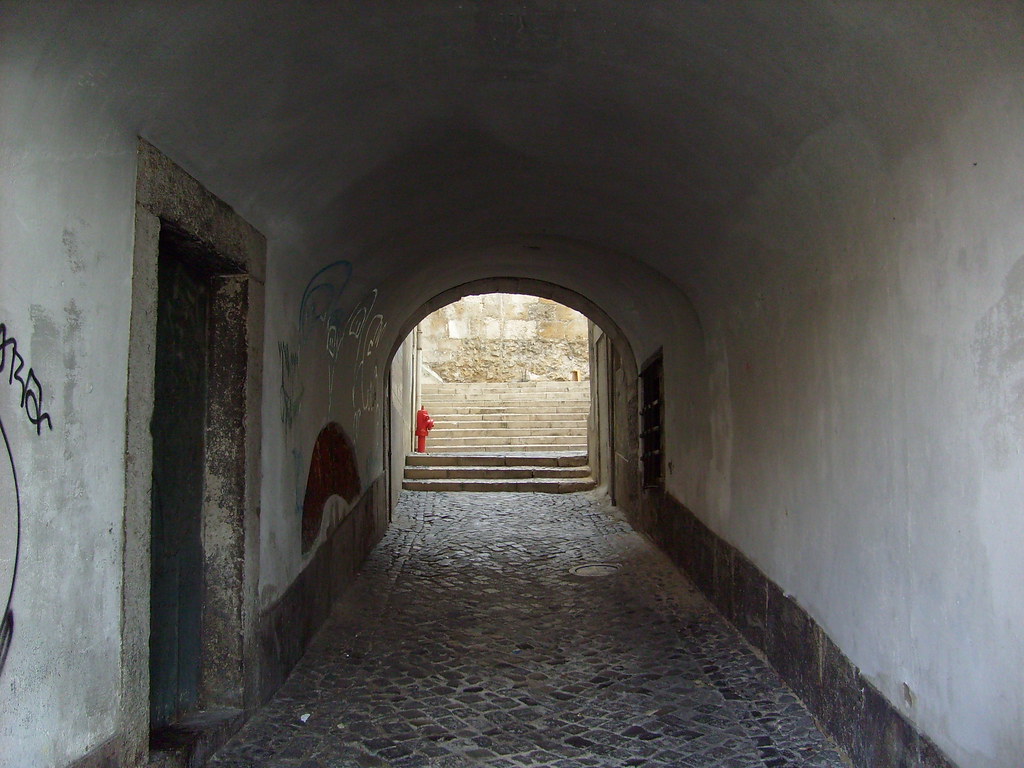
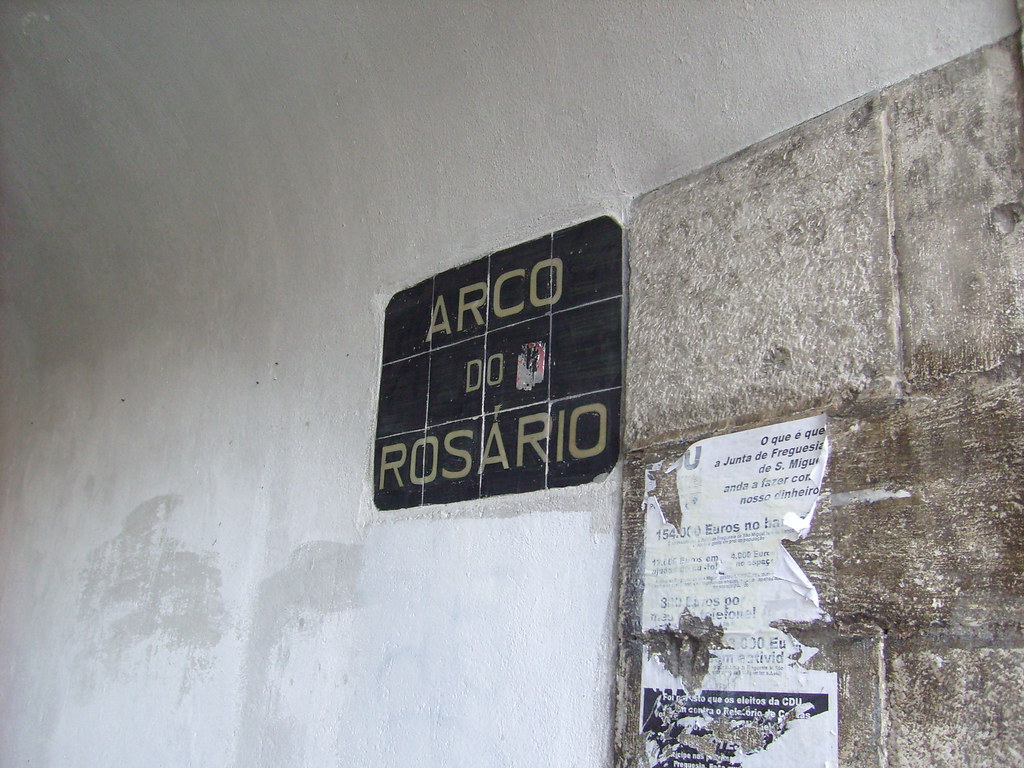
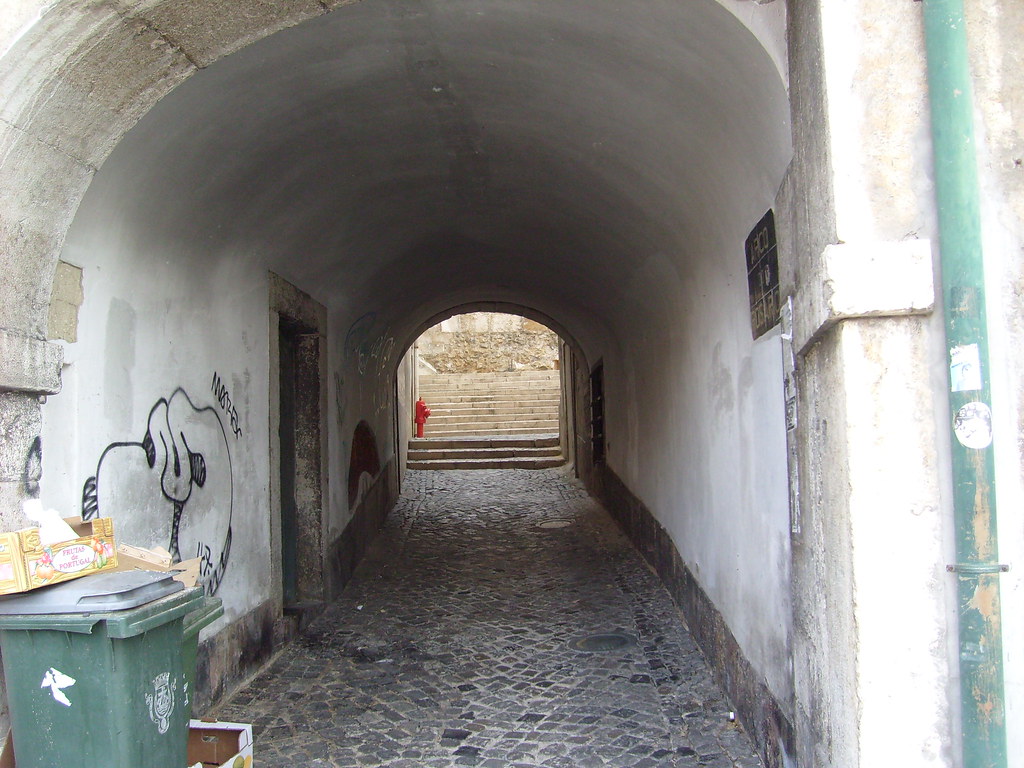
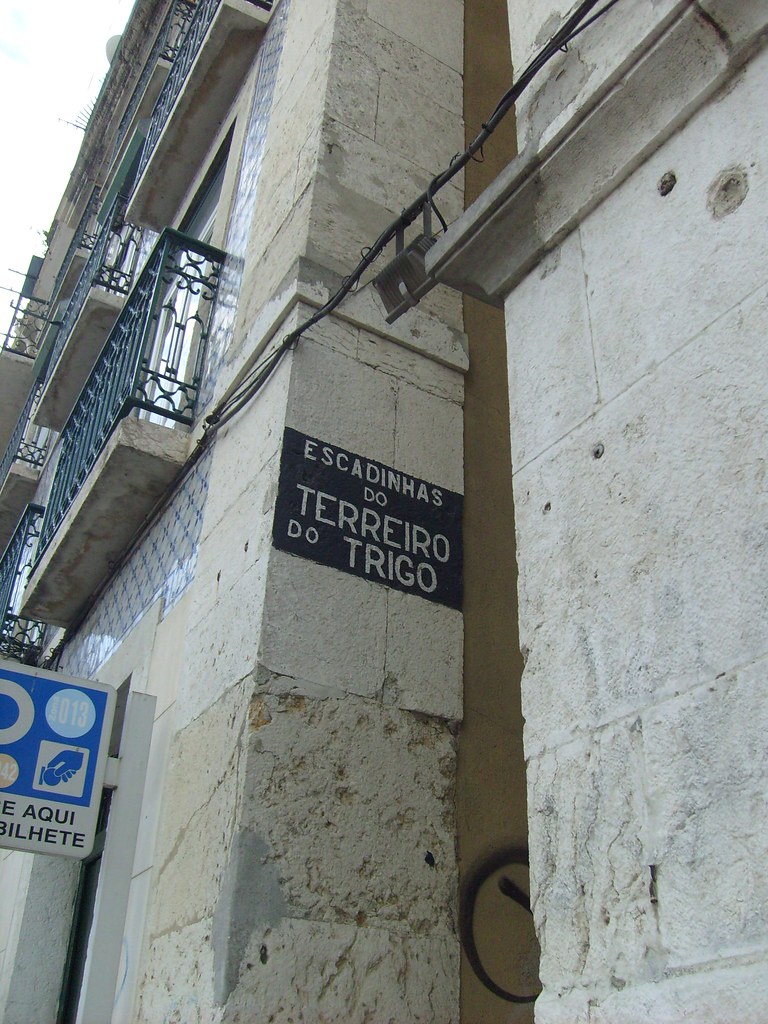
"Folding the corner from the fountain of EL-King, to the Terreiro do Trigo, entering the Arc of the Rosary and found the Jewish Quarter. The Jewish quarter of Alfama stood on the present site of the Jewish Quarter Street: the area of Alfama is attached to the wall on the side facing the sea to the tower of San Pedro in 1379 there was a synagogue close shortly afterwards sent by D. Fernando, for this is in place to disrupt the prayers in the church of San Pedro.

Next to some major cities there were almost always the Judarias, or the Moorish quarter, and separate enclosures for private housing of the Jews and Moors tolerated in society. Since the use in the average age left clear traces in Lisbon on behalf of two public Rights of access: the Jewish and Moorish quarter (name still remains in the street to the National Wheat) was finally within another haul of the wall, and so did the other the Judiaria Kingdom within the area bounded by walls.

It is here that was born in 1929 to the current House of Fado "Heart of Alfama" this house, formerly was known for the Tavern "Chico's deep pit" where, besides the eat traditional dishes at the same time is politically convivia. In fact it was here that the workers met to discuss and make anti-propaganda. There are testimonials from residents Alfama in themselves.

Today, "Heart of Alfama", typical restaurant, offers evenings of fado to customers who visit us, this is where the star is at the time that passes ... that the nights are unforgettable in coexistence between the flavors of traditional Portuguese food and good fortune." Tune Here to here a bit on typical fado music :)


Old Quarter Description

"(Local Name: Alfama) Located on the southeastern slope of the hill crowned by Castelo de Sao Jorge is Alfama, Lisbon's oldest quarter, which sufferred only slight damage in the 1775 earthquake. Visitors will find the unique atmosphere prevailing in the streets and alleyways of far greater interest than individual buildings.

Some houses in this quarter still stand on foundations dating from the times of the West Goths, but the whole structure of the area was essentially shaped by the Arabs. Although no houses remain from this era, the confused arrangement of its maze of streets and alleyways does. The name Alfama is also derived from Arabian origins and probably evolved from the word al-Hama, the name of
the thermal spring which once bubbled here.

Moors, Christians and Jews lived in the old quarter. Rua da Judiaria recalls one of its three former Jewish ghettos. Today it seems almost inconceivable that during the Middle Ages Alfama was once a respected, rich quarter where prosperous members of the bourgeoisie and aristocrats lived. From the 16th C. mainly fishermen, craftsmen, workers and sailors settled here, while in the 18th C. the area was temporarily regarded as a center of prostitution. Regarding higgledy piggledy Alfama the rational planning minister Pombal is supposed to have said that Lisbon could really do with a second earthquake.

Travel guides of the 19th C. paint a picture of an extremely gloomy, dirty and depressing area. Reference is made to the many cases of tuberculosis and the ever present danger of epidemics which arose as a result of unhealthy living conditions. Today the poorer classes continue to live here, mainly in houses in need of renovation. Insufficient heating, or a complete lack of it, and draughty walls in the small, closely built flats, where little sunlight penetrates, ensure poor living conditions, especially in winter. At present some of the houses in the inner city are being renovated as part of a redevelopment scheme.

To maintain the structure of the population that has evolved within the quarter, drastic rent increases are being avoided as much as possible. Even the inhabitants themselves pay attention to whoever becomes the next tenant of a flat which has become available.

This old quarter appears very picturesque to visitors in the summer. As the city of Lisbon is fully aware of Alfama's attraction to visitors, it gives financial support to the maintenance and improvement of the quarter's facades. Wandering through the labyrinth of winding alleyways, small archways and little flights of steps, many idyllic and picturesque corners are encountered.

Bright washing flaps in front of colorful house fronts, canaries sing from their cages hanging from windows and doors, numerous flower pots compensate for the lack of greenery in the streets. On warm days the shade offerred by the densely built houses explains the reasoning behind this style of construction.

Alfama's structure is such that few cars can enter there, emphasising the feeling of having been transported to a different time. Correspondingly, the atmosphere in the quarter is considerably defined by the different noises and smells. Life is lived for the most part on the street. The many tourists who stream through Alfama in the summer are tolerated in a serene and friendly manner.

In the evenings fado, the kind of music which was particularly popular in the 19th C., can be listened to in bars provided specially for tourists.

The route into Alfama leads via Rua Augusto Rosa/Rua do Limoeiro past the Sé Patriarchal and the Igreja de Santo António da Sé to the Santa Luzia viewpoint.

One of the "entrances" to the quarter, via the steps of Rua Norberto Araújo next to the Igreja de Santa Luzia, is located here. From the Tagus, a tour around the Largo do Terreiro do Trigo can begin through the Arco do Rosário."[*]

20/10/2008

#294 - Alfama XXXIX


18/10/2008

#292 - Alfama XXXVIII


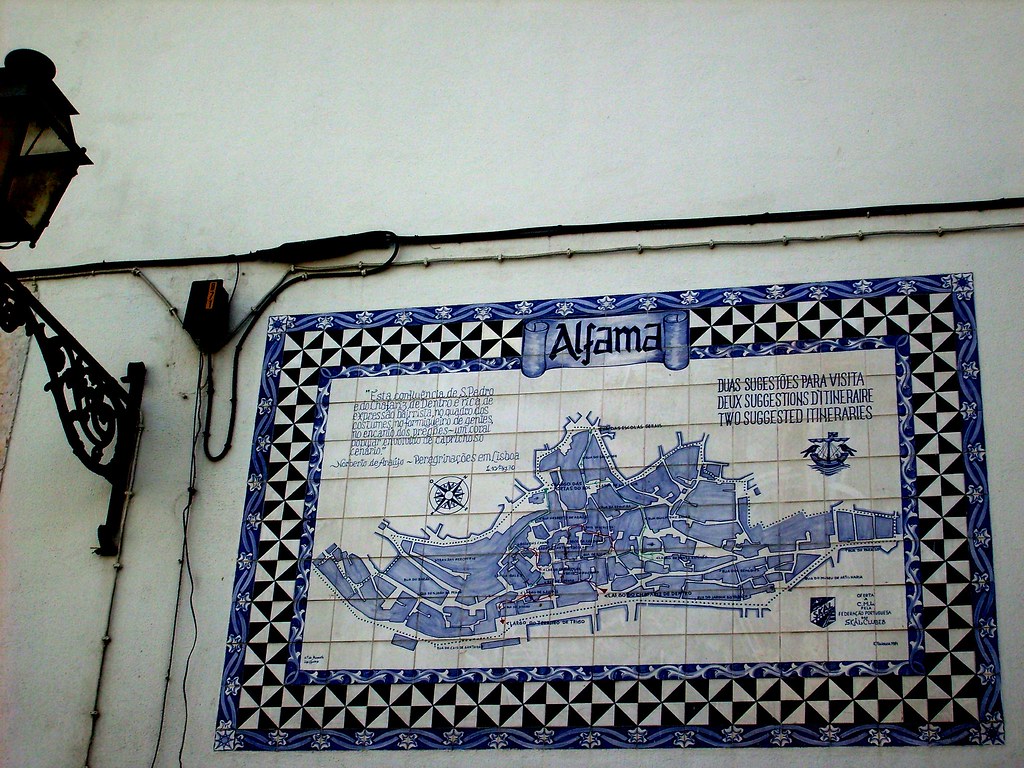
Panel suggesting two itineraries to visit Alfama


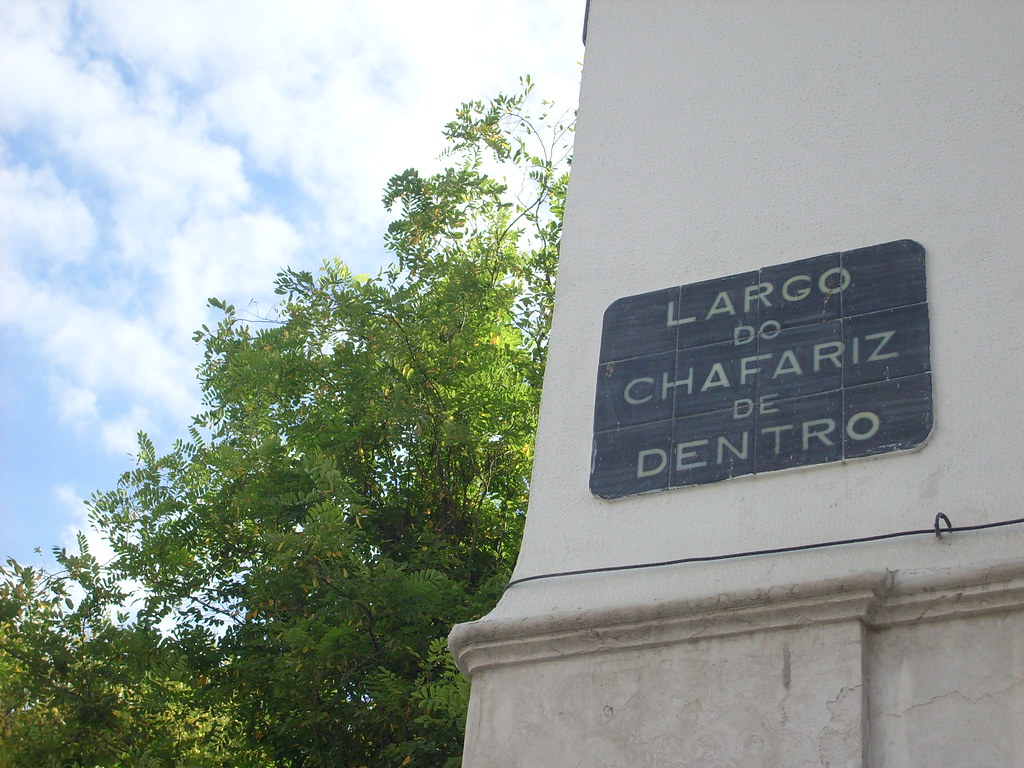
On the Largo do Chafariz de Dentro is located the unobtrusive fountain of the same name. It was called Chafariz de Dentro (inner fountain) as it was unusually positioned, i.e. within the old city walls. Originating from the 14th C., it once also bore the name "Horses' Fountain", as the gargoyles portrayed two bronze horses heads. These were stolen in 1373 by Spanish troops. The fountain was built in its current form in 1622.[*]

Already we knew there was a section of the cerca Fernandina in the Largo do Chafariz de Dentro, but never imagined they were there of the importance of the buried objects that have recently been found by archaeologists of the Department of Archeology Museum of the City with the support of the Office of Project of Alfama. The wall, built between 1373 and 1375, is scrapped in 1765 for the construction of the building of Customs. During the nearly four centuries, the inhabitants of Alfama were leaving many traces that are recovered and now studied by archaeologists. In several layers of soil analyzed, there were remnants of food and objects that can make a more accurate picture of Lisbon, then, especially the second half of the sixteenth century, when the city was the capital of an empire on a global scale. These findings relate to everyday life, especially the dietary habits and practices and practices of day-to-day. Side by side are a mark of Alfama of fishermen and seafarers, but also from a noble Alfama. One example is the large number of Ming porcelain from China, the Italian ceramics or even a tooth of marfim. It is not common to find such objects in archaeological excavations in Lisbon. Moreover, the Largo do Chafariz de Dentro is especially rich in discoveries. According to officials of the Department of Archeology Museum of the City in two and a half years found that more material off than in all other works made in Alfama. The work of archaeologists does not end here. This is followed by a lengthy treatment of materials, which should lead to further scientific studies and work to disseminate among the population at large. Given the quality of some objects it is expected to integrate the permanent exhibition of the Museum of the City.[*]

(Sorry, but I didn't shoot the fountain! LOL)

16/10/2008

#290 - Alfama XXXVII


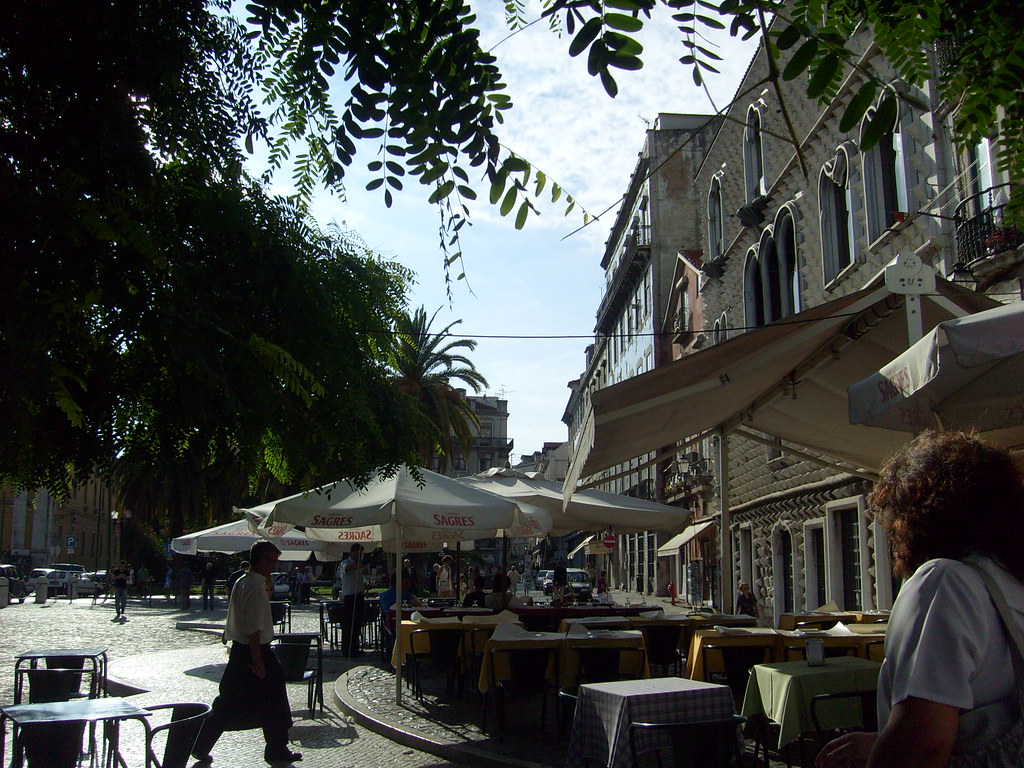
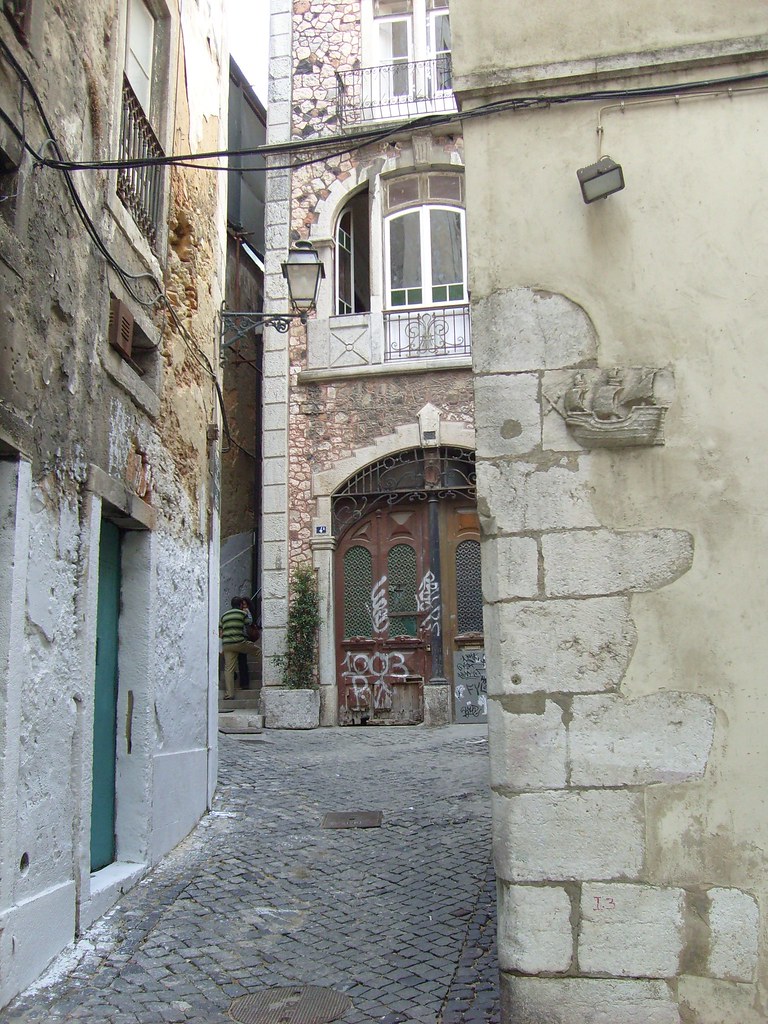
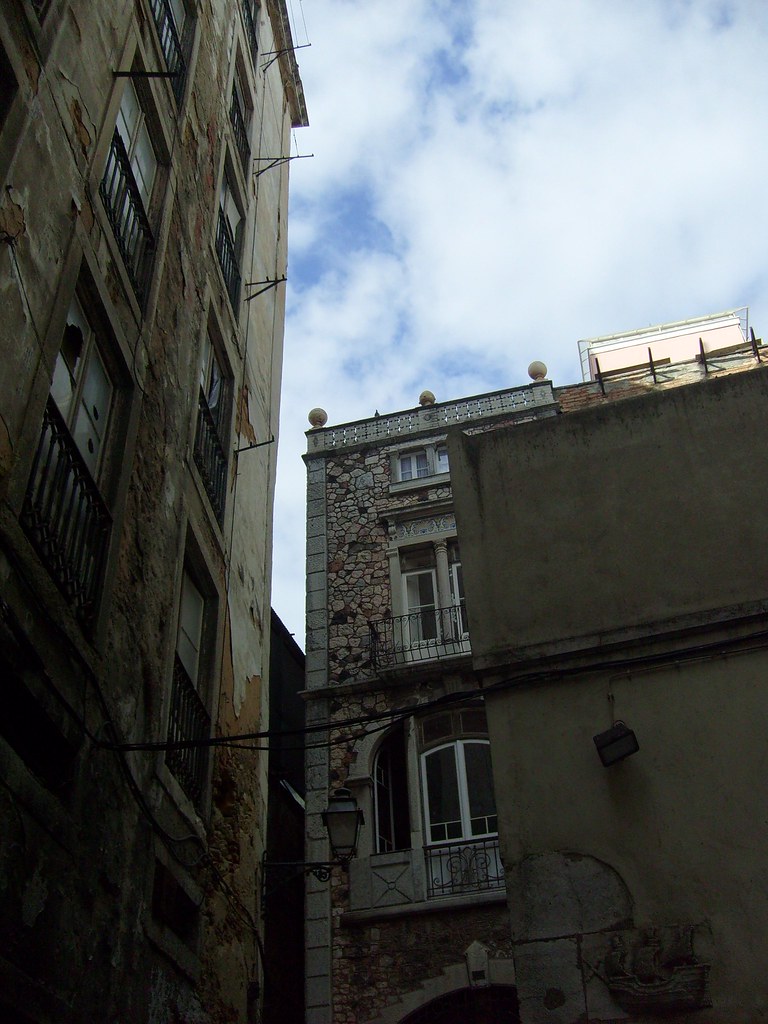
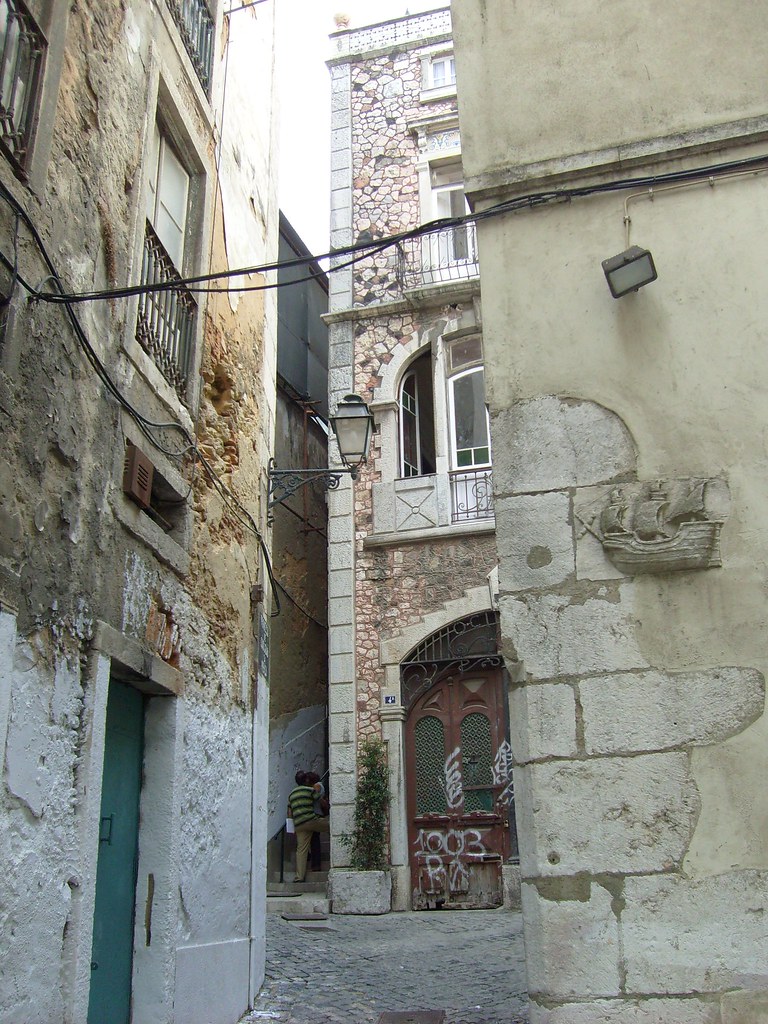
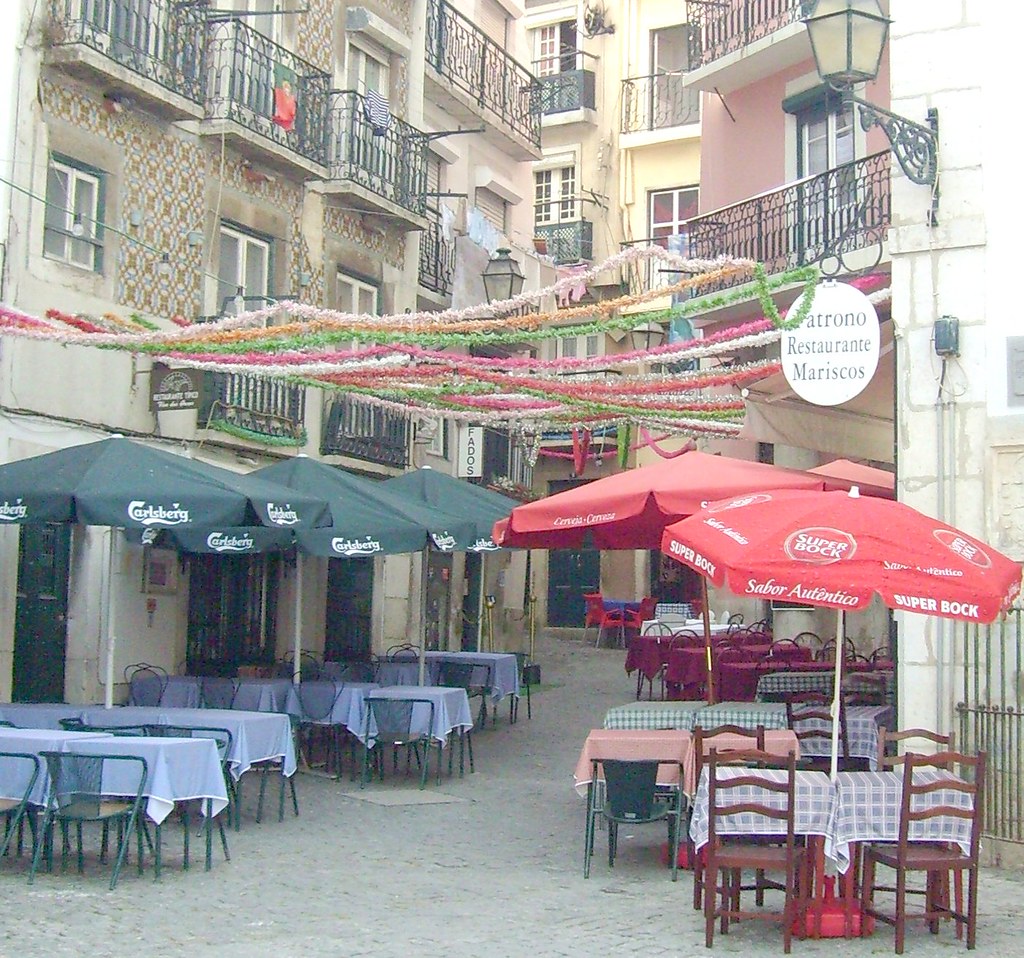
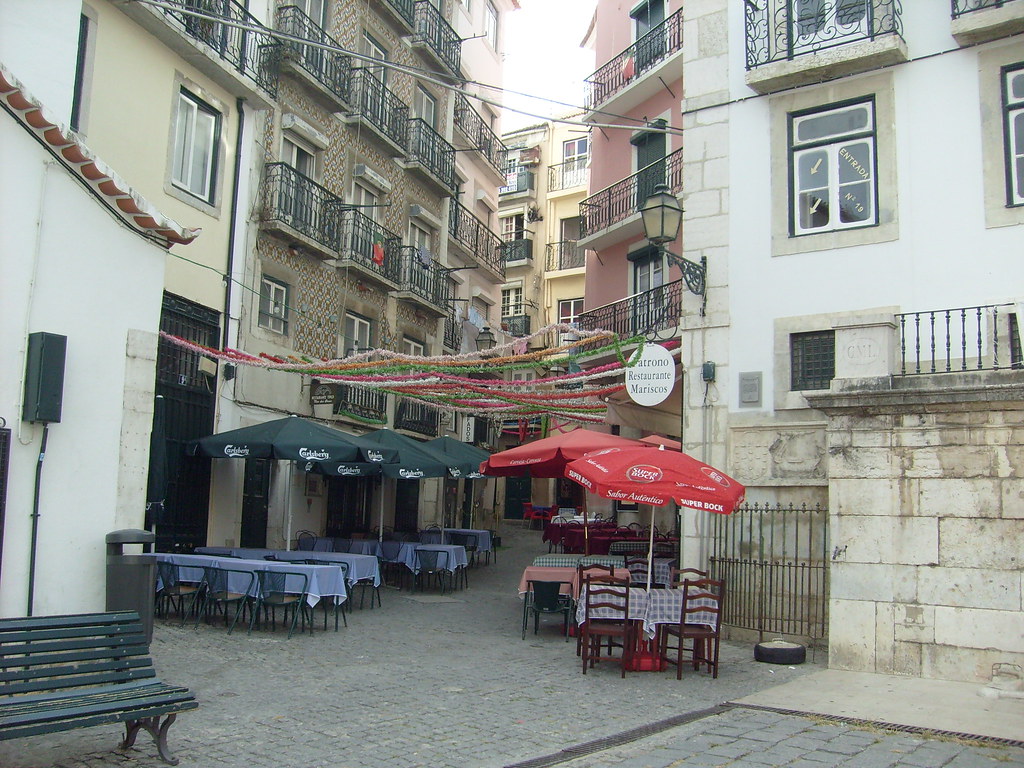
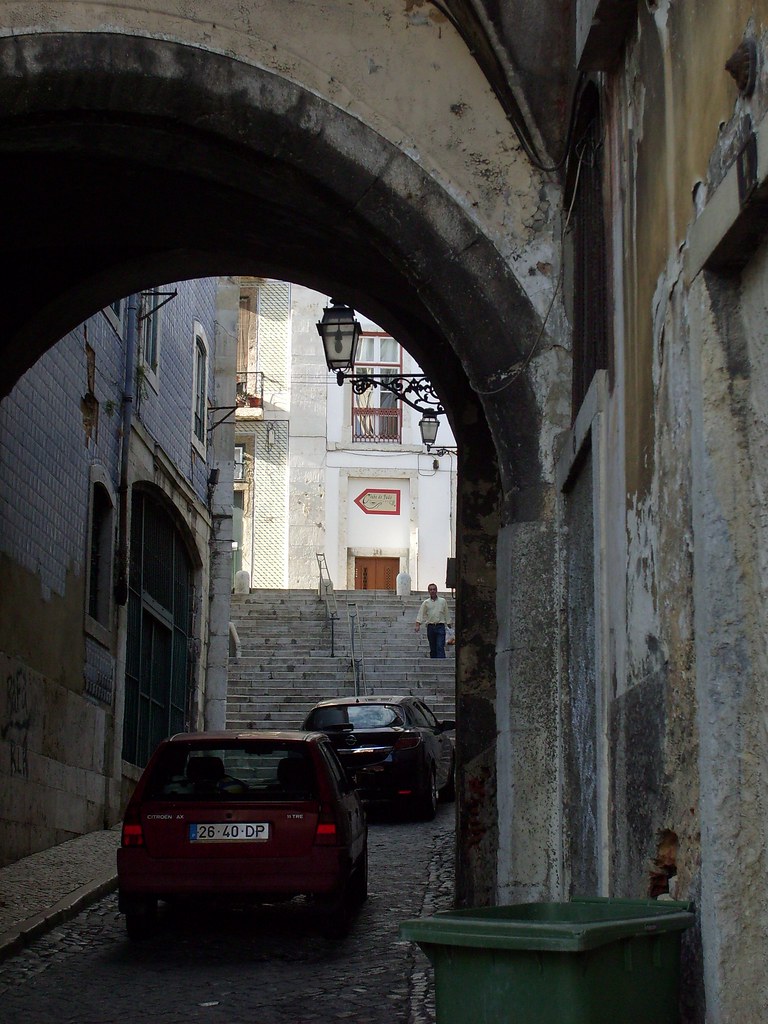
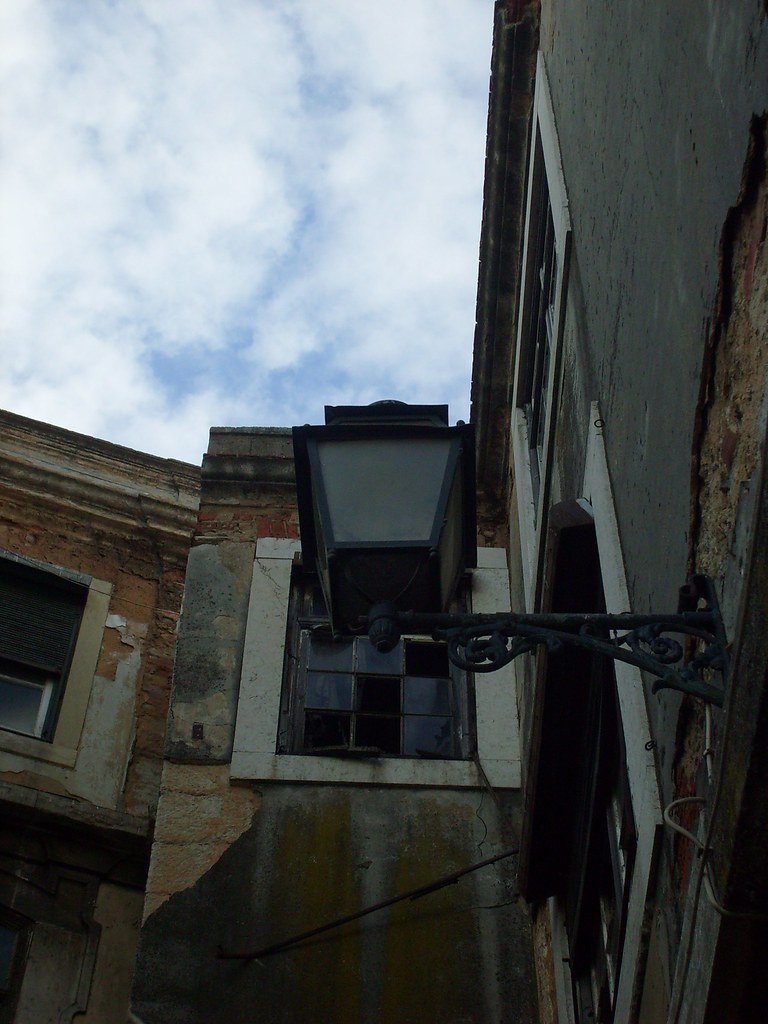
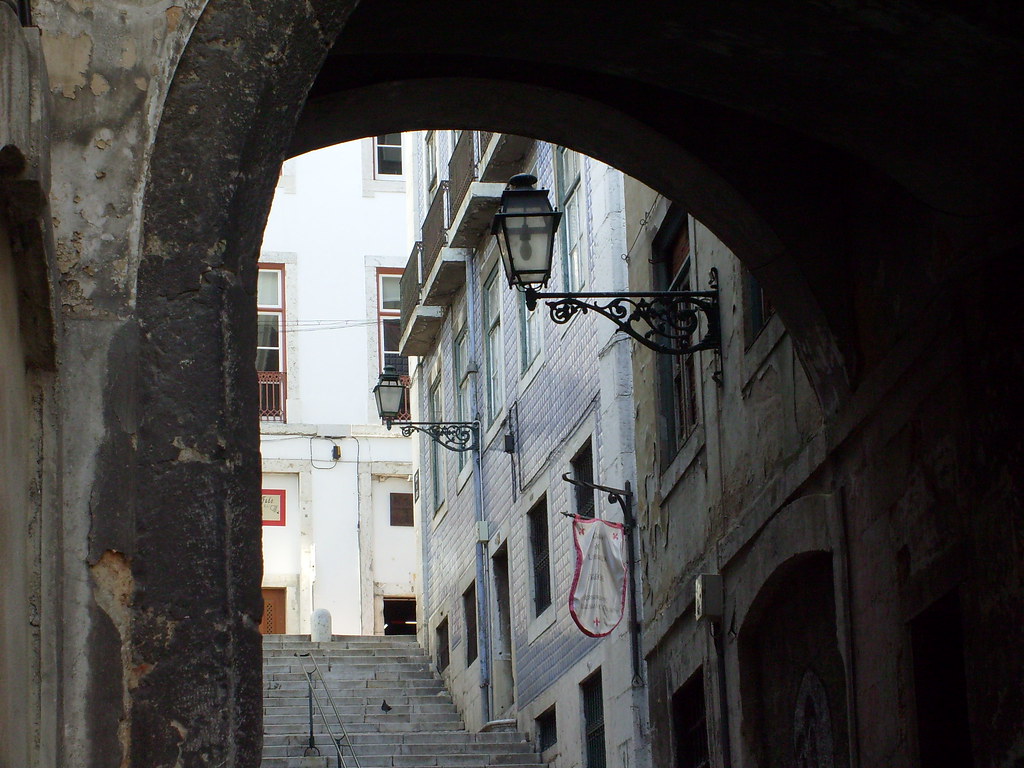
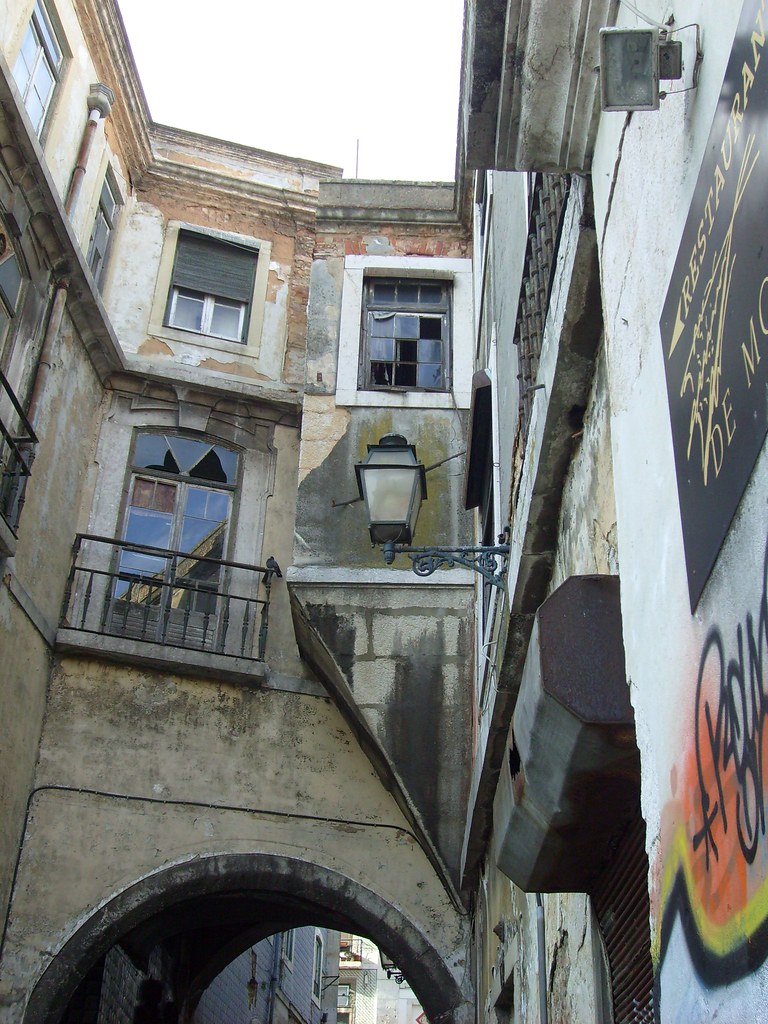
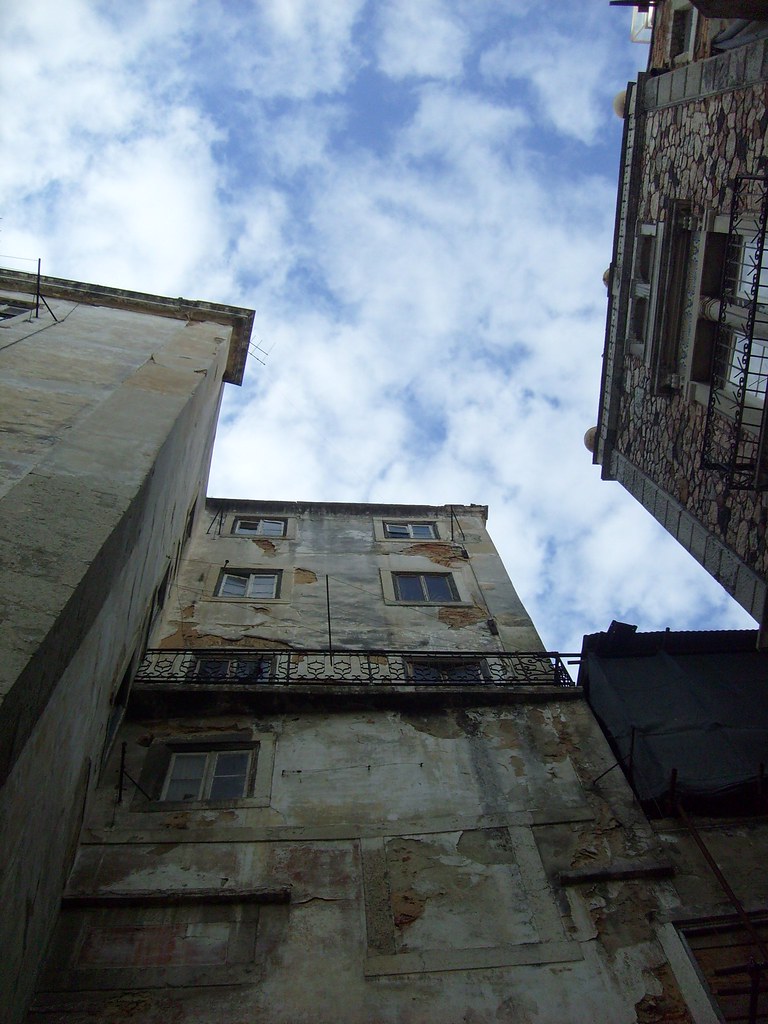
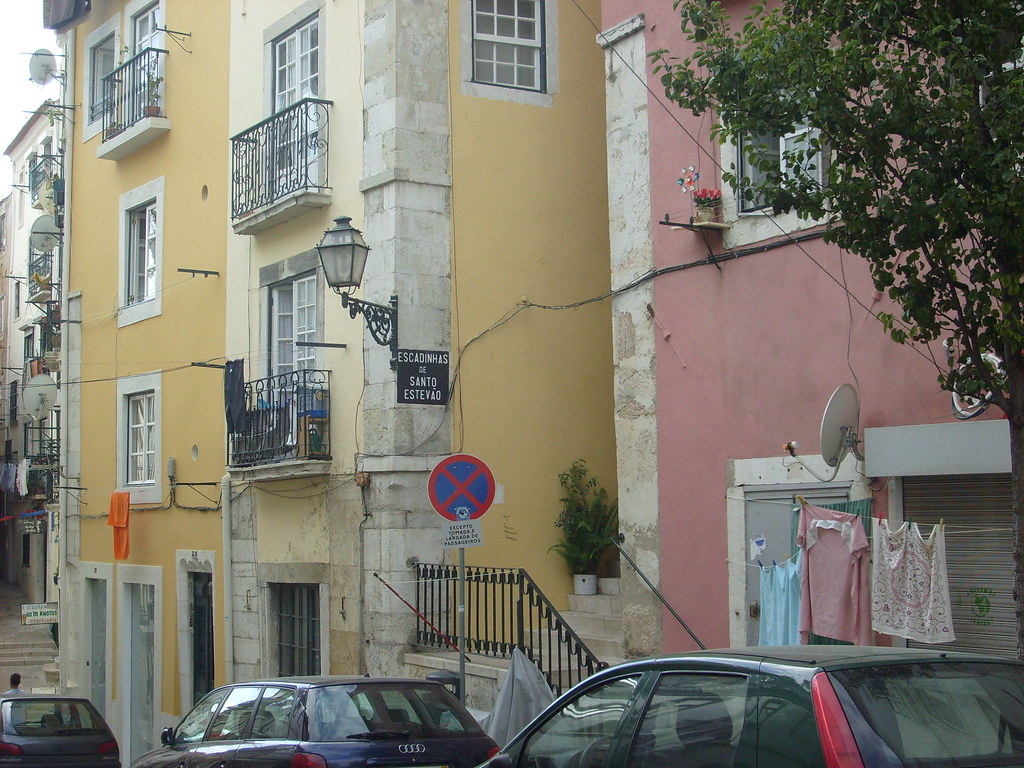
With its narrow passages and vantage points, Alfama is one of the oldest and most typical quarters of Lisbon that blends Roman and Moorish architecture. Its name Alfama has its roots in the Arabic Al-Hama, meaning springs or fountains. Like its name suggests, this neighborhood has distinctively Arabic influence, and it is incomparably different from Chiado’s European grid. Built on a rock-hill, this medieval quarter is the only neighborhood that survived the Great Earthquake of 1755. Once an upper-class Moorish residential, today is a working-class quarter packed with small grocery shops and restaurants. The best time to visit is during Festas dos Santos Populares in June. [*]

14/10/2008

#288 - Alfama XXXVI


12/10/2008

#286 - Alfama XXXV


11/10/2008

#285 - Alfama XXXIV