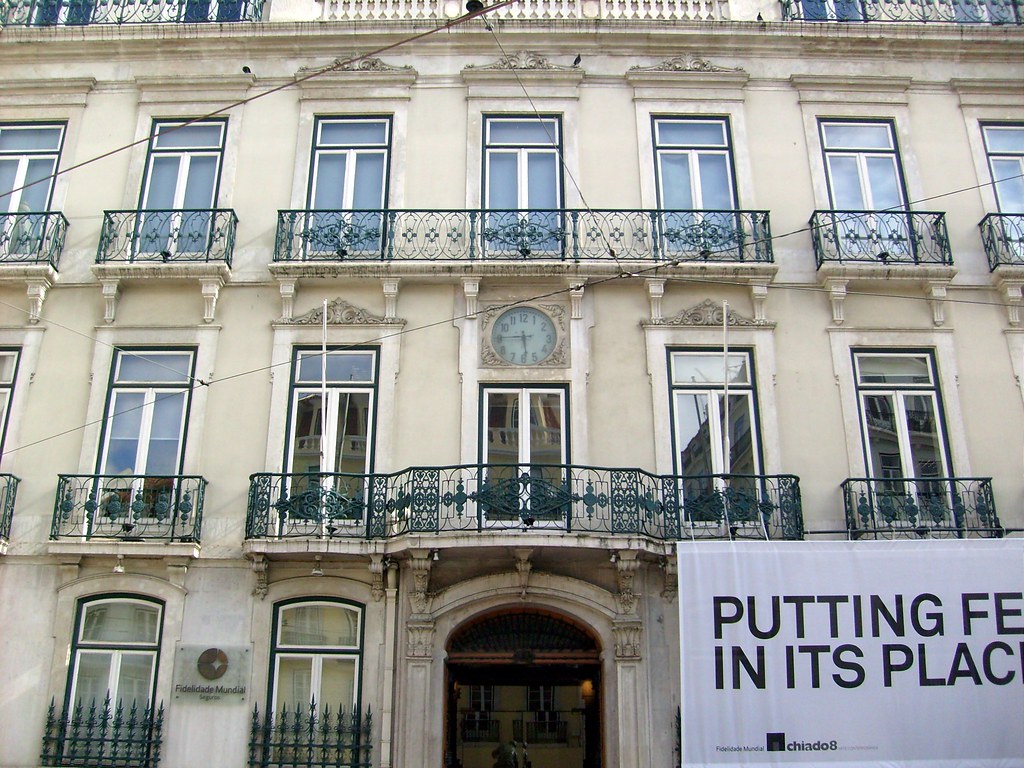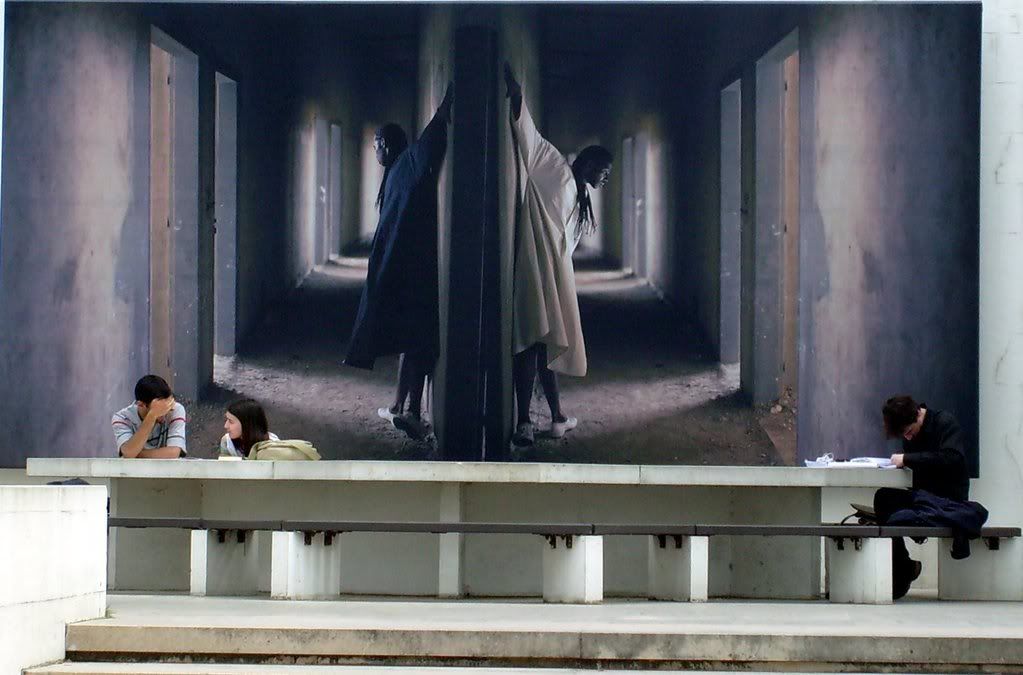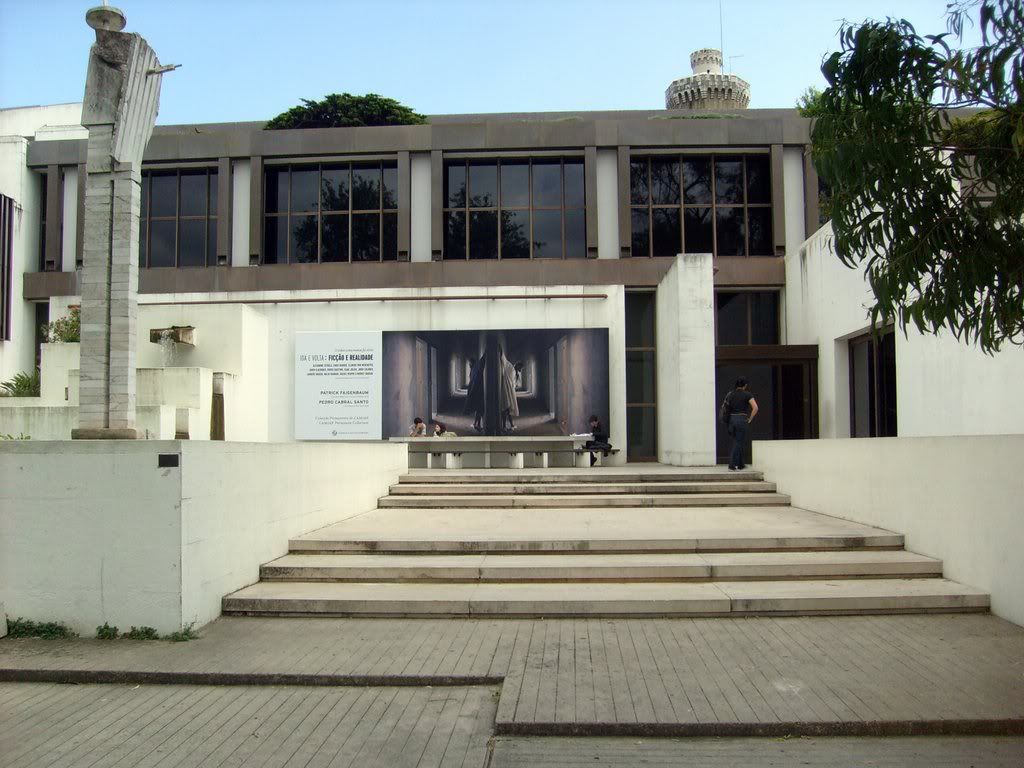
Chiado 8 Contemporary Art, opened in January 2002, is a project of Loyalty World Insurance Company, which, taking advantage of the location of one of its central buildings, decided to participate in efforts to rehabilitate the Chiado by creating a space of disseminating contemporary art.
24 MAY - 15 JUL 2008
"Putting Fear in its Place" is the title of the new individual exposure of Alexandre Estrela, a presentation in Chiado Area 8 in Lisbon, included in the programme by commissioner Ricardo Nicolau. It belongs to the generation of artists who said during the decade of 1990, Star has since developed a broad and consistent work marked by a profound reflection on the procedures for production of the image and its reception.
ESPAÇO FIDELIDADE MUNDIAL CHIADO 8 - ARTE CONTEMPORÂNEA
Largo do Chiado, 8
1249-125 LISBOA
17/07/2008
#199 - Chiado Area 8
11/05/2008
10/05/2008
08/05/2008
04/05/2008
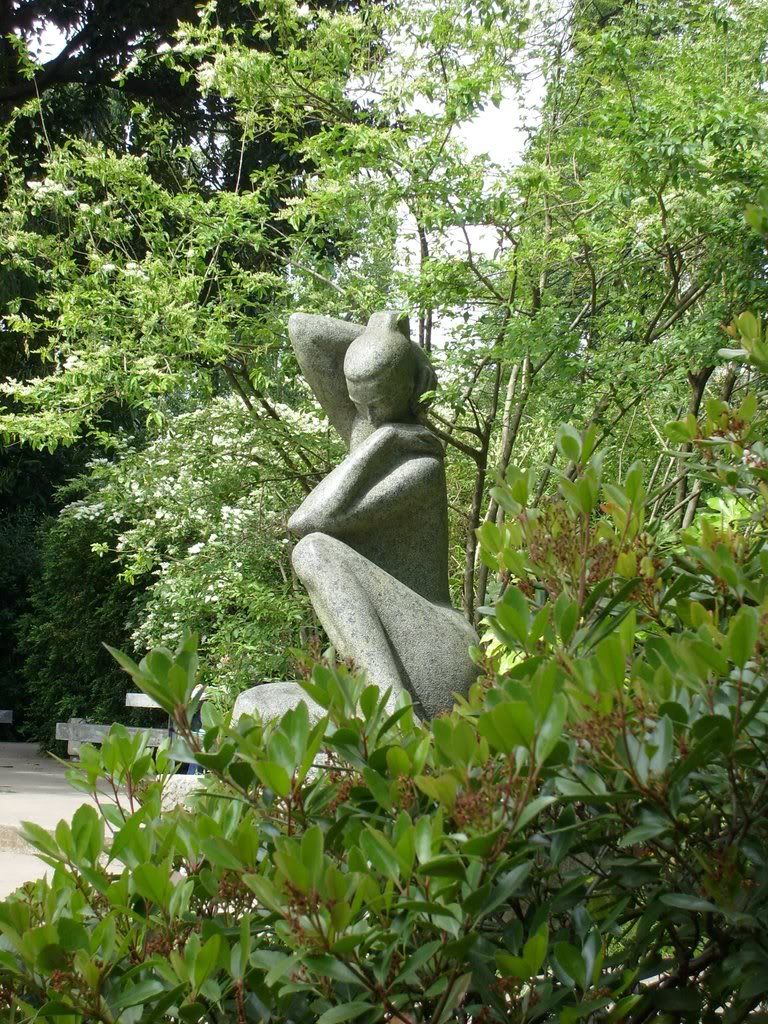
#125 - Gulbenkian Series III


03/05/2008
26/04/2008
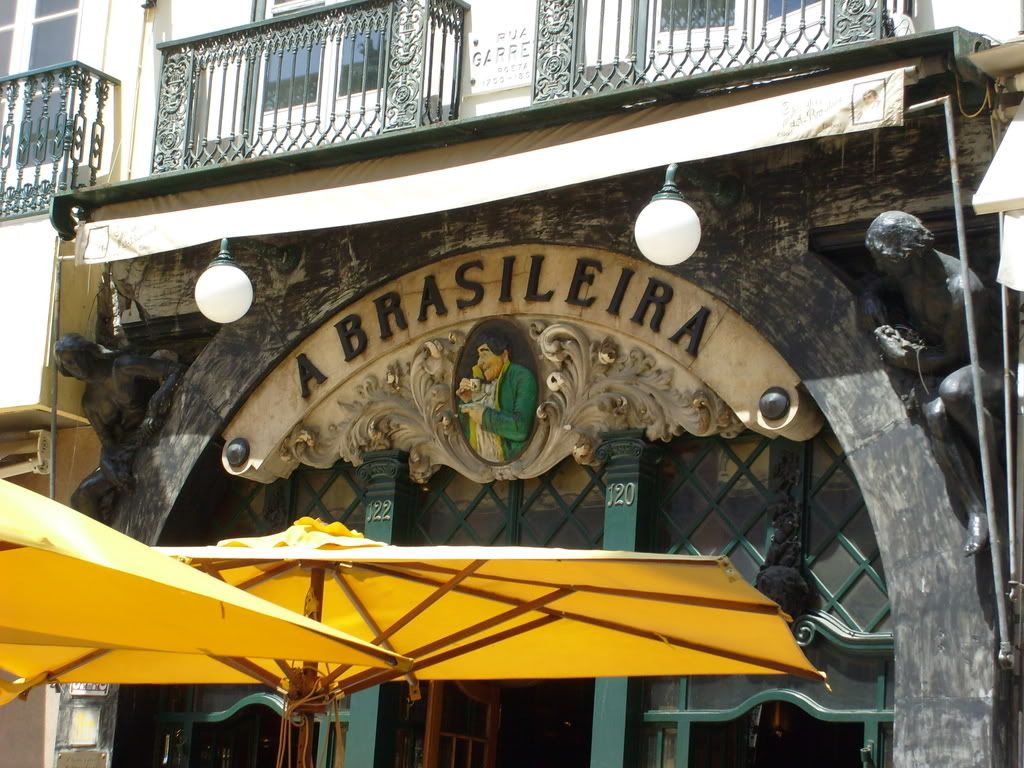
#118 - A Brasileira


"A Brasileira (Portuguese for "The Brazilian Woman") is one of the oldest and most famous cafés in Lisbon. It is located 120 Rua Garrett, on the Chiado Square (Largo do Chiado), in the Chiado district, near the Baixa-Chiado metro stop.
A Brasileira was opened by Adriano Telles on 19 November 1905 as a shop selling "genuine Brazilian coffee" from Minas Gerais state. A shopper who bought a kilogram of ground coffee, for 720 reis, was entitled to a free cup of coffee. It was the first shop to sell the "bica", a small cup of strong coffee, similar to espresso. It was remodelled in 1908 and again in 1922, concentrating on selling drinks. It was decorated in Art Deco style, with a green-and-gold entrance and an interior with wooden booths, mirrored walls, brass fittings, and a long oak bar.
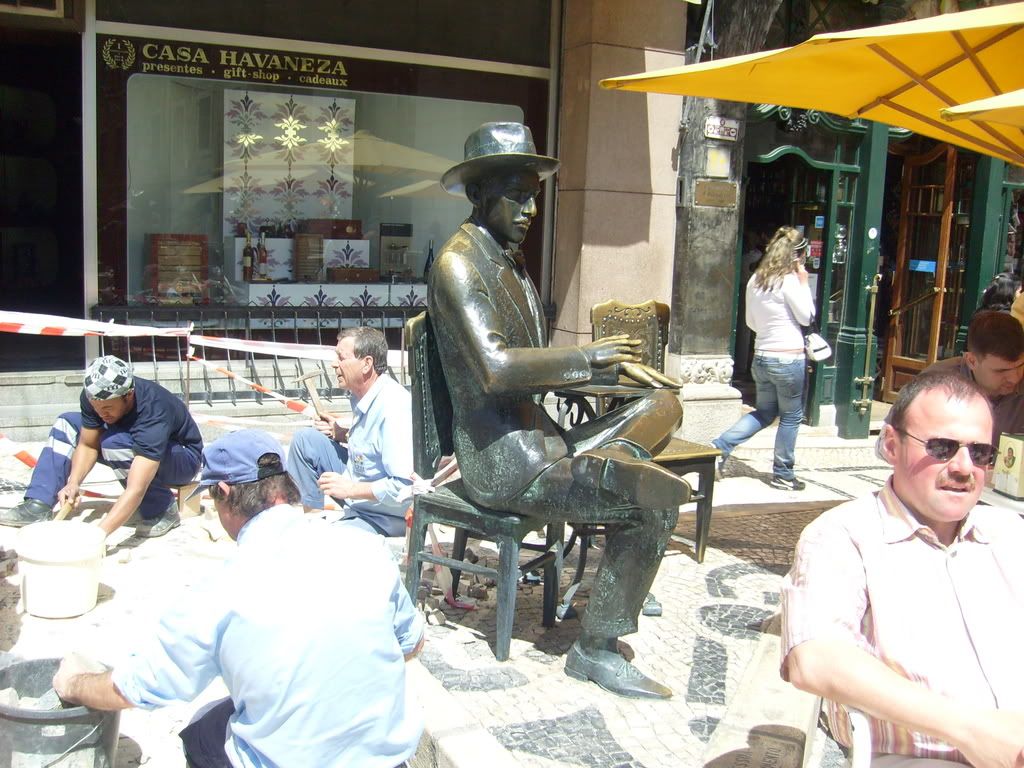
It was a favoured haunt of intellectuals, including Portuguese poet Fernando Pessoa, and writers Aquilino Ribeiro and Alfredo Pimenta. A bronze statue of Pessoa by sculptor Lagoa Henriques was placed outside the café in 1988 (although his favoured café was Martinho da Arcada on the Praça do Comércio, which was founded in 1782). An early proprietor allowed painters to hang their works on his wall. The interior was refurbished in the 1960s, when paintings by José de Almada Negreiros and other prominent artists were moved to the Centro de Arte Moderna (now Chiado Museum).
It is a popular tourist destination, and prices are high. "
From Wikipedia
11/03/2008
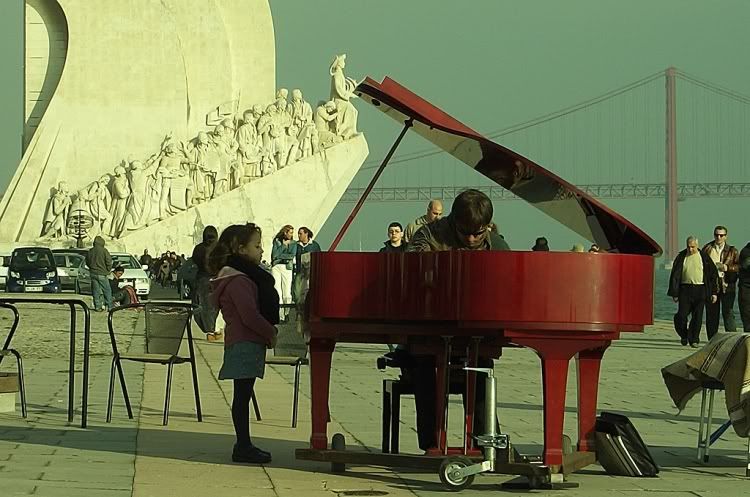
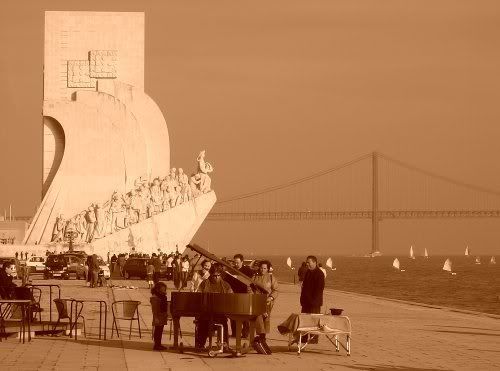
#71 - Please, play once more...


(all photos from Paulo Santos)
... asked Sailor Girl to a cute pianist named George Townboy. He hypnotized all with his music and charm at Padrão dos Descobrimentos.
(Yes, he's cute!)
The names have been adapted, they are not real :)
08/03/2008
07/03/2008
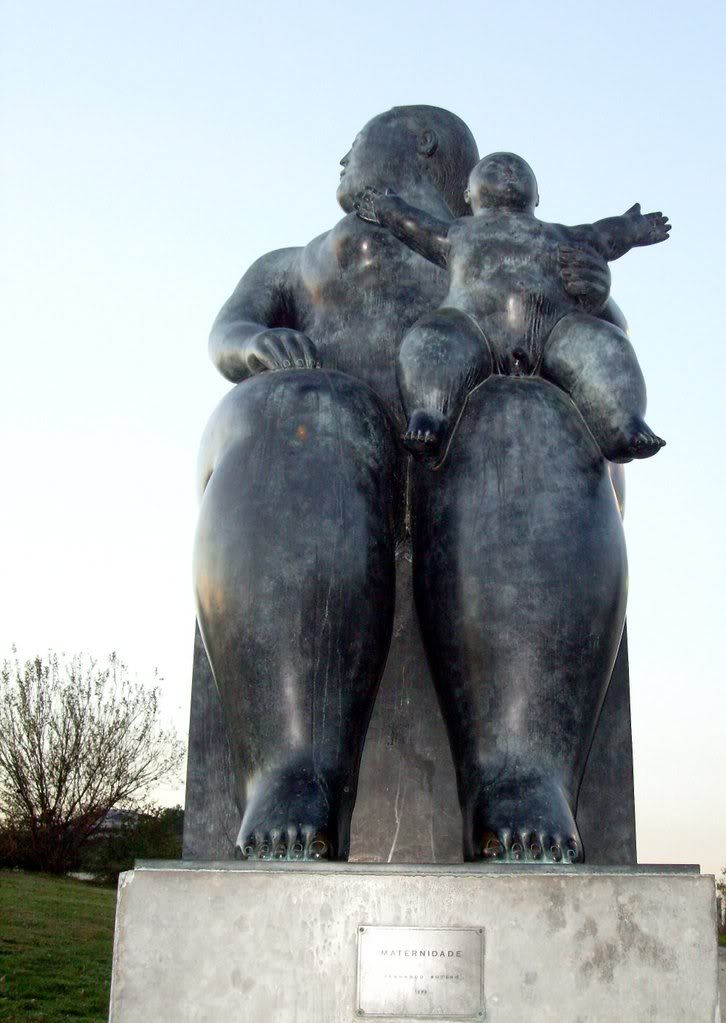
#67 - Big & Beautiful


03/03/2008
23/02/2008
20/02/2008
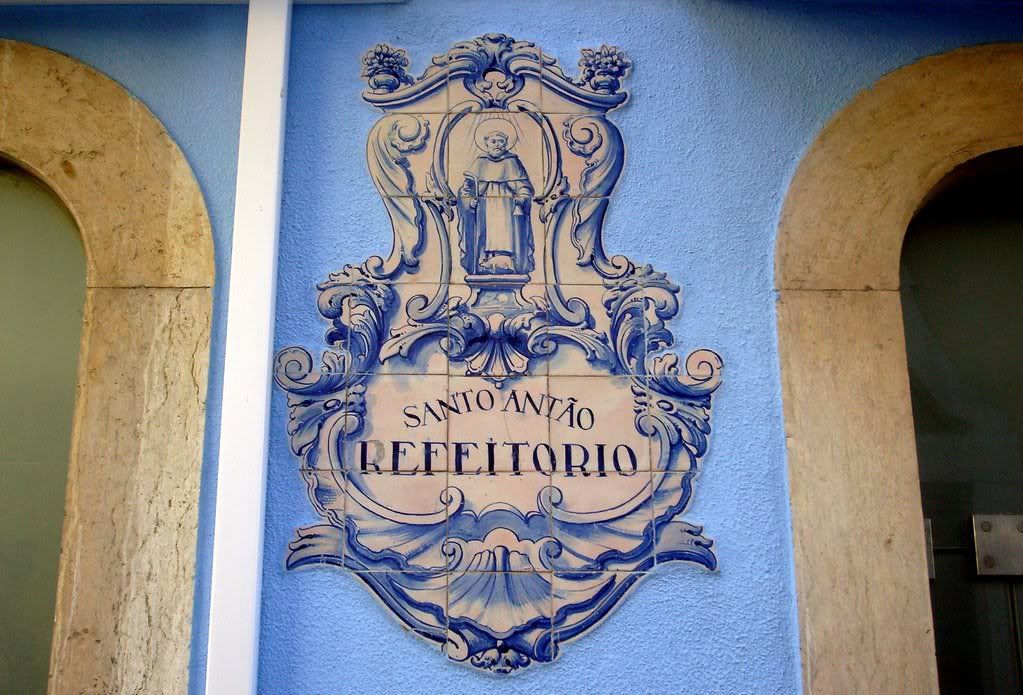
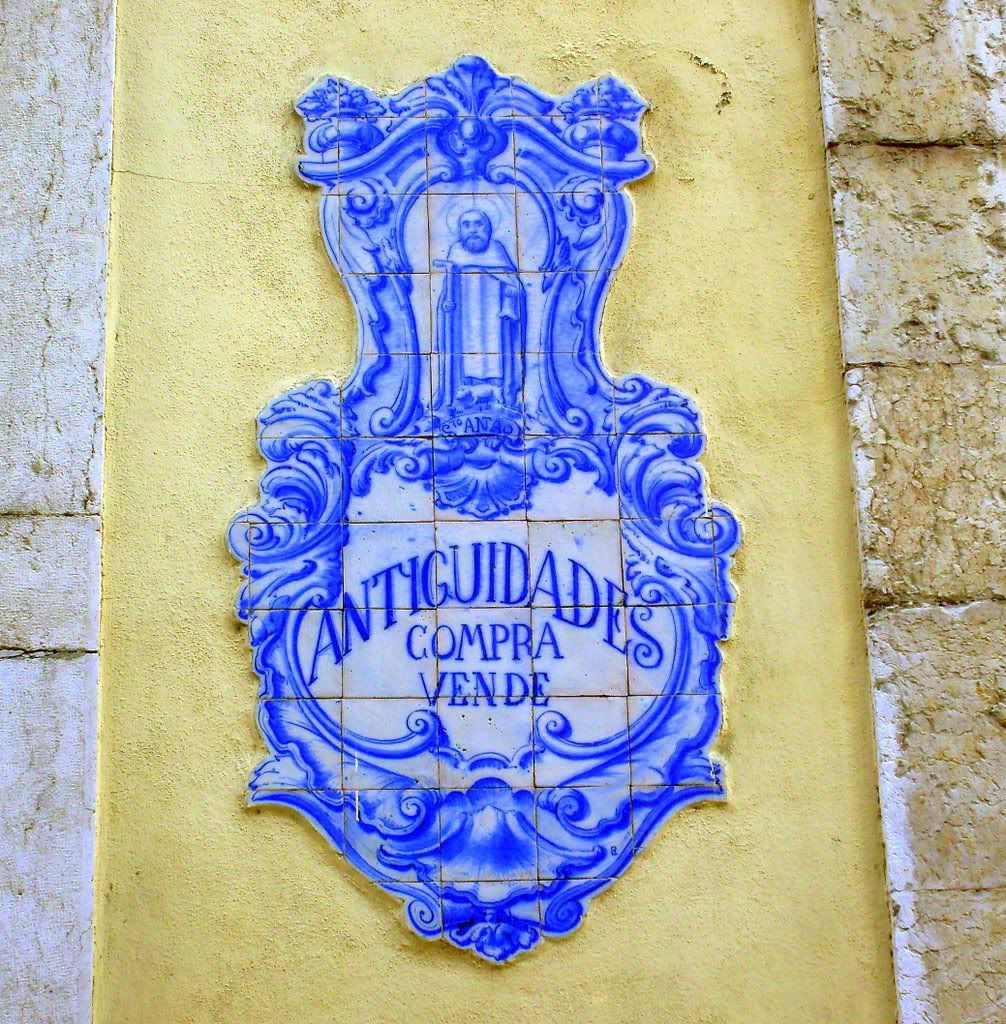
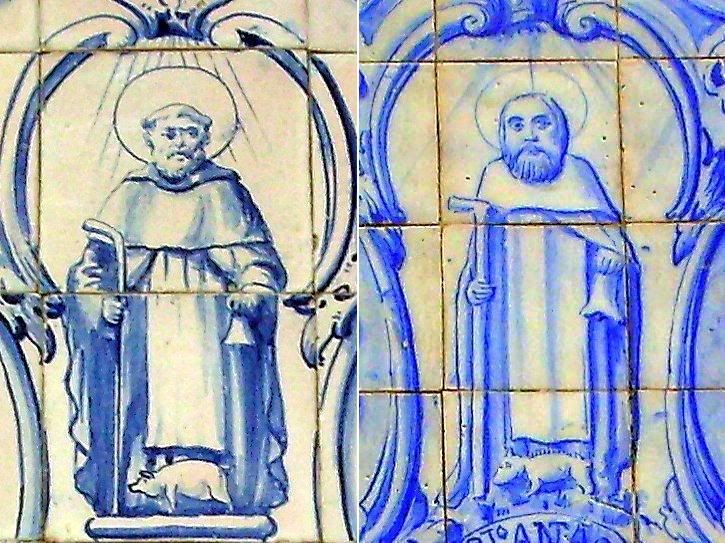
#51 - Santo antão


"Santo Antão was one of the founders of the monastery and is also called Anthony of Egypt. He was born in Fayum, in Egypt near Heracleopolis Magna in 251. Anthony went to a mountain in Pispir (now Deir el-Memum) and was there in a solitary life for 20 years. In 305 DC, Anthony emerged with great force and health. He was with the eremitas for 5 years, regulating the community work, prayers and penitence. Then he went to a desert between the Nile and the Red Sea, in a place called Mount Kalzim. A monastery, called Diem Mar Antonios, was erected on this site. This period of incarceration was not so restricted as the previous, because Anthony went to Alexandria in 311 comfort the martyrs of persecution that was happening at the time and he returned years later to argue vigorously against heresy ariana side by side of St. Athanasius of Alexandria . Antônio not alone in the desert. He had company and disciples. Anthony became known as a good man generous, courageous, with good sense and fair without any excess and ostentation. St. Athanasius has the credit of having done a biography of Anthony account that the details of their trials, suffering and miracles. Anthony was a friend of Sao Paulo, Thebes, called the "hermit" which received half of bread per day crows. Does the tradition that when Antonio was visiting him, the crows brought a whole bread. The Emperor Constantine, the Great (323-337) was one of thousands who sought Antonio for lessons and inspiration. Anthony wrote several letters and sermons to young eremitas. The life of Antonio, described by St. Athanaius also saved many of the sermons and speeches of Antônio. A monastic rule dated from that era is credited as having their ideals, their thoughts and their beliefs. Antonio died on January 17 of 365 and was buried in a pit not marked as his request, but in its 561 relics were discovered and he was transferred to Alexandria, Constantinople. La Motte, the house matrix of the Order of Hospitallers of St. Anthony, founded in 1100, states that has its relics. However, the scholars believe the matter, that the relics of St. Anthony of Sarracenos have been saved in Constantinople (now Istanbul, Turkey) in 635 DC. Relics of this saint are also considered as being in Siena, Italy and Burngundy, France. He is the patron of several orders and the Knights of St. Anthony and also of the poor, the sick, the butchers and domestic animals. He is invoked against fires and pests. He died with on January 17, 356 with 105 years."

18/02/2008
#49 - History Lost

Front door
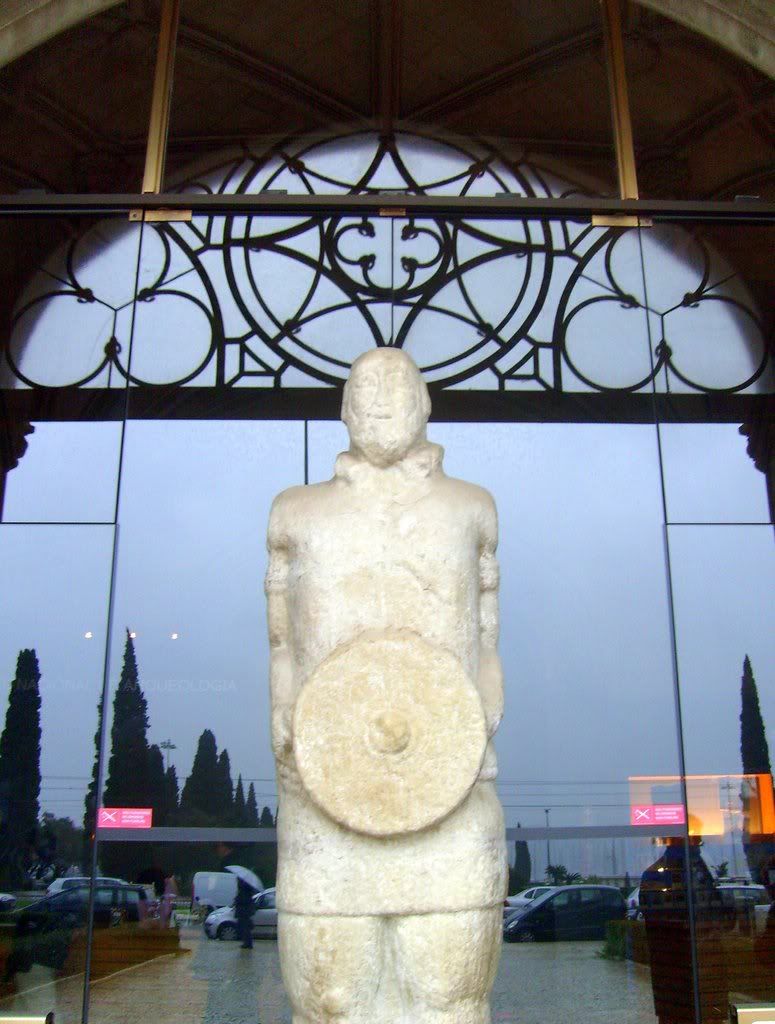
The National Museum of Archaeology "A centenary institution of Portuguese Culture" located in the Jerónimos Monastery .
Today’s National Museum of Archaeology (MNA) was founded in 1893 by Dr. José Leite de Vasconcelos. In more than a century of existence this Museum became a reference institution of Portuguese archaeology, with regular correspondence with museums, universities and research centres all over the World. The Museum’s collections gather the Founder’s first collections and those of Estácio da Veiga. Many other have been added, some come from other State departments (for example: archaeology collections of the old Portuguese Royal House, integrated in the Museum after the settlement of the Republic; archaeology collections of the former Beaux Arts Museum, incorporated when today’s National Museum of Ancient Art was created; etc.), another ones come from donations or legacies of collectors and devoted friends of the Museum; others come from the intense field work activity developed by the Museum or by other archaeologists; another ones from government dispatches, within the law, whenever archaeological finds in the Country are thought of national value.Besides the exhibitions, the Museum offers society (Portuguese and foreign) several other services. Conceived by its founder to be a kind of "Museum of the Portuguese Man", the MNA still follows the same basic vocation, that is, to account for the history of the settlement of our territory, from the beginning to the foundation of the nationality. It is the only institution in Portugal capable of doing it: because of its collections, its technical resources, its location in the Jerónimos Monastery (actual meeting point of nationals and foreigners), with special prominence to the schools from across the Country, which fully occupy the Museum's education department, yearly.
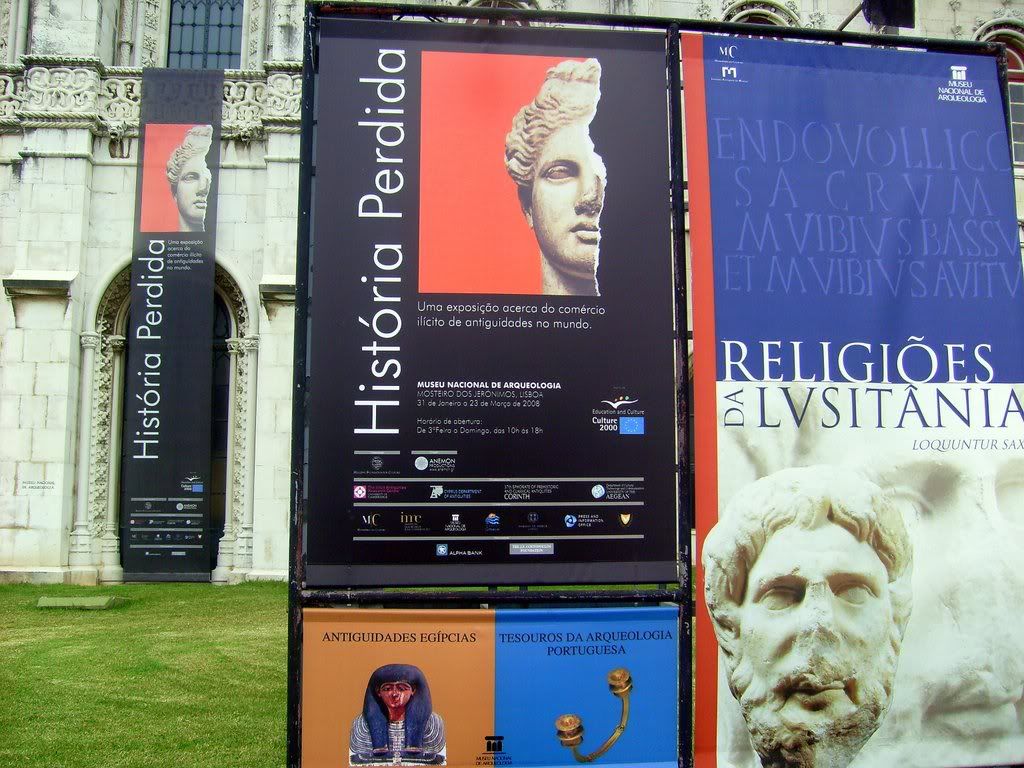
History Lost: An exhibition about the illicit trade of antiquities in the world.
Institutional organization: Hellenic Foundation for Culture.
Type of exhibition:International Cooperation Exhibition.
The removal of the Parthenon Marbles by Lord Elgin, in 1801, is famous. What is less well known is the extent of the looting of archaeological sites around the world today: that the majority of antiquities, which appear for sale on the art market, have been illegally dug and smuggled out of their country of origin.The steadily increasing number of museums in the U.S. and the rising demand for antiquities by private collectors in Europe, North America, Japan and Australia have exhausted the supply of legal antiquities. Few objects of the old collections, built up during the eighteenth century, are appearing on the market. The trade relies mainly on trafficking, theft and pillage. In contrast to the Elgin Marbles, the context and provenance of these objects will never be known. We will never know why they were created and what they have to say about our past. Taken out of context, they have lost their historical value. The escalating plunder of the world's archaeological heritage has not gone unnoticed by the international community. In 1970, UNESCO adopted the "Convention on the Means of Prohibiting and Preventing the Illicit Import, Export and Transfer of Ownership of Cultural Property". In 1972, after its ratification by four countries, the Convention went into effect. Today, 109 countries have adopted the Convention. The U.S. signed in 1983, Great-Britain in 2003.After the UNESCO Convention, museums, collectors and dealers still trading in antiquities of unknown provenance, began to use forged documents to cover their activities. As it was becoming increasingly difficult for western museums to buy antiquities, new large private collections were formed, containing previously unseen antiquities of unknown provenance. These collections, in turn, were exhibited, borrowed or bought by important museums in the West. Although the acquisitions made by large museums have been widely criticised, looting in Africa, Asia and Latin America has become more destructive due to the rise of art market prices. In Greece for example, due to the extensive looting of the Cyclades, we have lost the chance to find out more about the use and role of Cycladic idols and the history of these islands during the Bronze Age. Similarly, the destruction of Cyprus's cultural heritage intensified after the Turkish invasion. The antiquities trade spiralled out of control in the occupied northern part of Cyprus. It is estimated that 15,000 to 20,000 Byzantine icons, mosaics and wall-paintings have been stolen.
15/02/2008
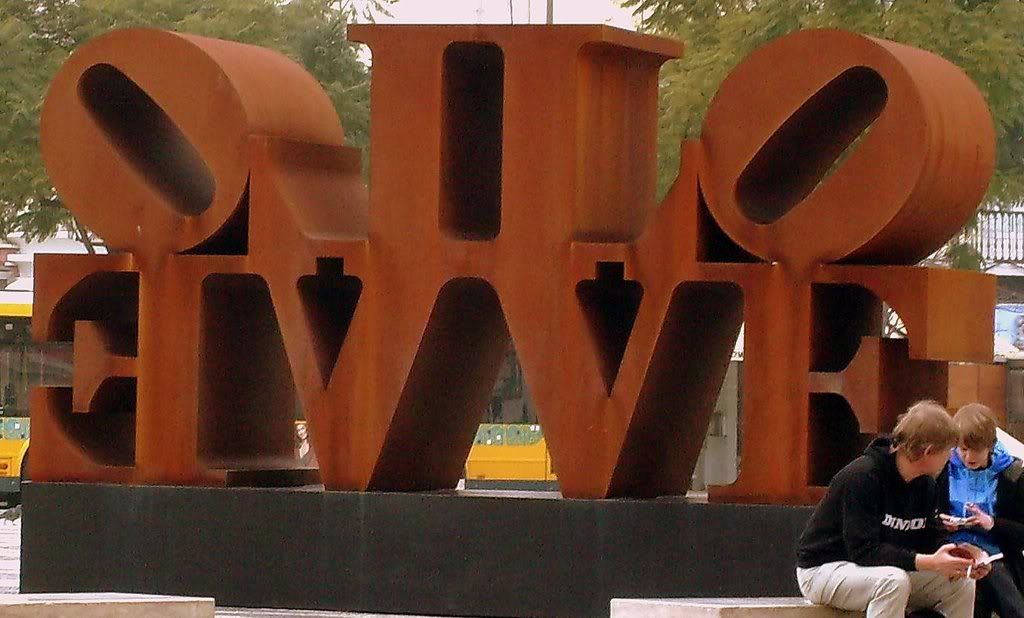
#46 - Love & Numbers

13/02/2008
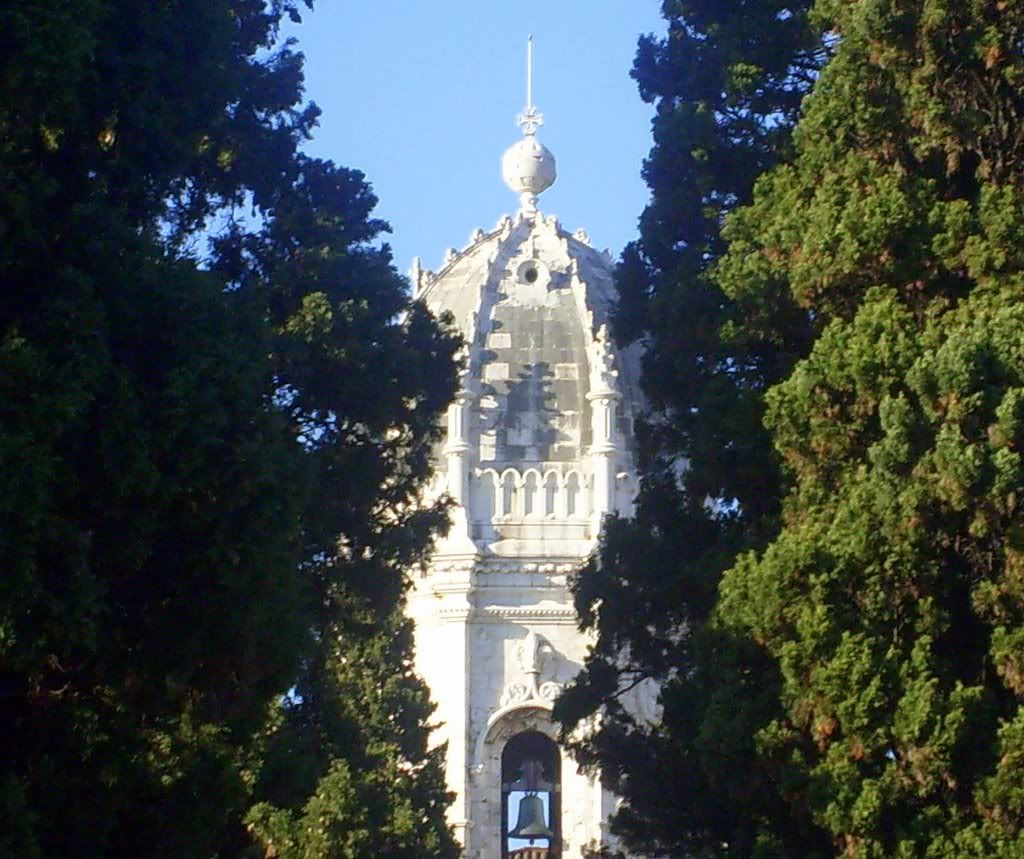
#44 - The rapprochement

The Jerónimos Monastery is generally referred to as the "jewel" of Manueline architecture. The unique and beautiful Manueline style draws together architectural elements of the late Gothic and Renaissance periods, and associates them with the symbols of the king, Christianity and the natural world.
King Manuel I poured large sums of money into the building of the Monastery at Belém. A good part of what was called the "the pepper tax" (approximately 5% of the receipts from the spice trade with Africa and the East, the equivalent of 70kg of gold per year) served to pay for the work, which, from the beginning, was strictly dependent on the King. In the 19th century architectural changes were made to the Monastery. These did not change its basic structure, but gave it the form we know today. A cupola bell chamber, the dormitory (today the Archaeological Museum) and the Chapter House were some of the places, which were, altered the most."
11/02/2008
#42 - Detailed facade of Museu Nacional dos Coches

The National Coach Museum is one of the most visited museums in Portugal and certainly of Lisbon."