Showing posts with label chiado. Show all posts

22/04/2009

13/04/2009

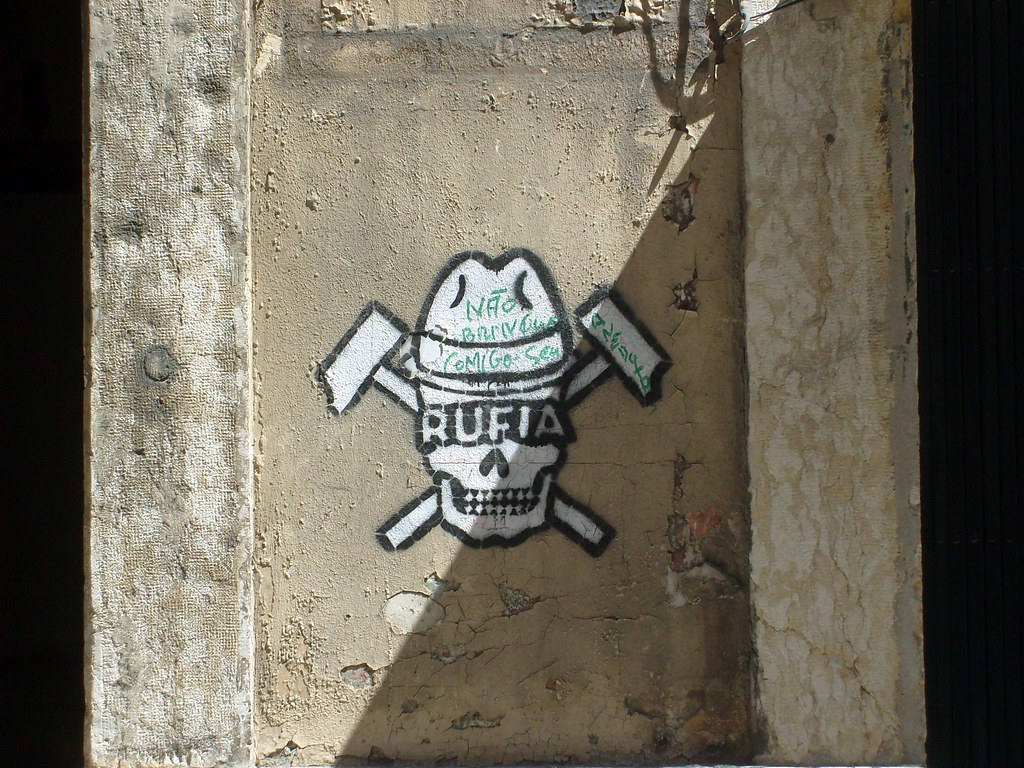
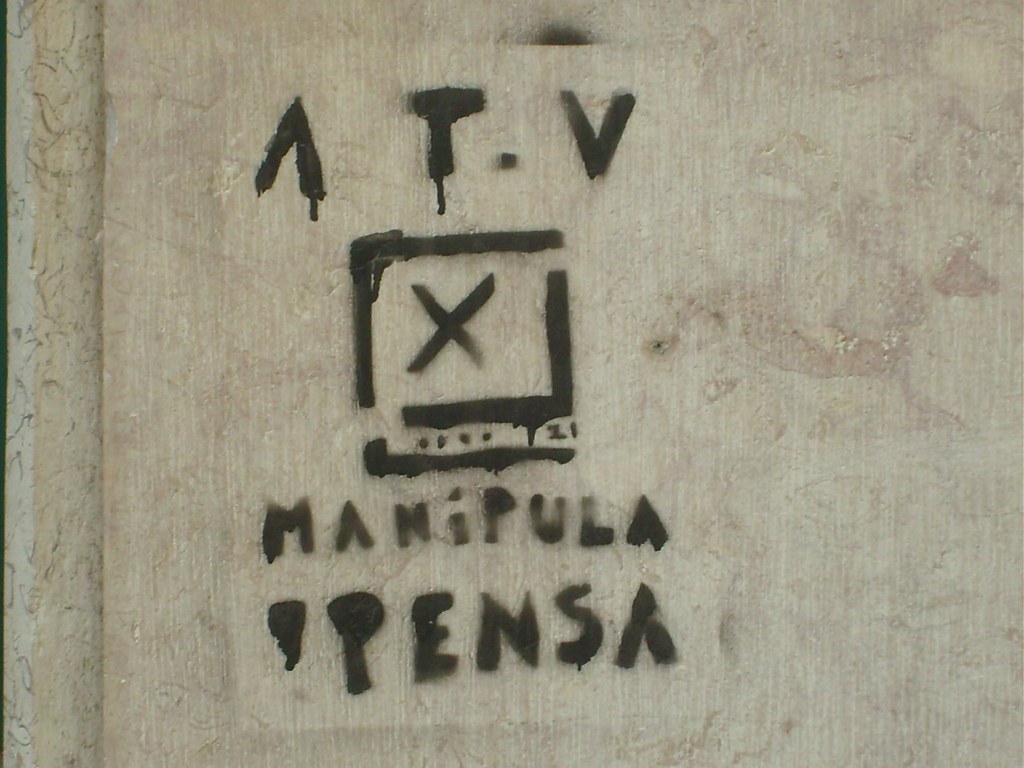
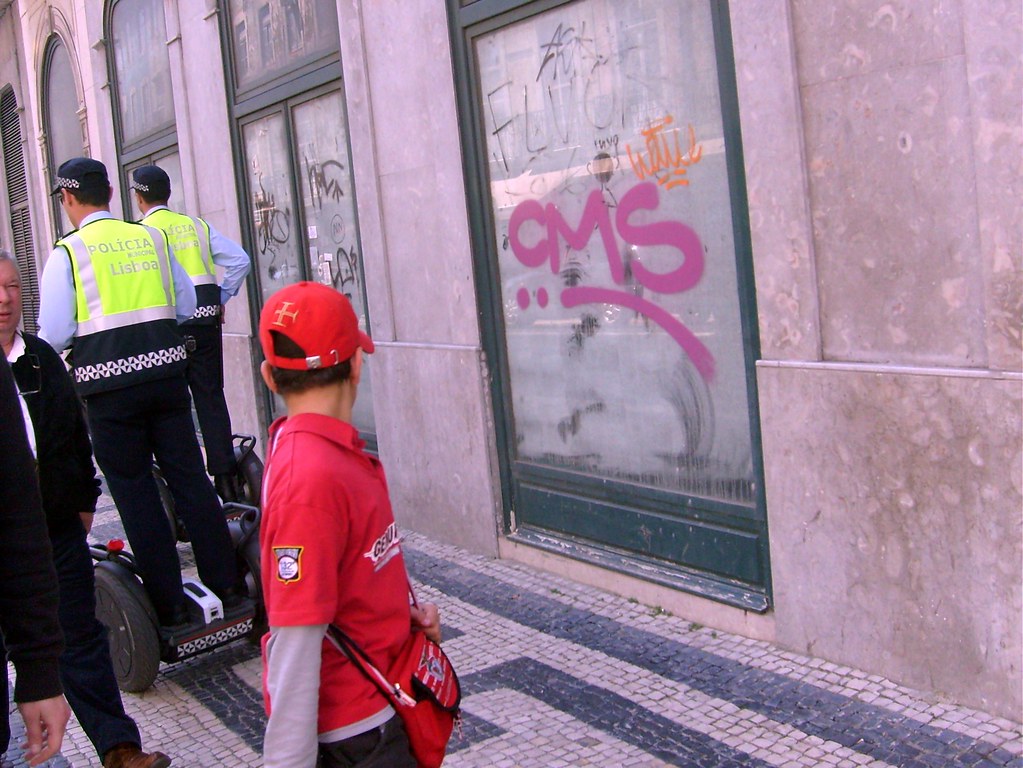
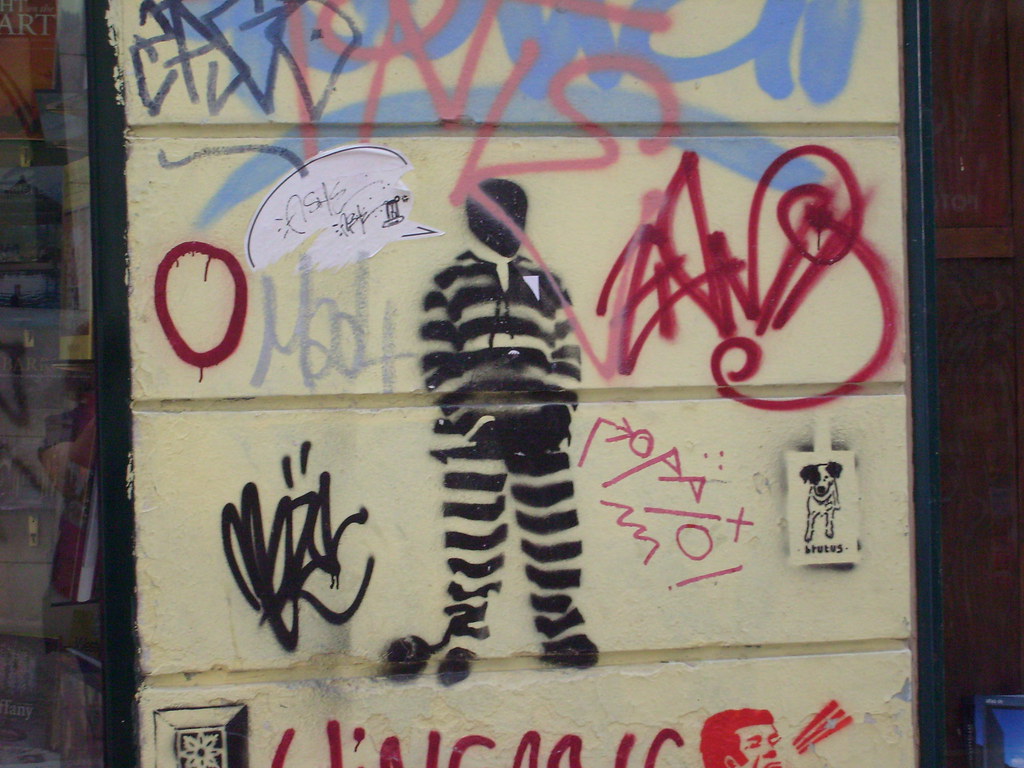
Some Grafitti at Chiado


21/02/2009

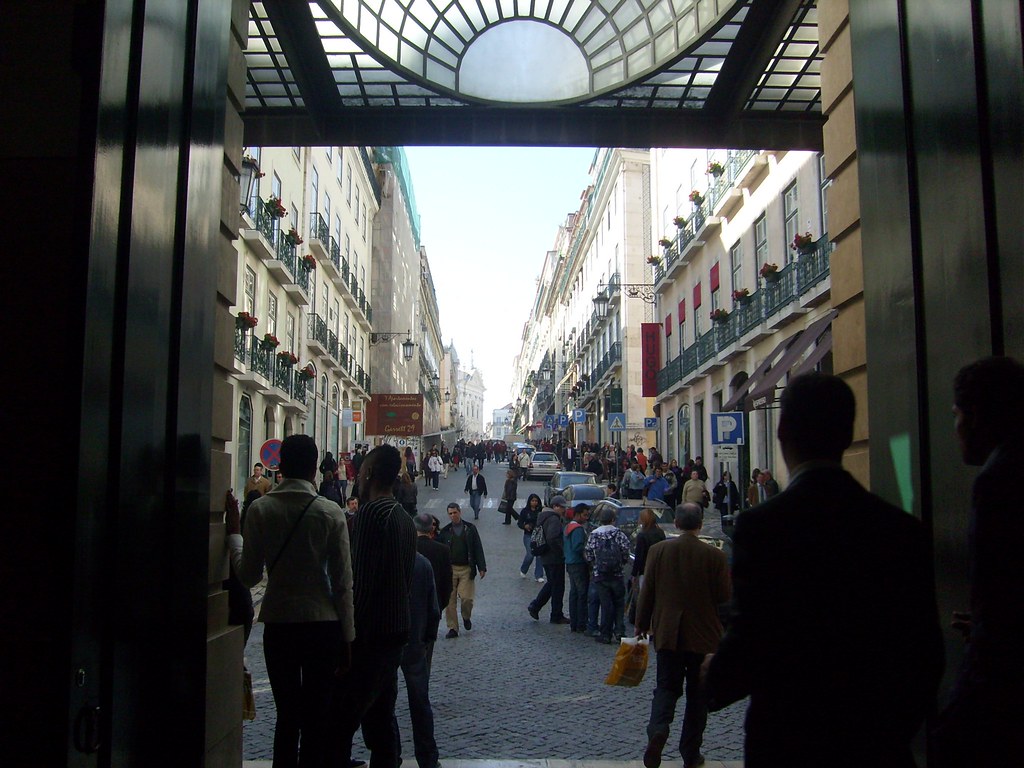
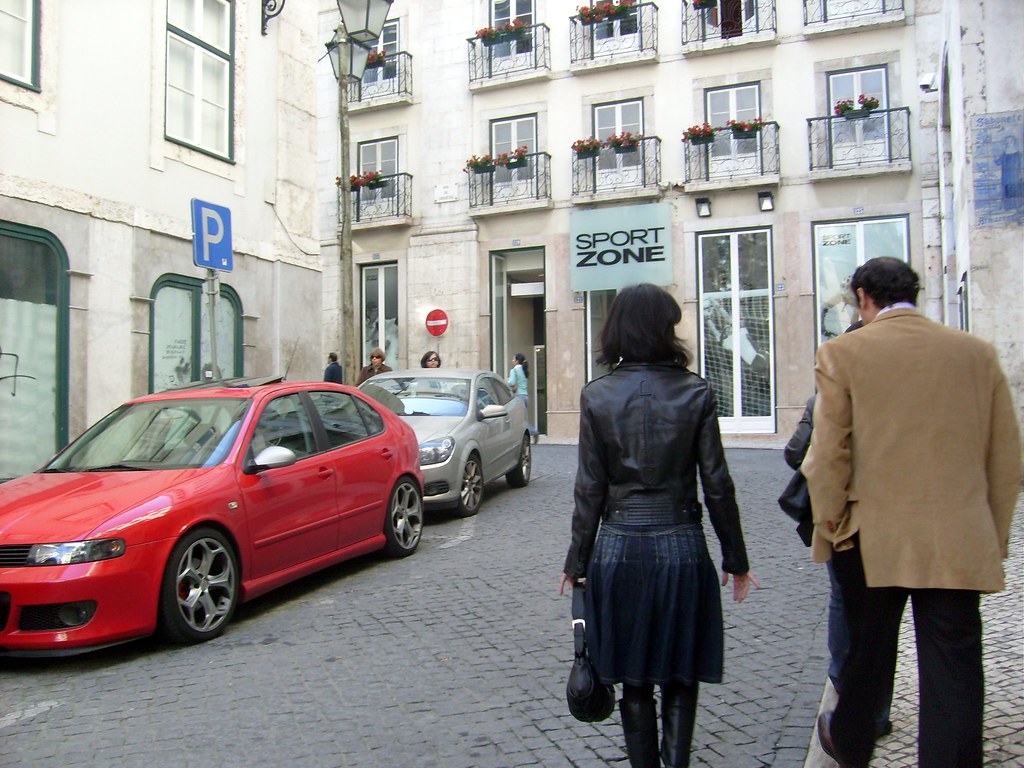
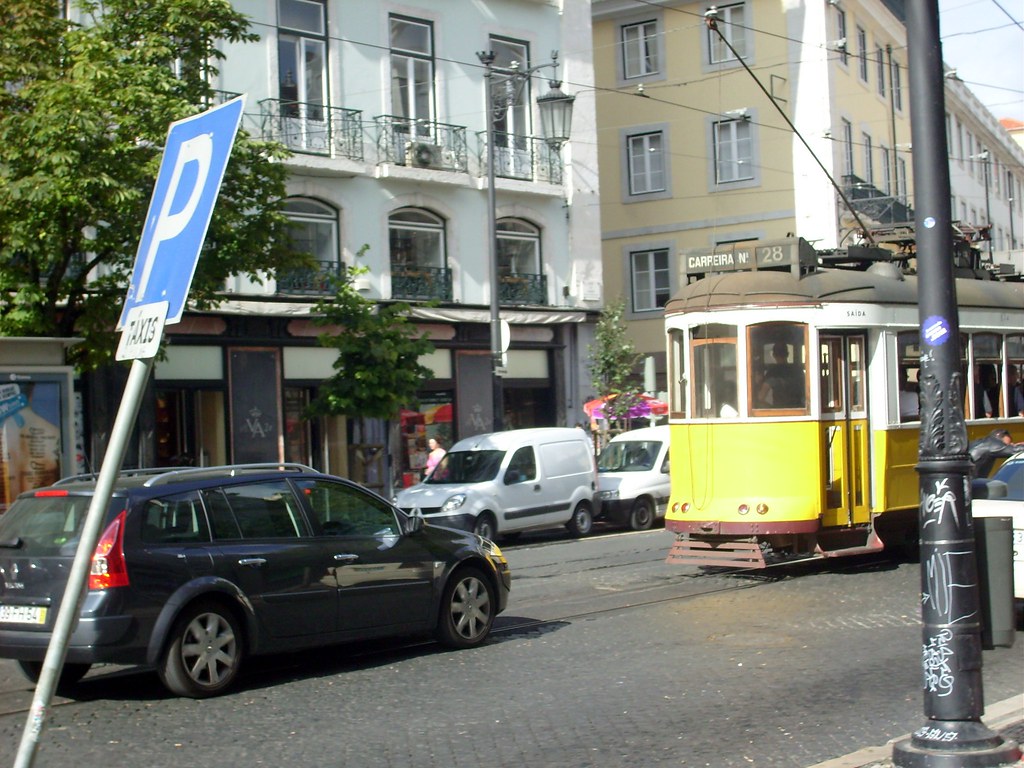
Lunch Time scenes


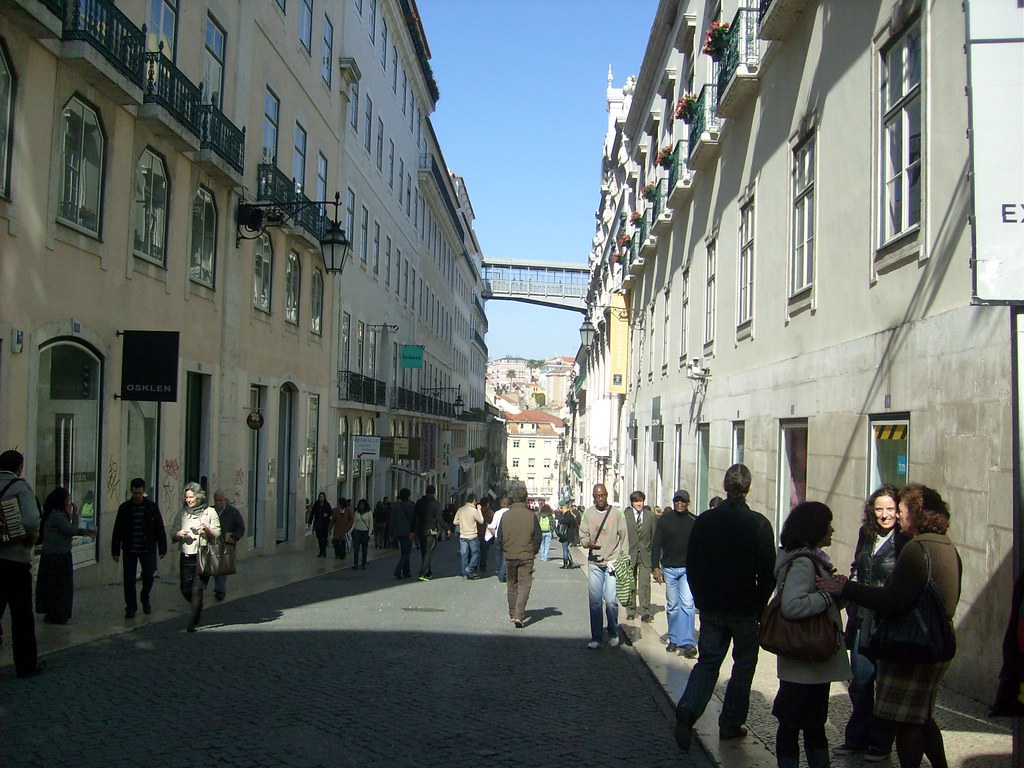
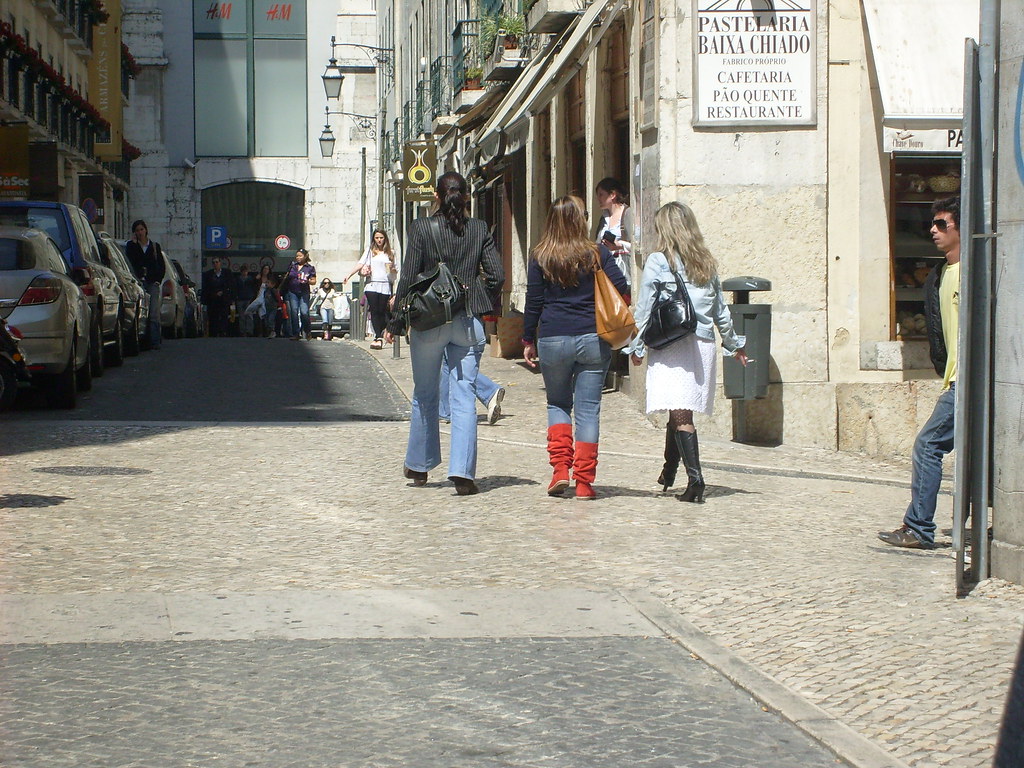
Chiado

19/02/2009

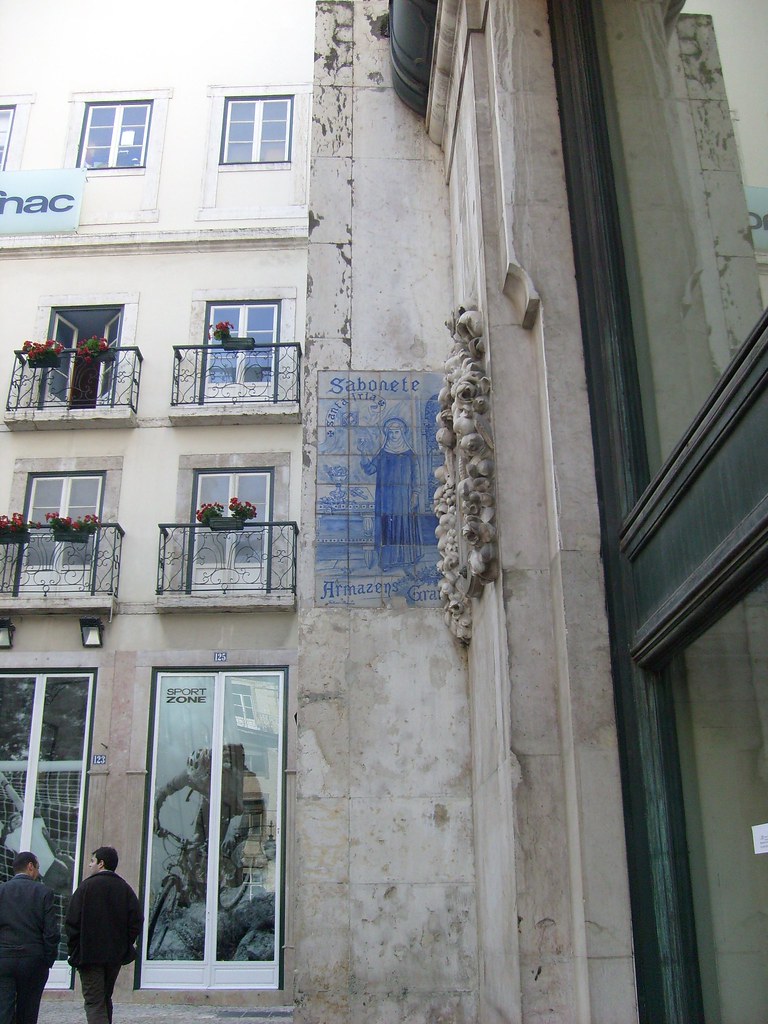
Soap advertising


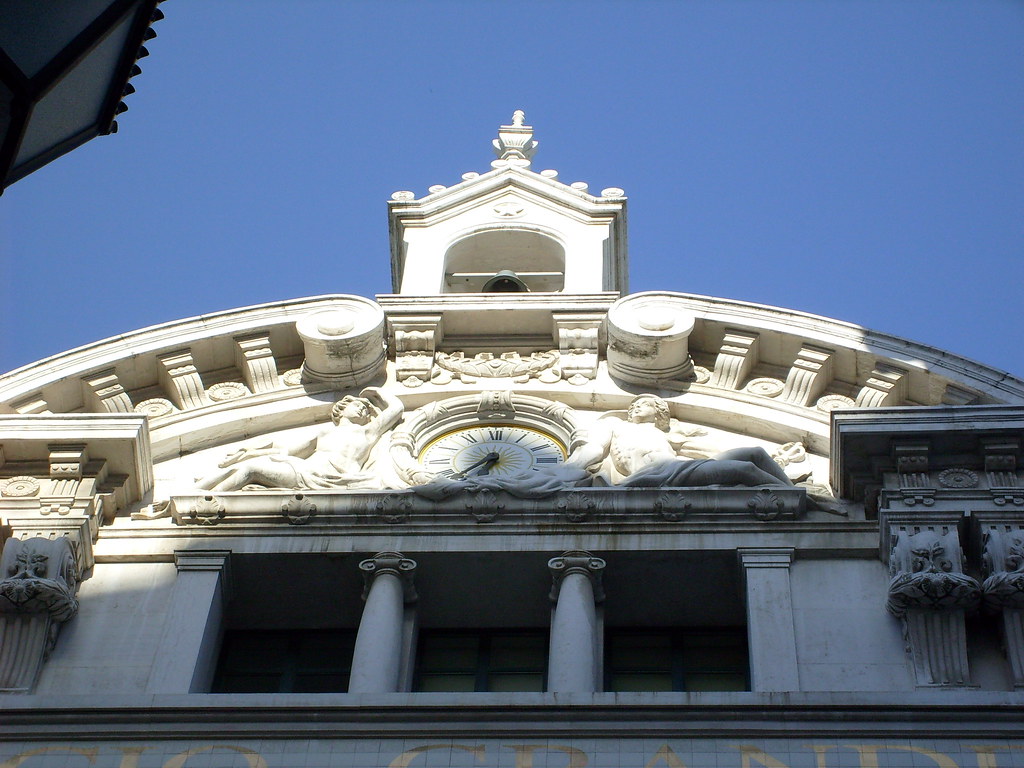
The fire of Chiado 1988 took place in the early hours of August 25, for 4.30h, and Grandela stores building was destroyed in half an hour by flames.


17/08/2008

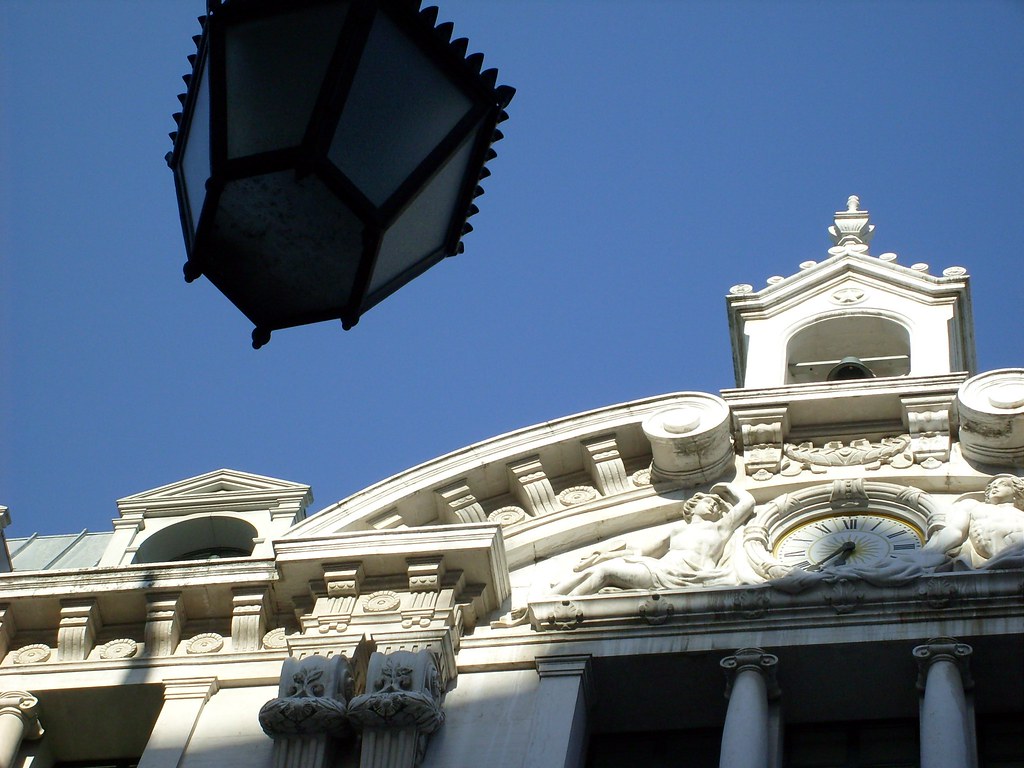
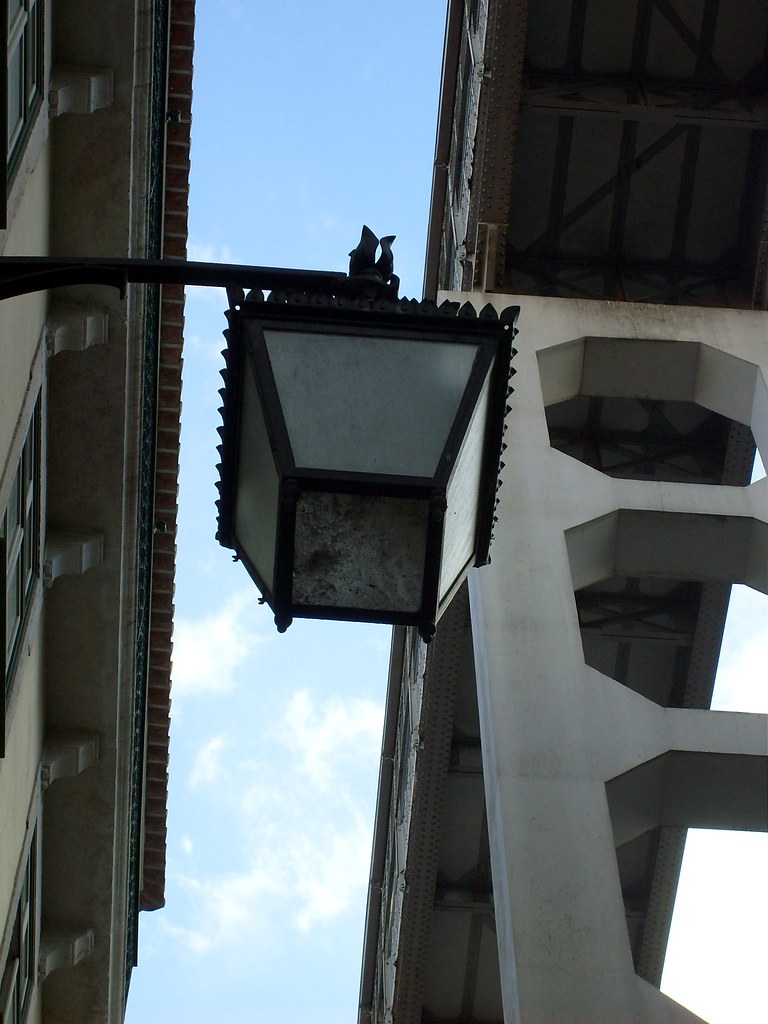
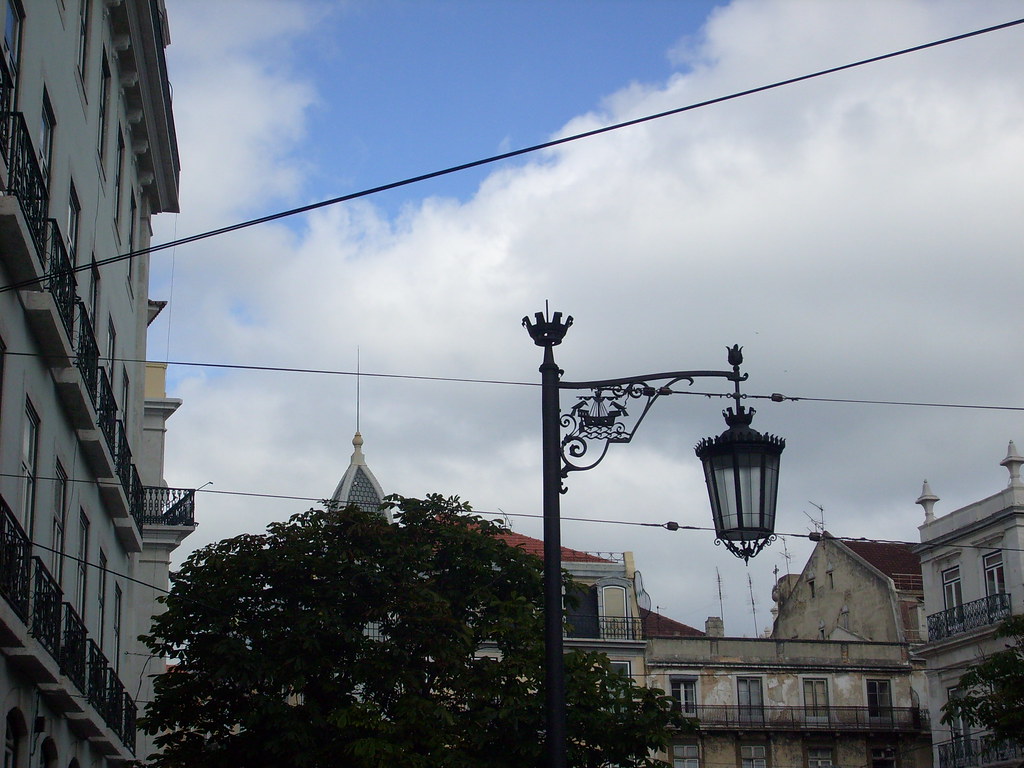
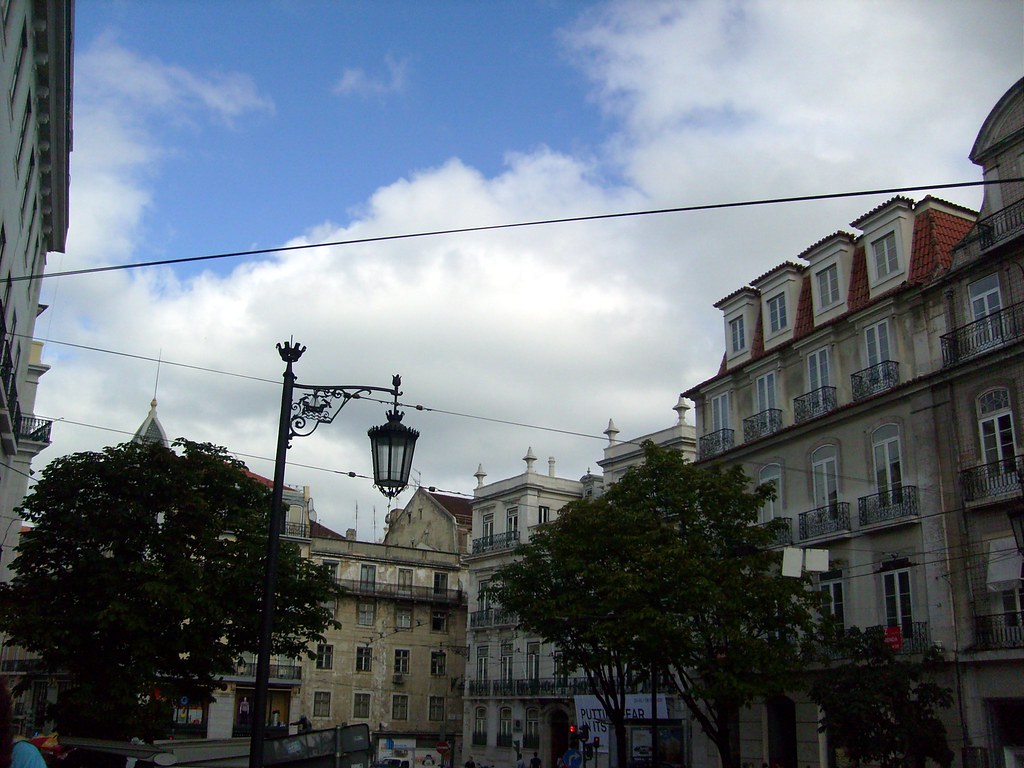
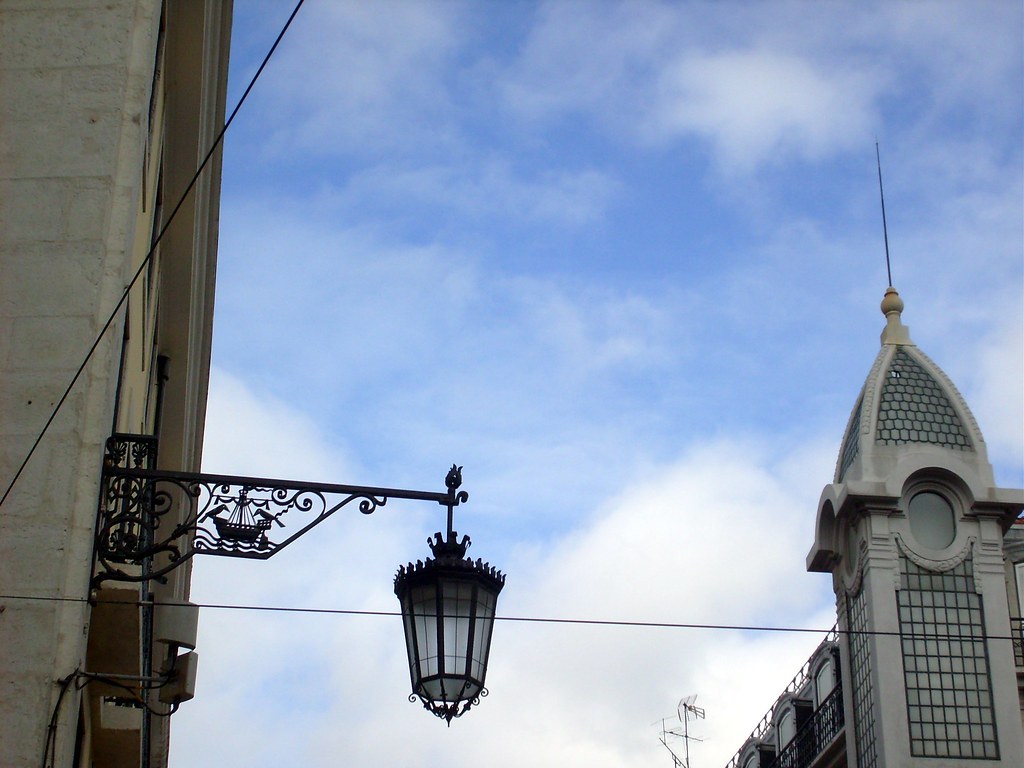
#230 - Downtown Lamp II


03/08/2008

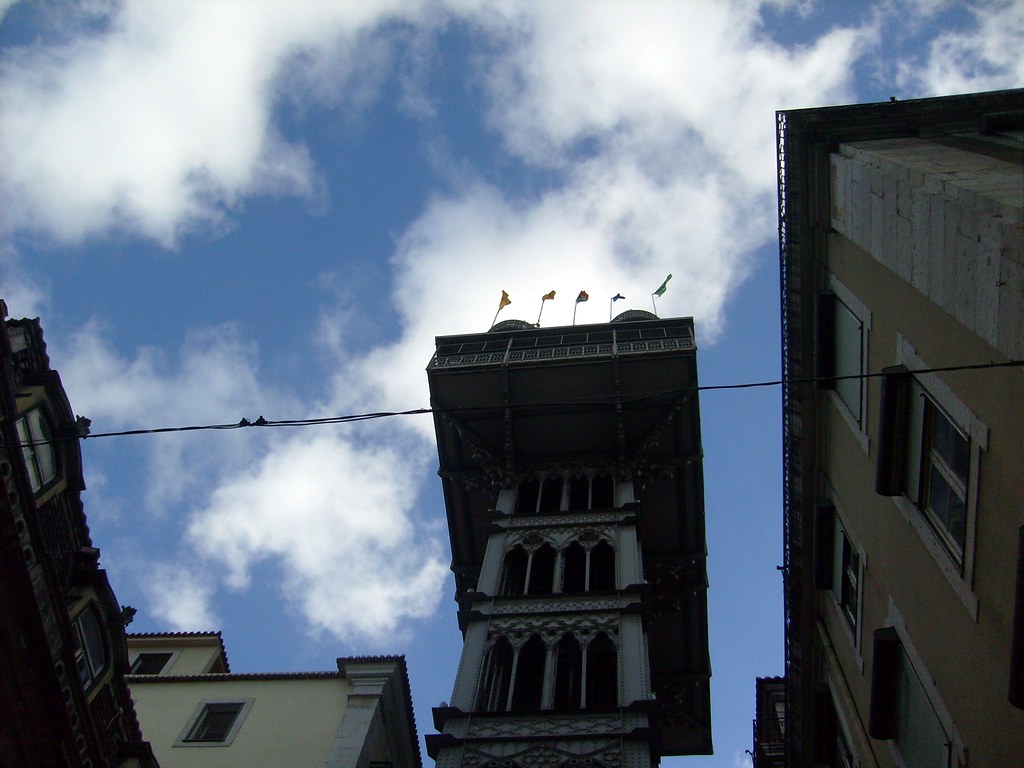
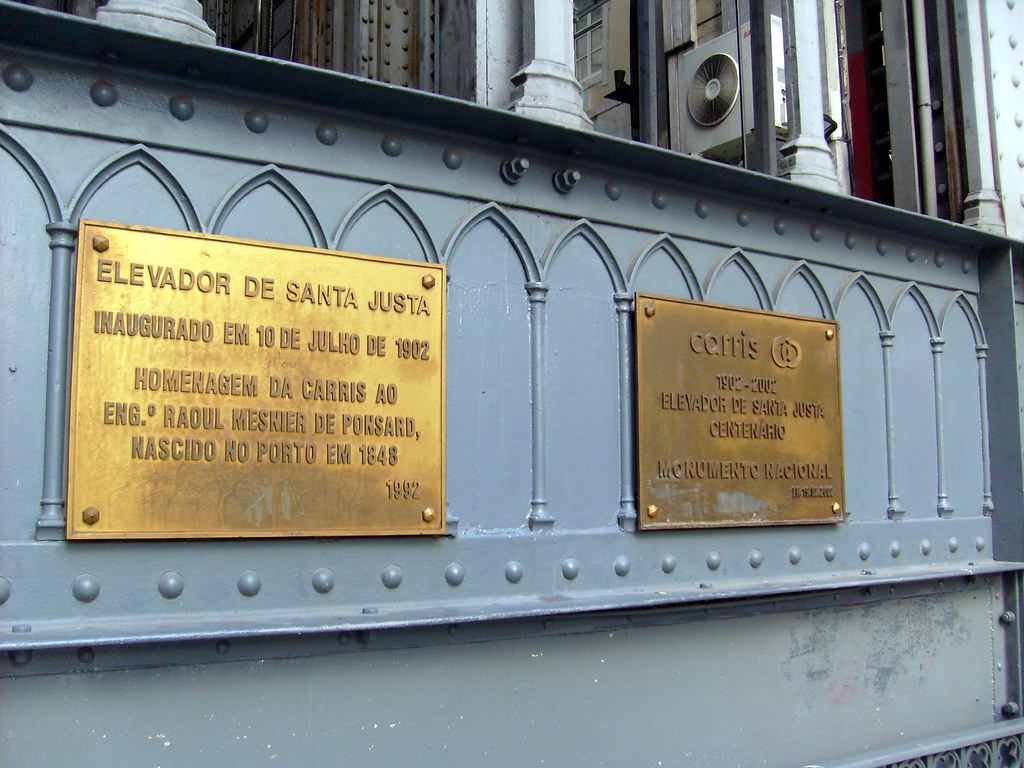
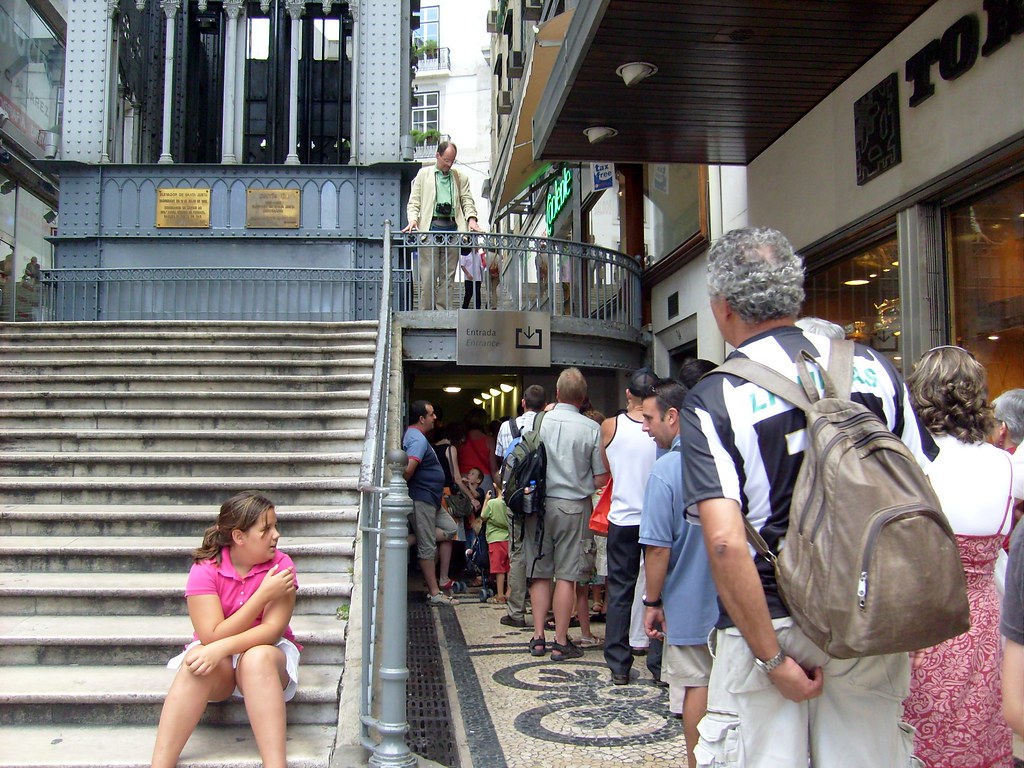
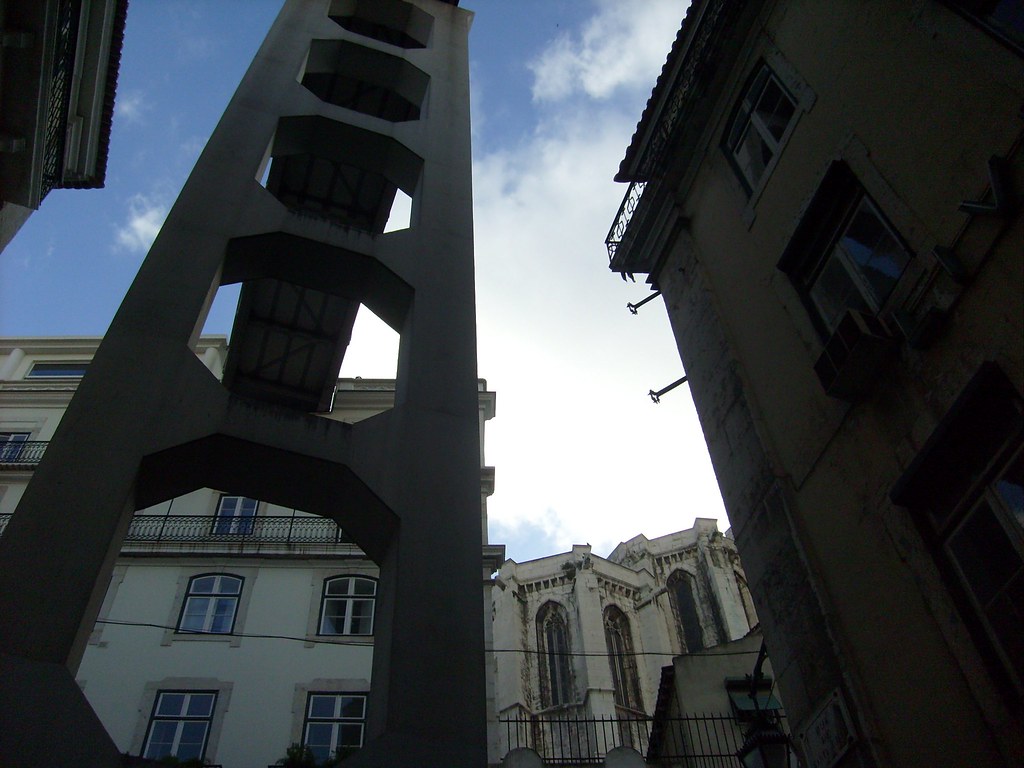
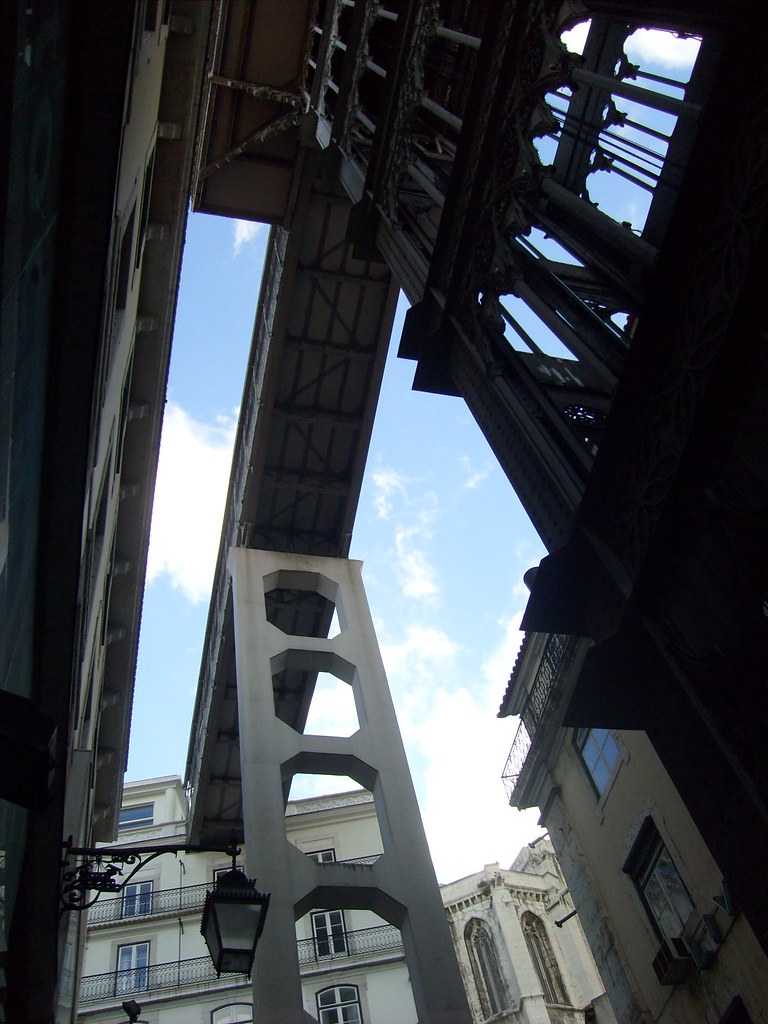
#216 - Elevador de Santa Justa III


02/08/2008

01/08/2008

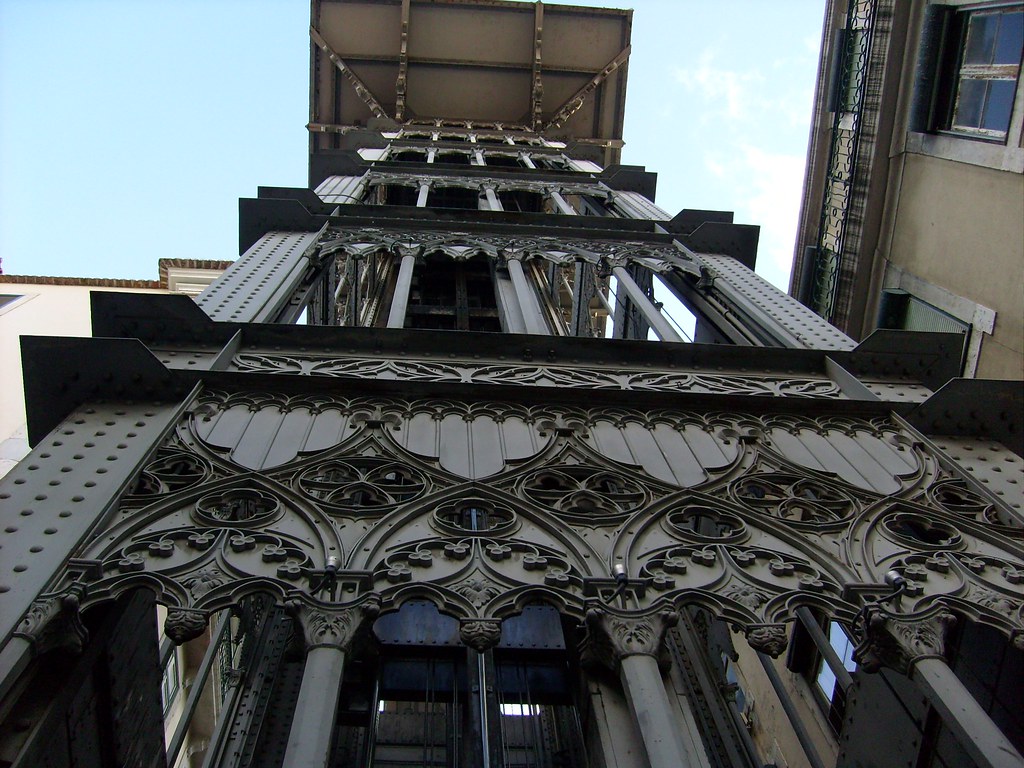
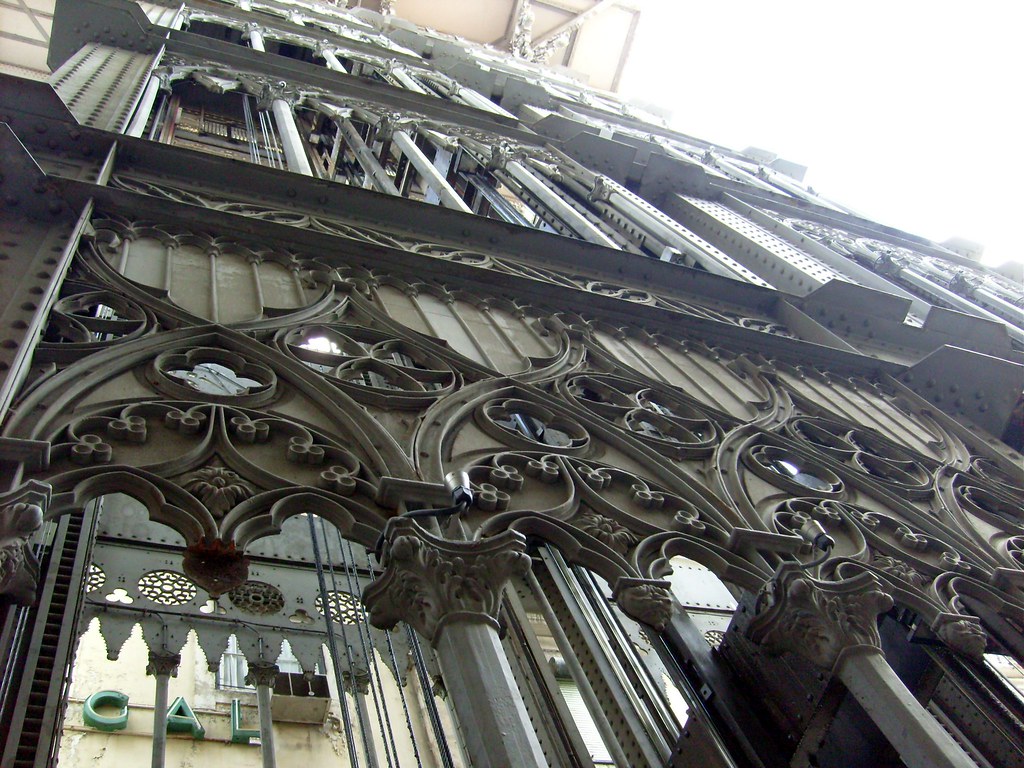
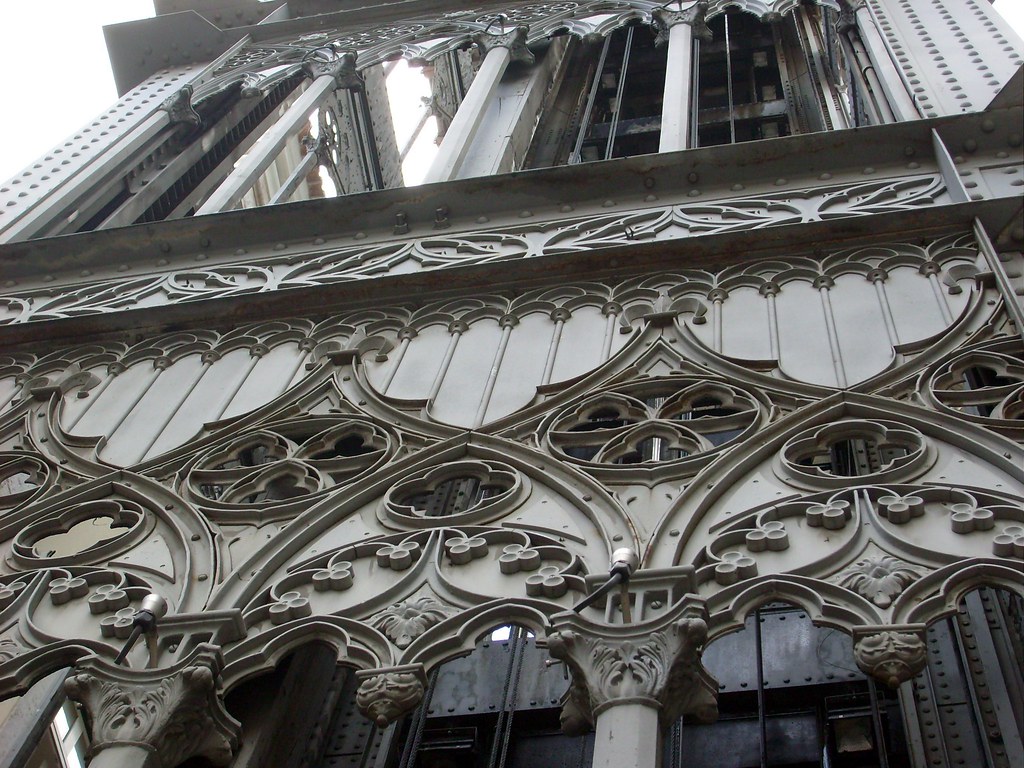
#214 - Elevador de Santa Justa, August 2008 Theme Day: Metal


214 elevador 1

Santa Justa Lift

From Wikipedia, the free encyclopedia

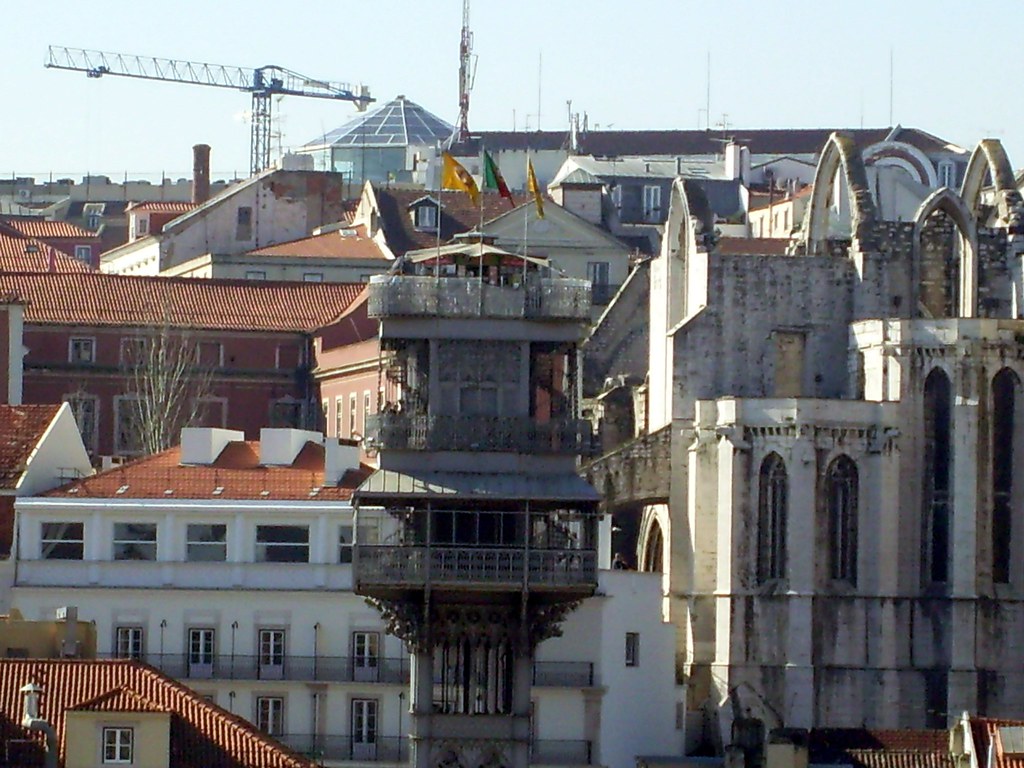
The Santa Justa Lift (Elevador de Santa Justa), also called Carmo Lift (Elevador doCarmo), is a lift in the city of Lisbon at Santa Justa Street. It connects downtown streets with the uphill Carmo Square.

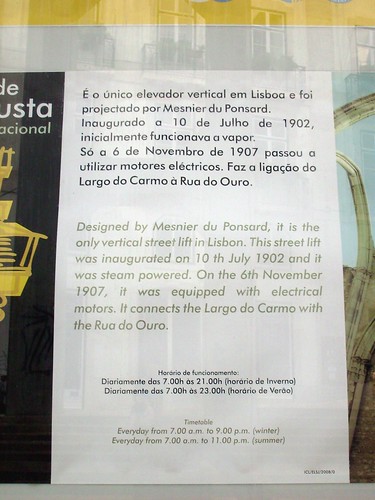
The Santa Justa Lift was designed by Raul Mesnier de Ponsard, an engineer born in Oporto to French parents, and apprentice of Gustave Eiffel. Construction began in 1900 and was finished in 1902; originally powered by steam, it was converted to electrical operation in 1907.

The iron lift is 45 metres tall and is decorated in neogothic style, with a different pattern on each storey. The top storey is reached by helicoidal staircases and has a terrace that offers views of Lisbon Castle, the Rossio Square and the Baixa neighbourhood. There are two elevator booths. Each has wooden interior and accommodates 24 people.

The lift has become a tourist attraction in Lisbon as, among the urban lifts in Lisbon, Santa Justa is the only vertical one. Others, including Elevador da Glória and Elevador da Lavra, are more like funiculars that help climb the slopes of Lisbon.


Click here to view thumbnails for all participants

29/07/2008

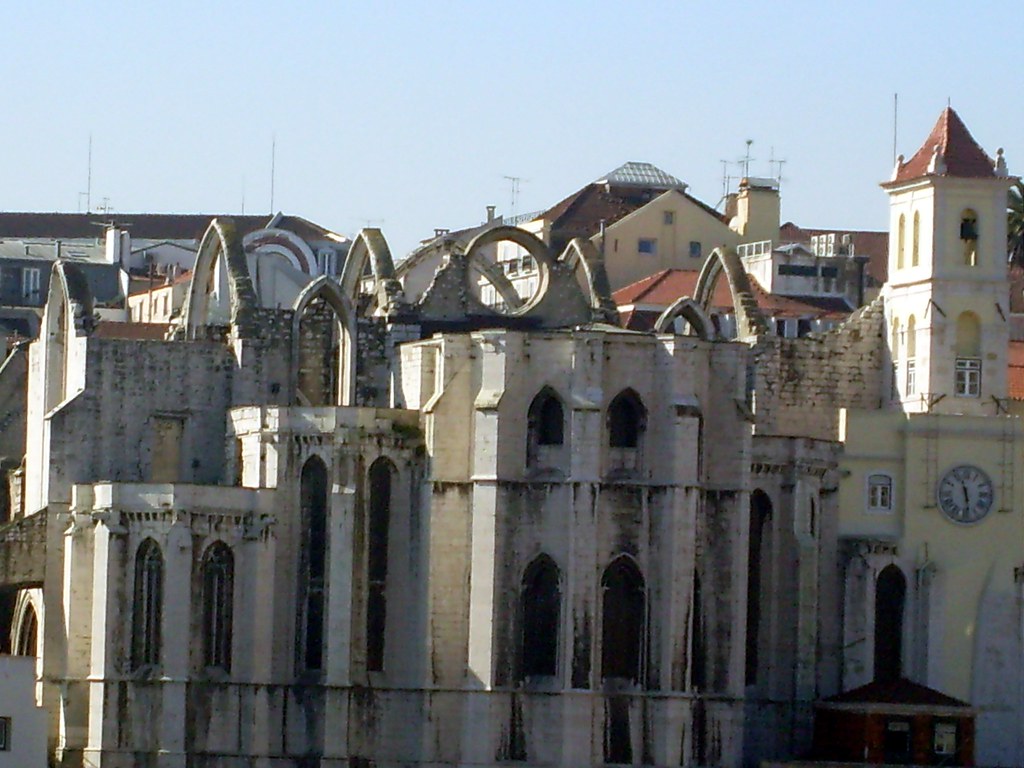
211 - Carmo Convent


The Carmo Convent (Portuguese: Convento da Ordem do Carmo) is a monument located in the city of Lisbon, in Portugal. The mediaeval convent was ruined in the 1755 Lisbon Earthquake, and the ruins of its Gothic church (the Carmo Church or Igreja do Carmo) are the main trace of the great earthquake still visible in the city.

The Carmo Convent is located in the Chiado neighbourhood, on a hill overlooking the Rossio square and facing the Lisbon Castle hill. It is located in front of a quiet square (Carmo Square), very close to the Santa Justa Lift.

Nowadays the ruined Carmo Church is used as an archaeological museum (the Museu Arqueológico do Carmo or Carmo Archaeological Museum).

History
The Carmo Convent was founded as a convent for the Carmelite Order in 1389 by the Portuguese knight Nuno Álvares Pereira. Álvares Pereira was Constable of Portugal, meaning that he was the supreme military commander after the King. At the service of King John I, Álvares Pereira commanded the Portuguese army in the decisive Battle of Aljubarrota (1385), in which the Portuguese guaranteed their independence by defeating the Castilian army.

The Carmo Convent was initially inhabited by Carmelites from Moura (southern Portugal), which entered the convent in 1392. In 1404, the pious Álvares Pereira donated his wealth to the convent and, in 1423, he also became a brother of the convent.


On November 1, 1755, the great earthquake destroyed most of the convent and its church. The Convent library and its 5000 books were all lost. The convent was remodelled and eventually became a military quarter. The church was never fully rebuilt and, after a period as wood storage house, it was donated in 1864 to the Association of Portuguese Archaeologists, which turned the ruined building into a museum.

In the 20th century, during the Carnation Revolution, the Carmo Headquarters was the last stronghold of the Presidente of the Estado Novo, Marcelo Caetano, and the military loyal to him. The old Carmo Convent building is now used by the Municipal Guard (Guarda Republicana).


Architecture
The Carmo Convent and its Church were built between 1389 and 1423 in the plain Gothic style typical for the mendicant religious orders. There are also influences from the Monastery of Batalha , which had been founded by King John I and was being built at that same time. Compared to the other Gothic churches of the city, the Carmo Church was said to be the most imposing in its architecture and decoration.

The church has a Latin cross floorplan. The main facade has a portal with several archivolts and capitals decorated with vegetal and anthropomorphic motifs. The rose window over the portal is partially destroyed. The south side of the church is reinforced by five flying buttresses, added in 1399 after the south wall collapsed during the construction work. The old convent, located to the right of the facade, has been rebuilt in neo-Gothic style in the early 20th century.

The church interior has a nave with three aisles and an apse with a main chapel and four side chapels. The stone roof over the nave collapsed after the earthquake and was never rebuilt, and only the pointed arches between the pillars have survived.


Museum
The nave and apse of the Carmo Church are the setting for a small archaeological museum, with pieces from all periods of Portuguese history. The nave has a series of tombs, fountains, windows and other architectural relics from different places and styles.

The old apse chapels are also used as exhibition rooms. One of them houses notable pre-historical objects excavated from a fortification near Azambuja (3500–1500 BC).

The group of Gothic tombs include that of Fernão Sanches, a bastard son of King Dinis I, (early 14th century), decorated with scenes of boar hunting, as well as the magnificent tomb of King Ferdinand I (reign 1367-1383), transferred to the museum from the Franciscan Convent of Santarém. Other notable exhibits include a statue of a 12th century king (perhaps Afonso Henriques), Spanish-Moorish azulejos and objects from the Roman and Visigoth periods. [*]

24/07/2008

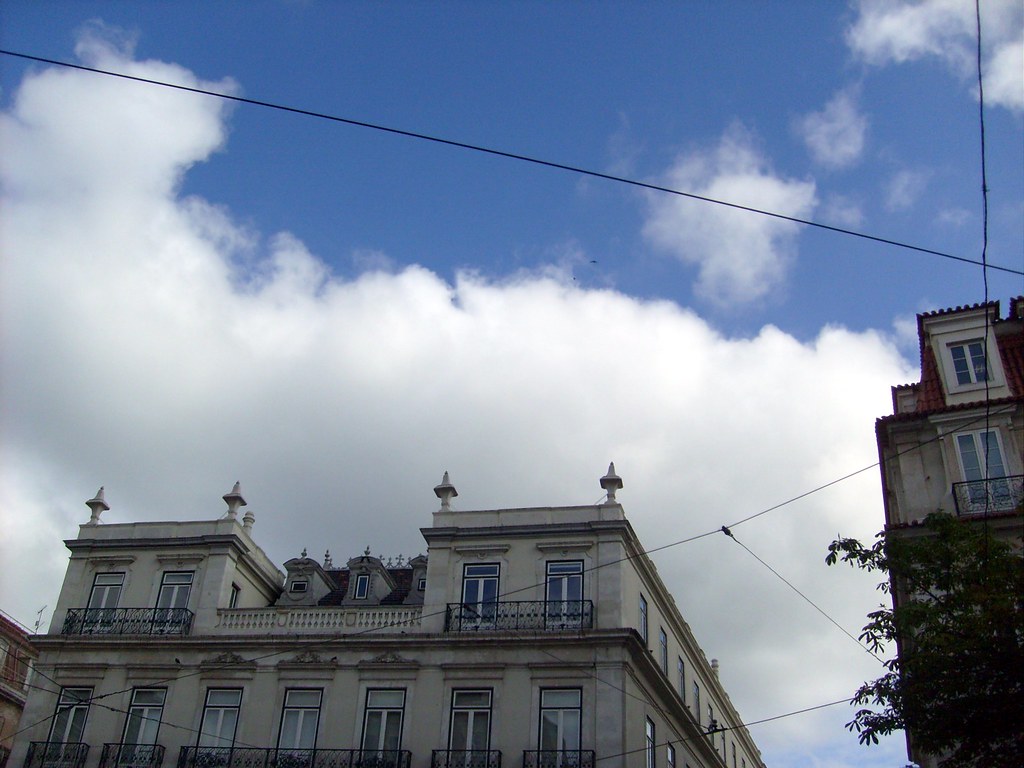
#206 - Chiado Sky Series 7


23/07/2008

#205 - Chiado Sky Series 6


22/07/2008

#204 - Chiado Sky Series 5

20/07/2008

19/07/2008

#201 - Chiado Sky Series 2

18/07/2008

#200 - Chiado Sky Series 1

17/07/2008

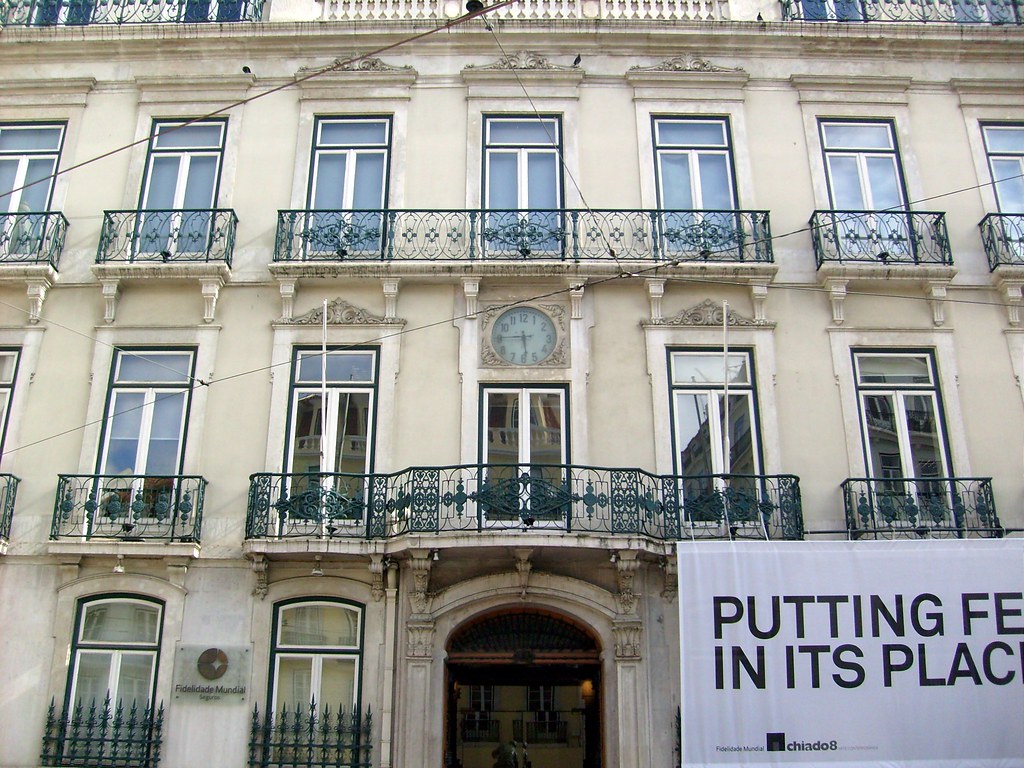
#199 - Chiado Area 8


Chiado 8 Contemporary Art, opened in January 2002, is a project of Loyalty World Insurance Company, which, taking advantage of the location of one of its central buildings, decided to participate in efforts to rehabilitate the Chiado by creating a space of disseminating contemporary art.

24 MAY - 15 JUL 2008

"Putting Fear in its Place" is the title of the new individual exposure of Alexandre Estrela, a presentation in Chiado Area 8 in Lisbon, included in the programme by commissioner Ricardo Nicolau. It belongs to the generation of artists who said during the decade of 1990, Star has since developed a broad and consistent work marked by a profound reflection on the procedures for production of the image and its reception.

ESPAÇO FIDELIDADE MUNDIAL CHIADO 8 - ARTE CONTEMPORÂNEA
Largo do Chiado, 8
1249-125 LISBOA
16/07/2008

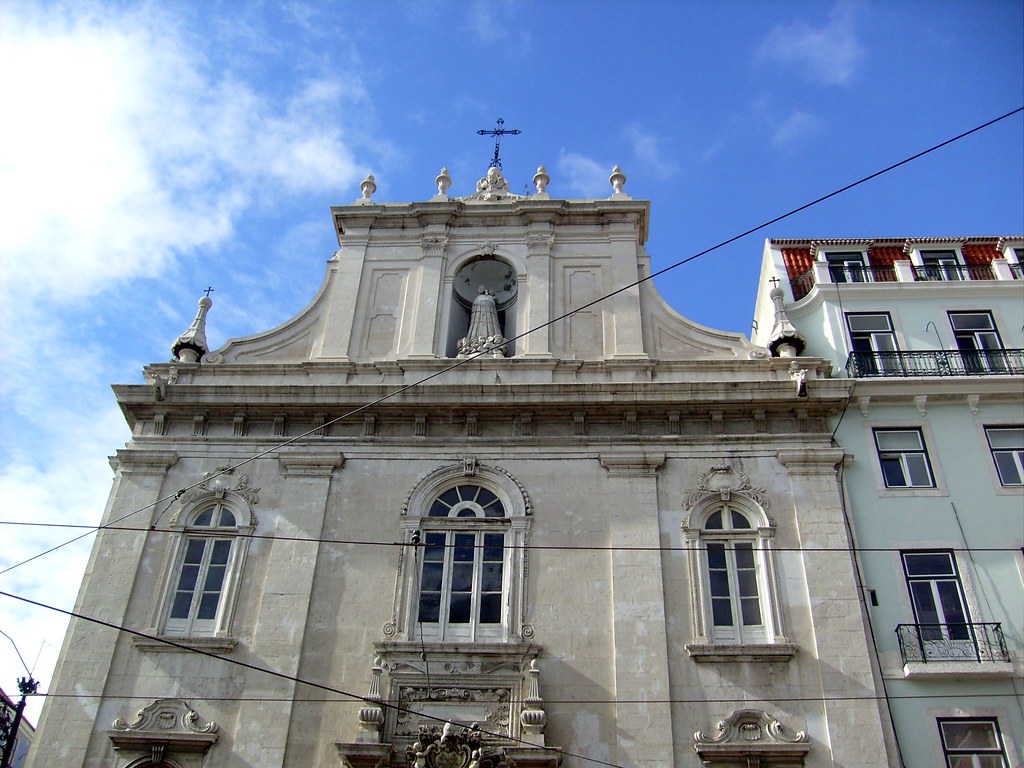
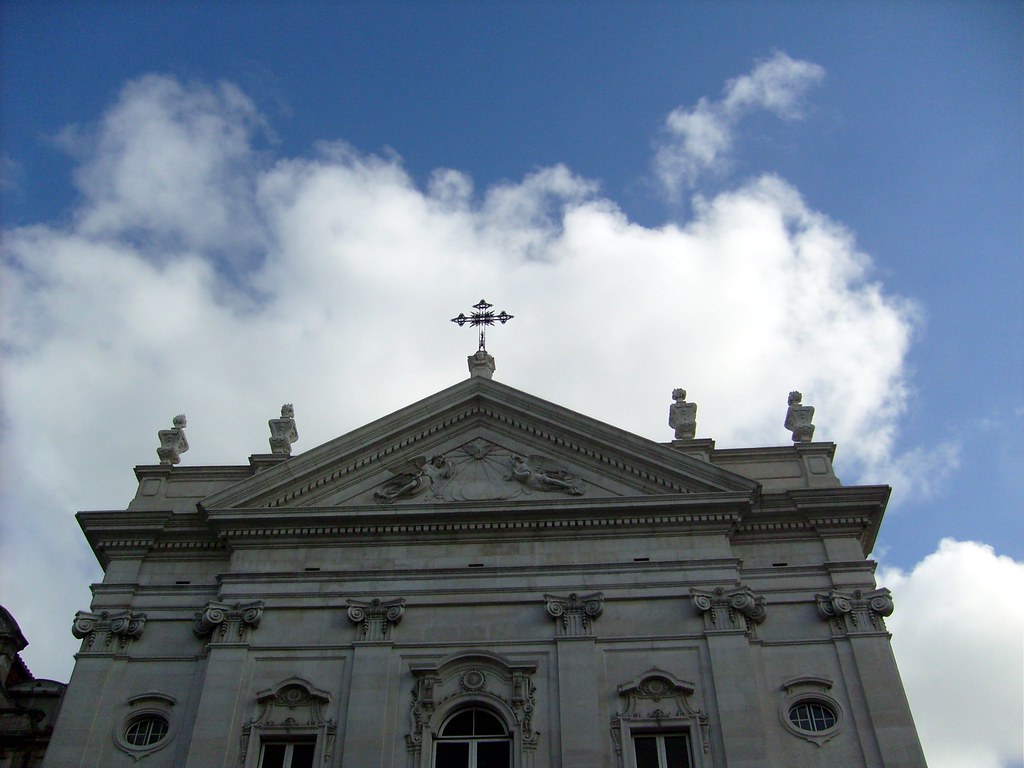
#198 - Encarnação Church


Just at the opposite side of the street and in front of Loreto church you find Nossa Senhora da encarnação Church wich I dedicate to the cute George Townboy who loves churches.


Encarnação Church


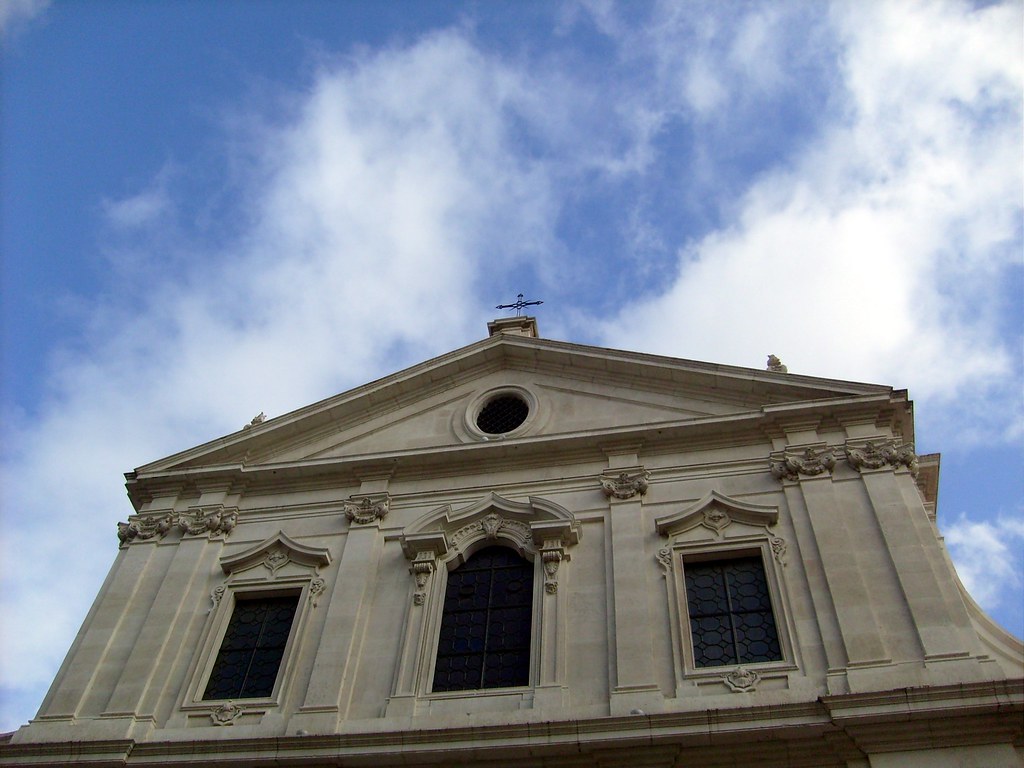
The lovely Encarnação Church is situated in the heart of Lisboa, in the exquisite historical old quarter of Lisboa, Chiado, right in front of the famous Our Lady of Loureto Church.
Founded in 1708, for its construction part of the medieval defensive wall of the 14th century was demolished. The set of this church and the Loreto Church formed one of the noble entrance doors in Lisboa.

The Temple got quite destroyed with the big earthquake of 1755, and in 1784 got several modifications and restoration works, according to the plan of the renowned Architect Manuel Caetano de Sousa.

The façade of the Temple presents a neo-classical architectonic style combined with a range of Rocaille elements. The façade also houses the interesting Saint Catherine images that were part of the ancient medieval door. [*]


15/07/2008

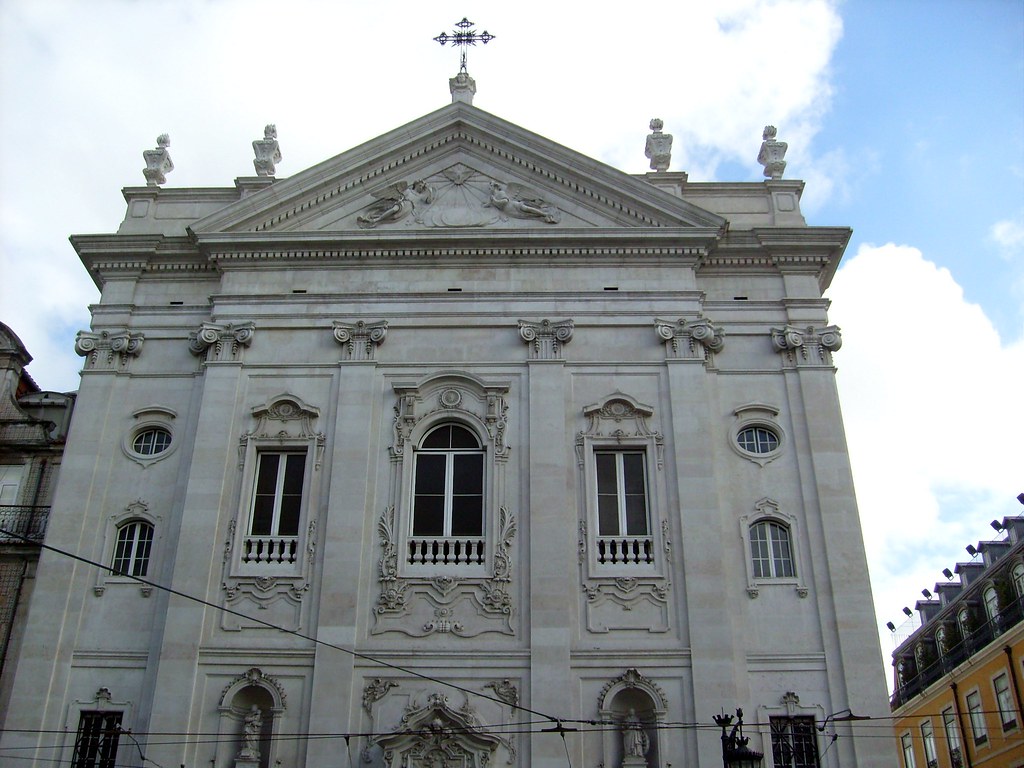
#197 - Chiado, Nossa Senhora do Loreto Church


Nossa Senhora do Loreto Church
Situated in the exquisite historical old quarter of Lisboa, Chiado, in the historical centre, the charming Nossa Senhora do Loreto Church has remote origins in the 13th century, yet the present building dates from the 18th century.
The devotion to Our Lady of Loreto was brought to Portugal by Italian traders that installed in the region during the 13th, 14th and 15th century, being that the reason why this church is often named as the “Italian Church”.
The previous temple would have been built nearby the defensive walls of Lisboa in the 14th century, and later in 1573 was restored and enlarged, and dedicated to Our Lady of Loreto. The current Church dates from 1676, and with the big earthquake and fire of 1755 got quite destroyed, and consequently restored and re-built in 1785.
The project of the Temple was signed by the same architect of the wonderful São Carlos Theatre, José da Costa e Silva, and is characterized by a central nave with twelve lateral chapels with the twelve Apostles, covered with the noble Italian marble. The main façade is famous for its Our Lady of Loreto Image and by the pontifical coat of arms of Borromini (17th century), sided by two angels. [*]

14/07/2008

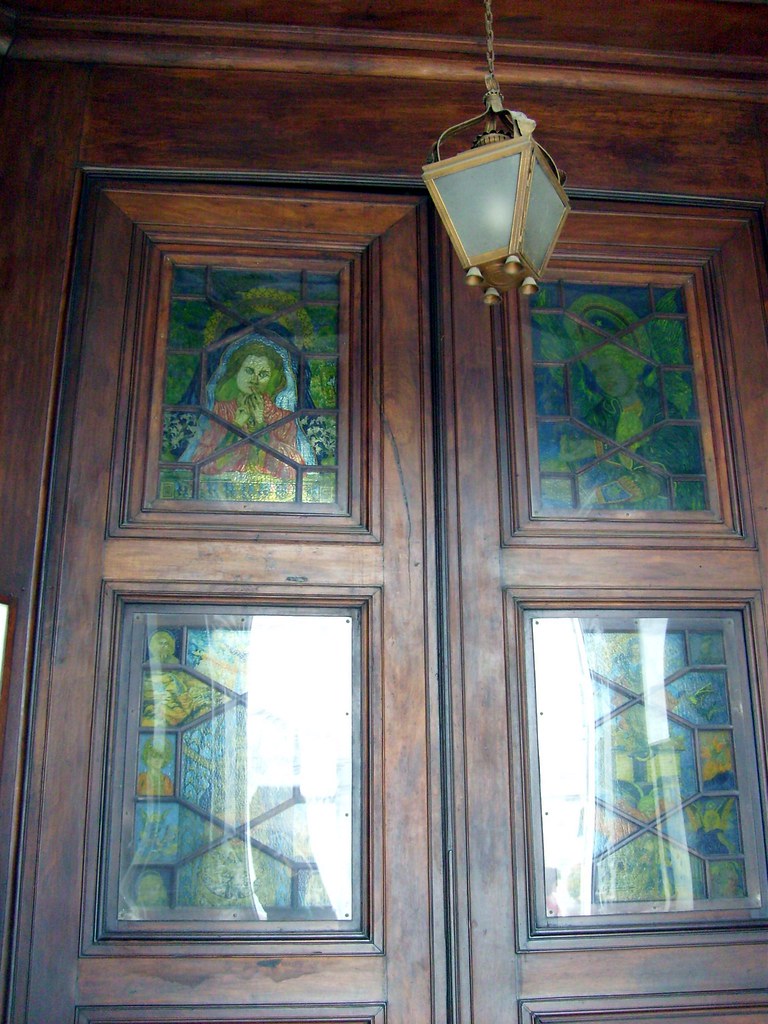
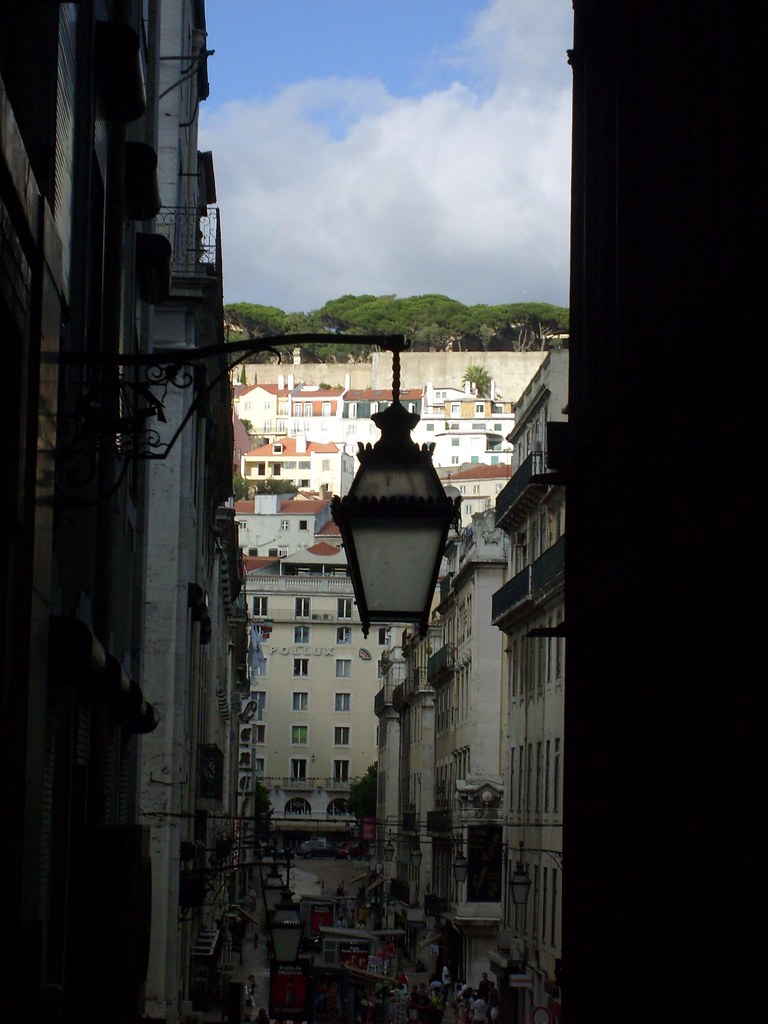
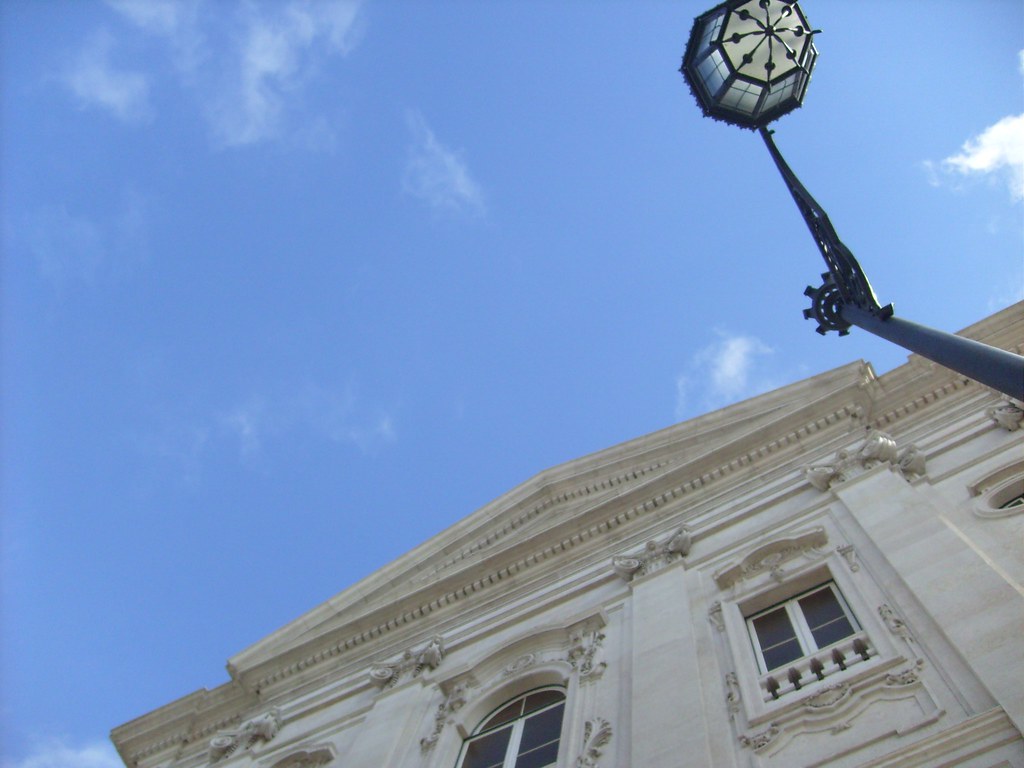
#196 - Chiado