Location
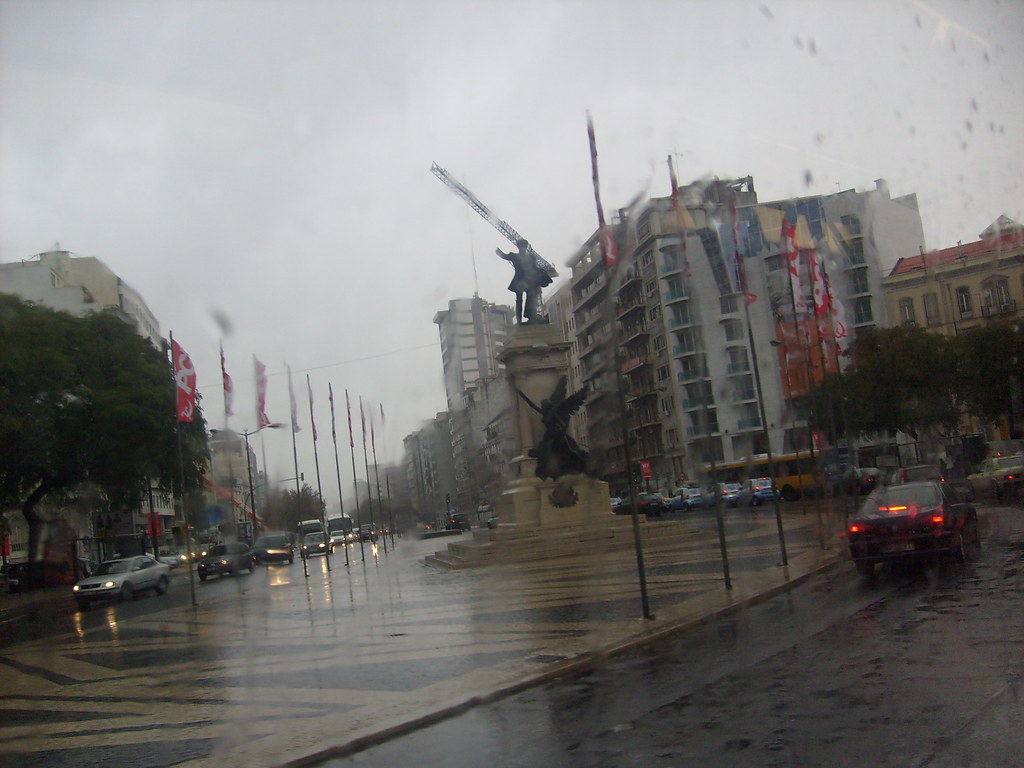
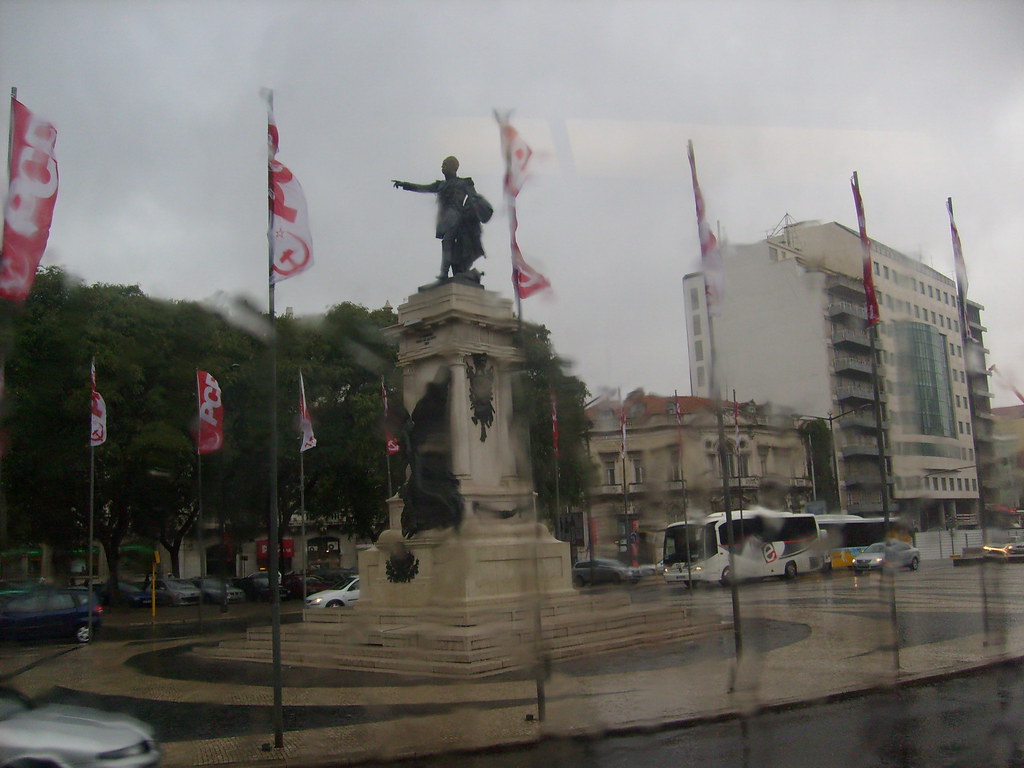
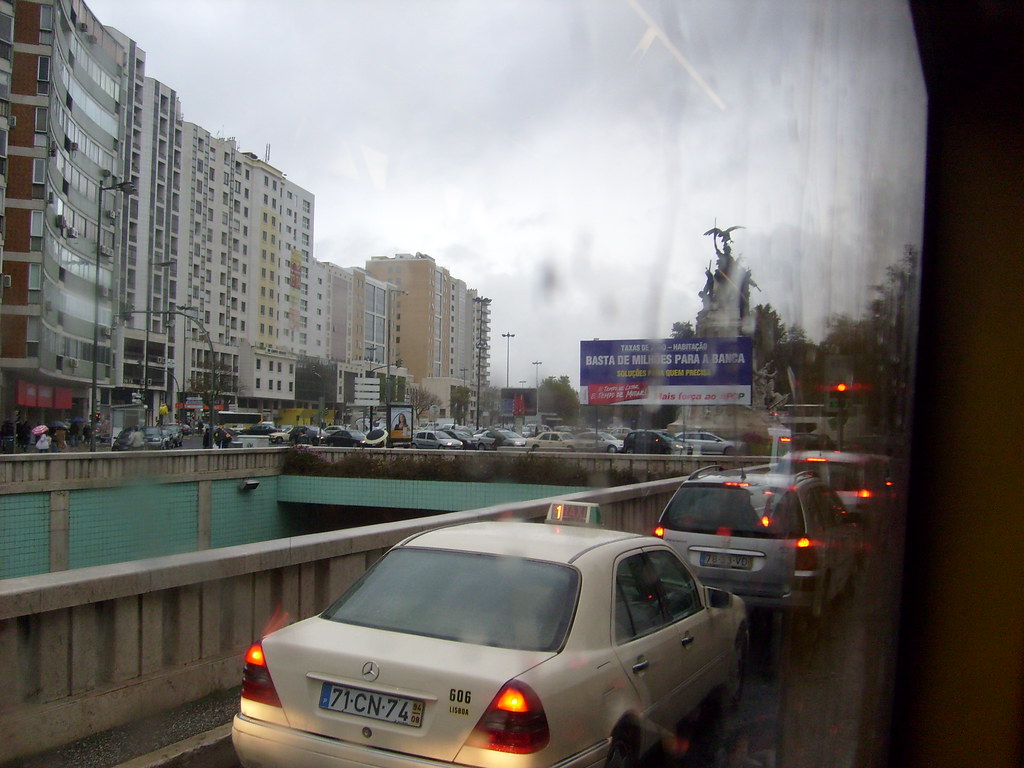
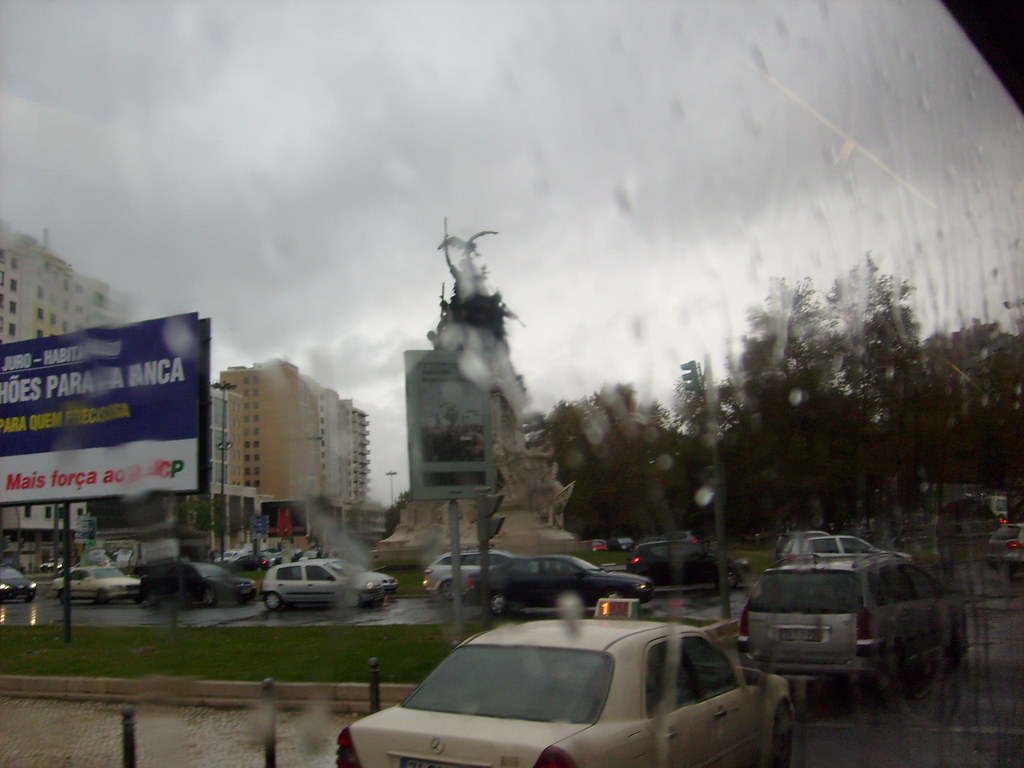
Rotunda of Entrecampos (Old Square Mouzinho from Albuquerque)
Author
Jose de Almeida Ferreira (sculptor)
Francisco de Almeida Ferreira (architect)
Date
January 8, 1933
"Monument erected in evocation of the centenary of the victory of Portugal over the French troops. The ceremony of launching the first stone, chaired by King Manuel II, took place on September 15 of 1908, and the inauguration took place only in 1933.
This monument of 12metros tall, is composed of two levels, and the bottom of limestone and the top of bronze. Its composition suggests an epic reading, narrated by all sides. The front bears the tomb of Vasco da Gama, on which you see a group of monks, popular and military, who swear to defend the homeland. In light source is a doorway at the bottom of which is the tomb of Camoes, topped by verses of The Lusiads. The west side boasts a group, where highlights a girl kneeling at the feet of a male figure. In addition top of the 12 shells of villages involved in the war, there is a group of bronze, which highlights the figure of the homeland, with 5metros high, and soldiers who, with their rifles haze, threatening the Napoleonic eagle." [*]
The Peninsular War or Spanish War of Independence[3] was a contest between France and the allied powers of Spain, the United Kingdom, and Portugal for control of the Iberian Peninsula during the Napoleonic Wars. The war began when French armies invaded Portugal in 1807 and Spain in 1808 and lasted until the Sixth Coalition defeated Napoleon in 1814.
Spain's liberation struggle marked one of the first national wars[4] and large-scale guerrilla conflicts, from which the English language borrowed the word.[5] Its success was in part decided by the exploits of Spanish guerrilleros and the inability of Napoleon Bonaparte's large armies to pacify the people of Spain.[6]
Throughout the war, British and Portuguese armies defended Portugal and staged diversionary campaigns against French forces while guerrillas bled the occupiers. Together, the regular and irregular allied forces prevented Napoleon's marshals from subduing the rebellious Spanish provinces.[7] French units in Spain, though often victorious in battle, were always in danger of being cut off and overwhelmed by the partisans, and the Spanish army, though driven to the peripheries, could not be stamped out.[8] In the final years of war, with France gravely weakened following Napoleon's invasion of Russia, Wellington's allied army pushed across Spain from Portugal and liberated Madrid. Eventually, the exhausted French forces withdrew across the Pyrenees.
History:
"The Peninsular War or Spanish War of Independence[3] was a contest between France and the allied powers of Spain, the United Kingdom, and Portugal for control of the Iberian Peninsula during the Napoleonic Wars. The war began when French armies invaded Portugal in 1807 and Spain in 1808 and lasted until the Sixth Coalition defeated Napoleon in 1814.
Spain's liberation struggle marked one of the first national wars[4] and large-scale guerrilla conflicts, from which the English language borrowed the word.[5] Its success was in part decided by the exploits of Spanish guerrilleros and the inability of Napoleon Bonaparte's large armies to pacify the people of Spain.[6]
Throughout the war, British and Portuguese armies defended Portugal and staged diversionary campaigns against French forces while guerrillas bled the occupiers. Together, the regular and irregular allied forces prevented Napoleon's marshals from subduing the rebellious Spanish provinces.[7] French units in Spain, though often victorious in battle, were always in danger of being cut off and overwhelmed by the partisans, and the Spanish army, though driven to the peripheries, could not be stamped out.[8] In the final years of war, with France gravely weakened following Napoleon's invasion of Russia, Wellington's allied army pushed across Spain from Portugal and liberated Madrid. Eventually, the exhausted French forces withdrew across the Pyrenees.
War and revolution against Napoleon's occupation led to the Spanish Constitution of 1812, later a cornerstone of European liberalism.[9] The burden of war destroyed the social and economic fabric of Portugal and Spain and ushered in an era of turbulence, instability, and economic crisis. Devastating civil wars between liberal and absolutist factions, led by officers trained in the Peninsular War, persisted in Iberia until 1850. The cumulative crises and disruptions of invasion, revolution, and restoration led to the independence of Spain's American colonies and the independence of Brazil from Portugal." [*]