Showing posts with label Av Republica. Show all posts

24/12/2008

#359 - A too long post

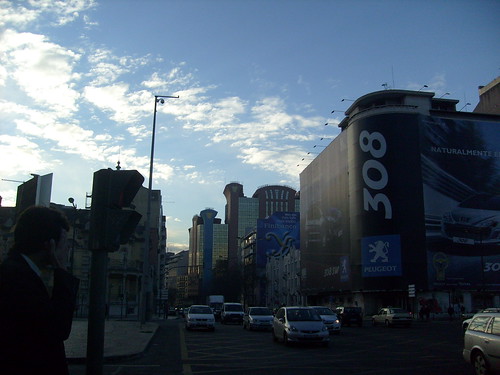
S7300940
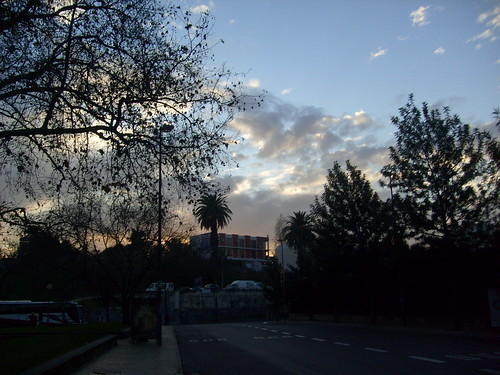
Av da Republica facing Saldanha

S7300941
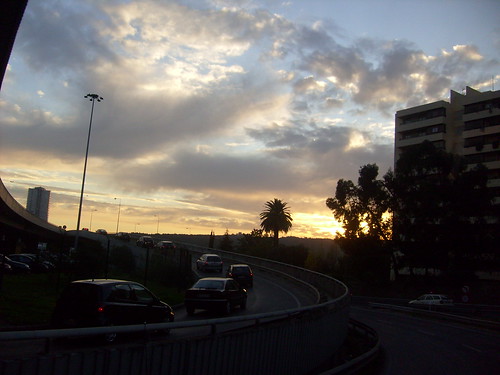
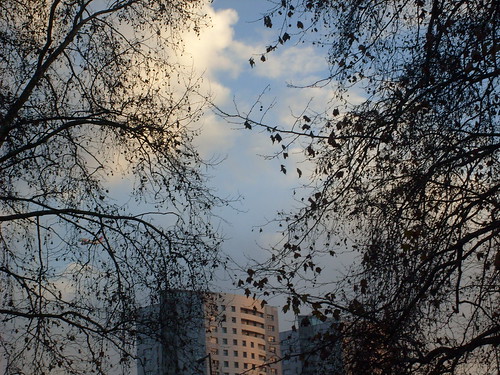
Av Republica sky

S7300942
Av João XXI

S7300943
Av de Berna: way home

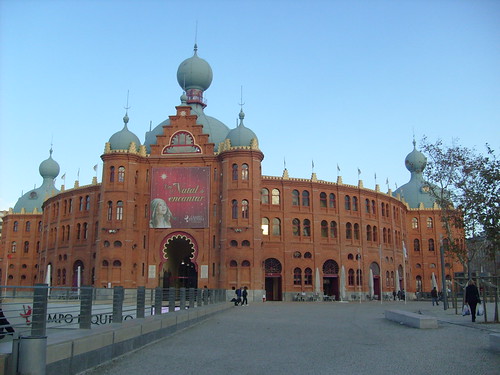
S7300948
Campo Pequeno: Last shoppings

S7300953
Down to the shopping, shooting up

S7300959
Av Republica again after shopping

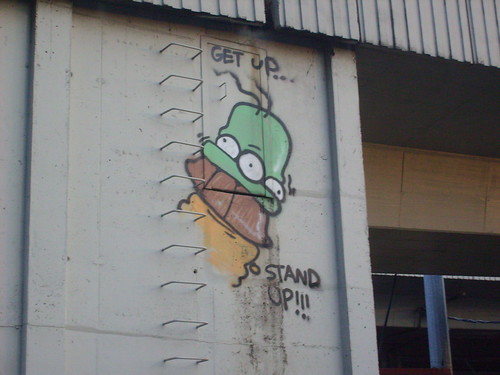
S7300962
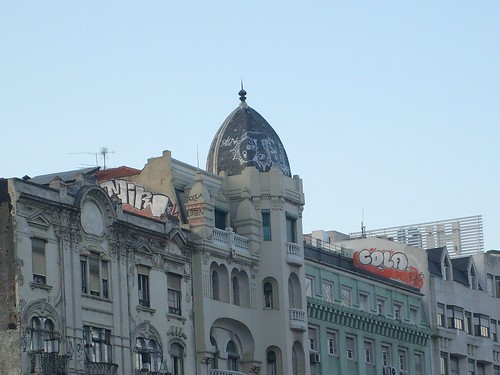
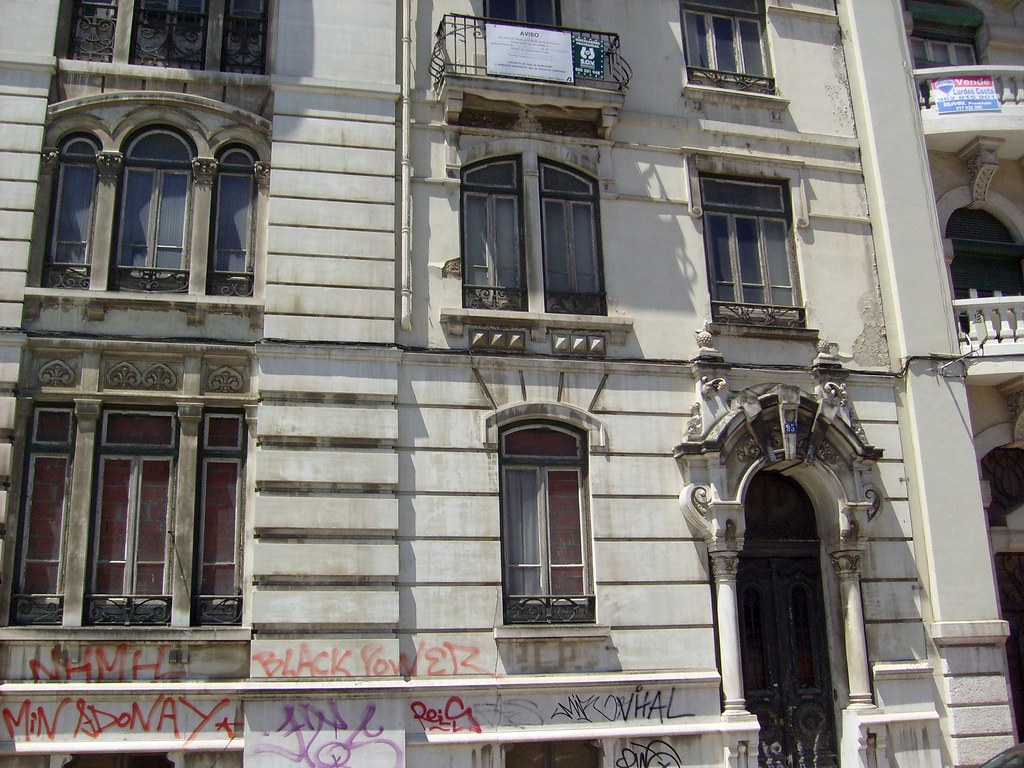
Amazing where people can reach to put grafittis!!

S7300963
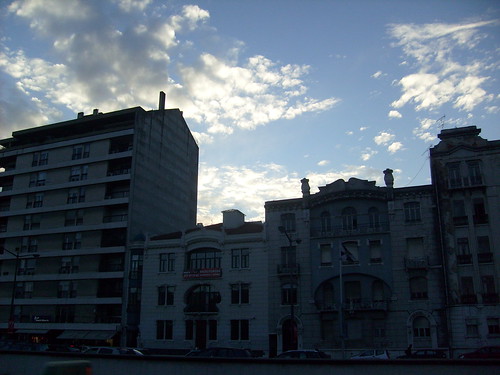
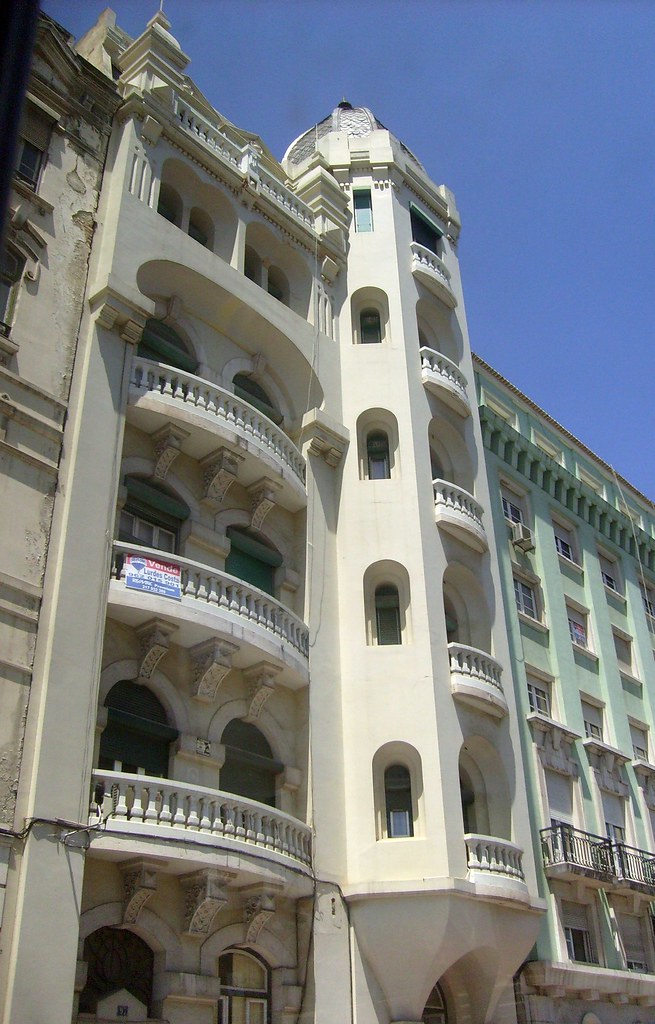
Just some old and new buildings

S7300966
Av da Republica again! LOL
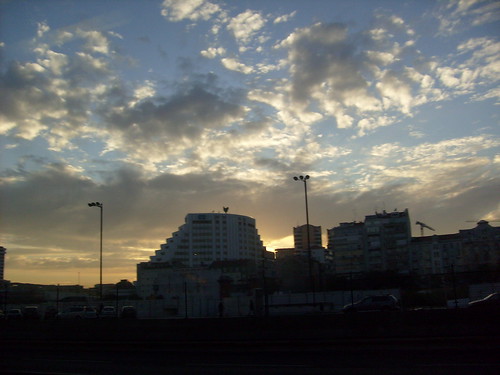
Hope you dont guet bored but I loved the sky today.

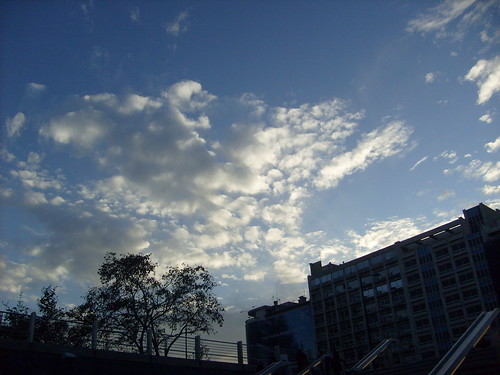
S7300971
Sky over TMN

S7300975
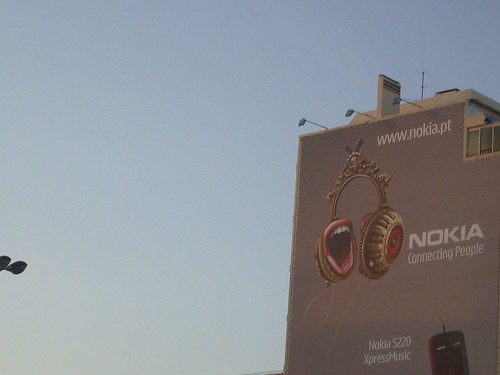
Some funny ad

S7300980
Entrecampos I

S7300981
Entrcampos II

S7300982
Entrecampos III

S7300999
Sete Rios

S7301003
Get up...stand up!

S7301005
Sete rios Sky watch

S7301009
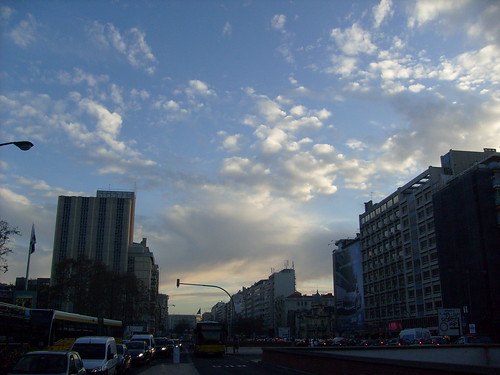
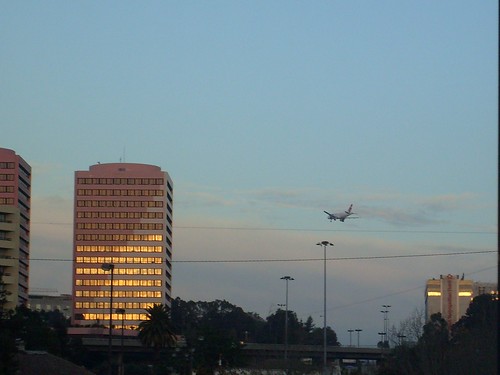
Twin Towers: almost home

S7301012
Oposite side sky

S7301014
My street

27/11/2008

#332 - Rainy days III


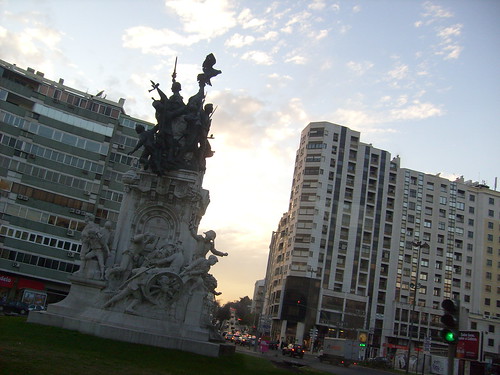
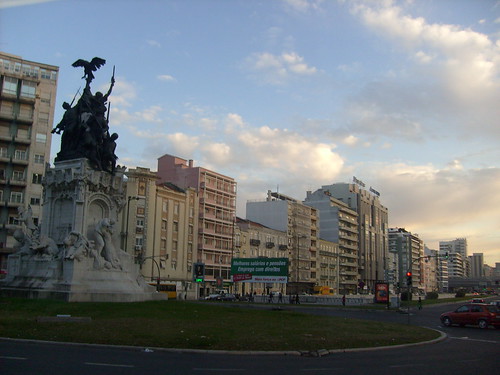
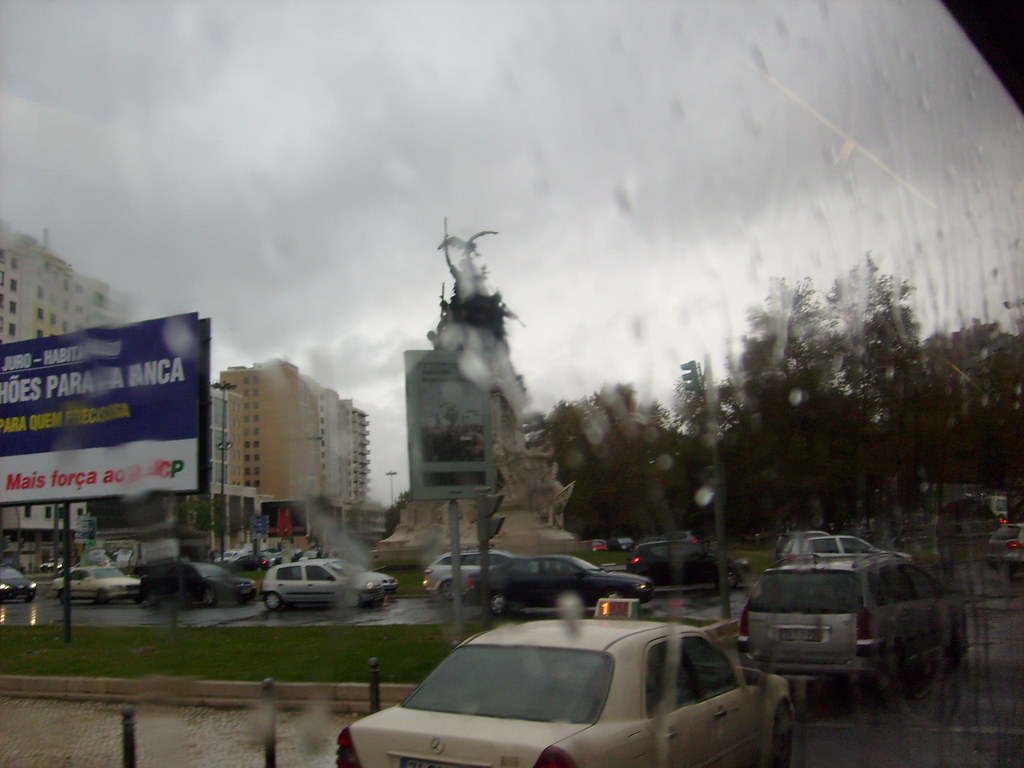
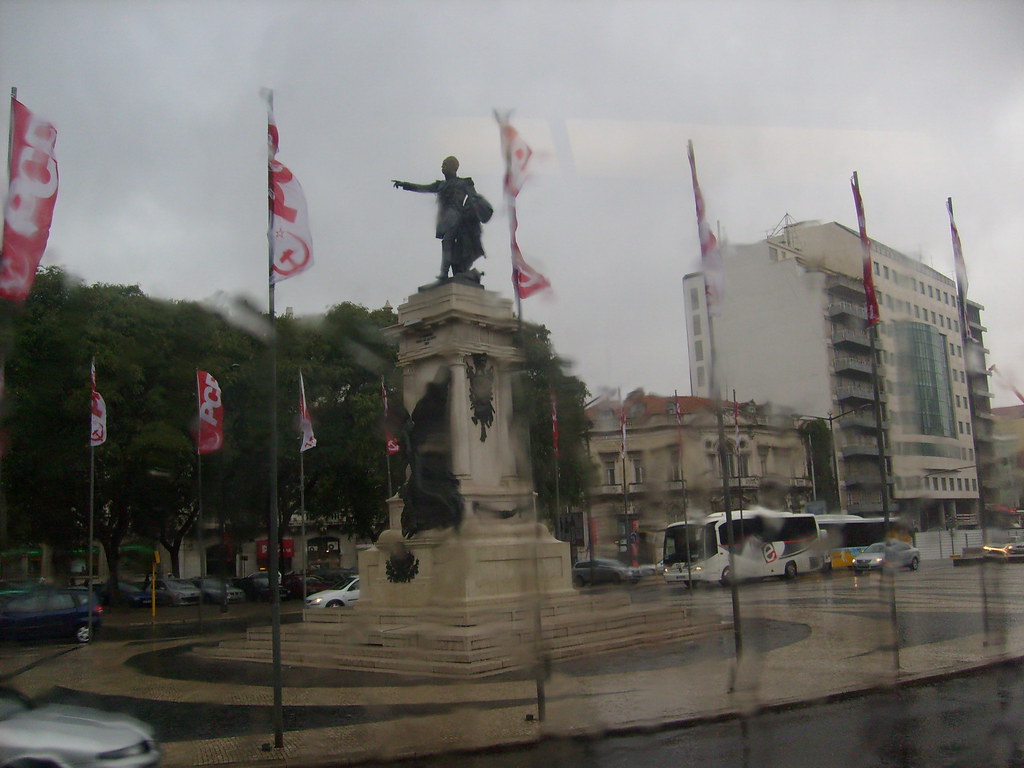
Monument to the People's and Heroes of the Peninsular War

Location
Rotunda of Entrecampos (Old Square Mouzinho from Albuquerque)

Author
Jose de Almeida Ferreira (sculptor)
Francisco de Almeida Ferreira (architect)

Date
January 8, 1933

"Monument erected in evocation of the centenary of the victory of Portugal over the French troops. The ceremony of launching the first stone, chaired by King Manuel II, took place on September 15 of 1908, and the inauguration took place only in 1933.
This monument of 12metros tall, is composed of two levels, and the bottom of limestone and the top of bronze. Its composition suggests an epic reading, narrated by all sides. The front bears the tomb of Vasco da Gama, on which you see a group of monks, popular and military, who swear to defend the homeland. In light source is a doorway at the bottom of which is the tomb of Camoes, topped by verses of The Lusiads. The west side boasts a group, where highlights a girl kneeling at the feet of a male figure. In addition top of the 12 shells of villages involved in the war, there is a group of bronze, which highlights the figure of the homeland, with 5metros high, and soldiers who, with their rifles haze, threatening the Napoleonic eagle." [*]


The Peninsular War or Spanish War of Independence[3] was a contest between France and the allied powers of Spain, the United Kingdom, and Portugal for control of the Iberian Peninsula during the Napoleonic Wars. The war began when French armies invaded Portugal in 1807 and Spain in 1808 and lasted until the Sixth Coalition defeated Napoleon in 1814.

Spain's liberation struggle marked one of the first national wars[4] and large-scale guerrilla conflicts, from which the English language borrowed the word.[5] Its success was in part decided by the exploits of Spanish guerrilleros and the inability of Napoleon Bonaparte's large armies to pacify the people of Spain.[6]

Throughout the war, British and Portuguese armies defended Portugal and staged diversionary campaigns against French forces while guerrillas bled the occupiers. Together, the regular and irregular allied forces prevented Napoleon's marshals from subduing the rebellious Spanish provinces.[7] French units in Spain, though often victorious in battle, were always in danger of being cut off and overwhelmed by the partisans, and the Spanish army, though driven to the peripheries, could not be stamped out.[8] In the final years of war, with France gravely weakened following Napoleon's invasion of Russia, Wellington's allied army pushed across Spain from Portugal and liberated Madrid. Eventually, the exhausted French forces withdrew across the Pyrenees.


History:

"The Peninsular War or Spanish War of Independence[3] was a contest between France and the allied powers of Spain, the United Kingdom, and Portugal for control of the Iberian Peninsula during the Napoleonic Wars. The war began when French armies invaded Portugal in 1807 and Spain in 1808 and lasted until the Sixth Coalition defeated Napoleon in 1814.

Spain's liberation struggle marked one of the first national wars[4] and large-scale guerrilla conflicts, from which the English language borrowed the word.[5] Its success was in part decided by the exploits of Spanish guerrilleros and the inability of Napoleon Bonaparte's large armies to pacify the people of Spain.[6]

Throughout the war, British and Portuguese armies defended Portugal and staged diversionary campaigns against French forces while guerrillas bled the occupiers. Together, the regular and irregular allied forces prevented Napoleon's marshals from subduing the rebellious Spanish provinces.[7] French units in Spain, though often victorious in battle, were always in danger of being cut off and overwhelmed by the partisans, and the Spanish army, though driven to the peripheries, could not be stamped out.[8] In the final years of war, with France gravely weakened following Napoleon's invasion of Russia, Wellington's allied army pushed across Spain from Portugal and liberated Madrid. Eventually, the exhausted French forces withdrew across the Pyrenees.

War and revolution against Napoleon's occupation led to the Spanish Constitution of 1812, later a cornerstone of European liberalism.[9] The burden of war destroyed the social and economic fabric of Portugal and Spain and ushered in an era of turbulence, instability, and economic crisis. Devastating civil wars between liberal and absolutist factions, led by officers trained in the Peninsular War, persisted in Iberia until 1850. The cumulative crises and disruptions of invasion, revolution, and restoration led to the independence of Spain's American colonies and the independence of Brazil from Portugal." [*]

25/11/2008

#330 - Rainy days II


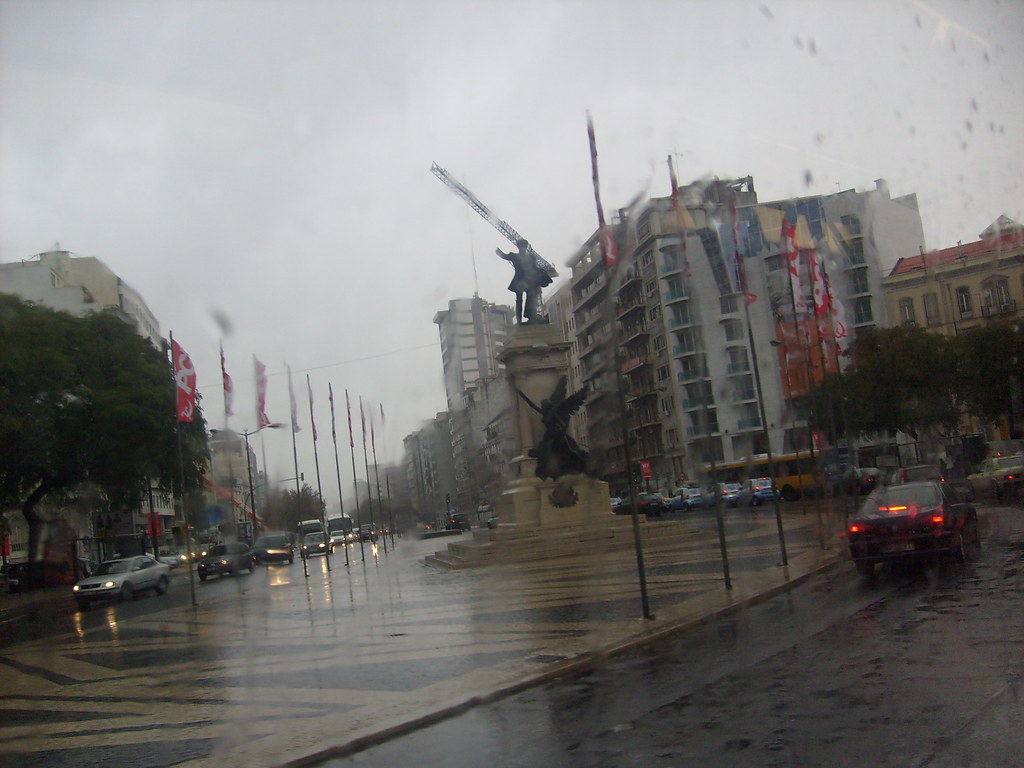
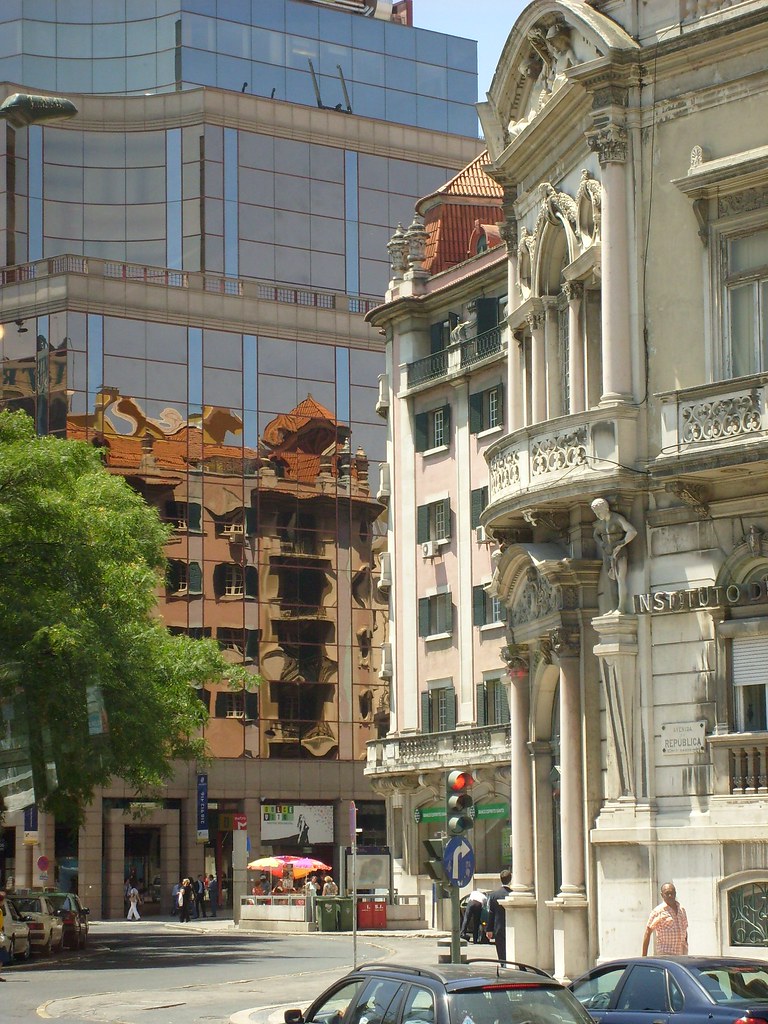
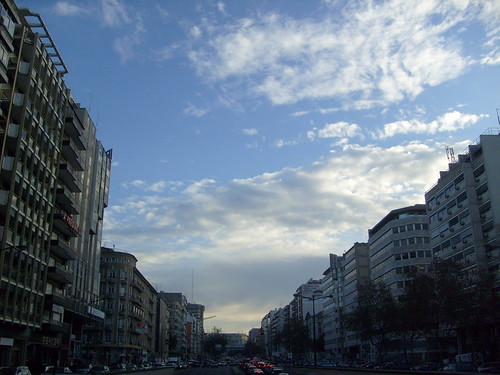
"Avenida da Republica is one of the main avenues of Lisbon, geared towards north-south axis, which is the nerve of New Avenues.

Ressano Garcia Avenue called to the establishment of the Republic, this artery extends from the Plaza Duque de Saldanha to Entrecampos Square, where there are several important buildings, especially headquarters or offices of large companies and some trade. The number of residents is negligible.

It is along this avenue that is the Plaza de Toros do Campo Pequeno, who reoppened to the public in 2006. It is also next to the railway station of her Entrecampos, one of the most widely used of the Portuguese capital, right next to the Old People's Fair that for a long time, was the largest amusement park in Portugal.

The Avenue of the Republic is served by three stations, Metro: Saldanha, Campo Pequeno and Entrecampos, and several rows of the bus rails." [*]

22/11/2008

#327 - Rainy days I


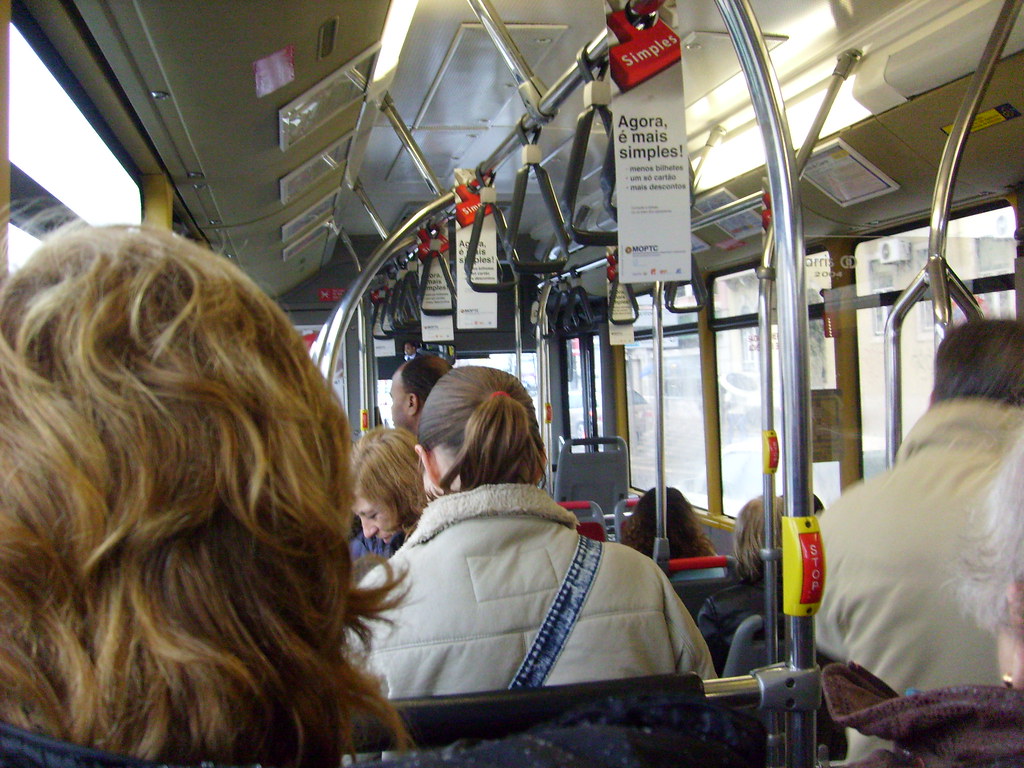
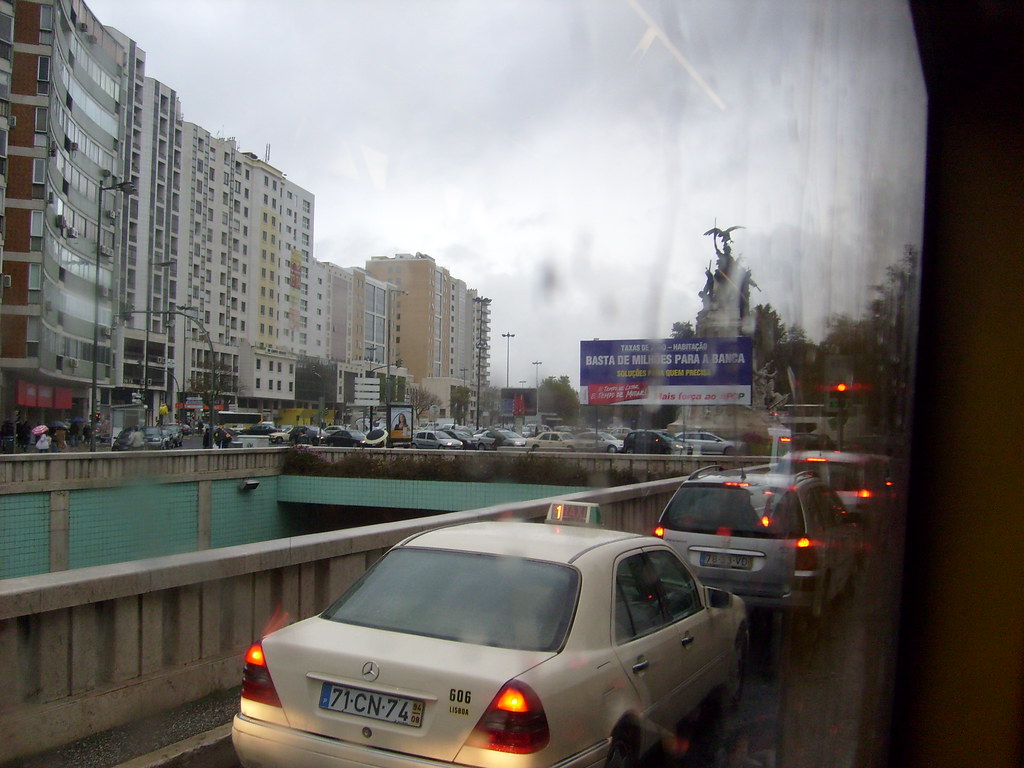
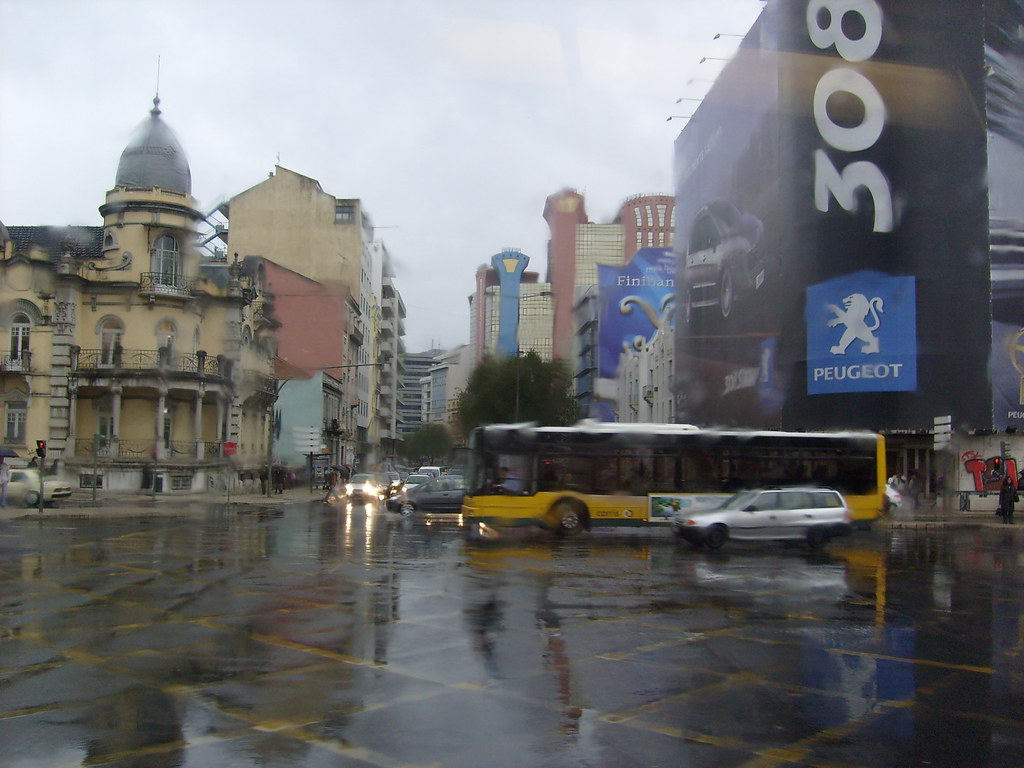
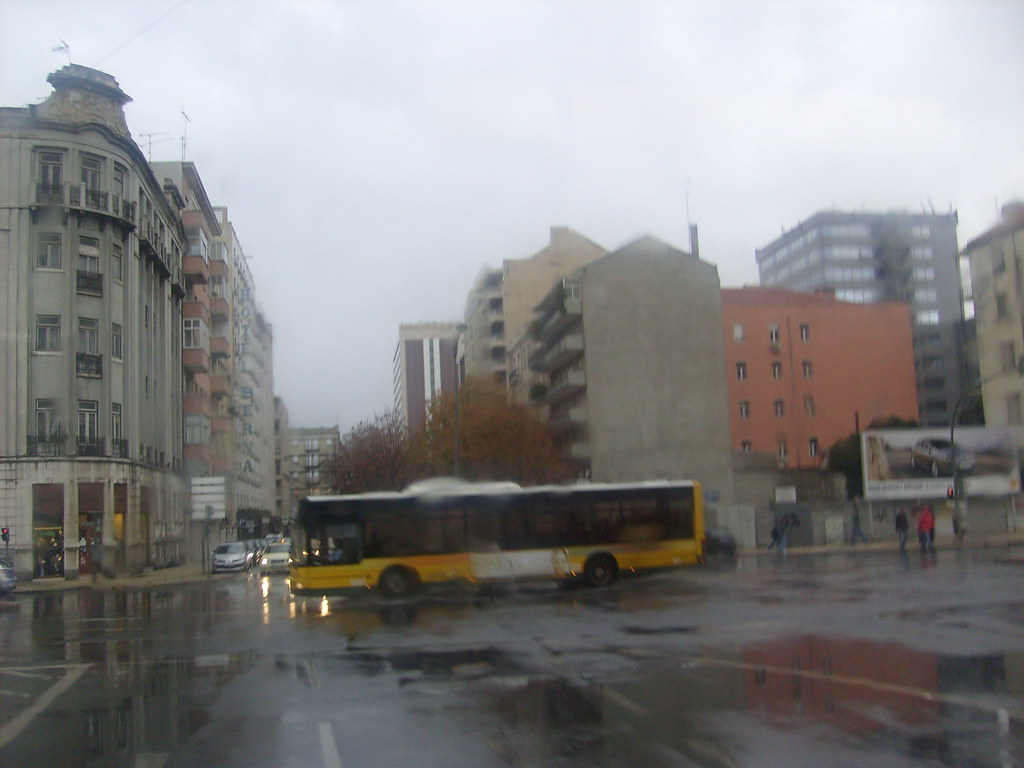
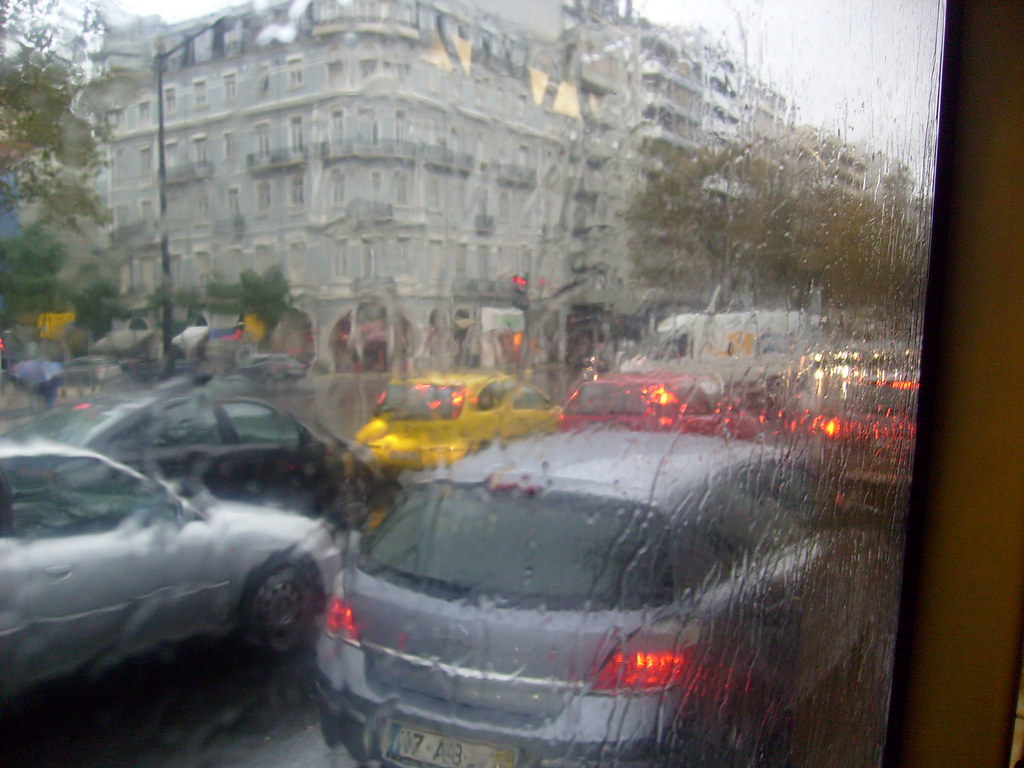
Yesterday I manage to get away from work at lunch time and I took a few shots from the bus.Hope you like them because i'll keep posting them tomorrow.
It's hard to me to take photos now during day because at 5.30pm its already dark and photos get really crappy!

Statue to the Duke of Saldanha

"At the heart of the Plaza Duque de Saldanha, is a monument that evokes the memory of a great military, political and Portuguese statesman. The name was evoked JJOÃO CARLOS DE SALDANHA OLIVEIRA E DAUM, 1st Earl, 1st Marquess and 1st Duke of Saldanha. Born in Lisbon on November 17 in 1790 and died in London on November 21, 1876.

Thirteen years after his death, coming to remind the relevant services to the Fatherland and Freedom, has been open tender for the construction of the monument, which was charged by public subscription. Among several competitors, won the draft submitted by statuary Tomas da Costa and the architect Miguel Ventura Terra.

On Nov. 5 of 1904, proceeded to the formal ceremony to launch the first stone, chaired by King Carlos, on February 13 of 1909, was inaugurated by King Manuel II.
The monument has a pedestal with 7.28 meters tall, square base, flanked the same order of columns and capitals cinnamon, topped with a bronze statue in the honored, that with 3.18 meters in height.

At the base, the side facing the Avenida Fontes Pereira de Melo, presented in a bronze allegorical figure of "Victory", draw in the right hand, a sword and winning on the left, the glorious palm. From this figure, also executed in bronze, are the weapons between branches of Portuguese laurel. In the other sides of the pedestal, there are heads of lions, arguing in the mouth range with decorative inscriptions alluding to the campaigns of Marshal: the north, campaign Montevideo (1816 - 1823); to this, Peninsular War (1806 -1814) and, to the west, the campaigns of Freedom (1826 to 1834).

The statue and all the decorative elements were merged in the Army Arsenal, the statue weighing 2354 kg and allegory of the "Victory" 1920 kg." [*]
03/09/2008

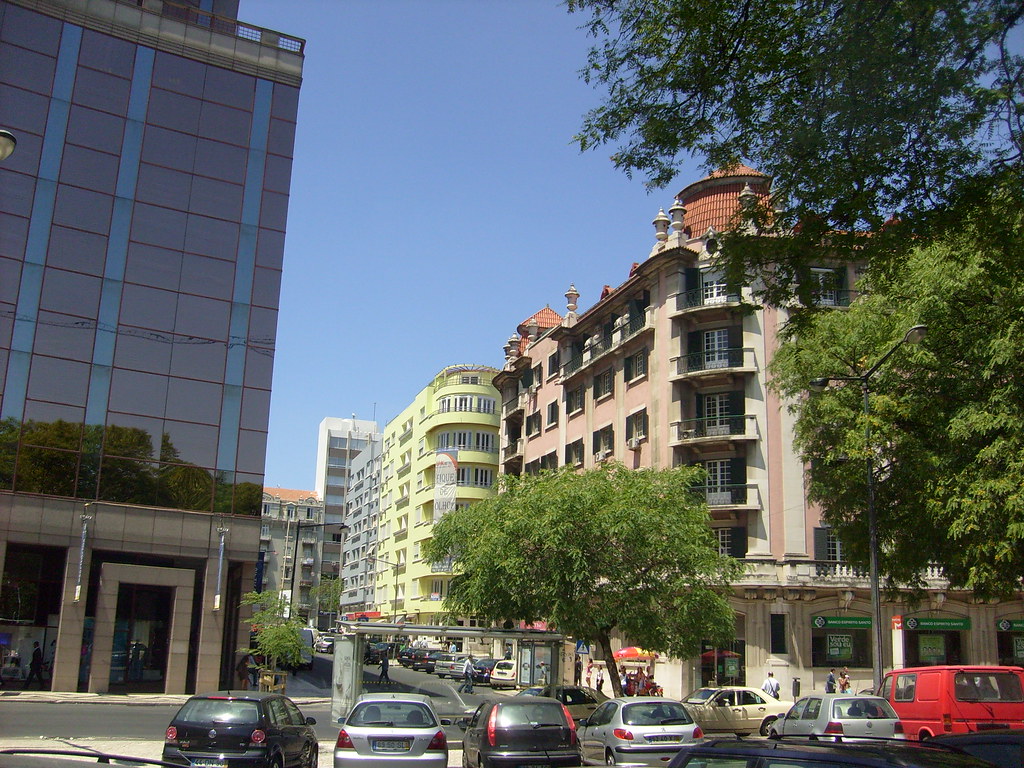
#247 - Av. da República VII


Monumental Cinema Teatro


Status: Closed/Demolished
Screens: Single Screen
Style: Art Deco
Architect: Raul Rodrigues Lima


"Opened on 14th November 1951, the architect of this 'monumental' cinema which certainly lived up to its name was Raul Rodrigues Lima.

The building took up a whole city block and seating in the large auditorium was on orchestra level with two balconies above. The cinema was equipped to screen 70mm movies and films such as "Ben Hur", "My Fair Lady", "West Side Story" and "2001: A Space Odessy" all had long runs here.

I don't know when the Monumental closed, but I do know that there was great pressure put on the 'powers that be' to save the building from destruction. All this came to nothing and sadly it was demolished in 1984.

Any further information on this magnificent cinema would be appreciated.

I believe that the current 4 screen Monumental Cinema, located at Edifico Monumental, Praca Duque de Saldanha is built on the site of the Monumental Cinema Teatro. This new cinema screens independent and European art house movies. " [*]


02/09/2008

#246 - Av. da República VI


01/09/2008

#245 - Av. da República V


31/08/2008

#244 - Av. da República IV


30/08/2008

#243 - Av. da República III


28/08/2008

#241 - Av. da República II


27/08/2008

#240 - Av. da República I


Empty


For sale