Showing posts with label Belém. Show all posts
Showing posts with label Belém. Show all posts
26/11/2008
24/11/2008
#329 - Theme day topic: Circles/Spheres


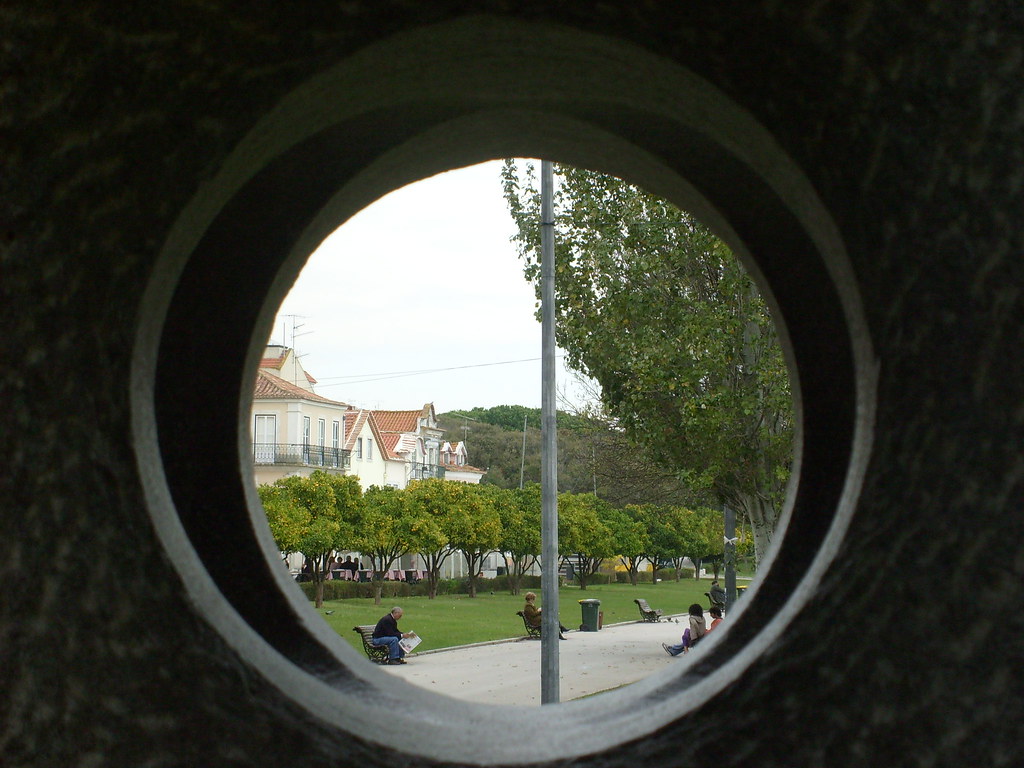


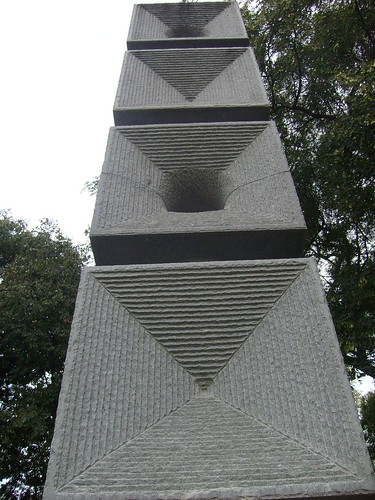
Sculpture Garden, Jardim Monteiro Mor, Lisboa, Portugal
"Inaugurated in 1995 to house sculptures signed by contemporary artists both national and international, the Sculpture Garden was the manner in which the National Costume Museum found to enrich the landscape patrimony that is today the Monteiro-Mor Park.
Having the benefit of a natural environment and a diversified landscape, each sculpture is implanted according to its author’s criteria, avoiding in this manner the constraints that so often occur in exhibitions held in traditional spaces.
It is in this context that the sculptures by Catarina Baleiras and Niizuma come to feature in the garden; two artists who, together, represent the moment of creation. West and East reunited in one space, strengthening the age-old relationship between these two peoples. Thus, the Portuguese sculptor Catarina Baleiras expresses herself through her “Ladies of Strong Character Cultivate Wild Herbs”, a work that guided by the idea of an amalgam that resembles, by its form and not by the matter it is made of, a ball of yarn made of wool, linen, cotton or silk. The Japanese artist, on the other hand, evokes, through his sculpture “Castle of the Eye”, a verticality conquered by Homo Erectus. It is with this work that Niizuma also wishes to convey, in abstract form, his age-old Samurai origin.
The Sculpture Garden is also dedicated to Santo Antonio and to the 23 Franciscan friars who were crucified in the city of Nagasaki in 1597, best known as the “Martyrs of Japan”
During the course of this year, on the occasion of the Silver Anniversary of the National Costume Museum and the Monteiro-Mor Park, two more sculptures will be implanted in the park: Soror Mariana (Sister Mariana) by João Cutileiro and A Mola (The Spring) by José Lucas." [*]
"Inaugurated in 1995 to house sculptures signed by contemporary artists both national and international, the Sculpture Garden was the manner in which the National Costume Museum found to enrich the landscape patrimony that is today the Monteiro-Mor Park.
Having the benefit of a natural environment and a diversified landscape, each sculpture is implanted according to its author’s criteria, avoiding in this manner the constraints that so often occur in exhibitions held in traditional spaces.
It is in this context that the sculptures by Catarina Baleiras and Niizuma come to feature in the garden; two artists who, together, represent the moment of creation. West and East reunited in one space, strengthening the age-old relationship between these two peoples. Thus, the Portuguese sculptor Catarina Baleiras expresses herself through her “Ladies of Strong Character Cultivate Wild Herbs”, a work that guided by the idea of an amalgam that resembles, by its form and not by the matter it is made of, a ball of yarn made of wool, linen, cotton or silk. The Japanese artist, on the other hand, evokes, through his sculpture “Castle of the Eye”, a verticality conquered by Homo Erectus. It is with this work that Niizuma also wishes to convey, in abstract form, his age-old Samurai origin.
The Sculpture Garden is also dedicated to Santo Antonio and to the 23 Franciscan friars who were crucified in the city of Nagasaki in 1597, best known as the “Martyrs of Japan”
During the course of this year, on the occasion of the Silver Anniversary of the National Costume Museum and the Monteiro-Mor Park, two more sculptures will be implanted in the park: Soror Mariana (Sister Mariana) by João Cutileiro and A Mola (The Spring) by José Lucas." [*]
Click here to view thumbnails for all participants

 Etiquetas:
Belém,
Monthly Theme Day
Etiquetas:
Belém,
Monthly Theme Day
09/11/2008
#314 - One balloon at Belém

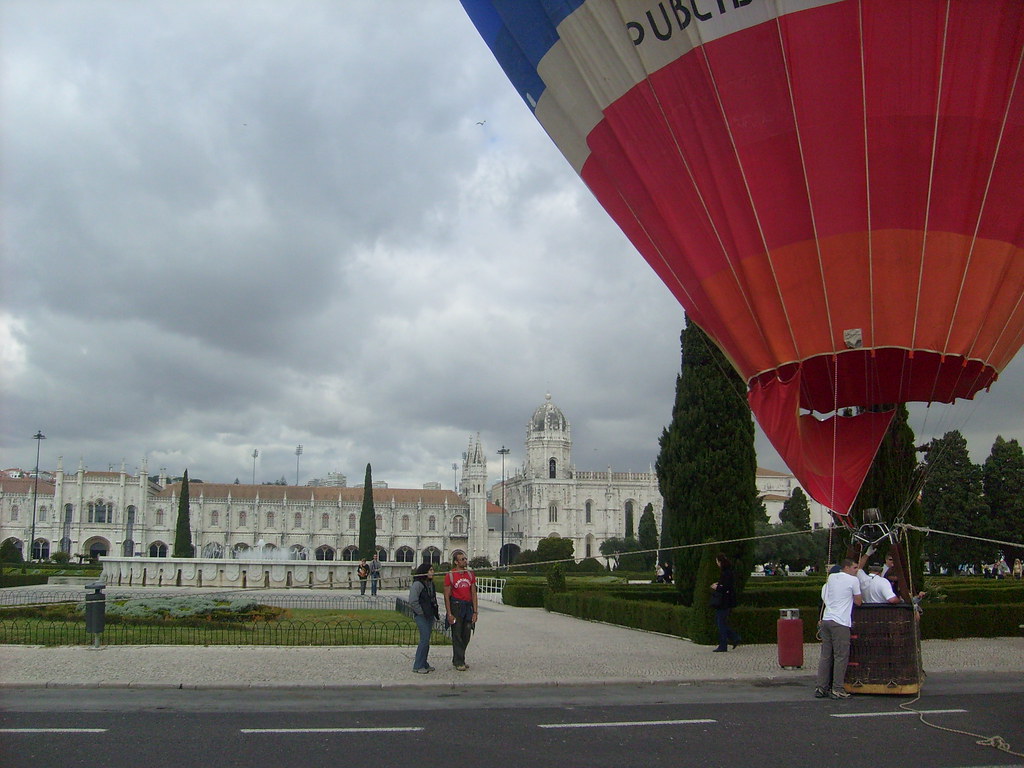
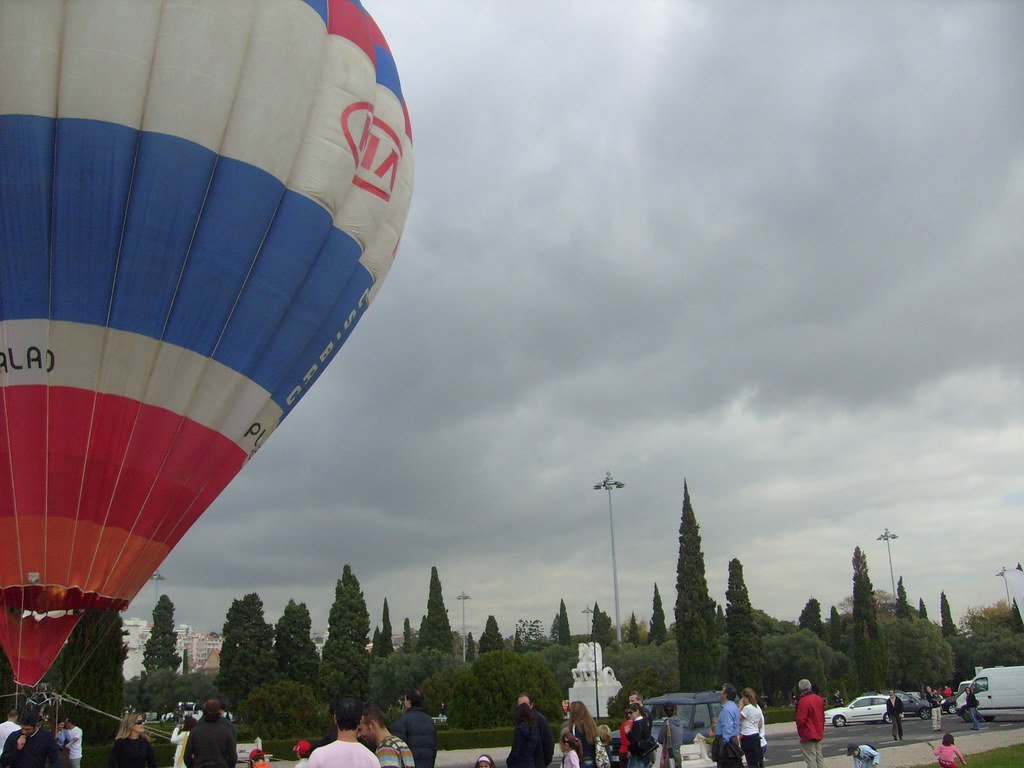


I went to see 50 balloons and I just found one! LOL
Maybe I'll post the others 49 in the next days.
Maybe I'll post the others 49 in the next days.
12/03/2008
#72 - Thirst!
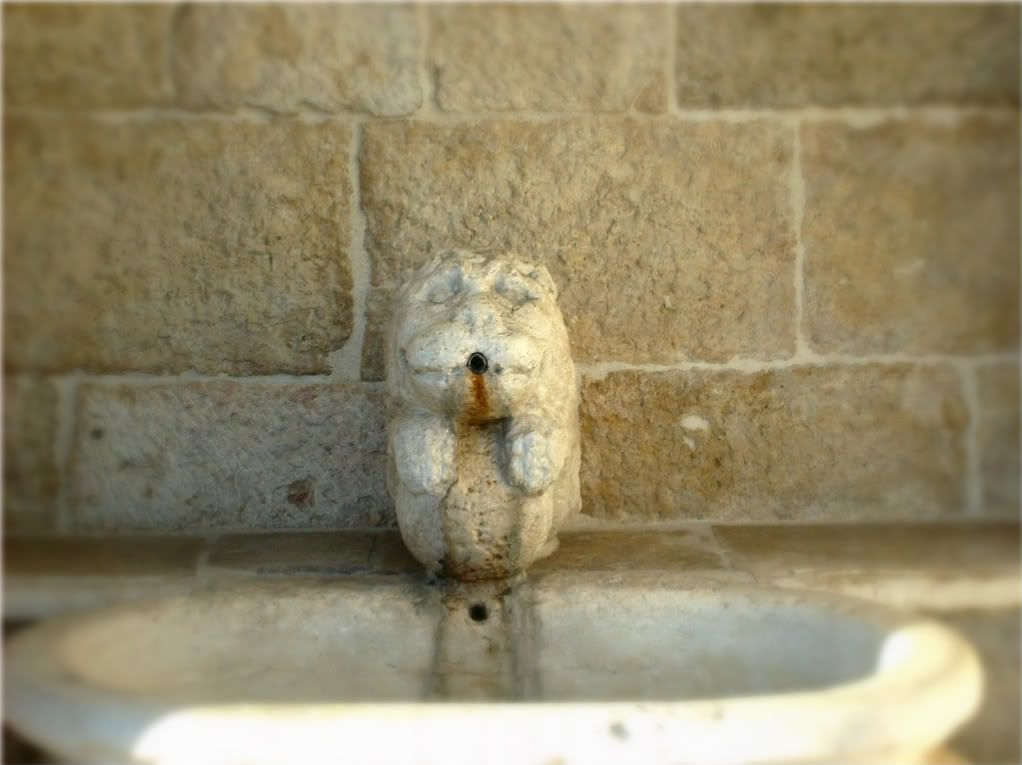
Detail of wall outside the Palácio de Belém, official residence of the President of the Republic.
11/03/2008
#71 - Please, play once more...
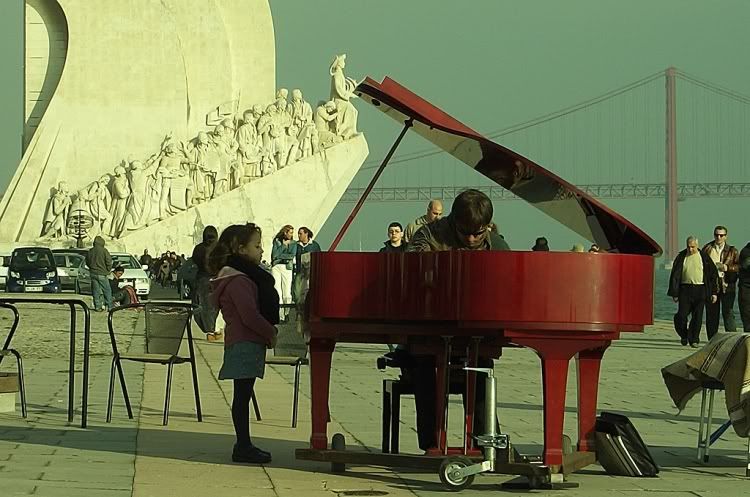
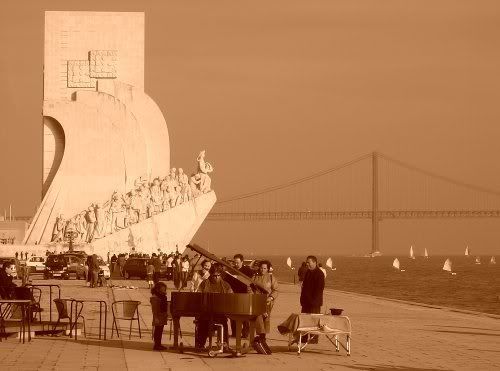
(all photos from Paulo Santos)
... asked Sailor Girl to a cute pianist named George Townboy. He hypnotized all with his music and charm at Padrão dos Descobrimentos.
(Yes, he's cute!)
The names have been adapted, they are not real :)
Etiquetas:
água,
Art,
Belém,
paulo santos,
ponte
08/03/2008
07/03/2008
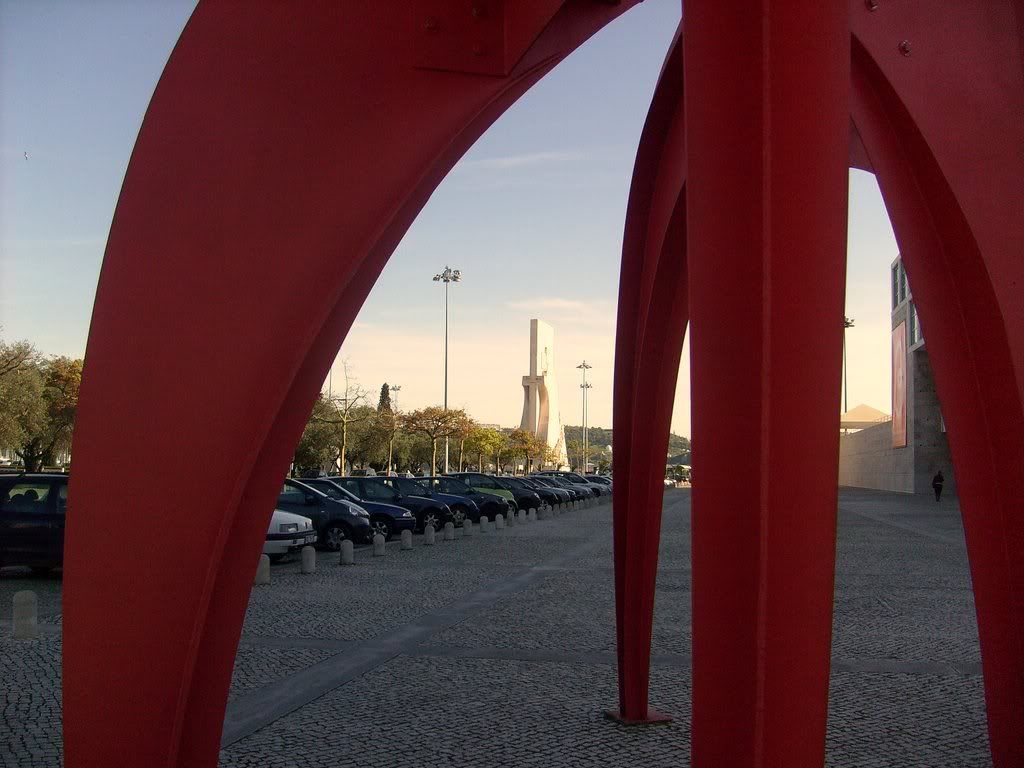
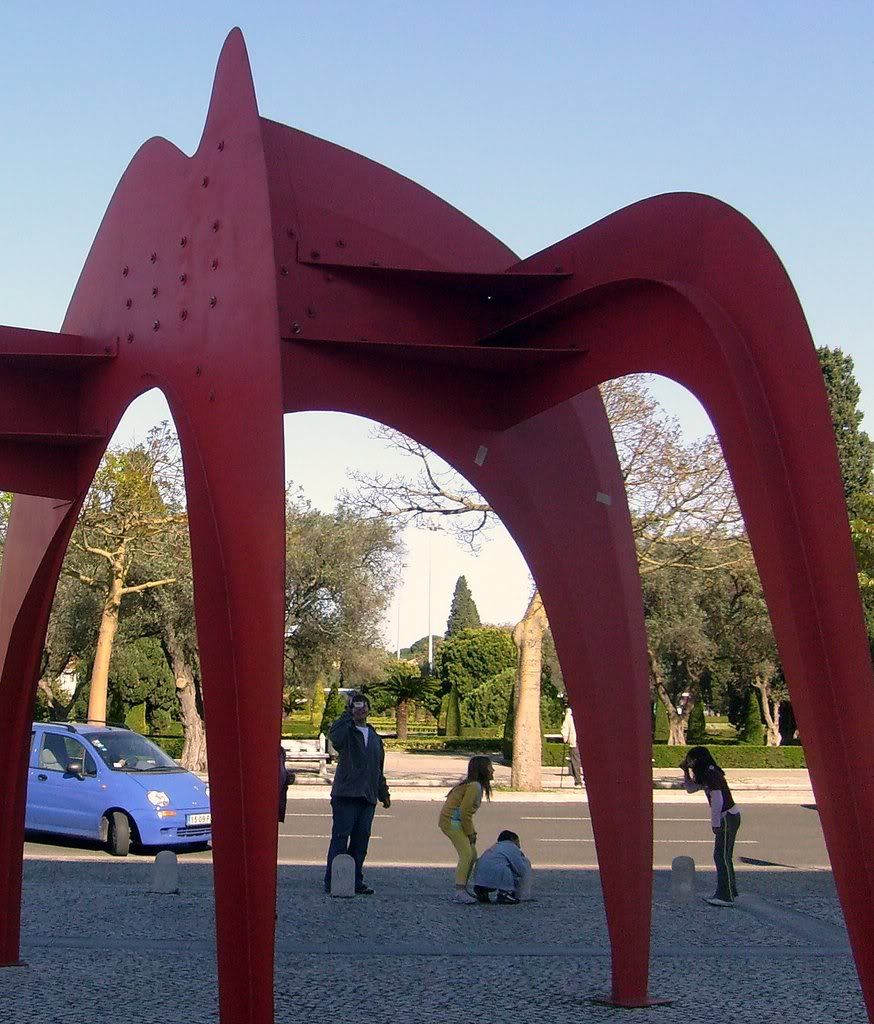
#67 - Big & Beautiful
05/03/2008
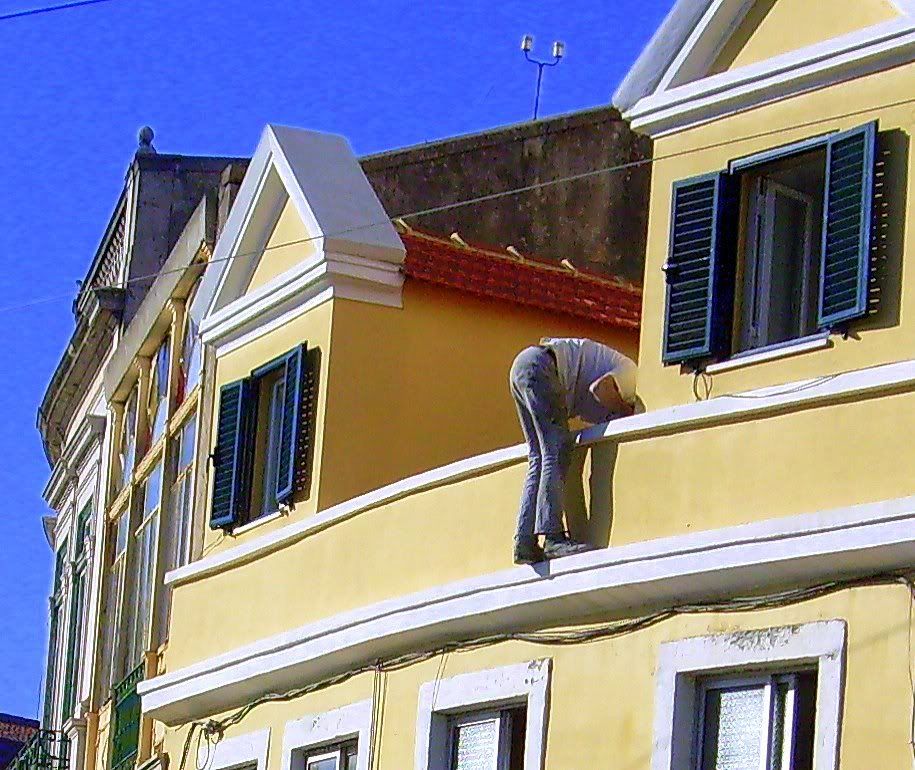
#65 - Spring under a new angle
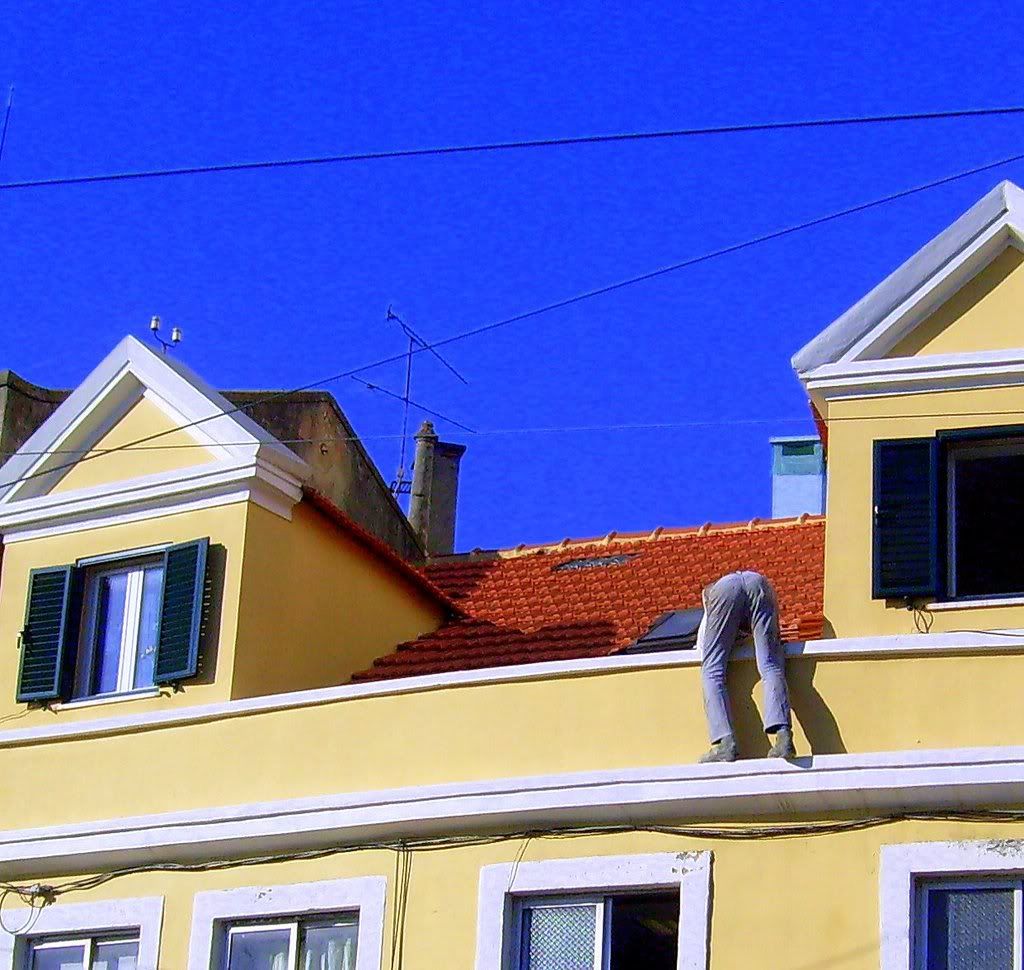
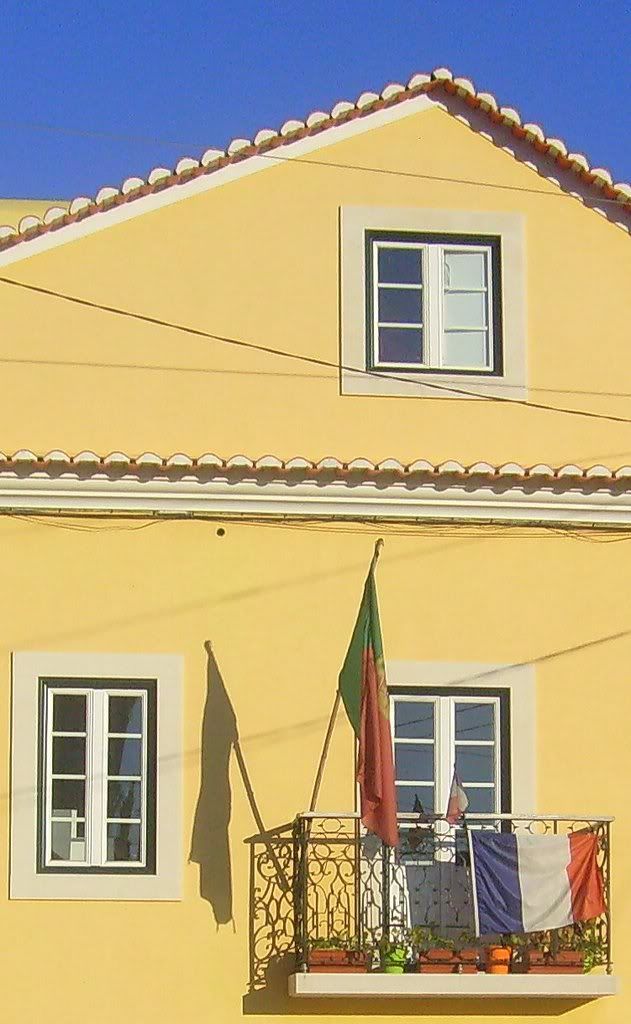
Due to several requests here's another picture of this series dedicated to all who appreciate it!!
Etiquetas:
Belém,
Curiosidade,
pessoas,
varanda,
window
04/03/2008
02/03/2008
27/02/2008
#58 - 3 in 1
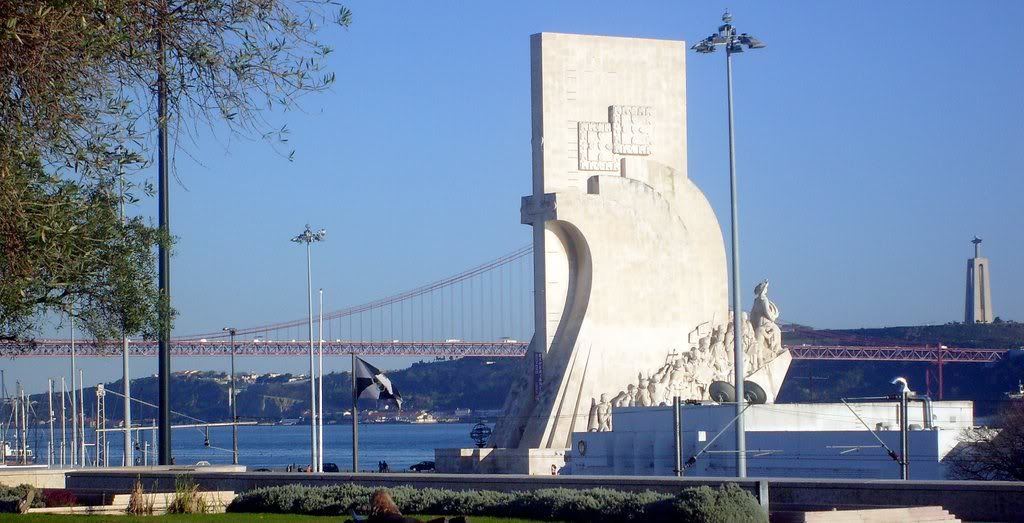
"The 25th of April Bridge, also known as Bridge over the Tagus (Ponte sobre o Tejo), was inaugurated in 1966 with the name “Salazar Bridge”, the dictator who had it built. It was later renamed to commemorate the “Carnation Revolution” that happened on the 25th of April 1974. This was a day of "bloodless revolution." In the Carnation Revolution, the soldiers placed carnations in the muzzles of their rifles as they led the revolt against the world's longest dictatorship. This suspension bridge is very similar in appearance to the Golden Gate Bridge in San Francisco. It is 2.278km long and leaves Lisbon at high level above Alcântara and makes landfall at Almada on the southern bank of the river. Particularly busy during weekends, traffic jams can be avoided by taking the recently-built Vasco da Gama bridge or leaving your car on a parking lot and taking the train that passes on the under side of the bridge since 1999.
On the Almada side you will be able to see the towering monument of Cristo Rei, similar to the Redentor in Brazil, overlooking the Tagus. If you wish to go there, a lift will take you up 82m to the top of the pedestal, offering excellent views of the city and the river
The Monument to the Discoveries was inaugurated in 1960 during celebrations of the 500 year anniversary of the death of the Infant D. Henrique (Henry the Navigator). It evoques the maritime expansion and is designed in the shape of a caravel, showing Henry the Navigator at the prow holding a small caravel, as well as many relevant heroes of Portuguese history (Vasco da Gama, Pedro Álvares Cabral - discoverer of Brazil - Fernão Magalhães - who crossed the Pacific in1520 -, the writer Camões and many others). Seen from the huge mariners compass this monument fascinates visitors with its impressiveness and its 50 metres height. It is visited by millions of people each year. Cut into the paving stone, the compass was a present from the Republic of South Africa in 1960 and it's best seen from the top of the Monument to the Discoveries, that you can access by elevator located inside the building. The central map, depicting galleons and mermaids, shows the routes of the discoverers in the 15th and 16th centuries.It is located in Belém, on the bank of the River Tagus, in an unique monumental area and looks particularly dramatic in the light of the late afternoon sun. "
On the Almada side you will be able to see the towering monument of Cristo Rei, similar to the Redentor in Brazil, overlooking the Tagus. If you wish to go there, a lift will take you up 82m to the top of the pedestal, offering excellent views of the city and the river
The Monument to the Discoveries was inaugurated in 1960 during celebrations of the 500 year anniversary of the death of the Infant D. Henrique (Henry the Navigator). It evoques the maritime expansion and is designed in the shape of a caravel, showing Henry the Navigator at the prow holding a small caravel, as well as many relevant heroes of Portuguese history (Vasco da Gama, Pedro Álvares Cabral - discoverer of Brazil - Fernão Magalhães - who crossed the Pacific in1520 -, the writer Camões and many others). Seen from the huge mariners compass this monument fascinates visitors with its impressiveness and its 50 metres height. It is visited by millions of people each year. Cut into the paving stone, the compass was a present from the Republic of South Africa in 1960 and it's best seen from the top of the Monument to the Discoveries, that you can access by elevator located inside the building. The central map, depicting galleons and mermaids, shows the routes of the discoverers in the 15th and 16th centuries.It is located in Belém, on the bank of the River Tagus, in an unique monumental area and looks particularly dramatic in the light of the late afternoon sun. "
You can also see the Flag of Lisbon. A gyronny of four parts of black and four of white.
26/02/2008
#57 - Trapped
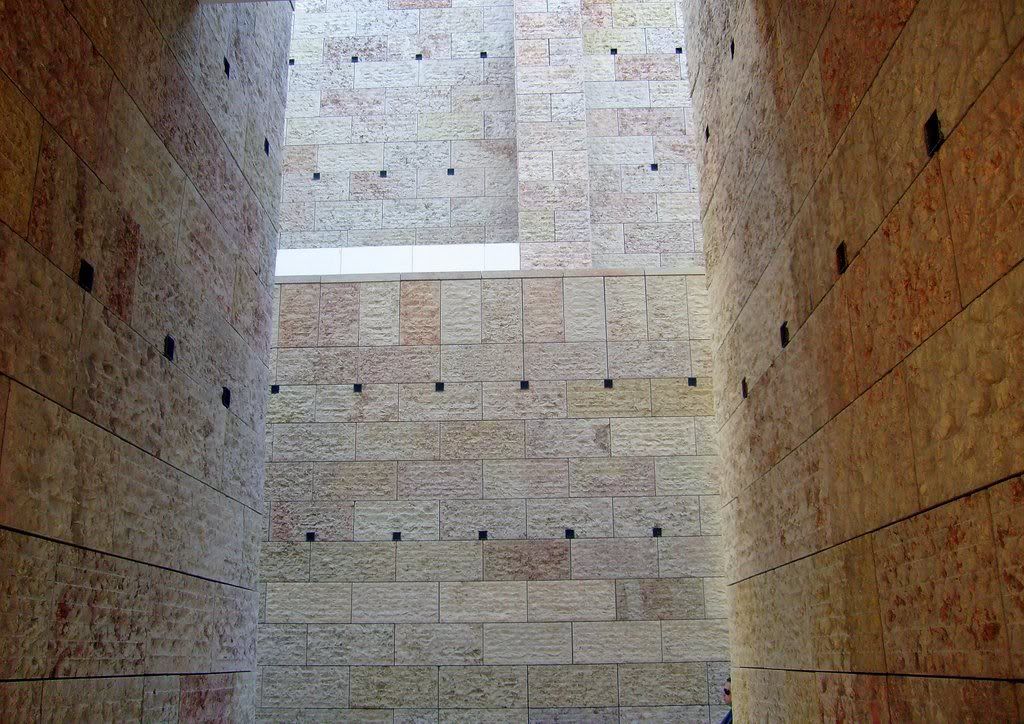
Trapped between walls! That's like I'm feeling now working all day and attend college at night. I do not have any free time left. I will try and keep posting everyday but I can not comment or visit your blogs with such regularity. I will do my best and visit you at weekends until middle of June.
Photo taken to the Cultural Centre of Belém. I dont know why but I love these walls.
19/02/2008
18/02/2008
#49 - History Lost
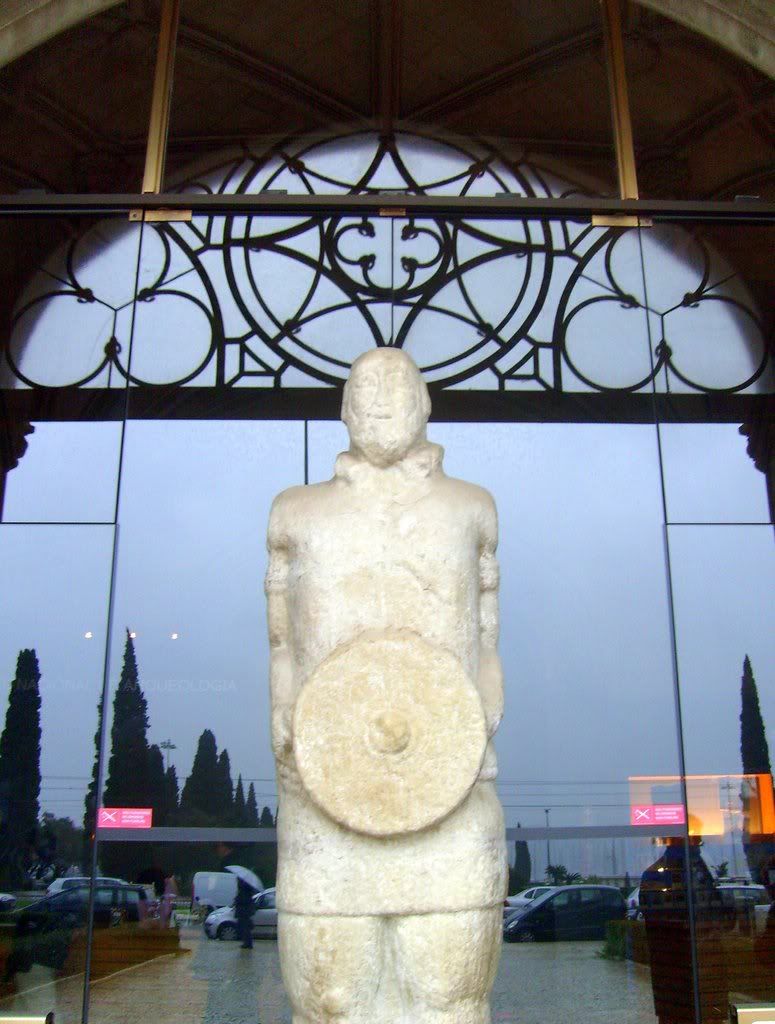
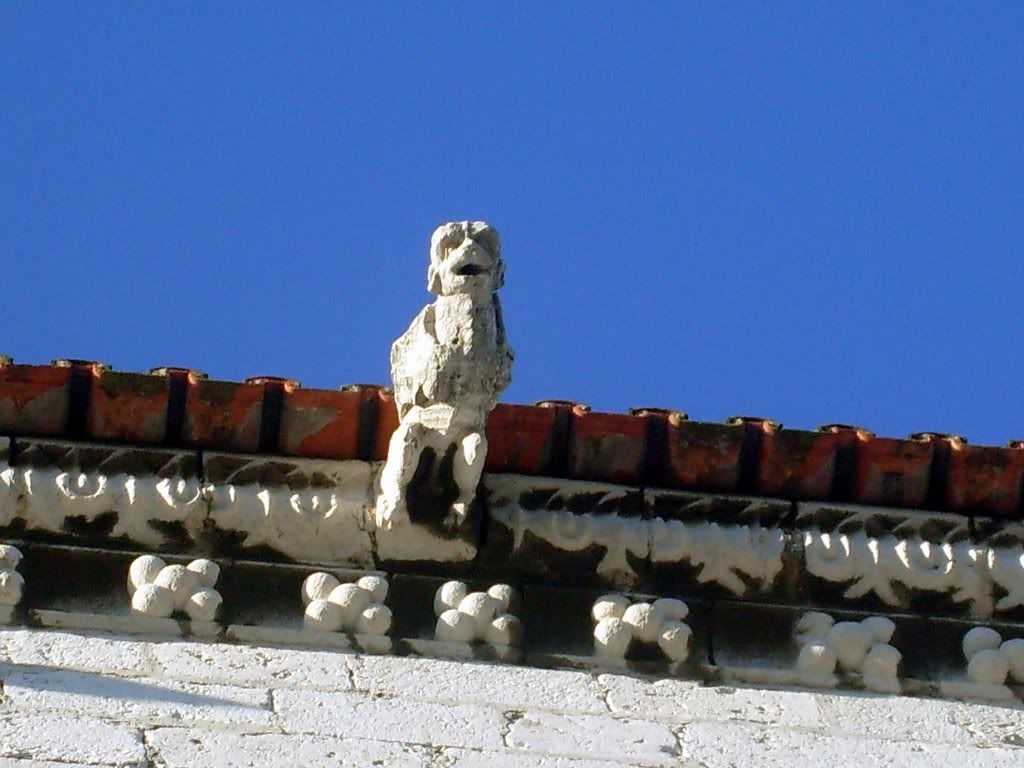
Front door
The National Museum of Archaeology "A centenary institution of Portuguese Culture" located in the Jerónimos Monastery .
Today’s National Museum of Archaeology (MNA) was founded in 1893 by Dr. José Leite de Vasconcelos. In more than a century of existence this Museum became a reference institution of Portuguese archaeology, with regular correspondence with museums, universities and research centres all over the World. The Museum’s collections gather the Founder’s first collections and those of Estácio da Veiga. Many other have been added, some come from other State departments (for example: archaeology collections of the old Portuguese Royal House, integrated in the Museum after the settlement of the Republic; archaeology collections of the former Beaux Arts Museum, incorporated when today’s National Museum of Ancient Art was created; etc.), another ones come from donations or legacies of collectors and devoted friends of the Museum; others come from the intense field work activity developed by the Museum or by other archaeologists; another ones from government dispatches, within the law, whenever archaeological finds in the Country are thought of national value.Besides the exhibitions, the Museum offers society (Portuguese and foreign) several other services. Conceived by its founder to be a kind of "Museum of the Portuguese Man", the MNA still follows the same basic vocation, that is, to account for the history of the settlement of our territory, from the beginning to the foundation of the nationality. It is the only institution in Portugal capable of doing it: because of its collections, its technical resources, its location in the Jerónimos Monastery (actual meeting point of nationals and foreigners), with special prominence to the schools from across the Country, which fully occupy the Museum's education department, yearly.
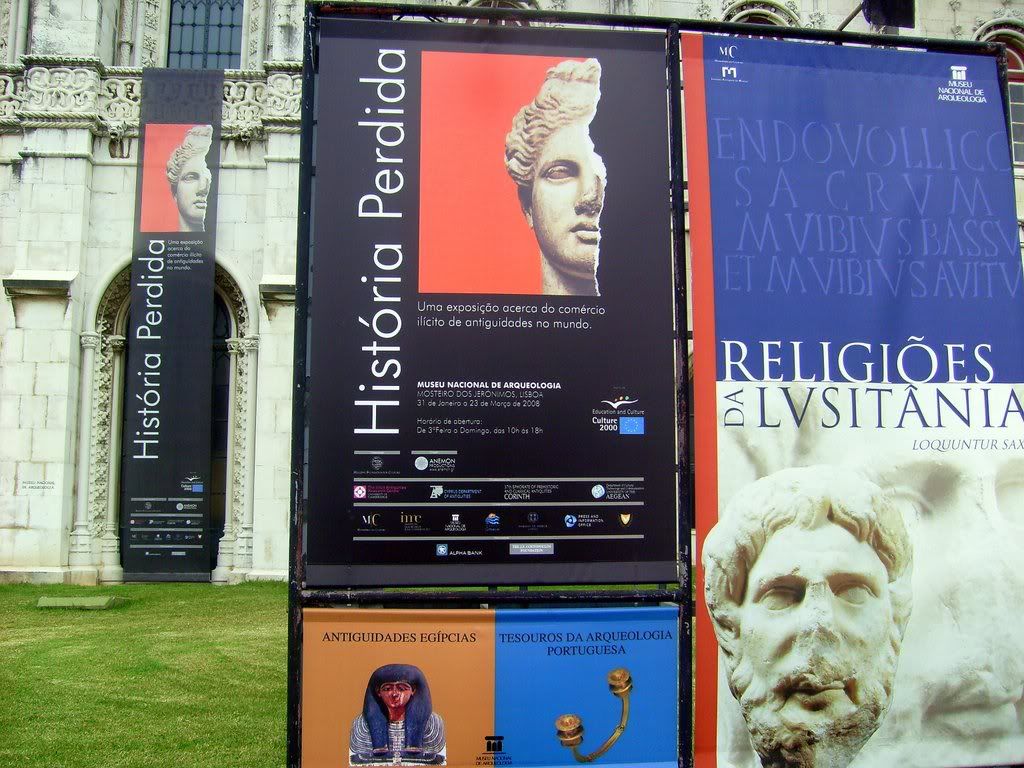
History Lost: An exhibition about the illicit trade of antiquities in the world.
Institutional organization: Hellenic Foundation for Culture.
Type of exhibition:International Cooperation Exhibition.
The removal of the Parthenon Marbles by Lord Elgin, in 1801, is famous. What is less well known is the extent of the looting of archaeological sites around the world today: that the majority of antiquities, which appear for sale on the art market, have been illegally dug and smuggled out of their country of origin.The steadily increasing number of museums in the U.S. and the rising demand for antiquities by private collectors in Europe, North America, Japan and Australia have exhausted the supply of legal antiquities. Few objects of the old collections, built up during the eighteenth century, are appearing on the market. The trade relies mainly on trafficking, theft and pillage. In contrast to the Elgin Marbles, the context and provenance of these objects will never be known. We will never know why they were created and what they have to say about our past. Taken out of context, they have lost their historical value. The escalating plunder of the world's archaeological heritage has not gone unnoticed by the international community. In 1970, UNESCO adopted the "Convention on the Means of Prohibiting and Preventing the Illicit Import, Export and Transfer of Ownership of Cultural Property". In 1972, after its ratification by four countries, the Convention went into effect. Today, 109 countries have adopted the Convention. The U.S. signed in 1983, Great-Britain in 2003.After the UNESCO Convention, museums, collectors and dealers still trading in antiquities of unknown provenance, began to use forged documents to cover their activities. As it was becoming increasingly difficult for western museums to buy antiquities, new large private collections were formed, containing previously unseen antiquities of unknown provenance. These collections, in turn, were exhibited, borrowed or bought by important museums in the West. Although the acquisitions made by large museums have been widely criticised, looting in Africa, Asia and Latin America has become more destructive due to the rise of art market prices. In Greece for example, due to the extensive looting of the Cyclades, we have lost the chance to find out more about the use and role of Cycladic idols and the history of these islands during the Bronze Age. Similarly, the destruction of Cyprus's cultural heritage intensified after the Turkish invasion. The antiquities trade spiralled out of control in the occupied northern part of Cyprus. It is estimated that 15,000 to 20,000 Byzantine icons, mosaics and wall-paintings have been stolen.
17/02/2008
#48 - Pasteis de Belém
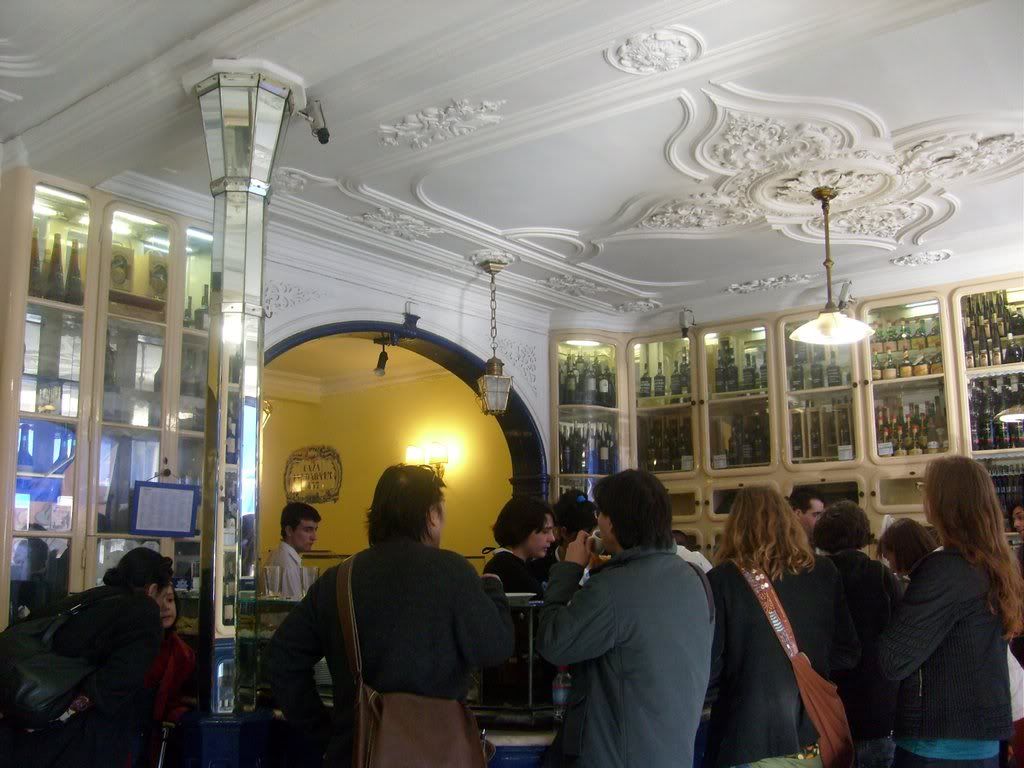
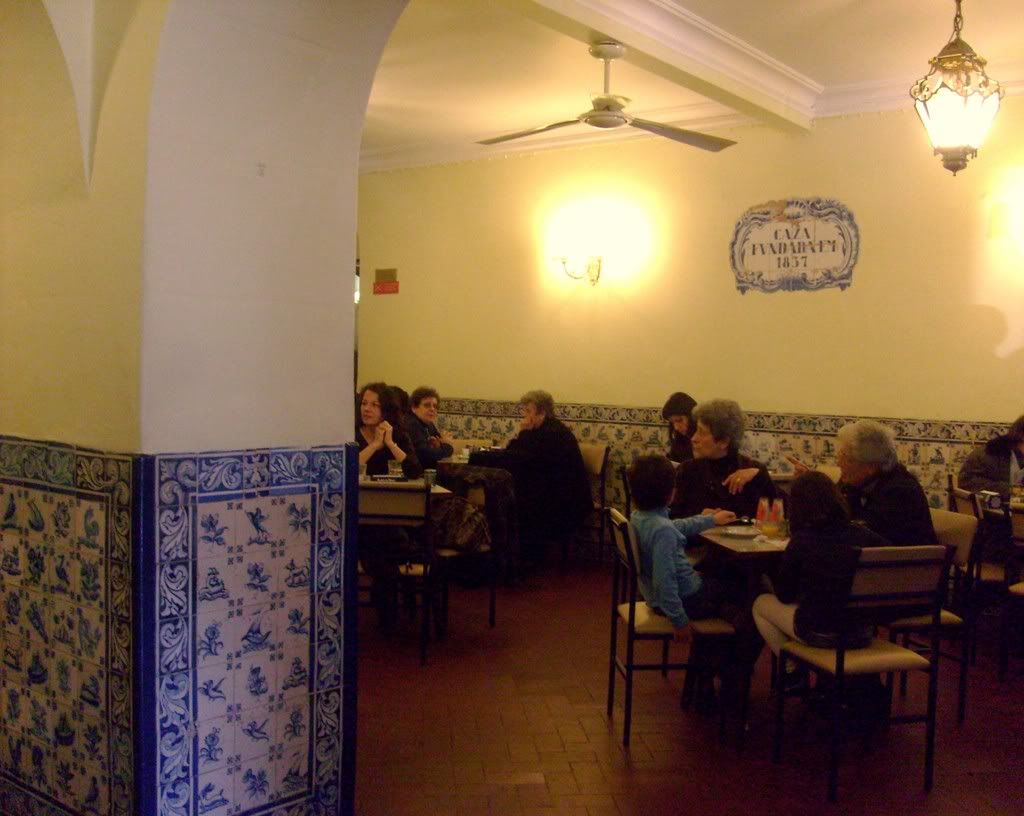
In 1837, the baking of the 'Pasteis de Belém' was begun in buildings joined to the refinery, following the ancient 'secret recipe' from the monastery. Passed on and known exclusively to the master confectioners who hand-crafted the pastries in the 'secrets room', this recipe remained unchanged to the present day. In fact, the only true 'Pasteis de Belém' contrive, by means of a scrupulous selection of ingredients, to offer even today the flavour of the ancient portuguese confectionary industry.
Etiquetas:
Belém
13/02/2008
#44 - The rapprochement
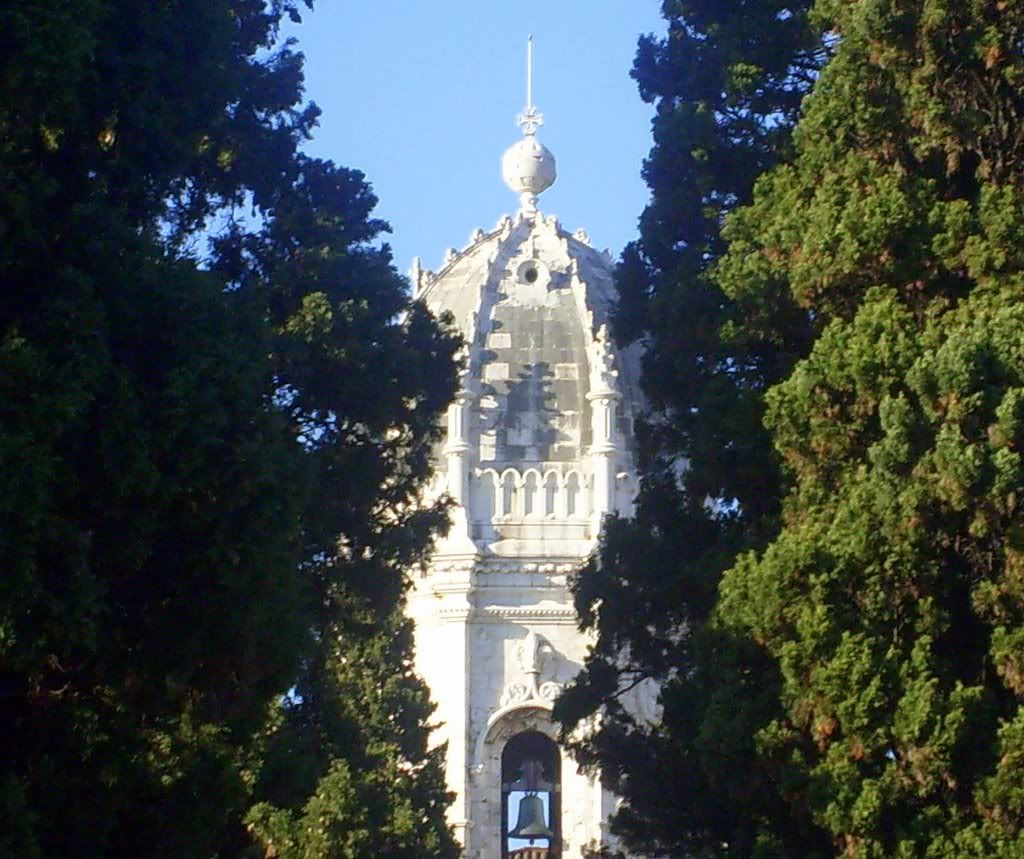
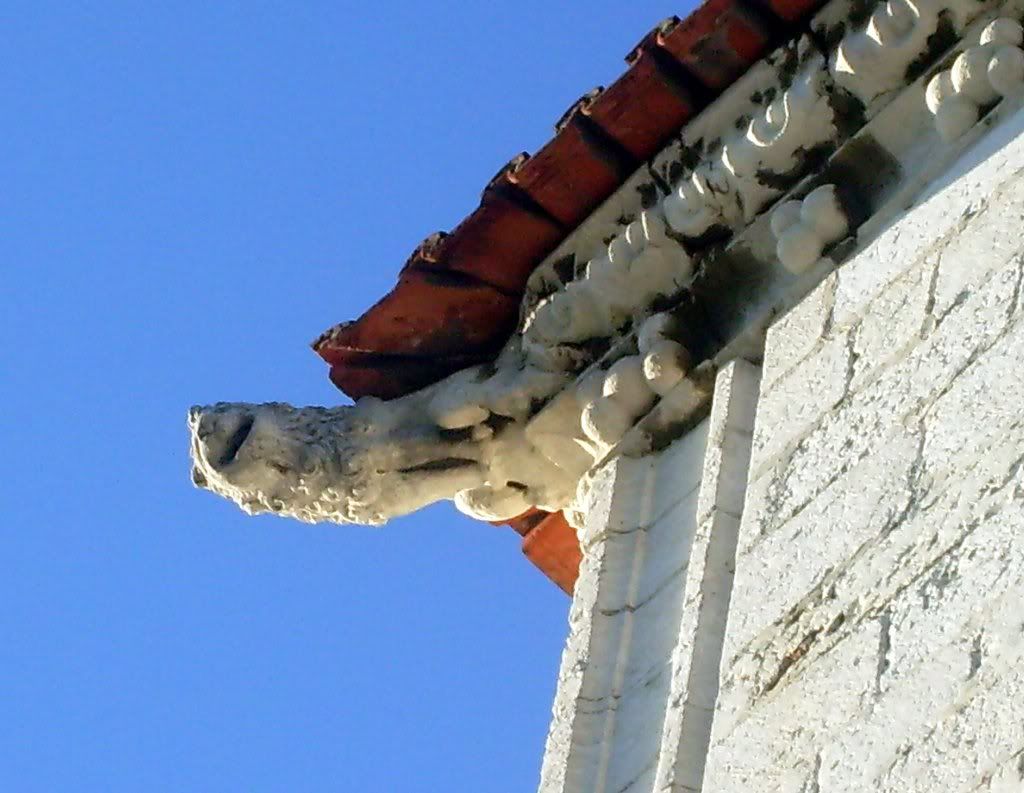
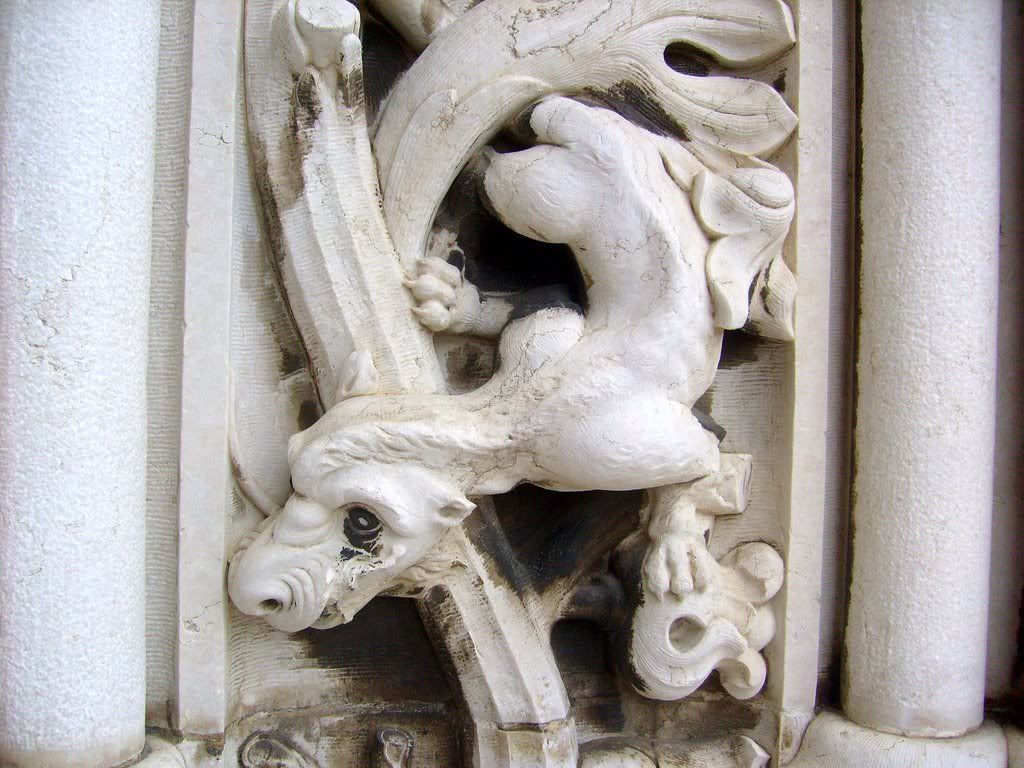
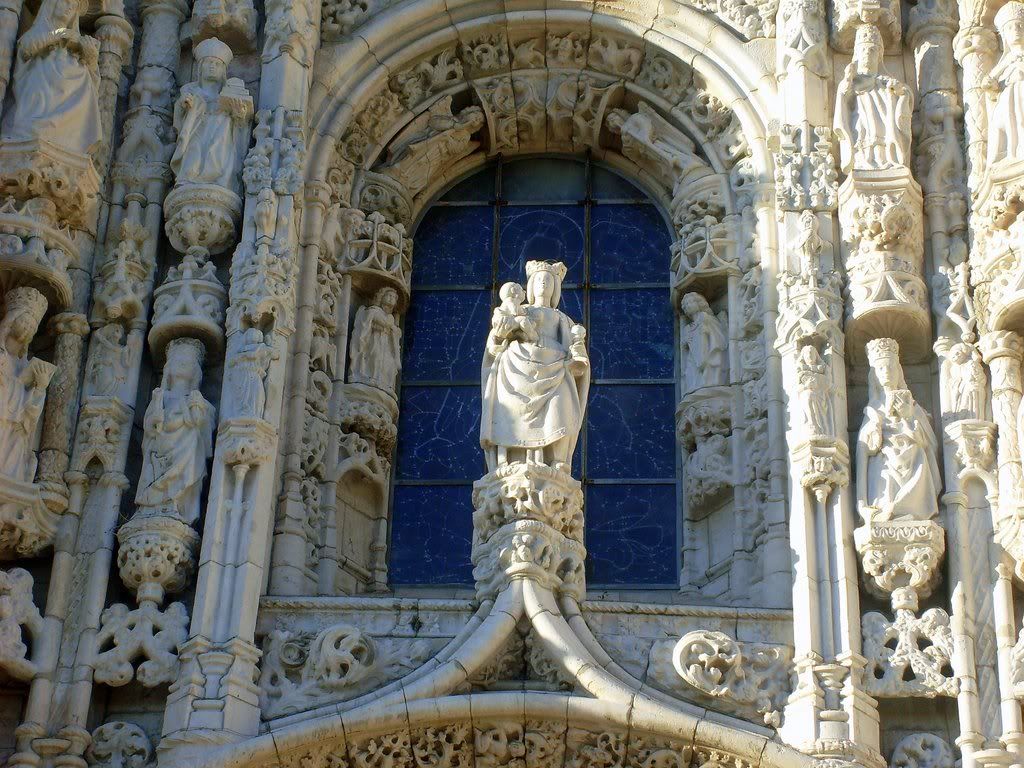
"In 1496 King Manuel I petitioned the Holy See for permission to build a large monastery at the entrance to Lisbon on the banks of the Tagus River. Construction began in 1501 and the work was finished about a century later. The reason for building the Jerónimos Monastery lie, without doubt, in the wish of the monarch to reunite the Avis-Beja dynasty, of which he was the first, in a National Pantheon.
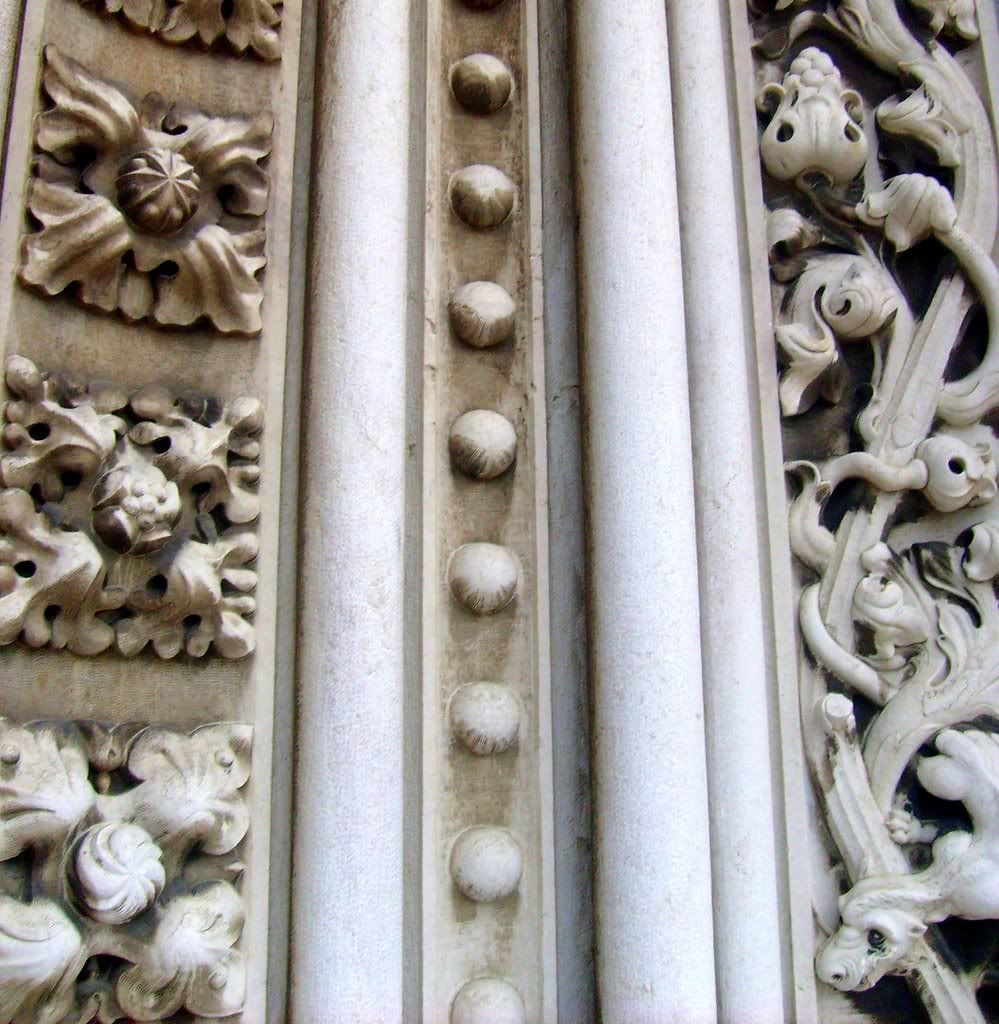
The Jerónimos Monastery is generally referred to as the "jewel" of Manueline architecture. The unique and beautiful Manueline style draws together architectural elements of the late Gothic and Renaissance periods, and associates them with the symbols of the king, Christianity and the natural world.
King Manuel I poured large sums of money into the building of the Monastery at Belém. A good part of what was called the "the pepper tax" (approximately 5% of the receipts from the spice trade with Africa and the East, the equivalent of 70kg of gold per year) served to pay for the work, which, from the beginning, was strictly dependent on the King. In the 19th century architectural changes were made to the Monastery. These did not change its basic structure, but gave it the form we know today. A cupola bell chamber, the dormitory (today the Archaeological Museum) and the Chapter House were some of the places, which were, altered the most."
The Jerónimos Monastery is generally referred to as the "jewel" of Manueline architecture. The unique and beautiful Manueline style draws together architectural elements of the late Gothic and Renaissance periods, and associates them with the symbols of the king, Christianity and the natural world.
King Manuel I poured large sums of money into the building of the Monastery at Belém. A good part of what was called the "the pepper tax" (approximately 5% of the receipts from the spice trade with Africa and the East, the equivalent of 70kg of gold per year) served to pay for the work, which, from the beginning, was strictly dependent on the King. In the 19th century architectural changes were made to the Monastery. These did not change its basic structure, but gave it the form we know today. A cupola bell chamber, the dormitory (today the Archaeological Museum) and the Chapter House were some of the places, which were, altered the most."
11/02/2008
#42 - Detailed facade of Museu Nacional dos Coches
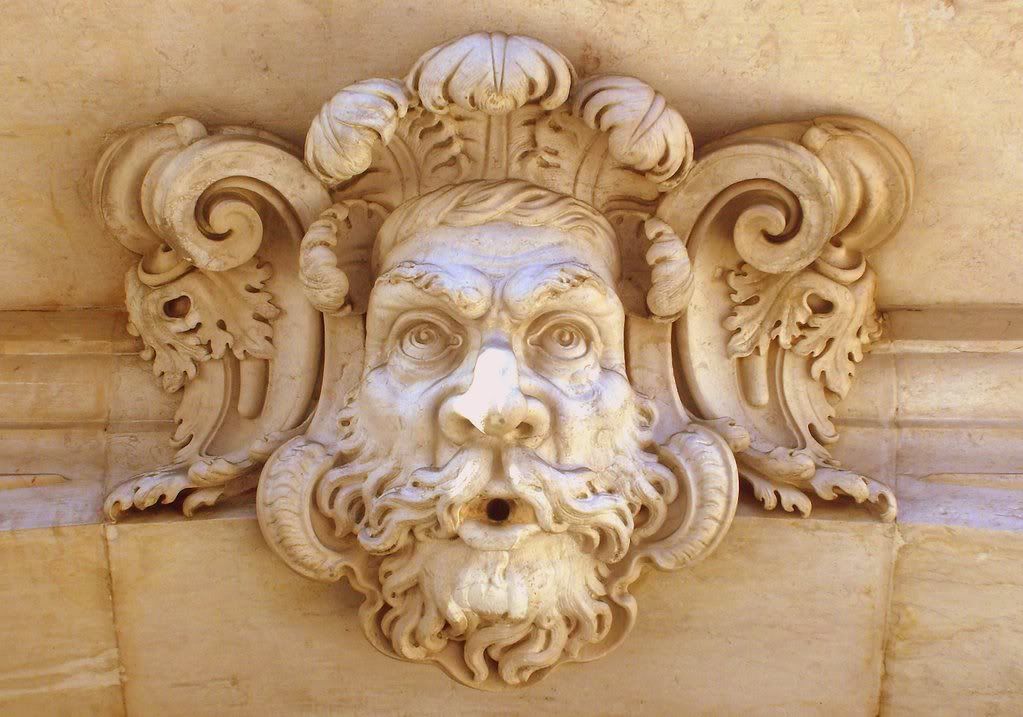
"The National Coach Museum houses and exhibits, under an exquisite ambiance of the old Royal Riding Arena of Belém Palace, an exceptional collection of ceremonial vehicles from the Royal family, dating from 17th Century to late19th Century.Considered the most remarkable collection in the world of this kind, it allows the visitor to follow both the technical evolution of animal pulled transport and the changes of taste expressed in the decorative arts and vehicle ornaments.
The National Coach Museum is one of the most visited museums in Portugal and certainly of Lisbon."
The National Coach Museum is one of the most visited museums in Portugal and certainly of Lisbon."
I prefer its façade!
I dedicate this post to The D in D & T & The T in D & T from Athens [Perspective] for their kindness helpfull in my blogger templates :)10/02/2008
#41 - Pelourinho dos Távora

This Pillory is built on a small alley and is partially visible from the main street where houses were built around it. In this alley you can also find a little and quiet restaurant :)
In September 1758, the king D. José suffered an attack. Since then, it has developed a process of prosecution to some families of the Kingdom, particularly the Duke of Aveiro and the Marquis of Távora, persecution that culminated in a trial and an execution in which exceeded all limits of barbarism imaginable. Without opponents, the Marquis de Pombal could freely exercise their power. In January 1759, the Távoras were executed in Belém, in Chão Salgado, where even today there is this pillory.
09/02/2008
#40 - A Lighthouse in Belém

I had never noticed it until two days ago.
It is the difference between the distracted look and another one with a camera in your pocket!
Photo taken from the CCB garden overlooking Tagus river.
I dedicate this post to Sailor Girl and Le Guilvinec !
08/02/2008


Subscribe to:
Posts (Atom)