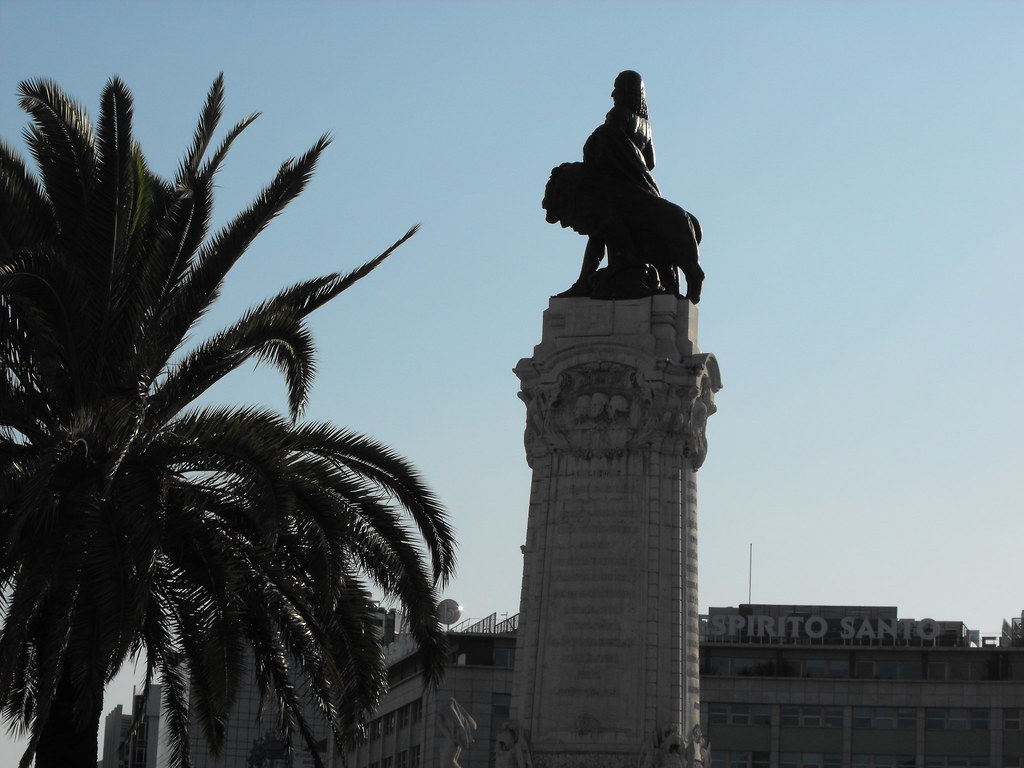
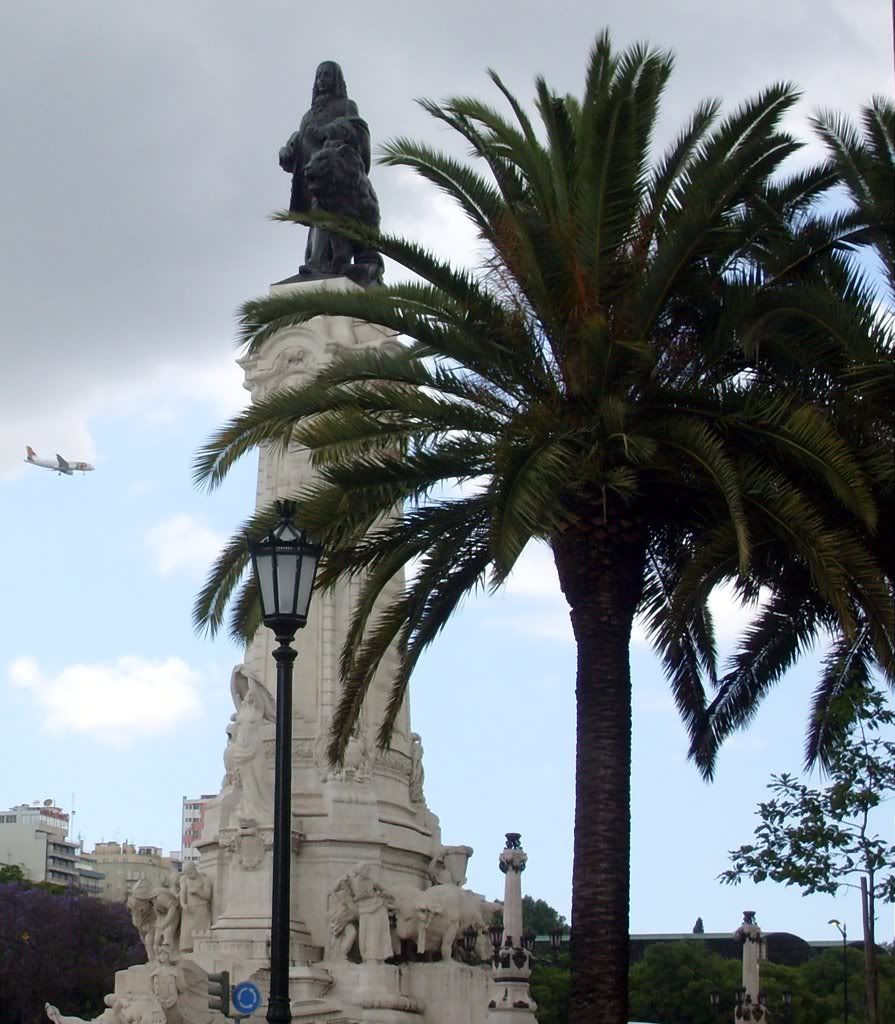
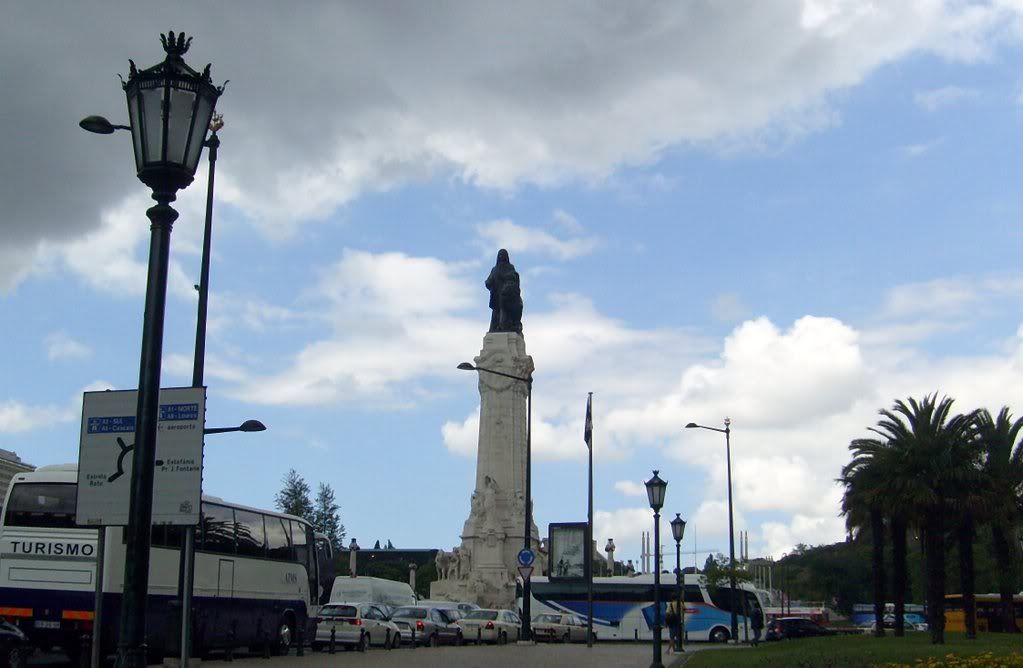
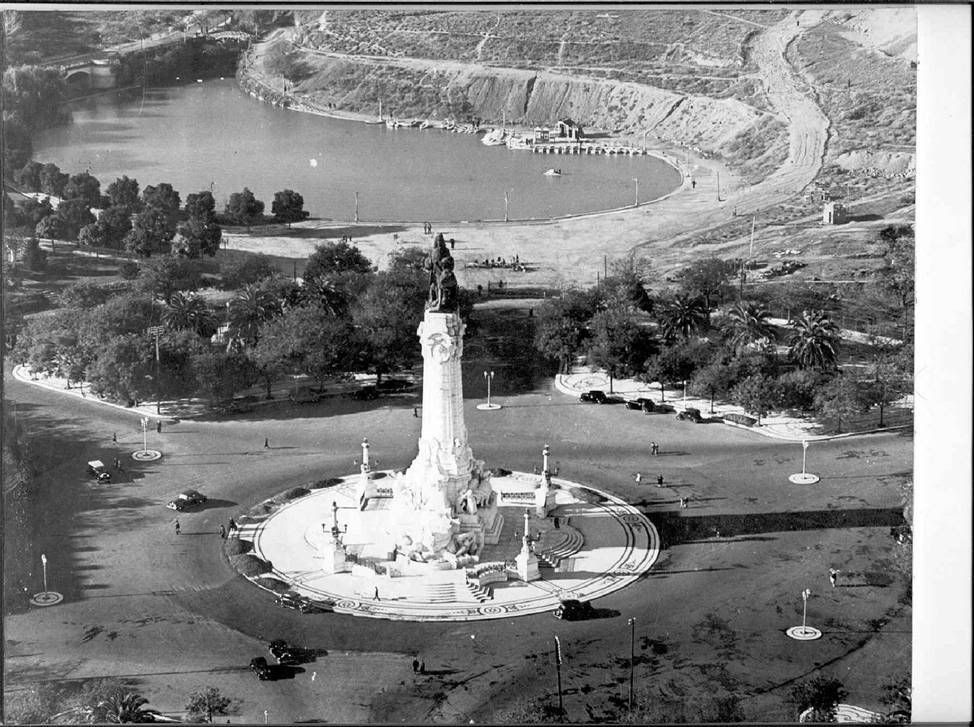
Sebastião José de Carvalho e Melo, 1st Count of Oeiras, 1st Marquis of Pombal (in Portuguese, Marquês de Pombal, (13 May 1699 — 15 May 1782) was an 18th century Portuguese statesman. He was Minister of the Kingdom (the equivalent to a today's Interior Minister) in the government of Joseph I of Portugal from 1750 to 1777. He was undoubtedly the most prominent minister in the government, and today he is usually considered to have been the de facto head of government. Pombal is notable for his swift and competent leadership in the aftermath of the 1755 Lisbon earthquake. In addition he implemented sweeping economic policies in Portugal to regulate commercial activity and standardize quality throughout the country. The term Pombaline is used to describe not only his tenure, but also the architectural style which formed after the great earthquake
The Pombaline Reforms were a series of reforms with the goal of making Portugal an economically self-sufficient and commercially strong nation, by means of expanding Brazilian territory, streamlining the administration of colonial Brazil, and fiscal and economic reforms both in the Colony and in Portugal.
During the Age of Enlightenment Portugal was considered small and lagging behind. It was a country of three million people in 1750; 200,000 people lived in the nation's 538 monasteries.[citation needed] The economy of Portugal before the reforms was a relatively stable one, though it had become dependent on colonial Brazil for much of its economic support, and England for much of its manufacturing support, based on the Methuen Treaty of 1703. Even exports from Portugal went mostly through expatriate merchants like the English Port wine shippers and French businessmen like Jácome Ratton, whose Memoirs are scathing about the efficiency of his Portuguese counterparts. The need to grow a manufacturing sector in Portugal was made more imperative by the excessive spending of the Portuguese crown, the 1755 Lisbon Earthquake, the expenditures on wars with Spain for Brazilian territory, and the exhaustion of gold mines and diamond mines in Brazil.[1]
His greatest reforms were however economic and financial, with the creation of several companies and guilds to regulate every commercial activity. He demarcated the region for production of port, to ensure the wine's quality; his was the first attempt to control wine quality and production in Europe. He ruled with a heavy hand, imposing strict laws upon all classes of Portuguese society, from the high nobility to the poorest working class, and via his widespread review of the country's tax system. These reforms gained him enemies in the upper classes, especially among the high nobility, who despised him as a social upstart.
Further important reforms were carried out in education by Melo: he expelled the Jesuits in 1759, created the basis for secular public primary and secondary schools, introduced vocational training, created hundreds of new teaching posts, added departments of mathematics and natural sciences to the University of Coimbra, and introduced new taxes to pay for these reforms.
[*]