30/06/2009

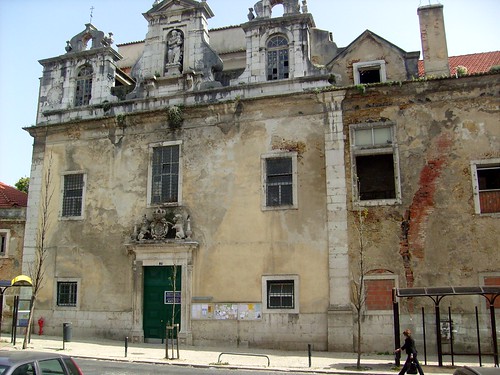
Theme day topic: Empty


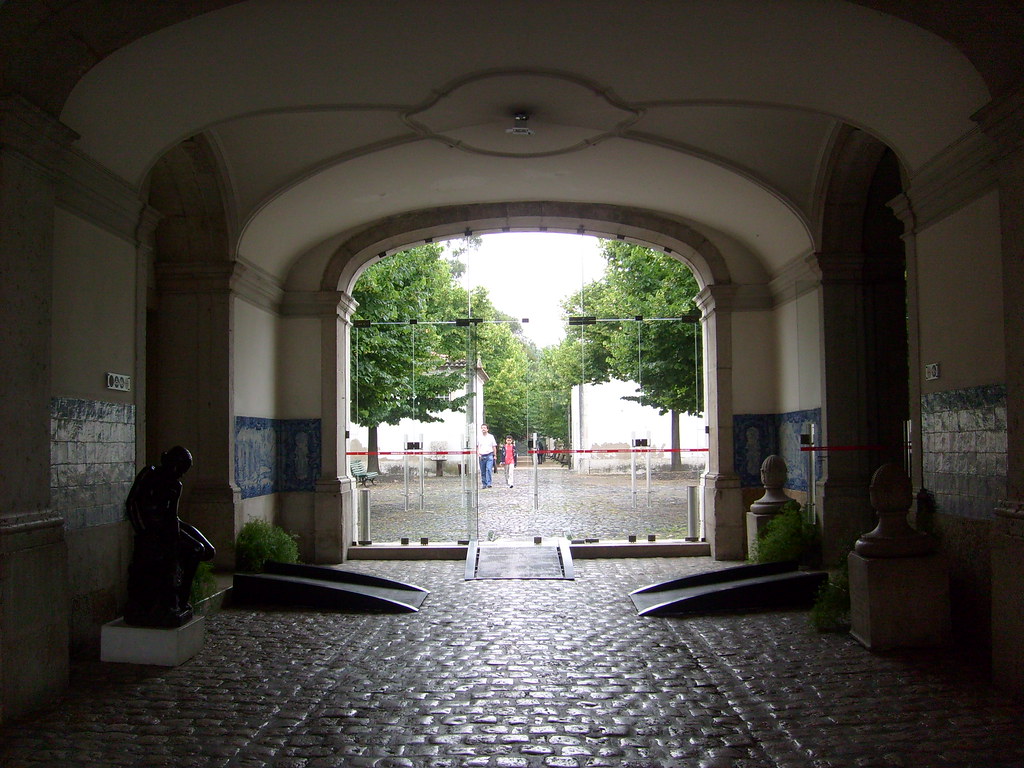
Cidade Museum

The Cidade Museum (City Museum) is situated in the lovely Pimenta Palace, in Campo Grande, on the northern side of the Portuguese capital: Lisboa. This Museum presents a rich collection, along with the also very rich history of Lisboa, comprising collections of archaeology, painting, drawing, ceramics, among many others that testify the town’s history since the remote pre-historical times up until the beginning of the 20th century. As the collection is installed in the beautiful Pimenta Palace, the visit includes the interior and the gardens of the palace. Some of the collection’s highlights are the Maquette of Lisboa city in 1750, five years before the big earthquake and tsunami of 1755 that destroyed the majority of the town; the documents of the construction time of the majestic Águas Livres aqueduct; or the piano where Alfredo Keil wrote the “Portuguesa”, the National hymn, among many other historical pieces. [*]

Click here to view thumbnails for all participants

10/05/2009

Happy Mother's Day!

2009 05 06

2009 05 04_0699

2009 05 04_0700

2009 05 04_0701

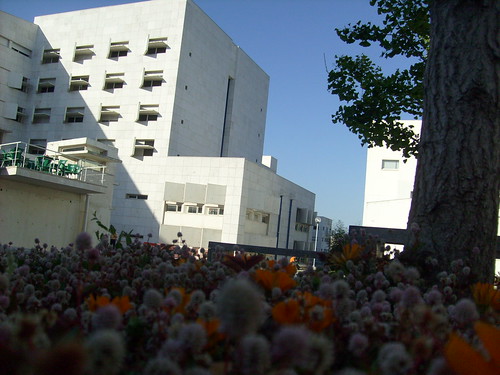
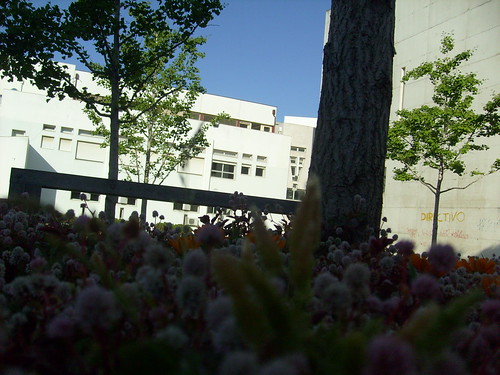
ISCTE – Instituto Superior de Ciências do Trabalho e da Empresa – is a public university institute acting in the domains of education, research, and community service providing.


09/05/2009

02/05/2009

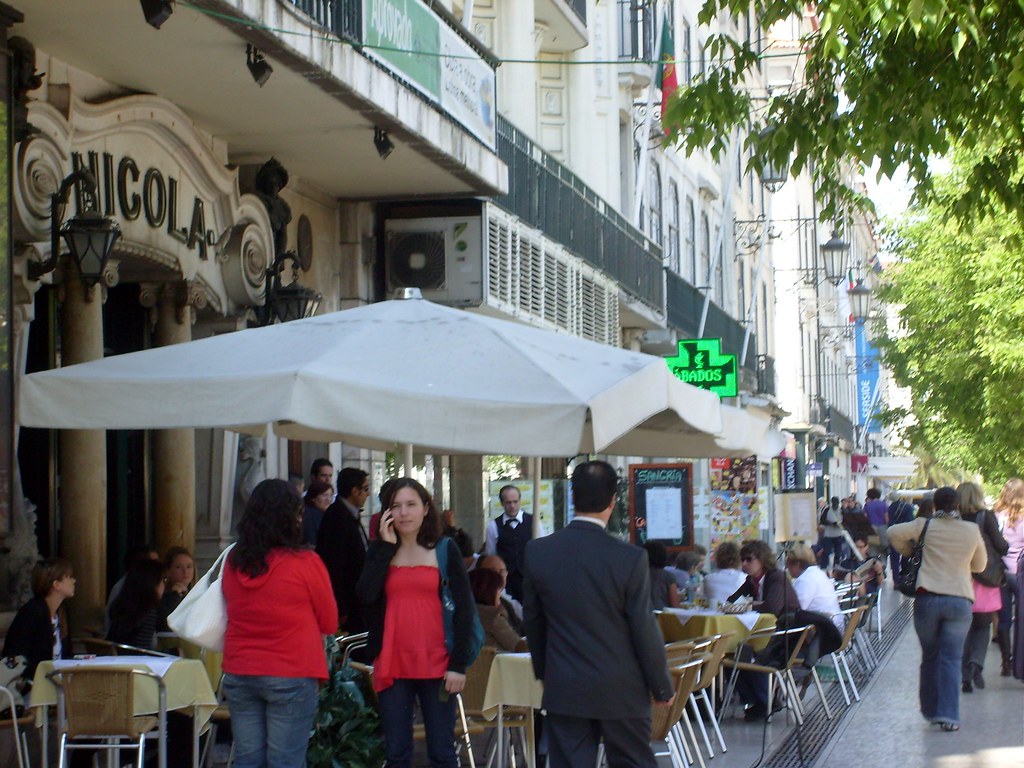
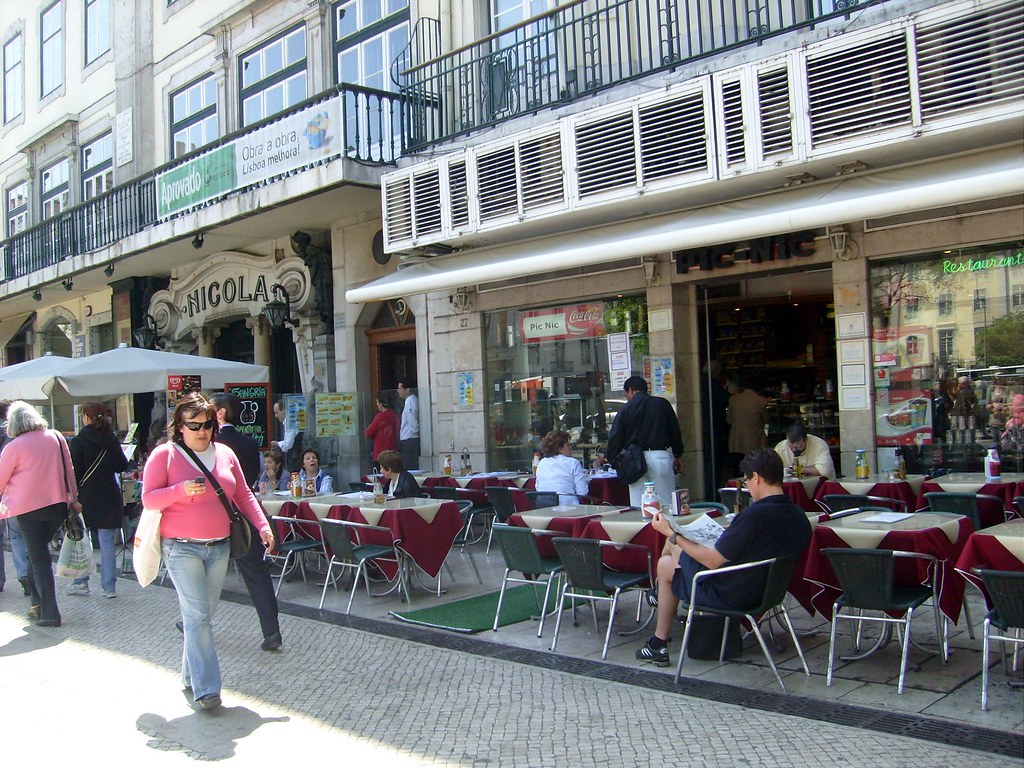
Café Nicola II

Some of you had already read this information when I put the first post of this historic coffee, more than a year ago, year so maybe you only want to review some of the photos witch I personally prefer to these. Sorry for the inconvenience :) 

MB: I've puted some information about the convent three posts ago. 

The Café Nicola is par excellence of the more literary cafes of the capital. Founded in 1787, by an Italian named Nicola, this was the coffee elected by Bocage, which eventually became the symbol of the brand of coffee Nicola. In 1837, led to a bookstore and only in 1929, returned to serve coffee, continuing connected to artists and intellectuals such as Malhoa, Pato Monis, among others. Its new owners, the family Albuquerque, decide to make a difference by creating your own coffee. Today, mainly frequented by tourists, is off the scene of releases of books and tertúlias. Recently refurbished, the restaurant located in the basement, whose decoration was in charge of Graça Viterbo, maintains original furniture from 1935 and offers a refined service lunch and dinner. [*]

Since there is much that the Café Nicola is a symbol of Rossio and low Pombaline as the Tertúlias of Lisbon, attended by artists, politicians and other figures of Portuguese culture. Today, refurbished continues to delight with the same spirit and charm of other times. For its location is considered a tourist attraction, not only for their beauty and historical seniority as well, its gastronomic specialities, including the "Bife to Nicola" and "Bife the Café," and "Cod to Lisbonense." At thursdays good jazz and classical music over the already known and authoritative "Encounters Nicola." [*]


01/05/2009

#400 - Random shadows in the city


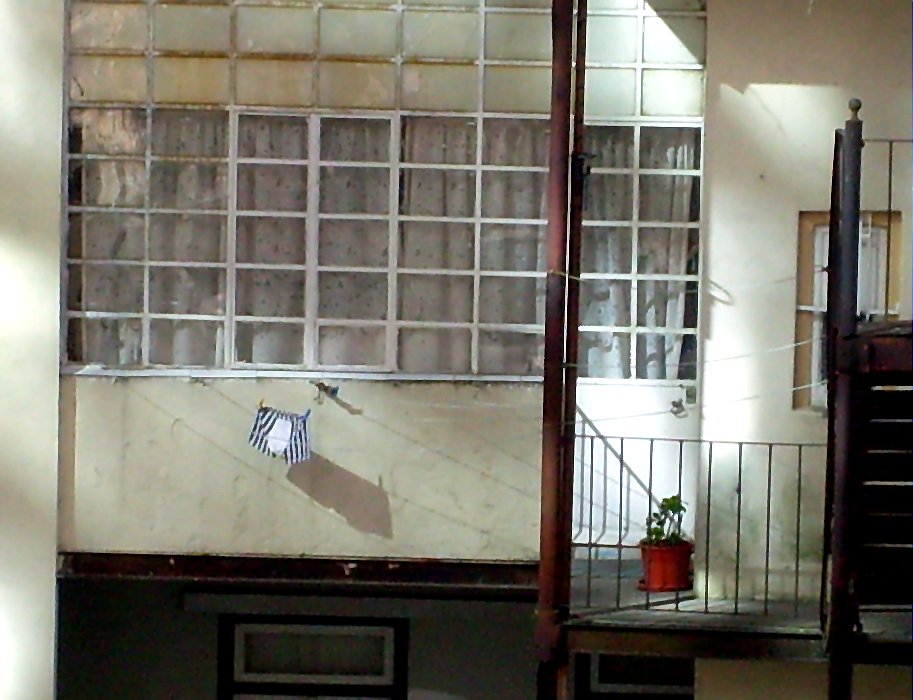
Pretty undies shadow :)


Advertise shadow


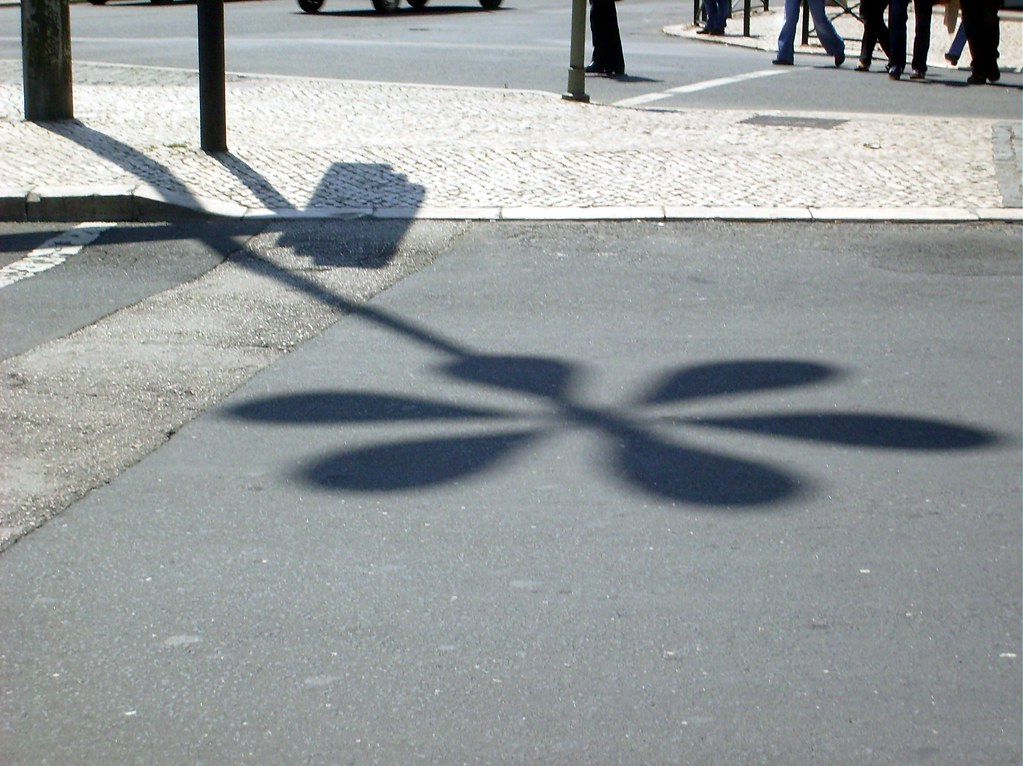
Lamp shadow

Click here to view thumbnails for all participants

30/04/2009

Plane watch over school

http://skyley.blogspot.com/


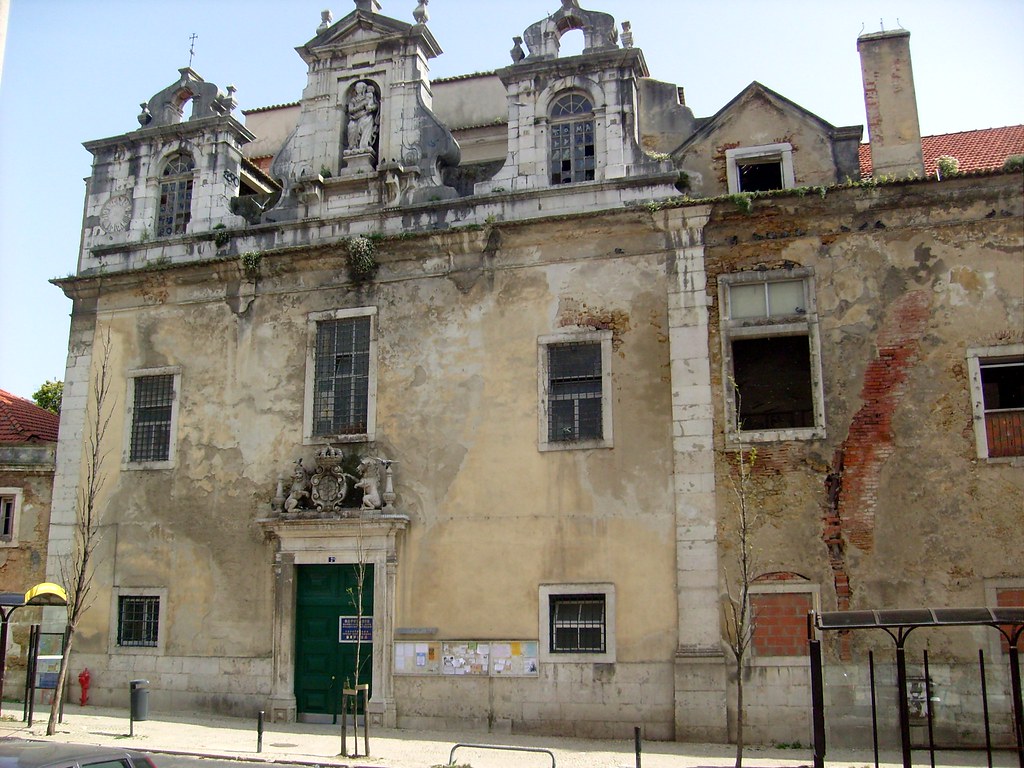
Convent of Our Lady of Conception of Arroios


S7301887

hahaha
just a church now
but it was a convent yes MB :) Perfect!!

"Convento de Nossa Senhora da Conceição de Arroios (Hospital de Arroios)
Location
Rua Quirino da Fonseca, Praça do Chile, Avenida Almirante Reis
Parish: St. George of Arroios


Built in 1705 from the financing of D. atarina of Braganza, daughter of D. João IV and Luísa de Gusmão, worked until 1755 in the conventual space training college of the Jesuits, taking the name of St. George's College of Arroios.
Resisted the earthquake of 1755 but not the expulsion of the Jesuits in 1759, when Sebastião José de Carvalho e Melo, the future Marquis of Pombal (1769) determined the occupation of the convent for Franciscan nuns, leaving the space to be known as the convent Our Lady of Conception of Arroios.

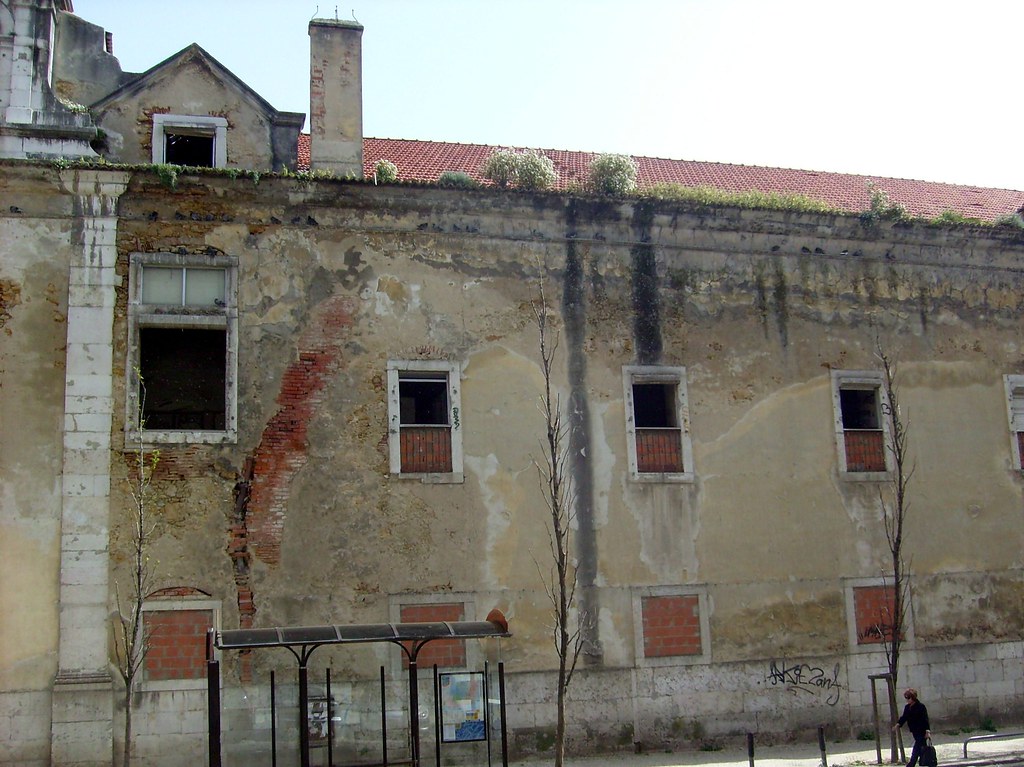
The convent was unoccupied in 1890, the year when the last nun died in 1892, the State decided that the space was converted into a hospital and was determinated that operate as a hospital for isolation for patients with bubonic plague, cholera, smallpox, leprosy and tuberculosis.

From 1898, the former monastery took the name of Queen Dona Amélia Hospital and it is only the treatment and prevention of tuberculosis, for deployment in 1911 after moving to the Republic Hospital of call streams. It worked until 1993, when it was permanently disabled and is currently unoccupied.

In the church of the monastery remained the remains of the Marquis of Pombal before being transported to the Church of Our Lady of Mercy.
The church remains open to cult and frequented mainly by Ukrainian community resident in Lisbon.

29/04/2009

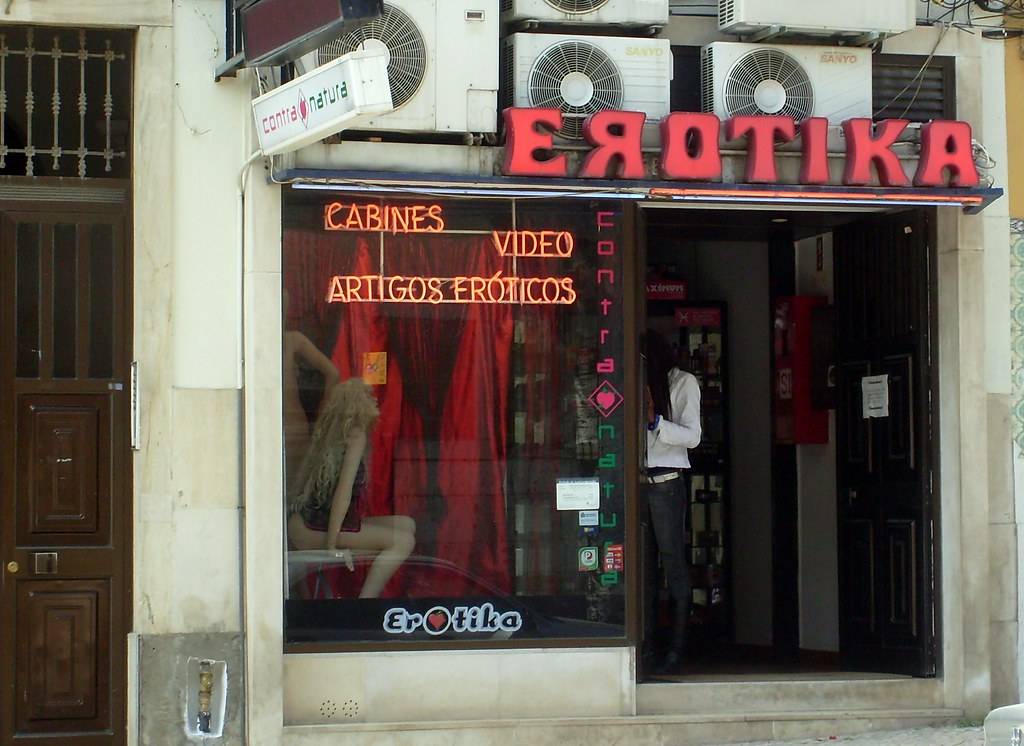
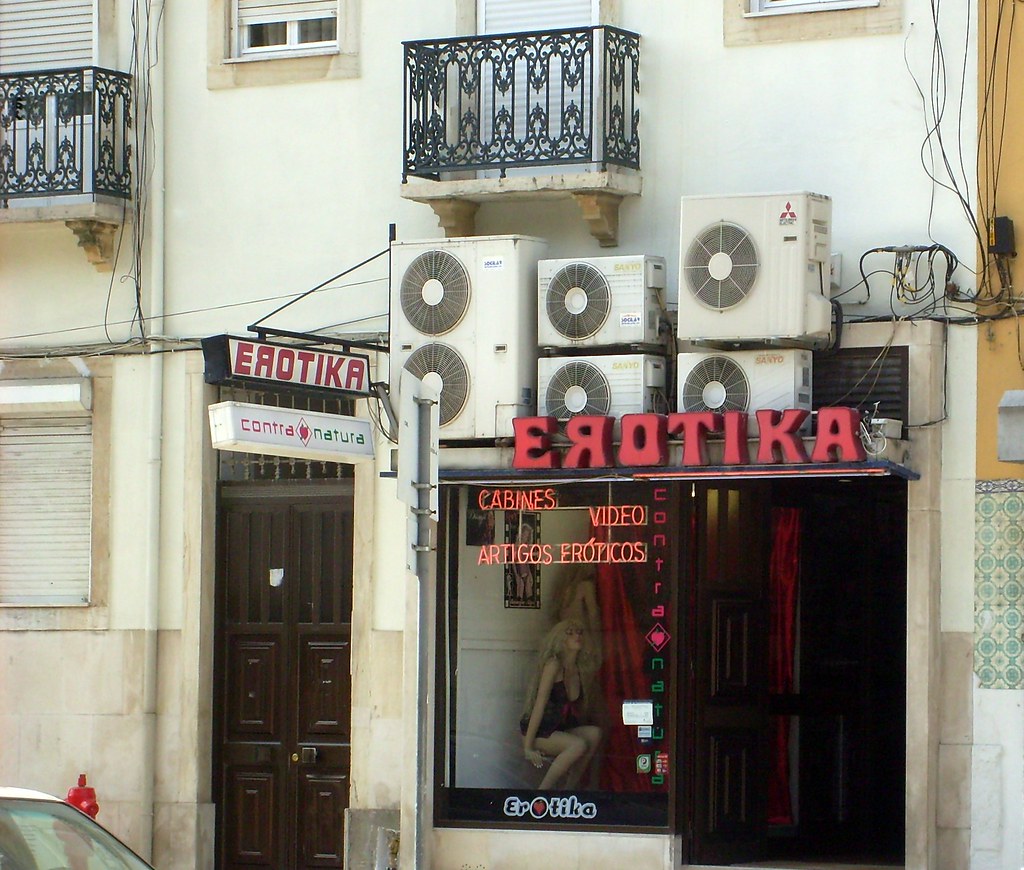
Erotika


Can you guess what kind of building it's in the opposite side of the street?


Erotika

R. Quirino da Fonseca, 7-B (à Praça do Chile)
1000-000 Lisboa

Lisboa - Lisboa

26/04/2009

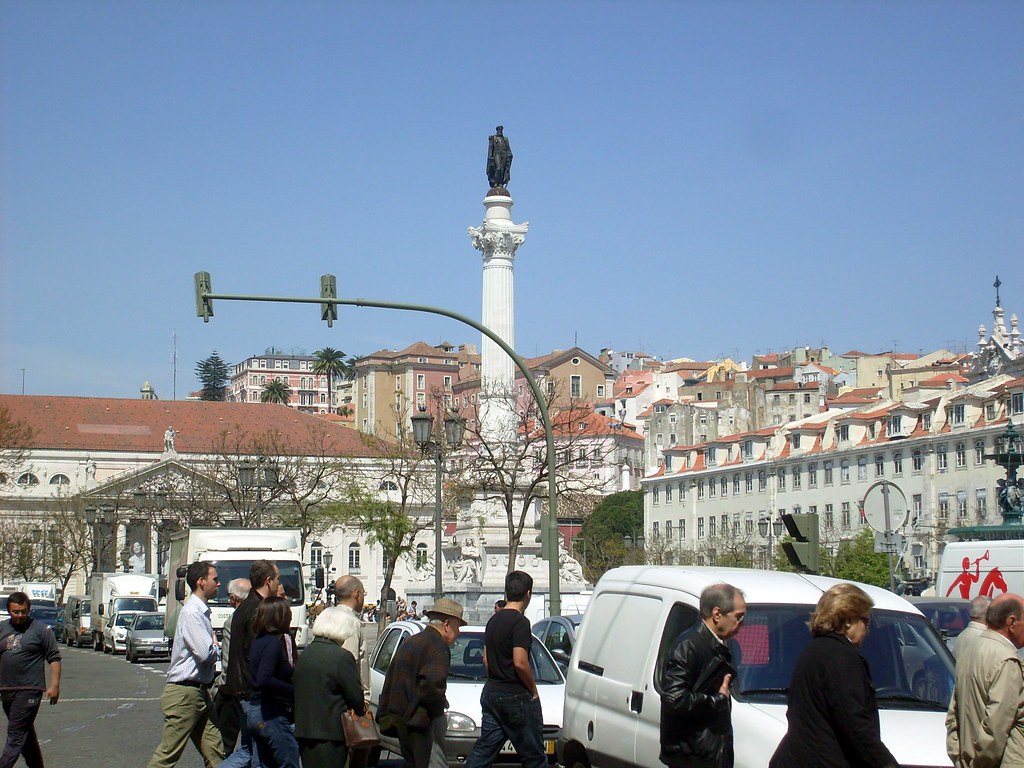
Busy Rossio


22/04/2009

19/04/2009

Enjoying the Shadows


Rossio, April 2009

16/04/2009

Enjoying Downtown sun

13/04/2009

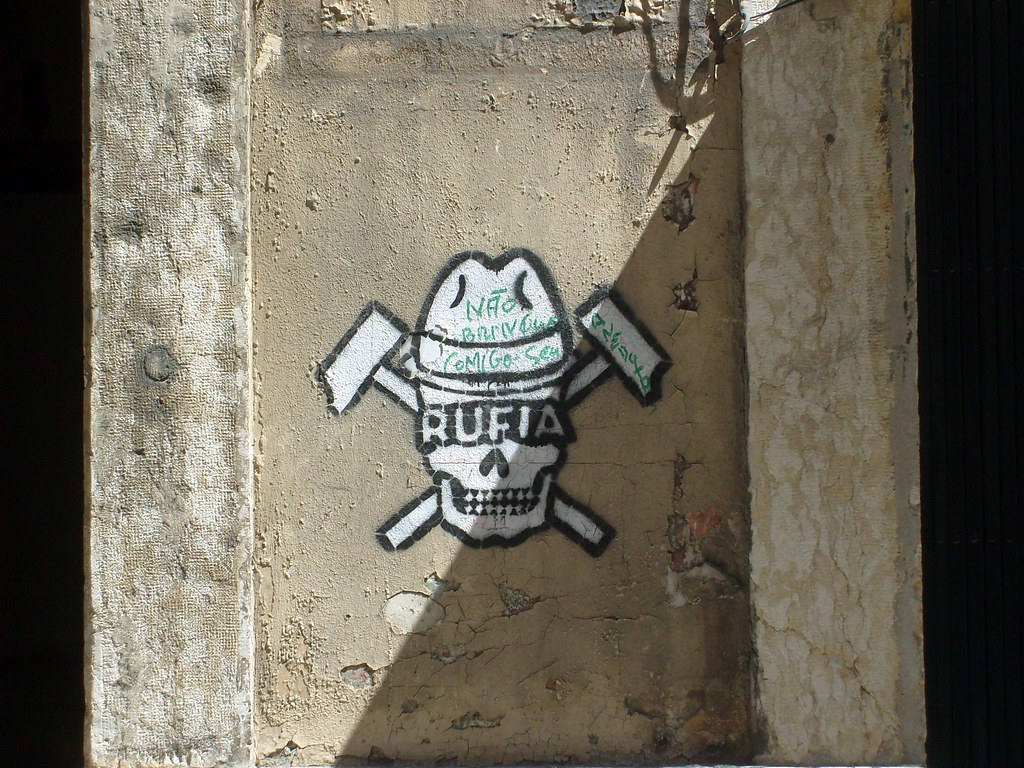
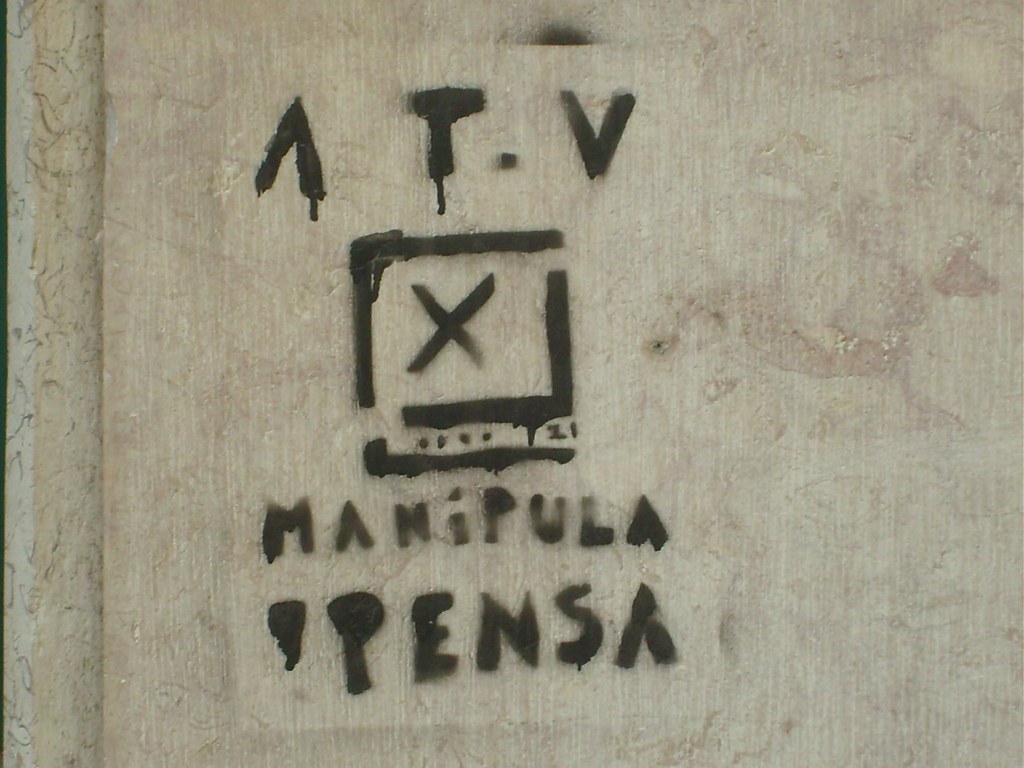
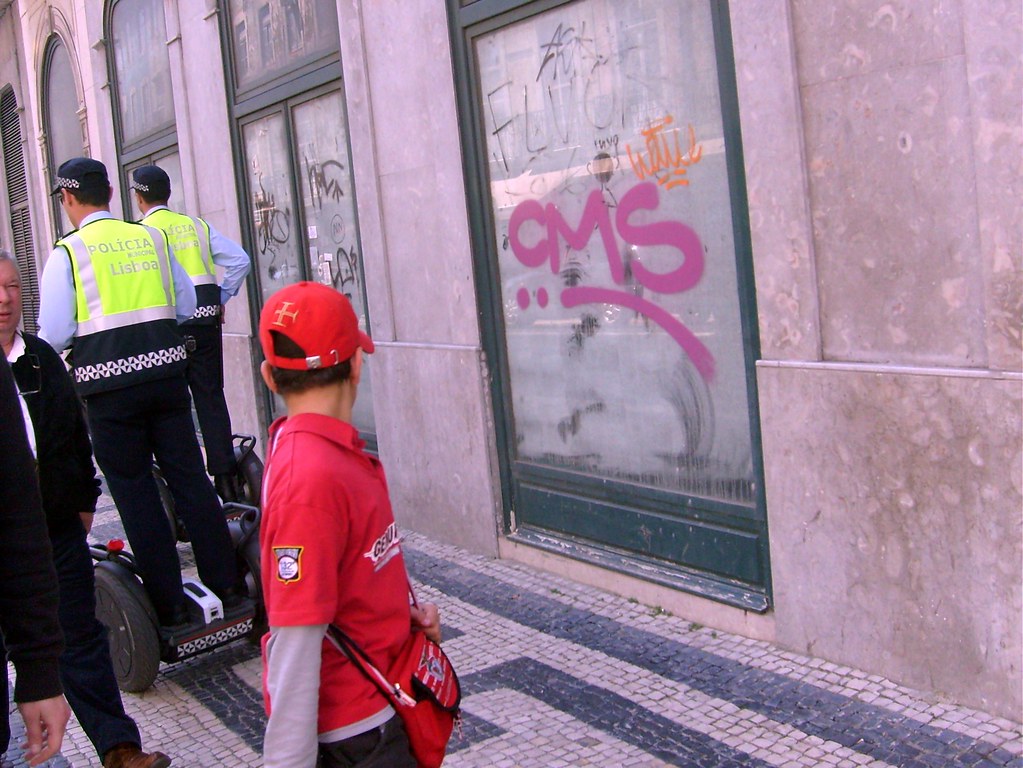
Some Grafitti at Chiado


11/04/2009

Happy Easter!


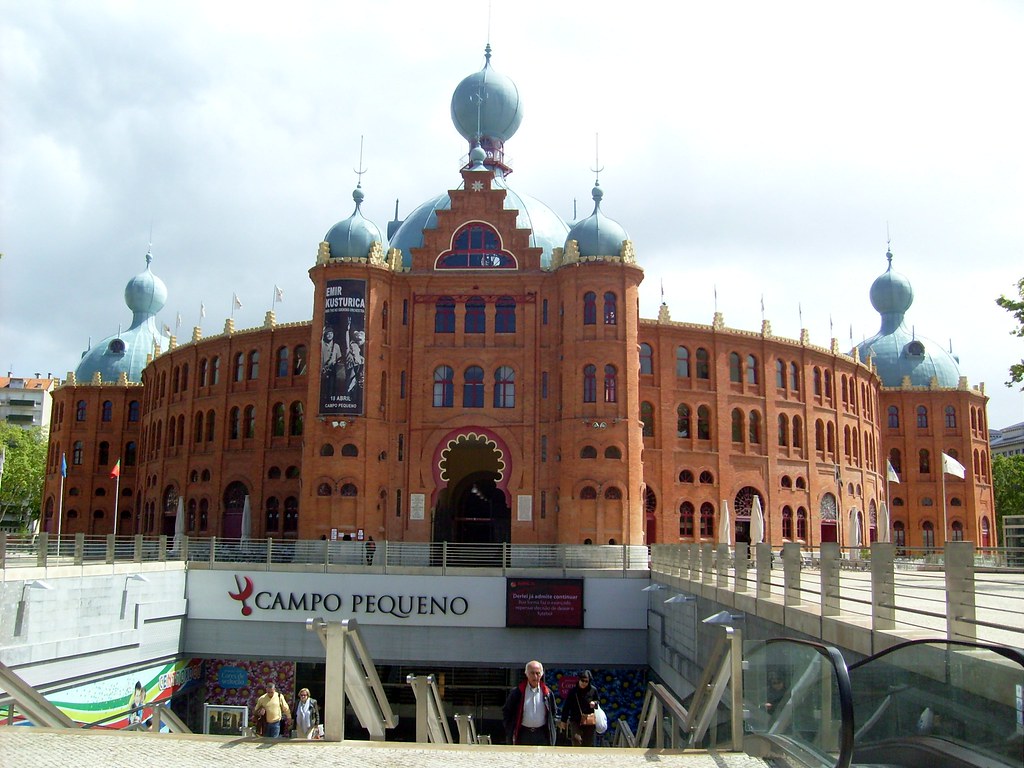
Campo Peaqueno Bull ring fight


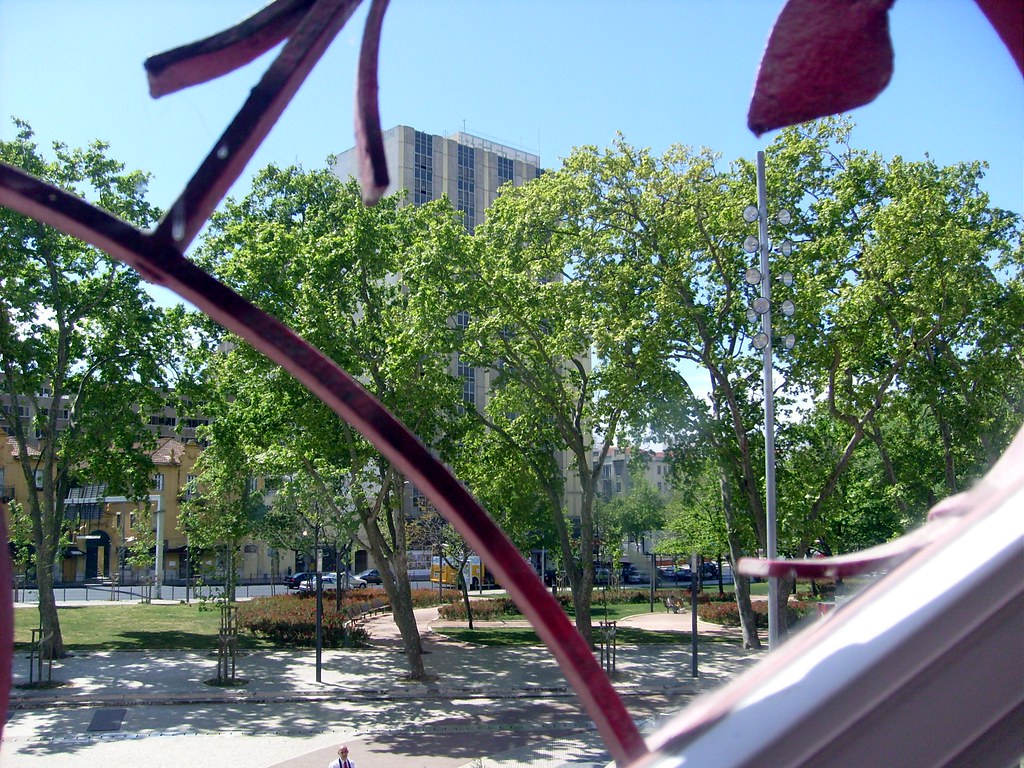
View from restaurant window


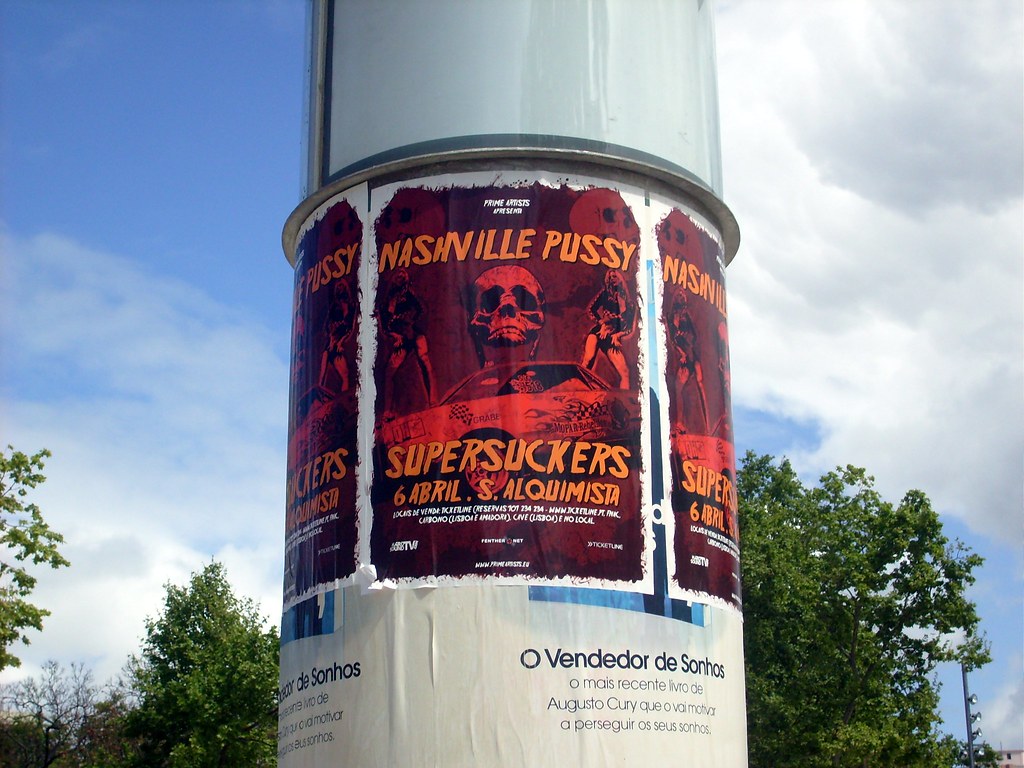
Just an ad


Update:

From Wikipedia, the free encyclopedia

Main façade of Lisbon's bull ring.The Campo Pequeno bullring (Portuguese: Praça de Touros do Campo Pequeno) is the bull ring of Lisbon, Portugal. It is located in the Campo Pequeno Square, by the Avenida da República. After a profound renovation, it re-opened as a multi-event venue in 2006, designed to be used for various events apart from bull fighting. It hosts a range of live acts and has seen many famous bands perform there. It includes an underground shopping centre, restaurants and a parking lot.

History
Lisbon's bullring was built between 1890 and 1892 under the project of Portuguese architect António José Dias da Silva. His design was inspired by the bullring of Madrid, by Emilio Rodriguez Ayuso, later demolished. The style is the neo-Mudéjar, a Romantic style inspired by the old Arab architecture from Iberia. Lisbon's new bull ring replaced an old one, located in the Campo de Santana.

Inside
Inside any bullring like this one in Lisbon, bulls, calves and cows are repeatedly stabbed with "bandeirilhas" by a man on a horse. While blood runs out of the bull's body, it still has to suffer more pain coming from other men that don't need a horse in order to protect themselves because the bull is already too weak to hurt them. (The bull is later killed for it's meat in a slaughterhouse, or dies from infected wounds wating to be killed, or its wounds are "treated" with salt and the bull is later sent to a bullring in order to be tortured again.)


The building
The bull ring has a circular floorplan with four large octagonal towers on each cardinal point with oriental-looking domes. The Western tower is flanked by two turrets and serves as main entrance. The many windows of the building have a typical horseshoe shape. The entire surface of the building is covered by bricks of orange colour. The inner arena has 80 metres of diameter and is covered with sand. The seats hold almost 10,000 people.

You can find more photos clicking here

01/04/2009

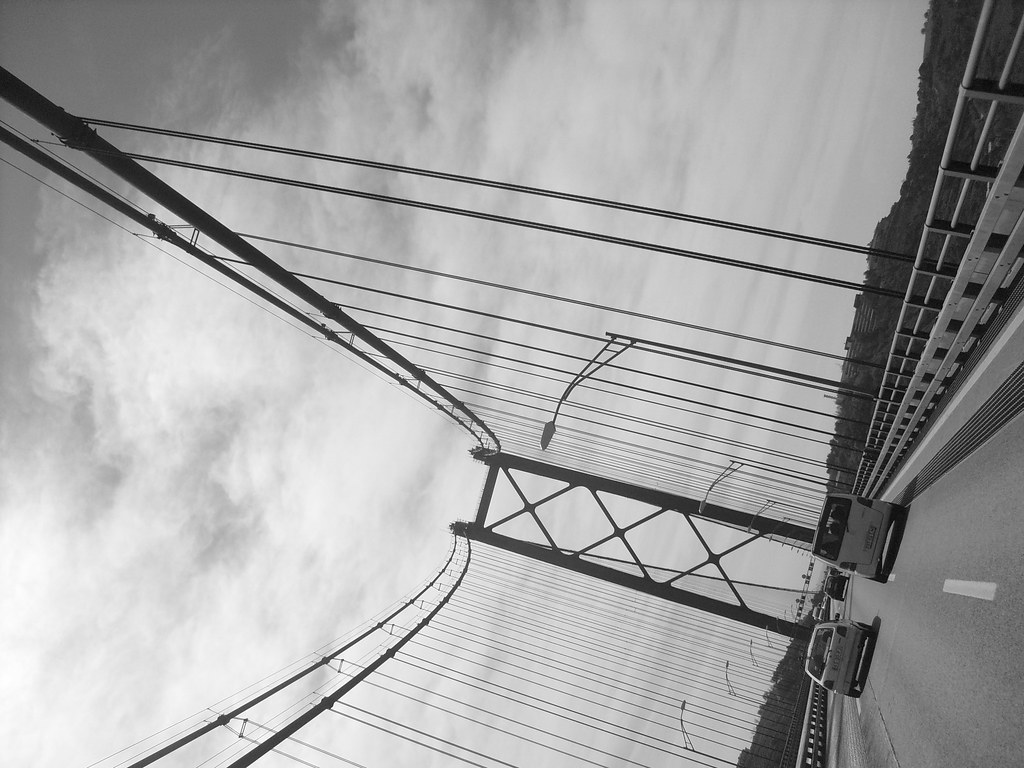
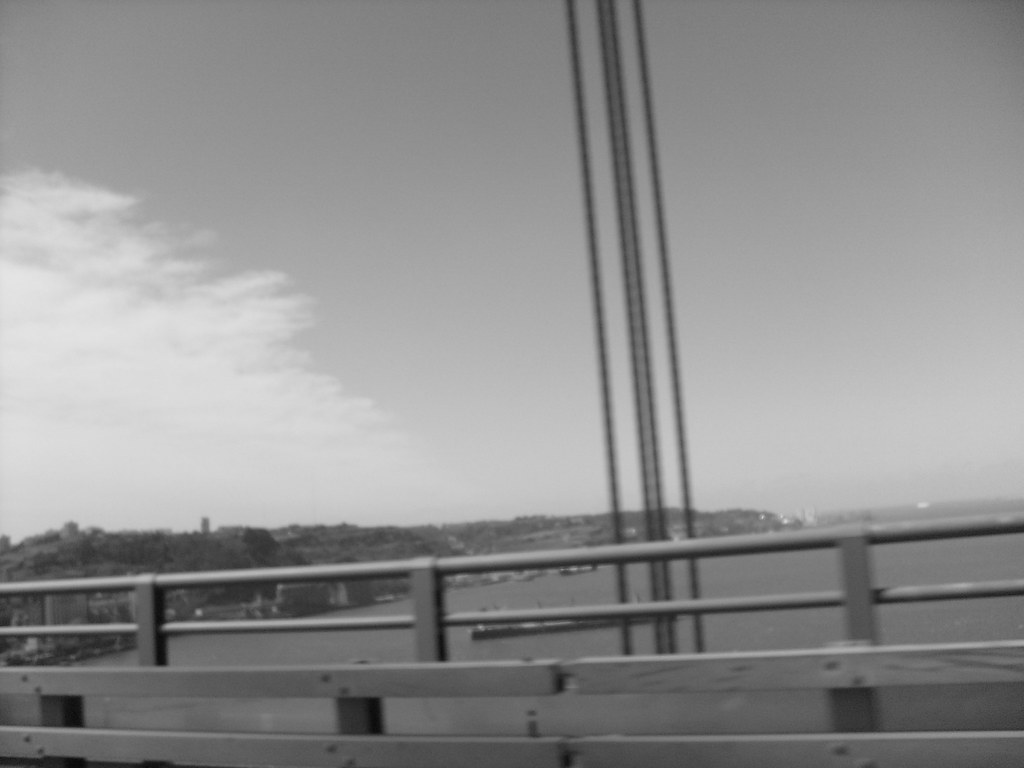
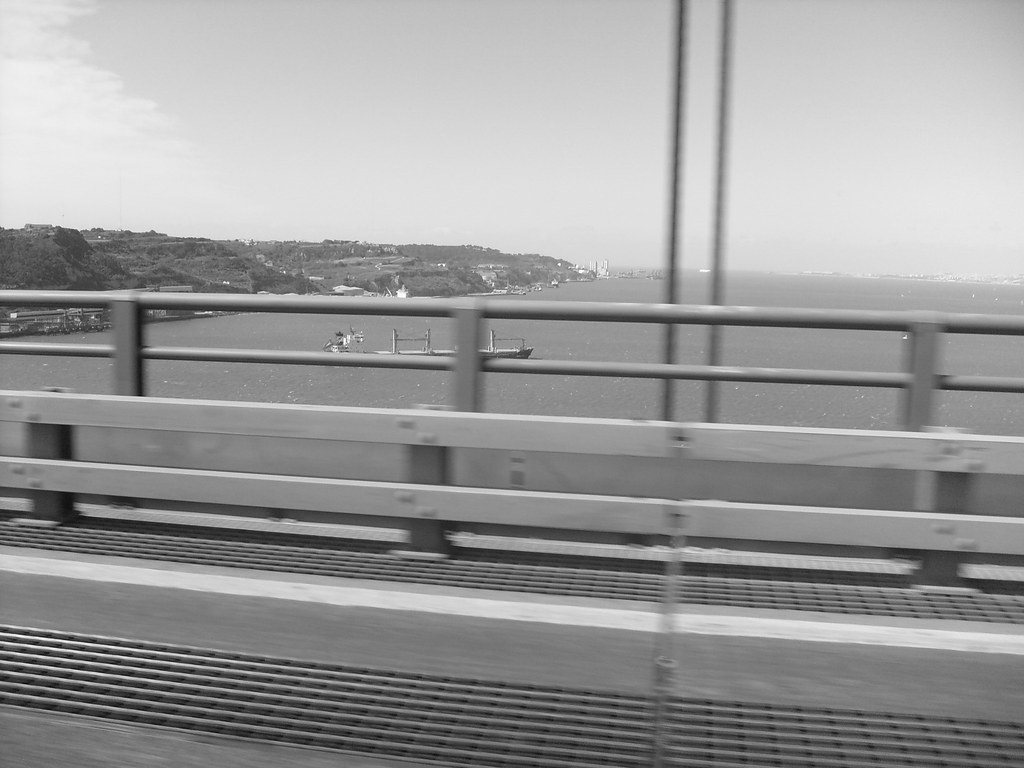
B&W Tagus bridge shots


I shot those last weekend. The first one came with colour so I'm not posting it. This five shots came out b&w and I don't know why, but for me they came beautiful :)