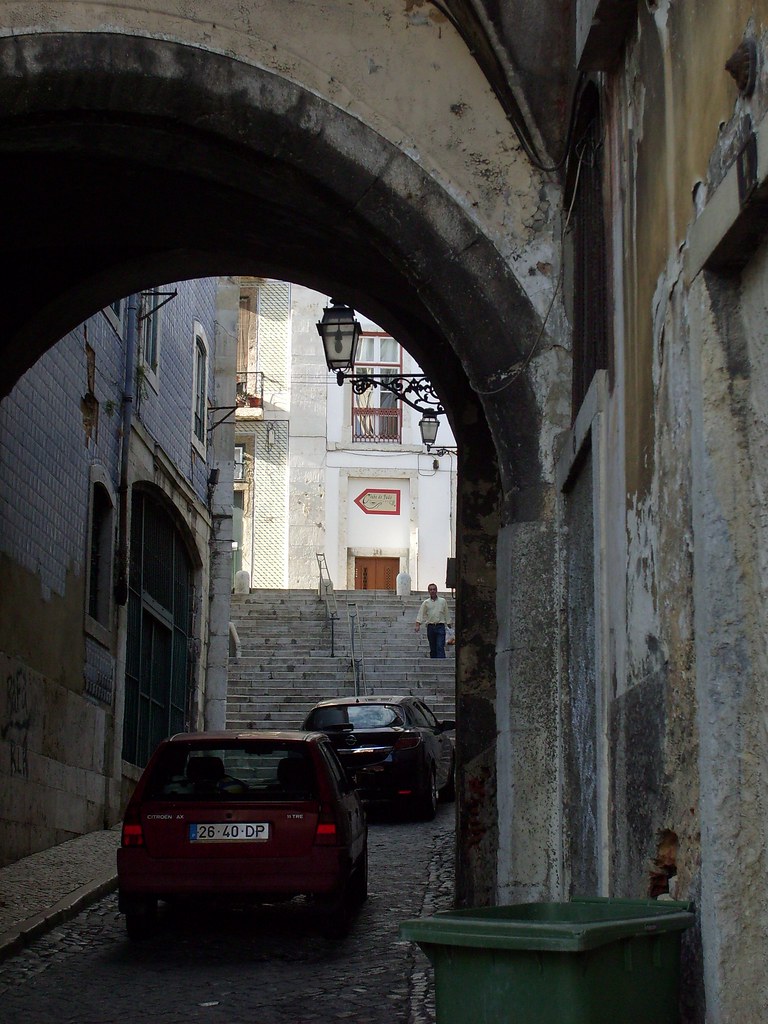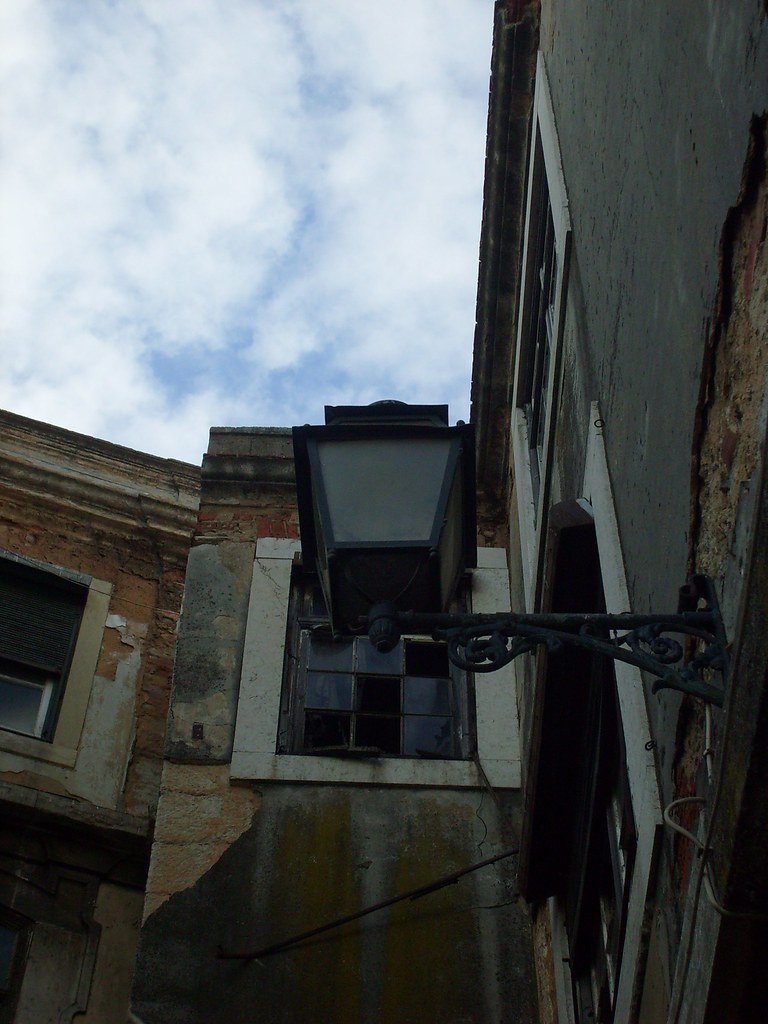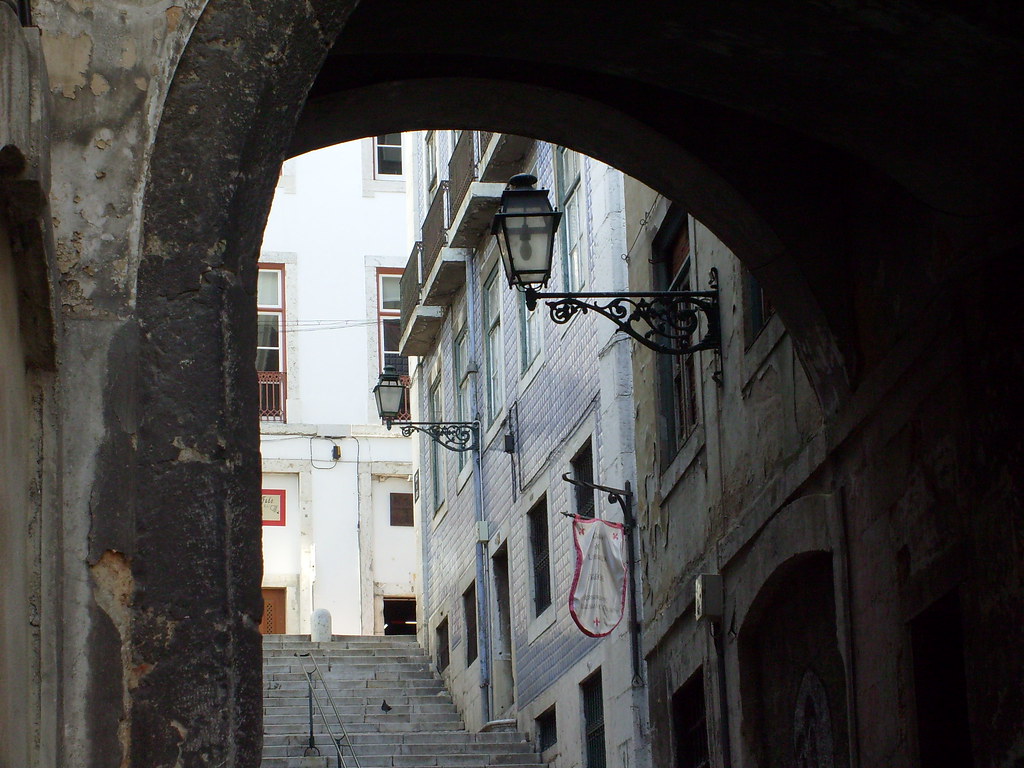
15/11/2008

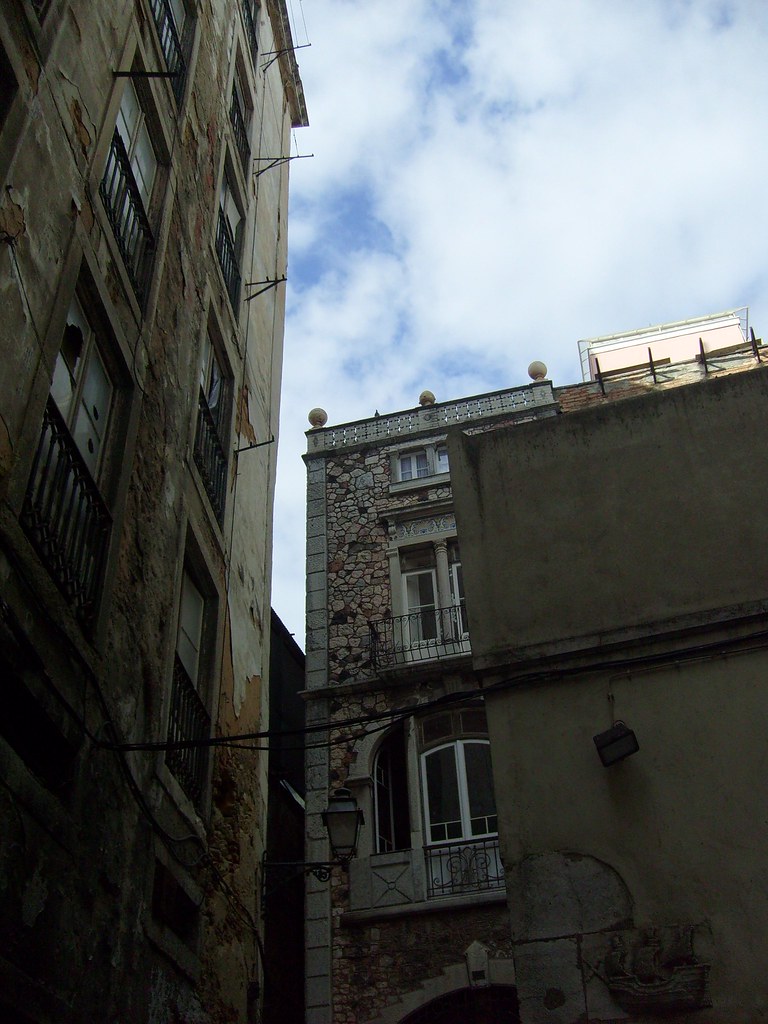
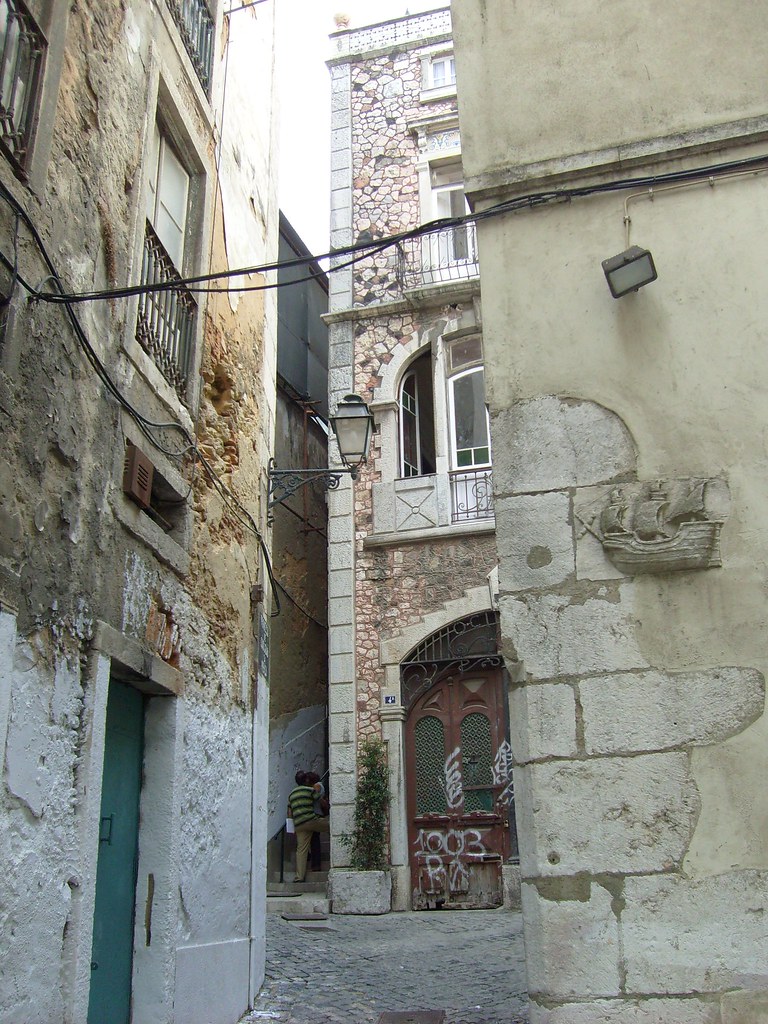
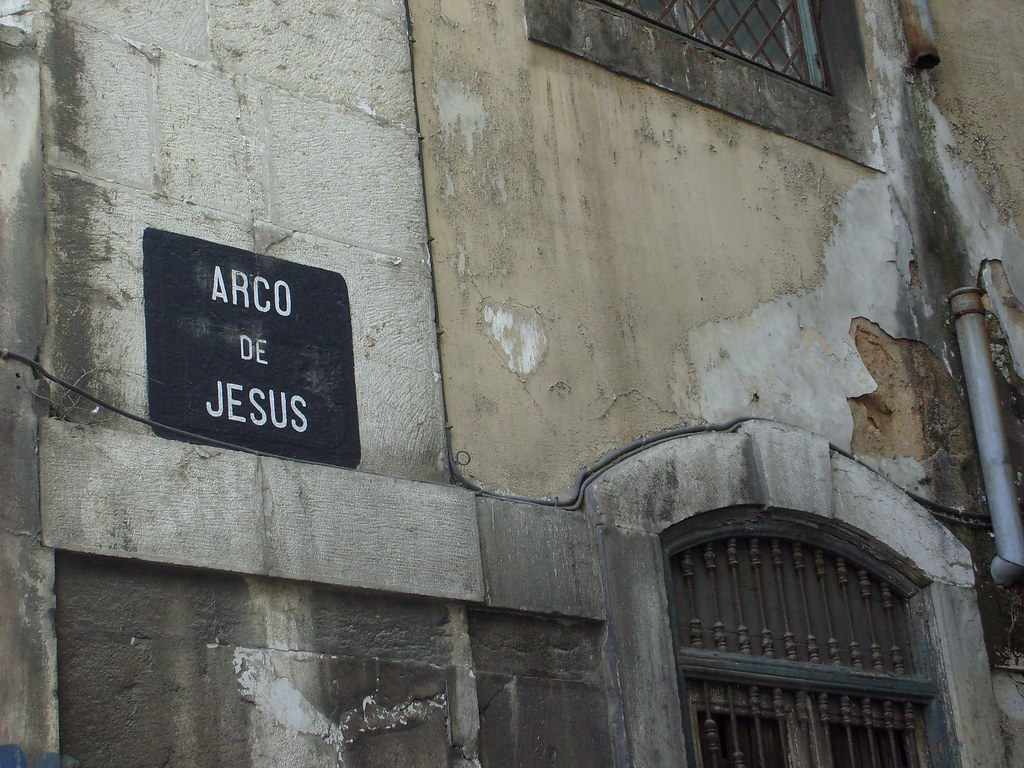
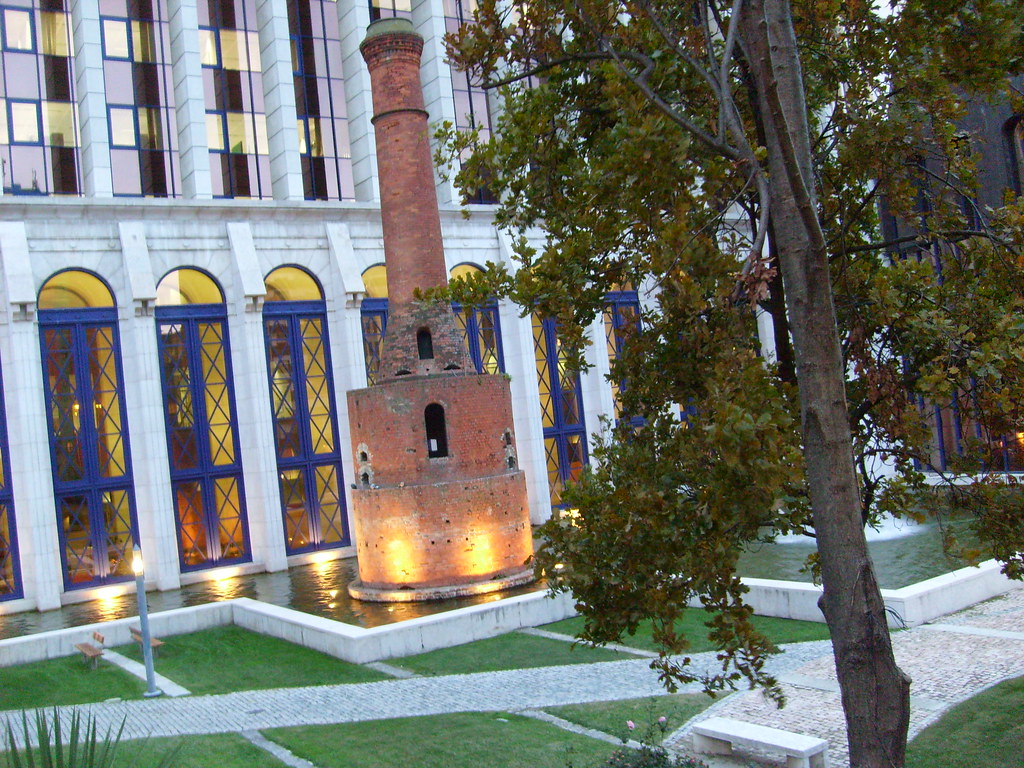
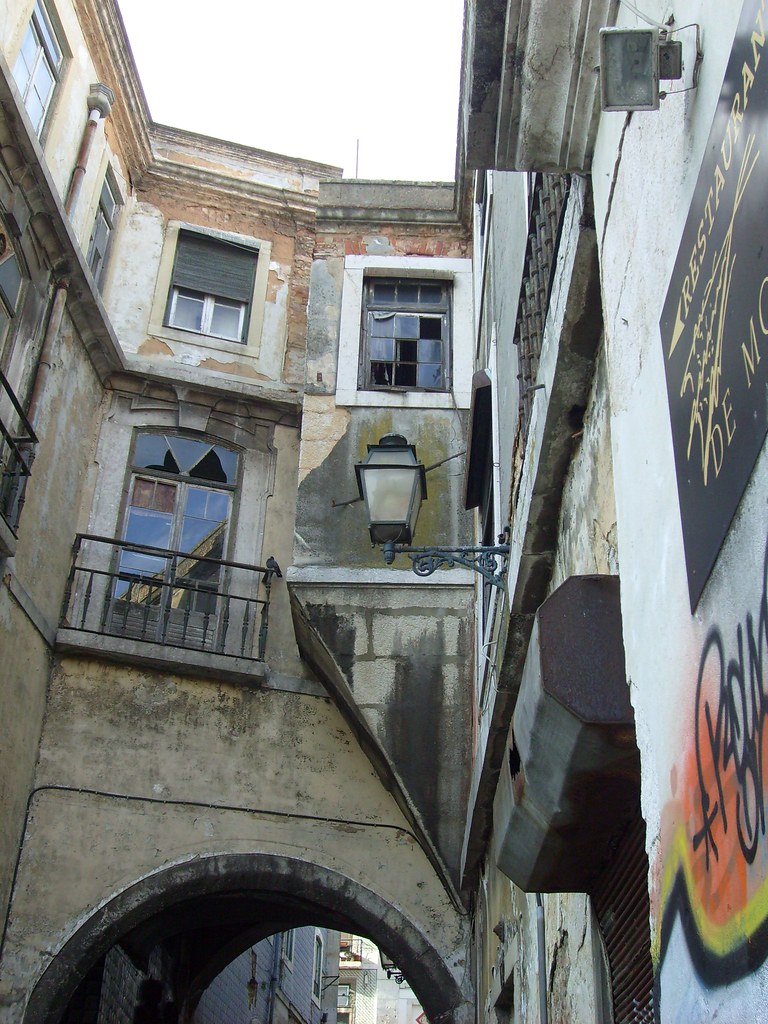
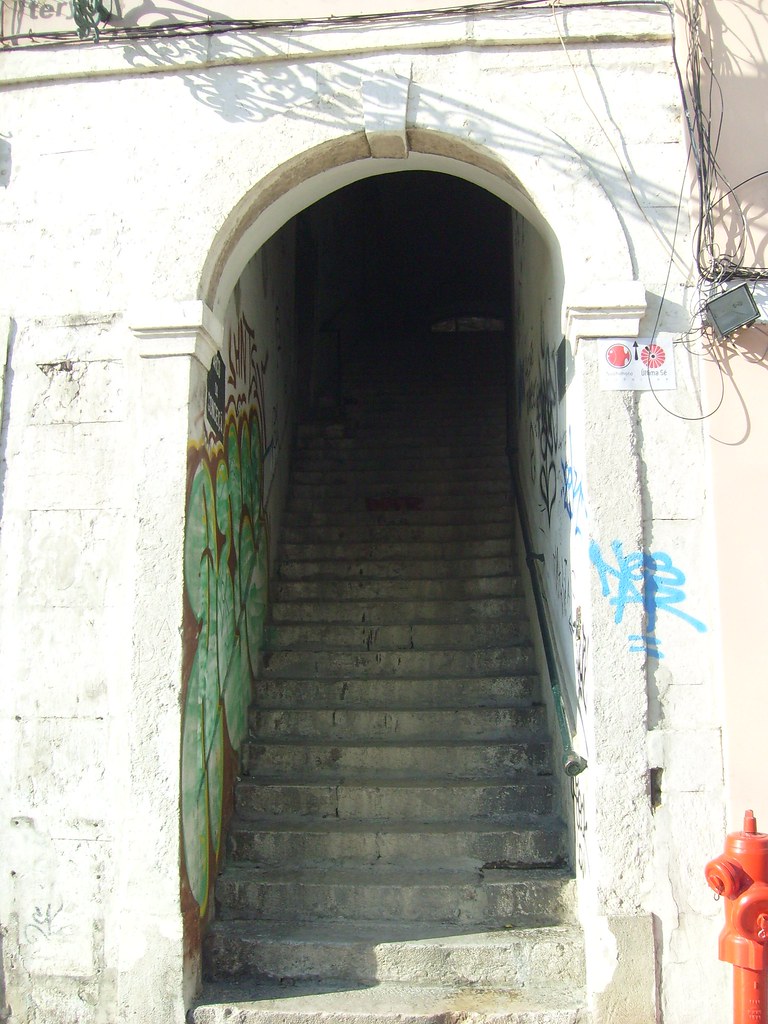
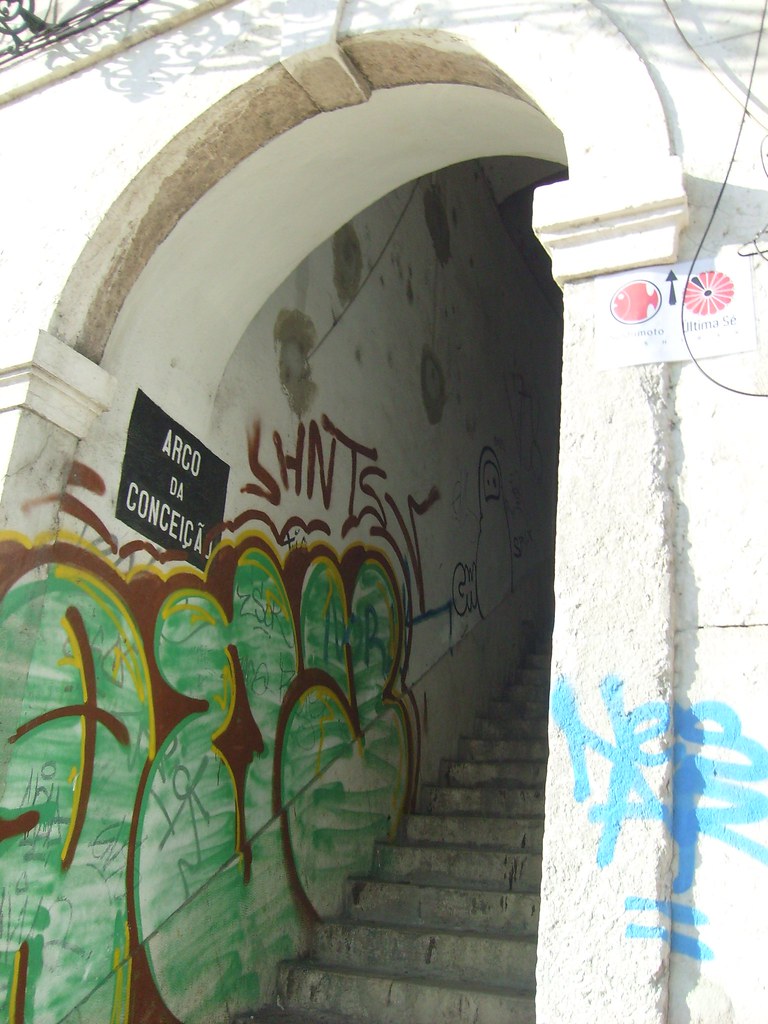
#320 - Alfama XLVIII


14/11/2008

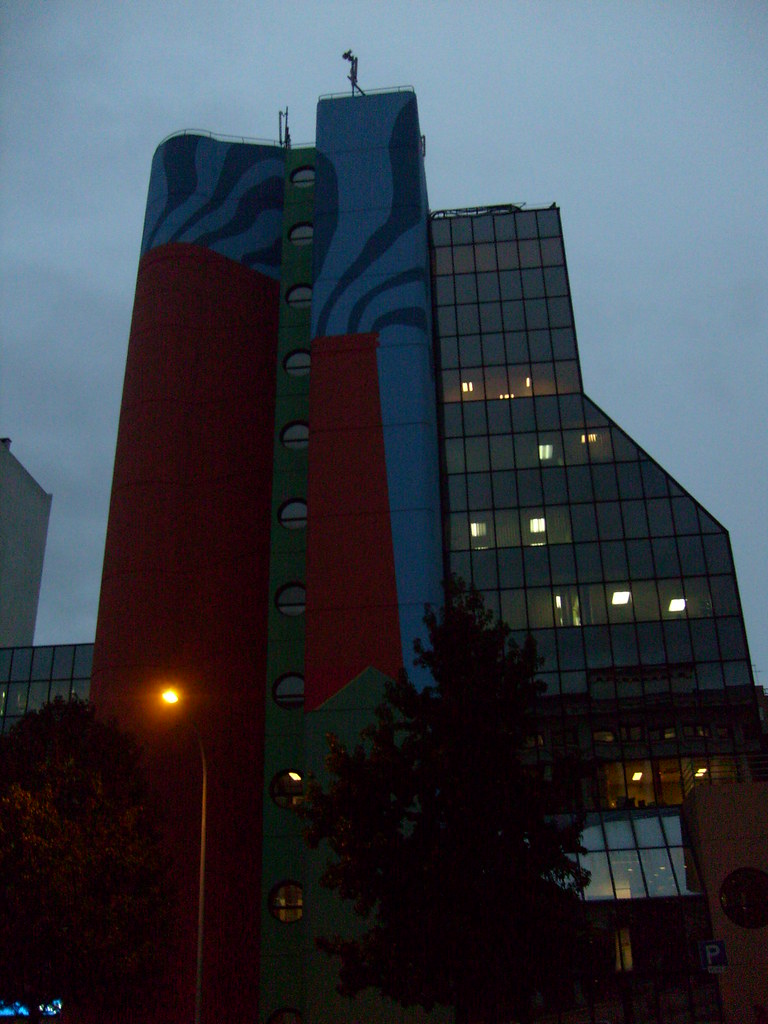
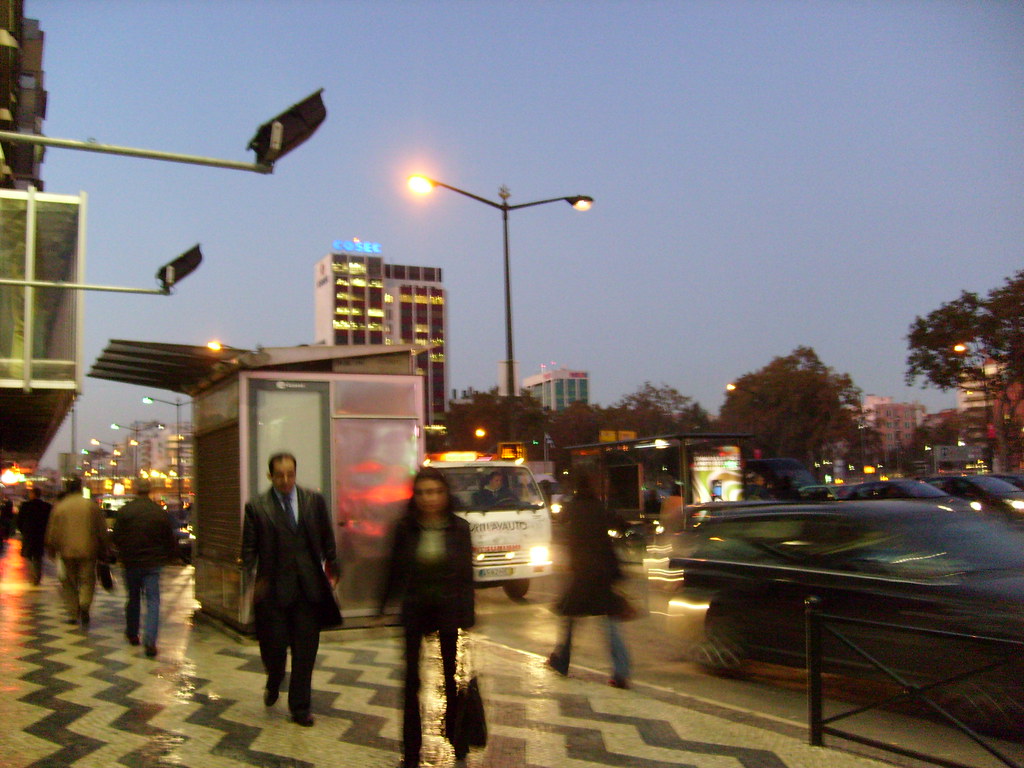
#319 - Today from 6 PM to 9 PM


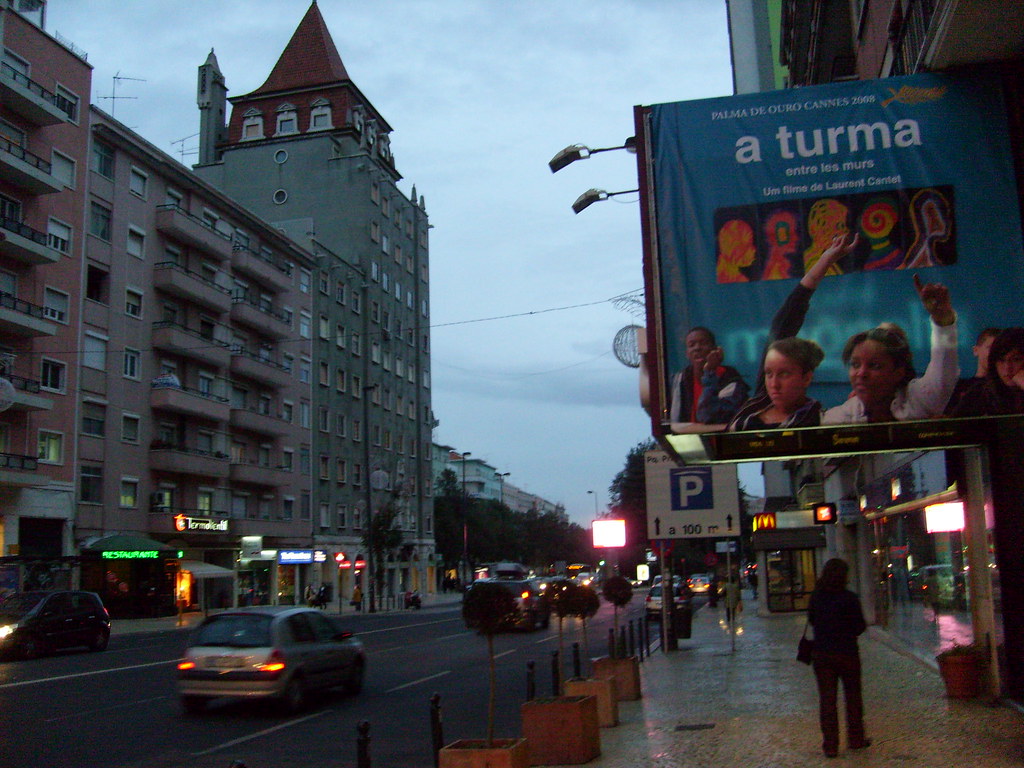
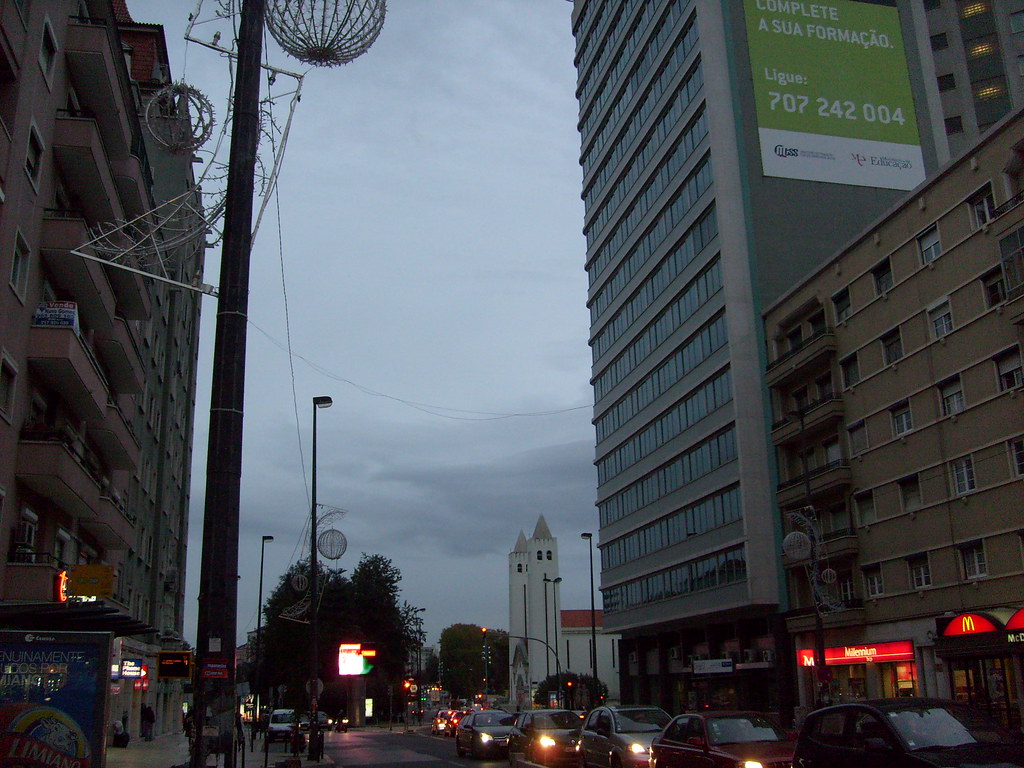
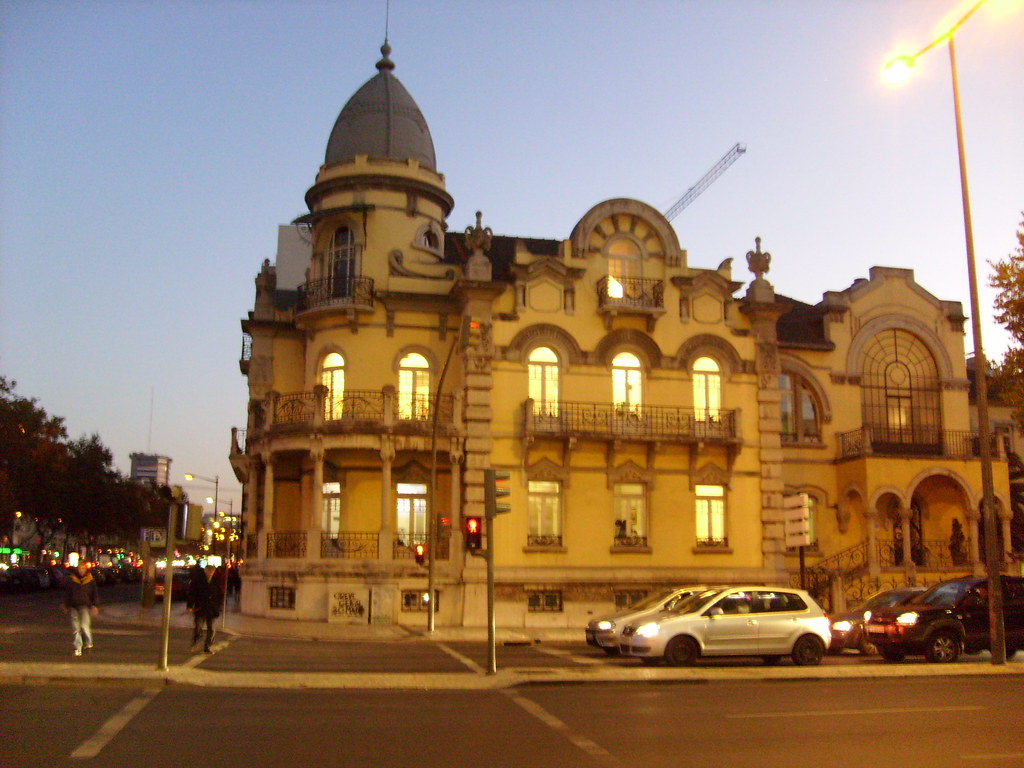
Av da República


Coner of av da república with Av de Berna


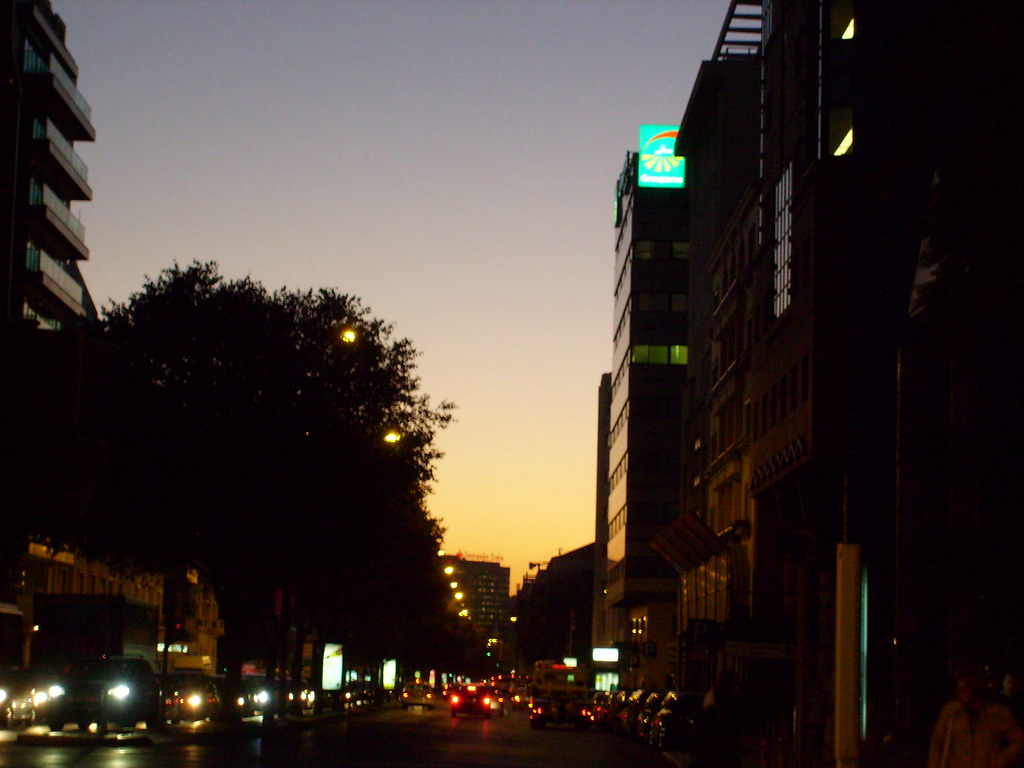
Sunset Av de Berna


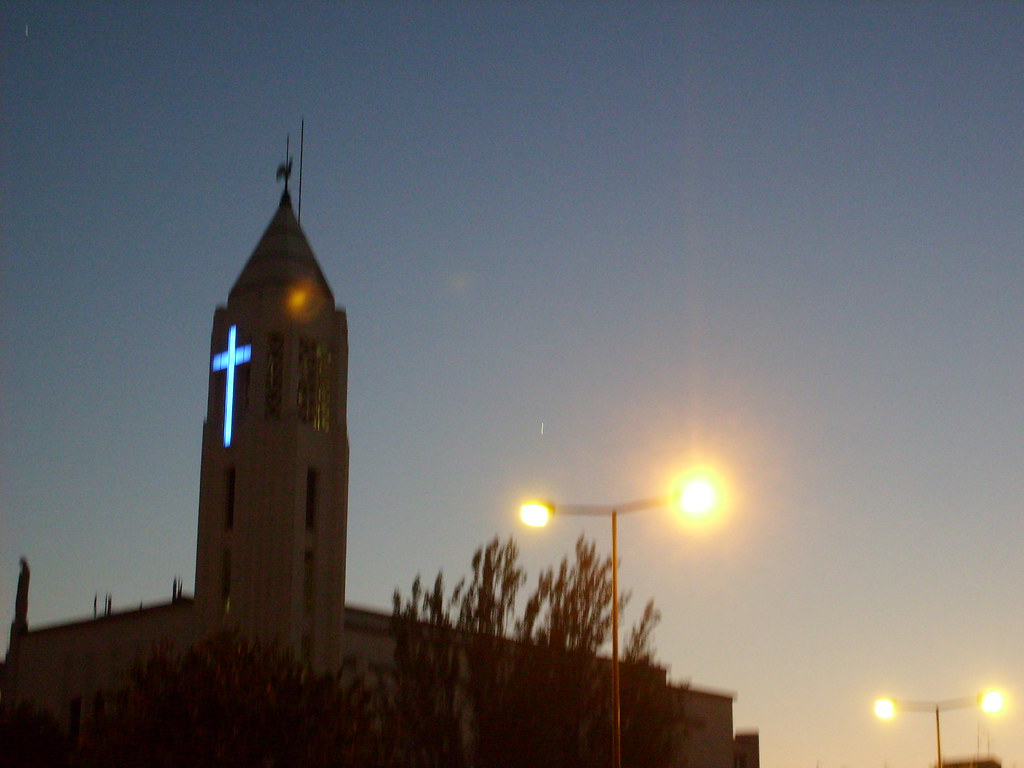
Nossa Senhora de Fátima Church


Some store window


Some Lausy door


wall


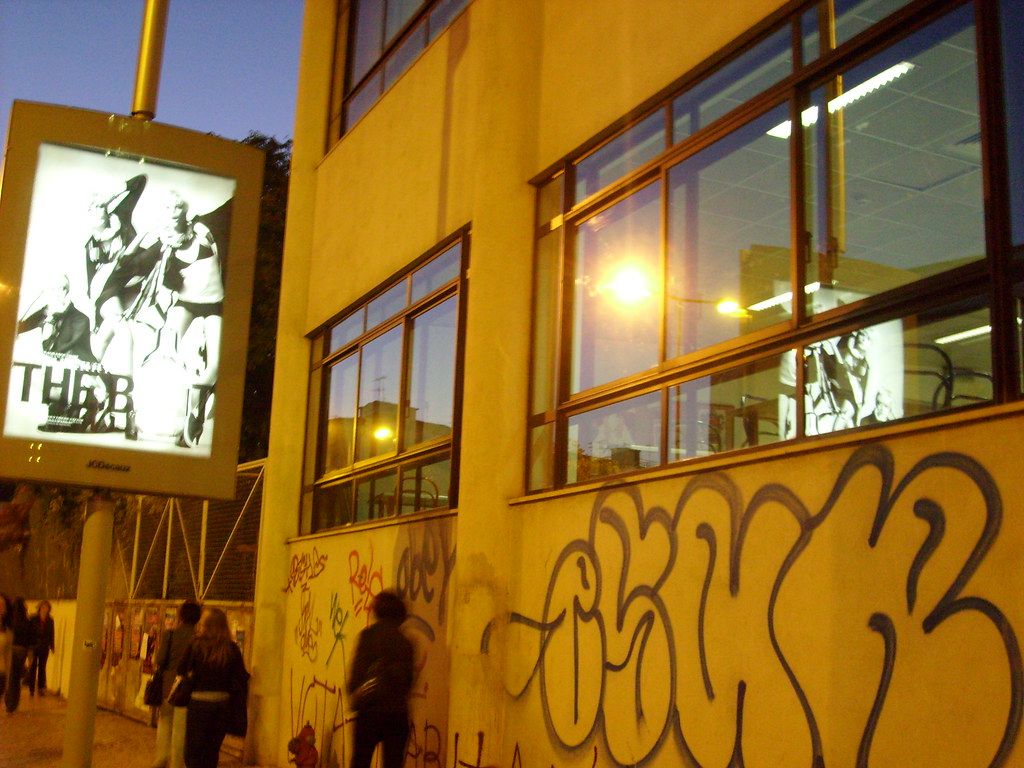
University wall


Funny publicity at bus station


Moon watch

13/11/2008

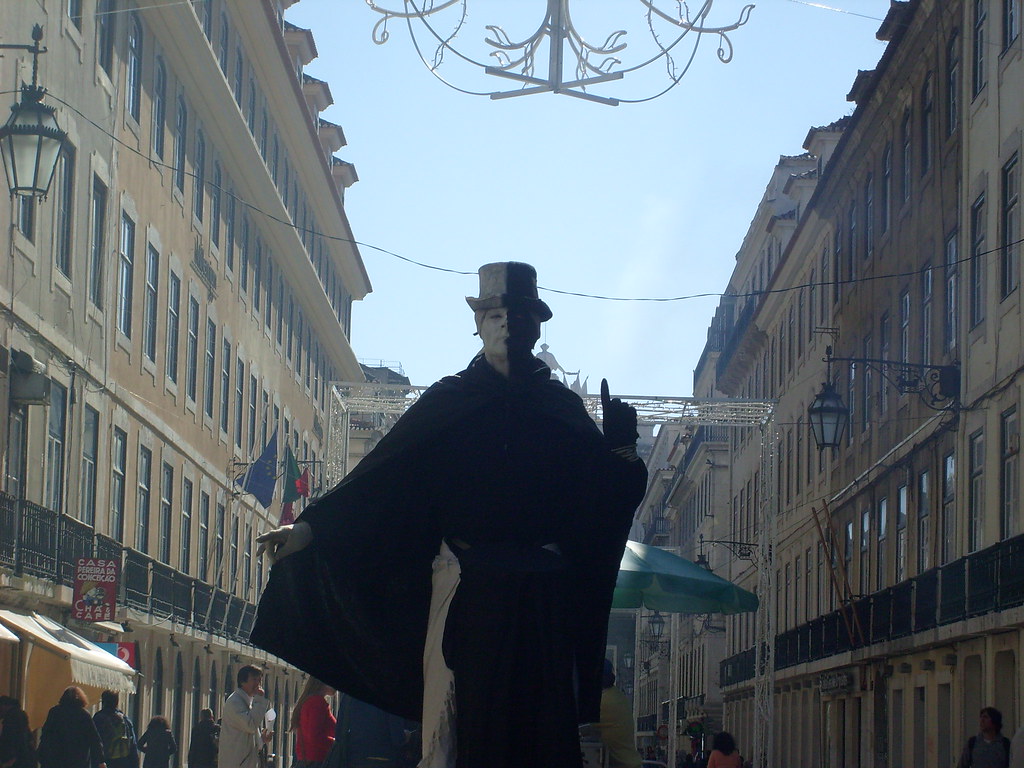
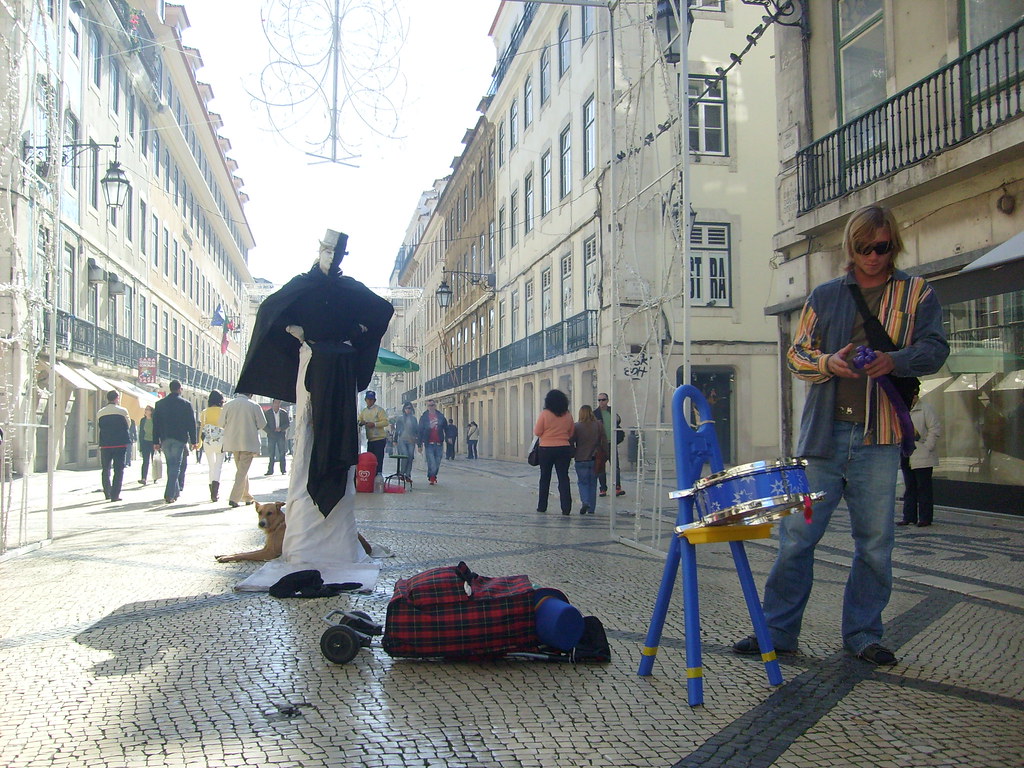
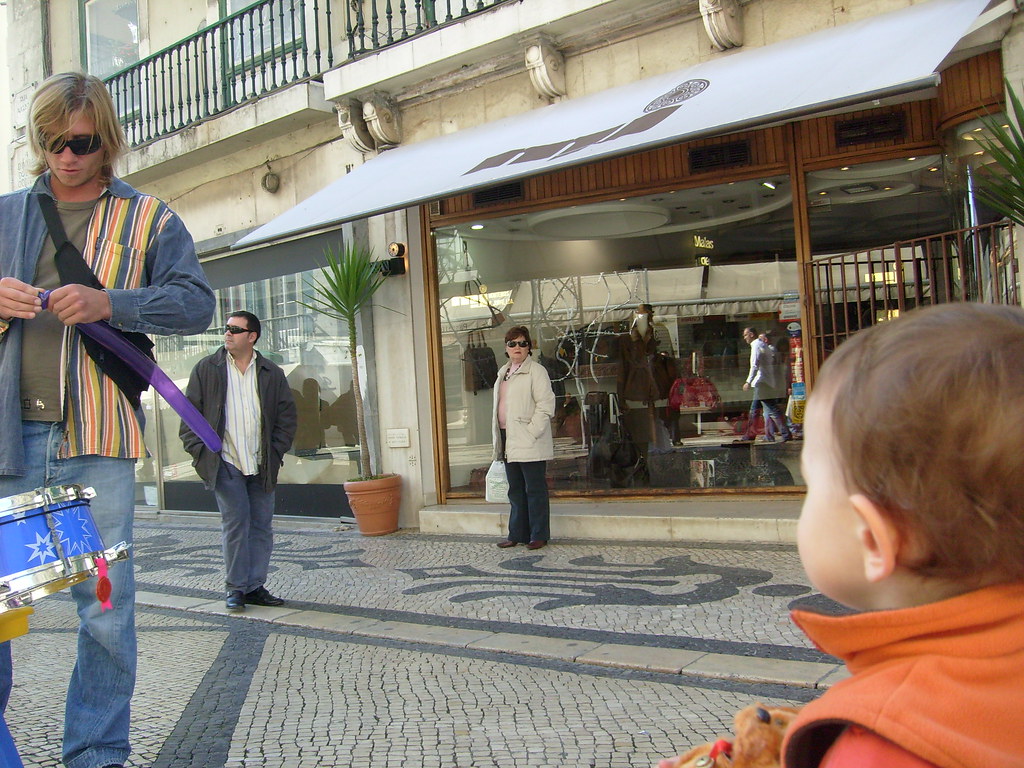
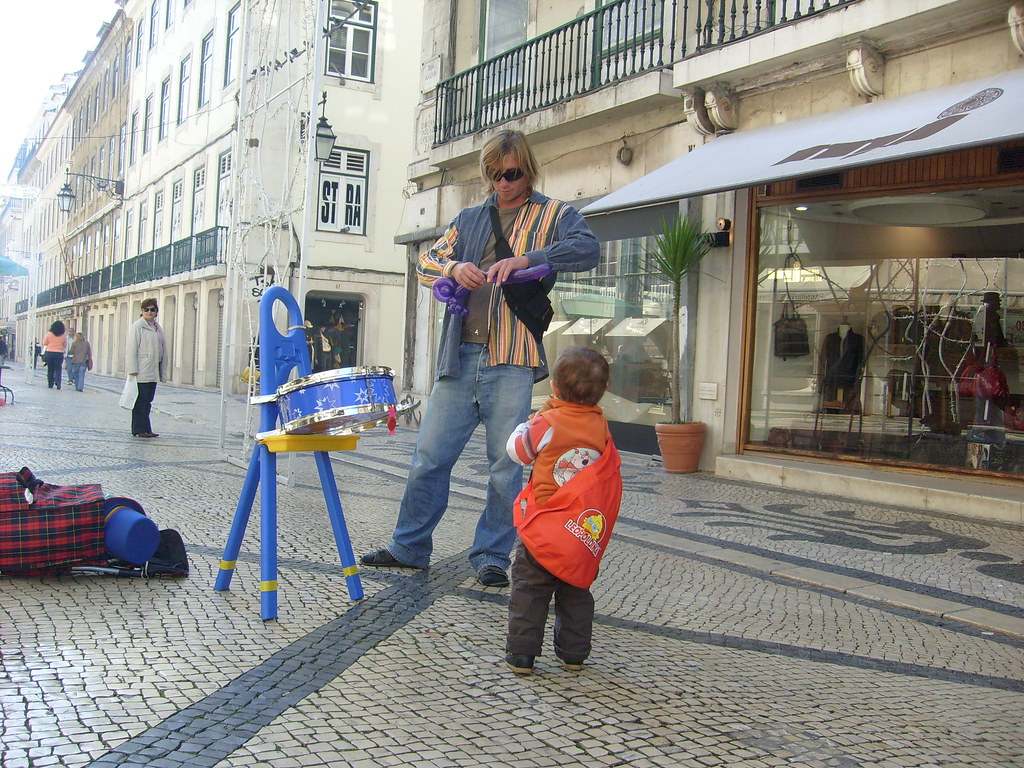
#318 - Rua Augusta amusement


12/11/2008

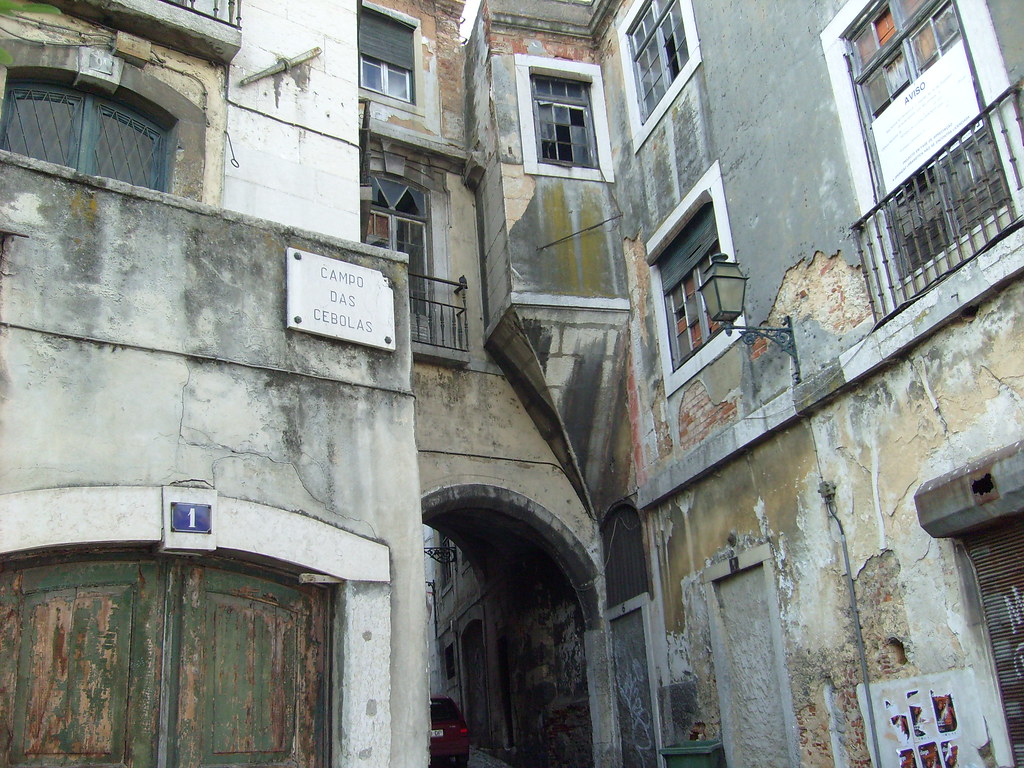
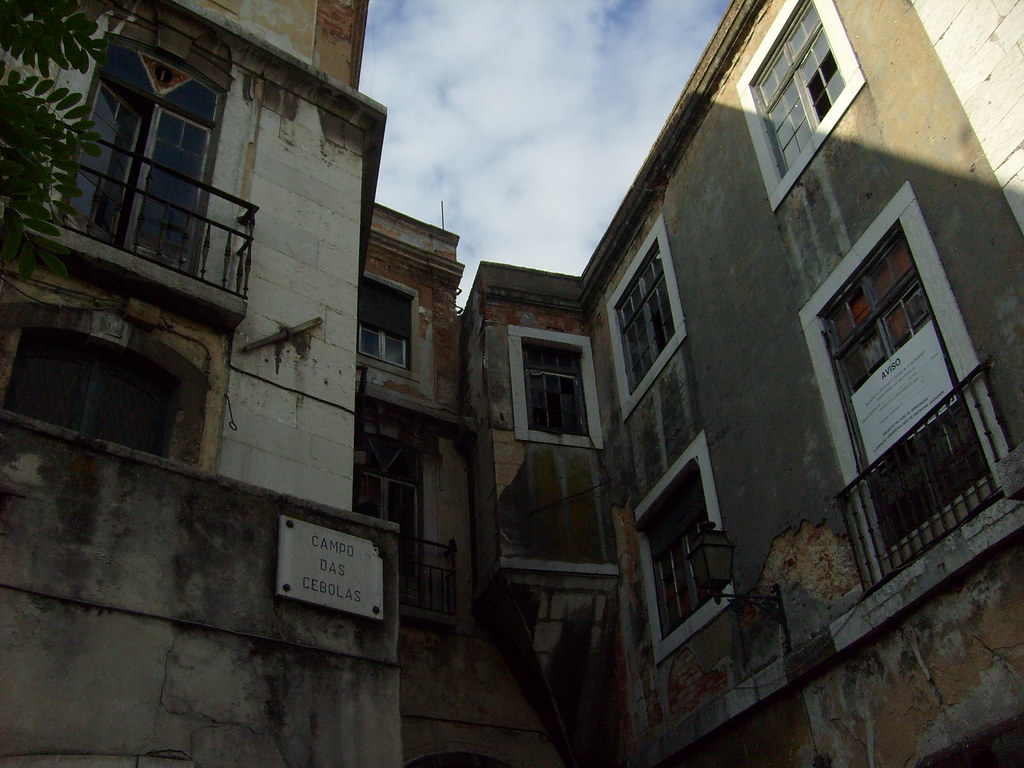
#317 - Alfama XLVII


#1 of Campo das Ceboulas

11/11/2008

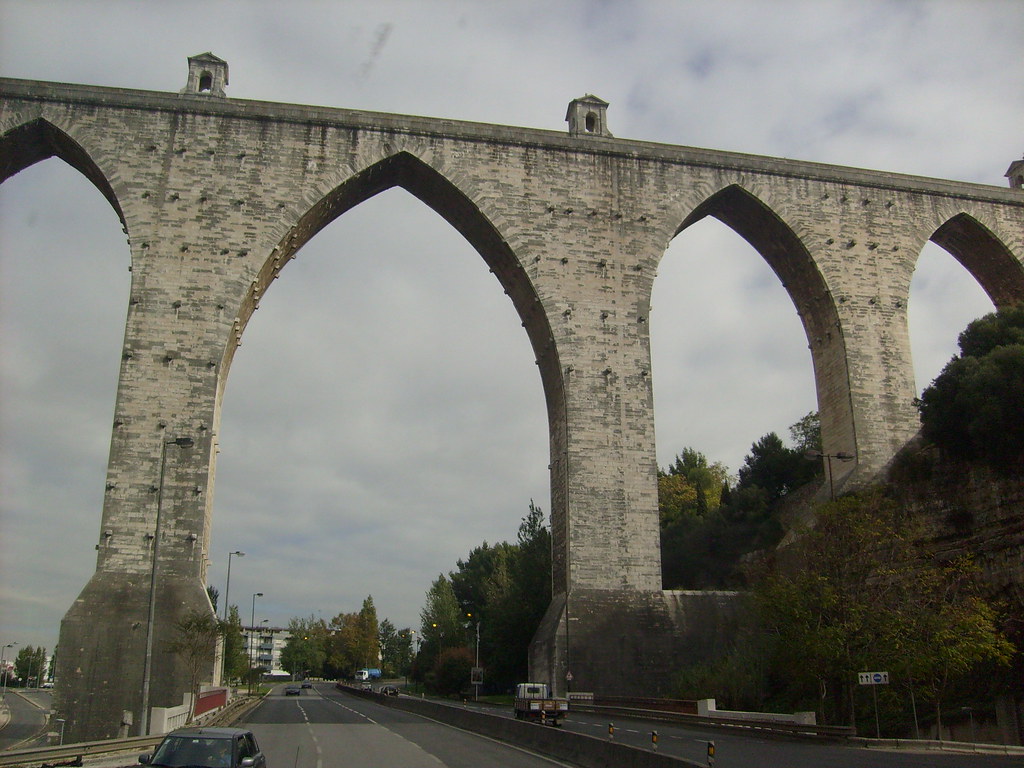
#316 - Águas Livres Aqueduct + sky watch


Águas Livres Aqueduct

From Wikipedia, the free encyclopedia

The Águas Livres Aqueduct (Portuguese: Aqueduto das Águas Livres, "Aqueduct of the Free Waters") is a historic aqueduct in the city of Lisbon, Portugal. It is one of the most remarkable examples of 18th-century Portuguese engineering. The main course of the aqueduct covers 18 km, but the whole network of canals extends through nearly 58 km.

The city of Lisbon has always suffered from the lack of drinking water, and King John V decided to build an aqueduct to bring water from sources in the parish of Caneças, in the modern municipality of Odivelas. The project was paid for by a special sales tax on beef, olive oil, wine, and other products.

Construction started in 1731 under the direction of Italian architect Antonio Canevari, replaced in 1732 by a group of Portuguese architects and engineers, including Manuel da Maia, Azevedo Fortes and José da Silva Pais. Between 1733 and 1736, the project was directed by Manuel da Maia, who in turn was replaced by Custódio Vieira, who would remain at the head of the project until around 1747.

Custódio Vieira conceived the centerpiece of the aqueduct, the arches over the Alcantara valley, completed in 1744. A total of 35 arches cross the valley, covering 941 m. The tallest arches reach a height of 65 m, and many are pointed, reminiscent of arches in Gothic style. It is considered a masterpiece of engineering in the Baroque period.

In 1748, although the project was still unfinished, the aqueduct finally started to bring water to the city of Lisbon, a fact celebrated in a commemorative arch built in the Amoreiras neighbourhood. From this period on, construction was overseen by other architects, including Carlos Mardel of Hungary and others. During the reigns of José I and Maria I, the network of canals and fountains was greatly enlarged.

The Mãe d'Água (Mother of the Water) reservoir of the Amoreiras, the largest of the water reservoirs, was finished in 1834. This reservoir, with a capacity of 5,500 m³ of water, was designed by Carlos Mardel. It is now deactivated and can be visited as part of the Museu da Água (Water Museum).


10/11/2008

#315 - Another day...no balloons! LOL


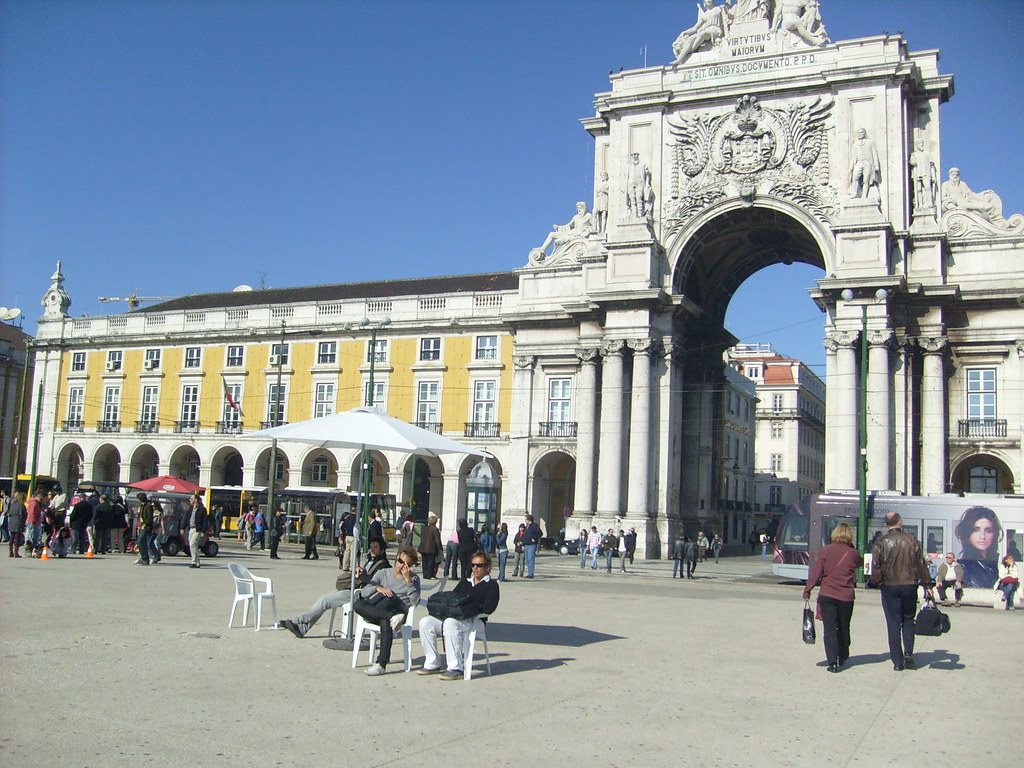
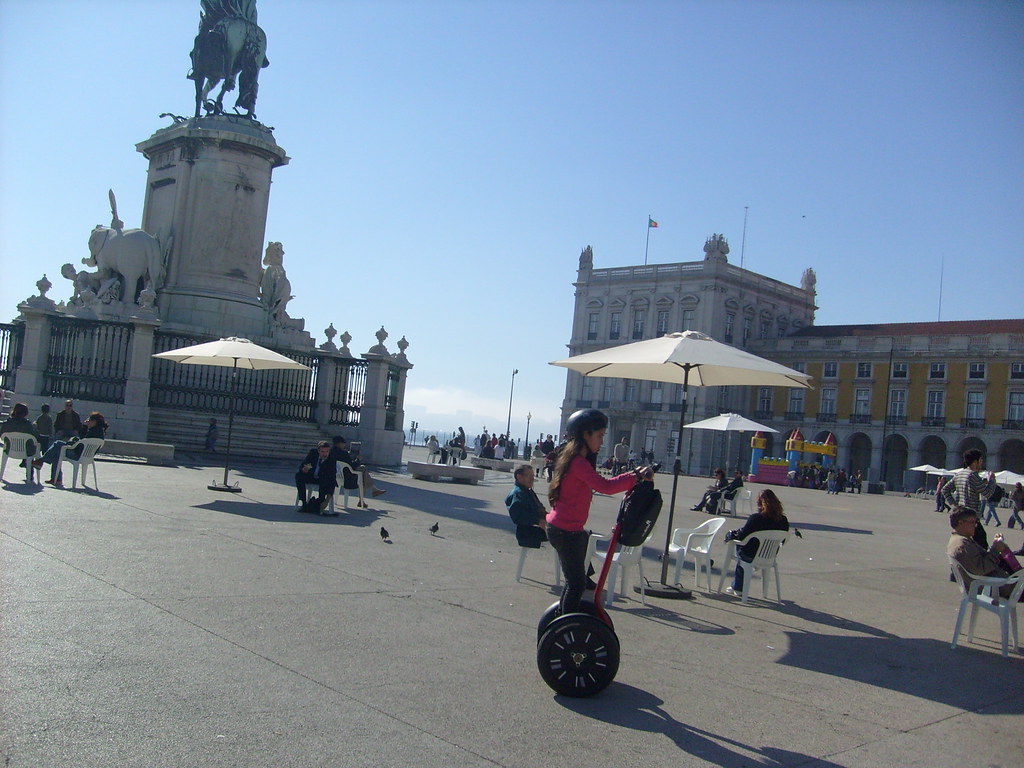
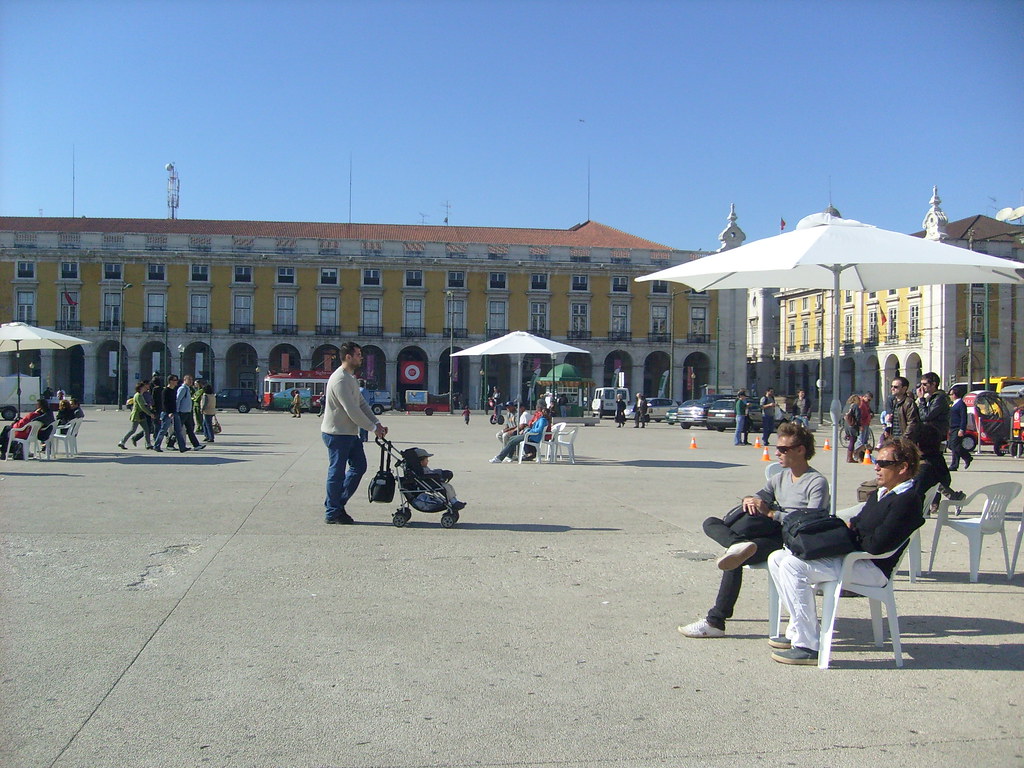
According to the news below, I was supposed to have shootet at least 10 balloons in Lisbon this weekend. In the previous post you can see the only balloon that was yesterday in Belém . And today this was the aspect of Praça do Comércio in the morning.

The weather was fine and even in the absence of balloons was fun. :)


"Europe's biggest festival takes hot-air balloons to Belém

The International Festival of hot-air balloons take this weekend dozens of balloons in the area of the Monastery of Jeronimos in Lisbon, with baptism of flight and a multimedia show at night.
According to Sandro Danao, organization, the multimedia show "Festival Night Glow" [technical name in English], present in week-end and lined up dozens of balloons filled with hot air, which will turn the burners with "fire and in a synchronized, where the rhythm of music. "

The show is scheduled for Saturday at 21:30, with an estimated duration of time, and according to the organizer, "will be the largest in Europe, because of the large number of balloons present," the majority of foreign pilots.

The balloons will occupy the entire front of the Monastery of Jeronimos , near the garden of Belém, as of Saturday morning, with baptism of captive flight demonstrations during the day and more direct contact with the pilots and crews.

On Sunday morning, about 10 balloons are at Commerce Square to demonstrate and flight captives, one of the balloons available to users of wheelchairs.

After the event in Lisbon, all of the approximately 50 pilots participating in the International Festival, takes to the Alto Alentejo in Portugal, which starts Monday to contest the Cup of Iberian Balloon." [*]


09/11/2008

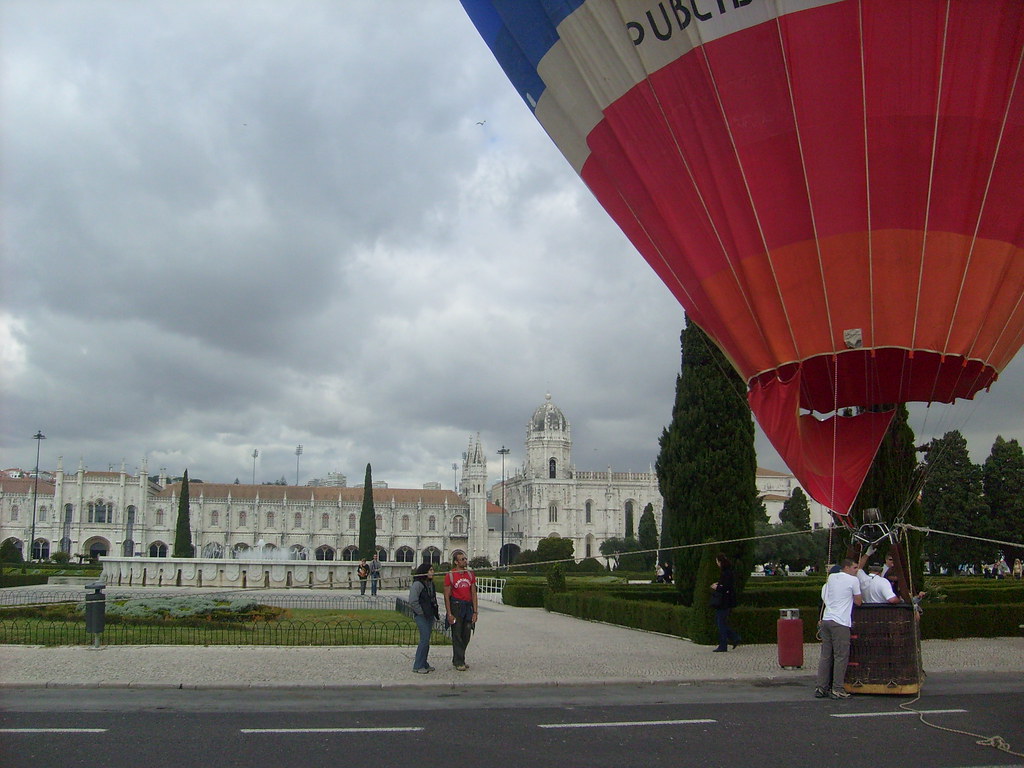
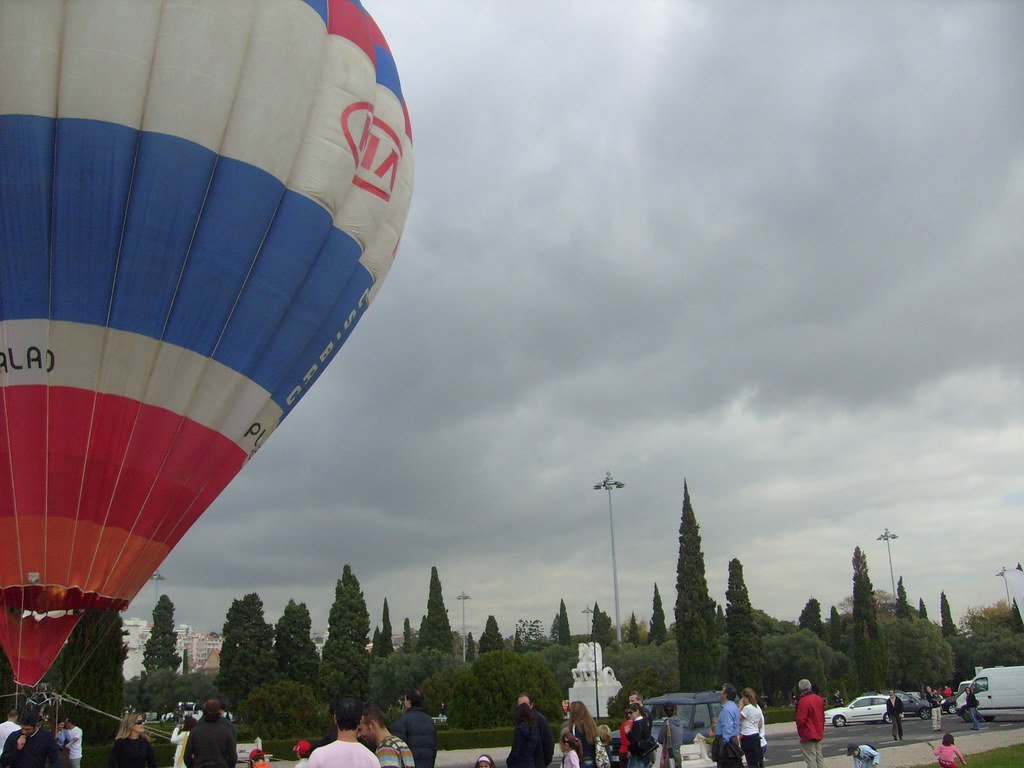
#314 - One balloon at Belém


I went to see 50 balloons and I just found one! LOL
Maybe I'll post the others 49 in the next days.

08/11/2008

#313- Alfama XLVI


07/11/2008

06/11/2008

#311- Alfama XLV


05/11/2008

#310 - Av. de Roma by night I


04/11/2008

#309 - São Domingos Church


São Domingos Church

"Situated right in the centre of the lovely town of Lisboa, next to Rossio Square, the São Domingos Church dates from the 13th century, being famous for having as a relic part of the handkerchief that the shepherd child Lúcia used and part of the chaplet that the shepherd child Jacinta were using when the ‘Fátima’s miracle’ happened, on the 13th of May 1917.

The Church’s construction started back in 1241 and since then the original project suffered several alterations.
Its architectonic style is, therefore, a mixture of the different construction and conservation periods and influences, among them the alteration of the main chapel in 1748 and later the reconstruction works after a big fire in 1954.

This Church served as a model for the Churches built after the big earthquake of 1755, specially ofr its grandiosity and by the Architect Ludovice influence." [*]


03/11/2008

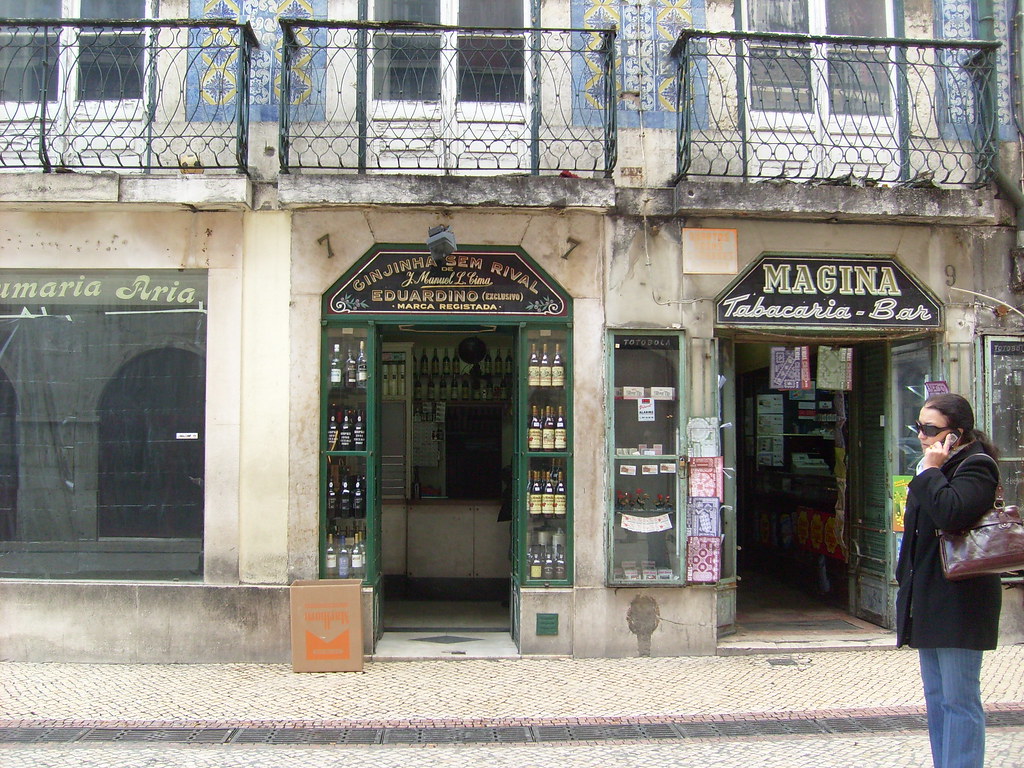
#308 - Eduardinho & Magina


These two stores are located on the opposite side of Byzantine bookstore, as you can see from the reflection.
"Eduardinho do Rossio" sells a famous Ginginha, while "Magina" is curiously a "tobacco store - bar!

02/11/2008

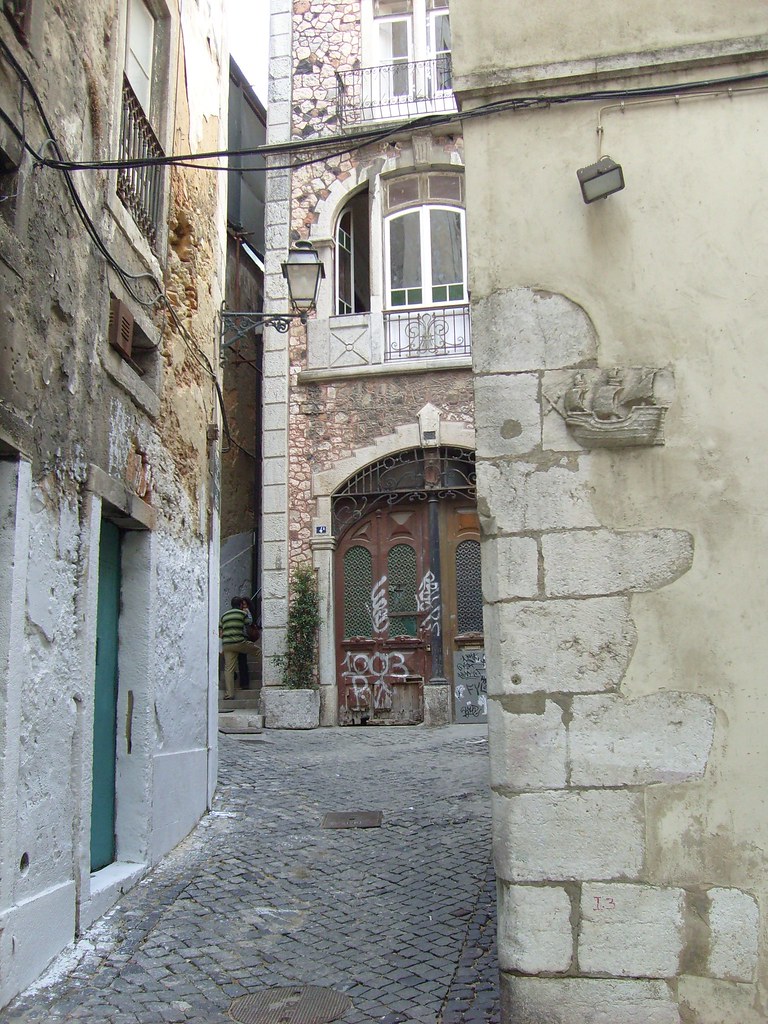
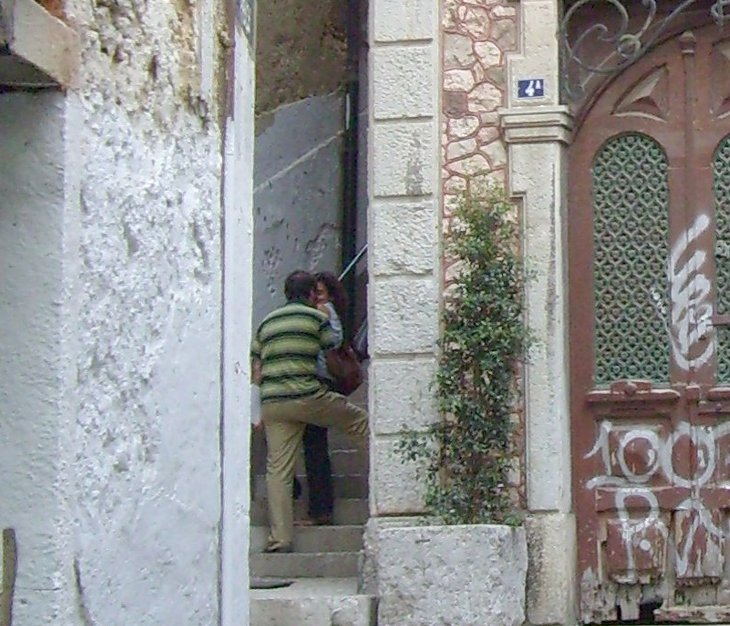
#307- Alfama XLIV


Alfama with its narrow streets and dark alleys is a great place for dating :)

01/11/2008

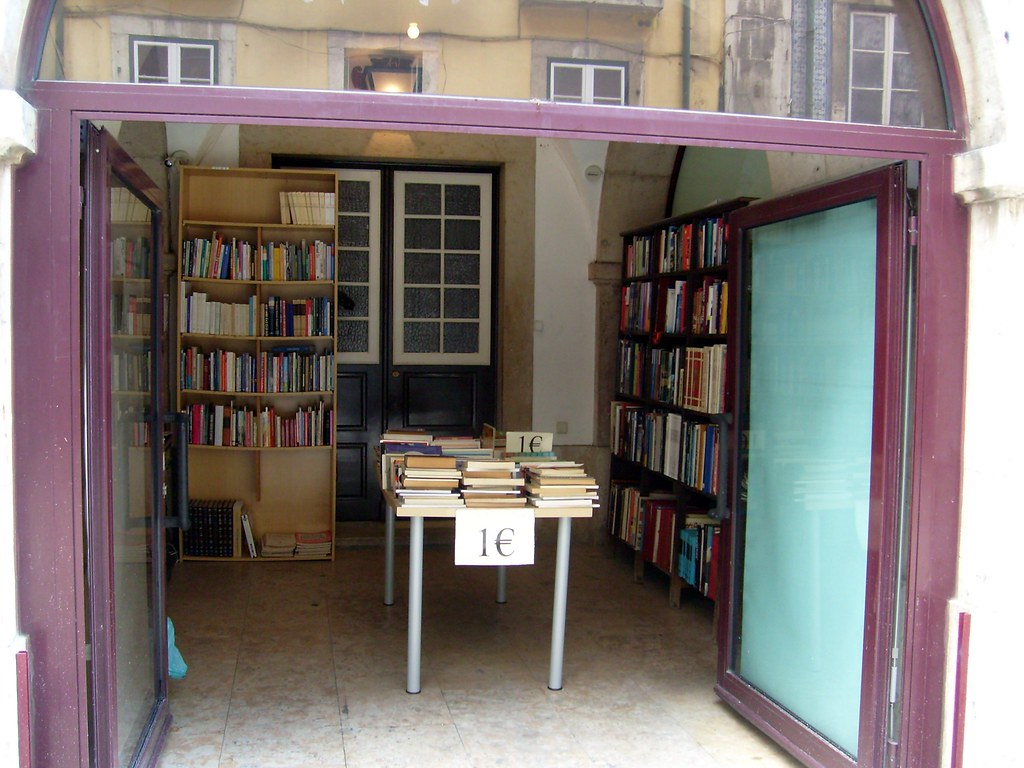
#306 - November 2008 Theme Day: Books


Livraria Bizantina

The Bookstore Byzantine account many years of experience working with old and rare books, manuscripts and other historical documents, and is able to find the titles that demand and that persist in failing to reach by hand.

They have two stores in Lisbon, one in Chiado, and another later located at Rua das Portas de Santo Antão, with the premises of the Palace of Independence.

I chose this old bookstore because it is located in my favorite street of downtown.

Click here to view thumbnails for all participants