15/08/2008

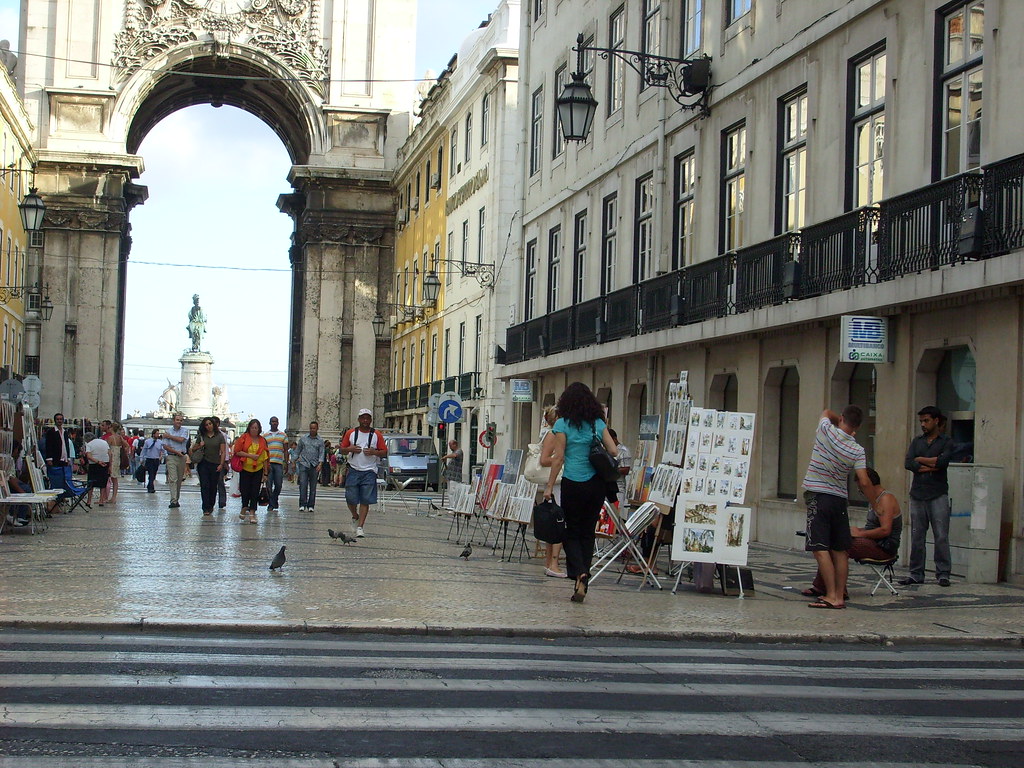
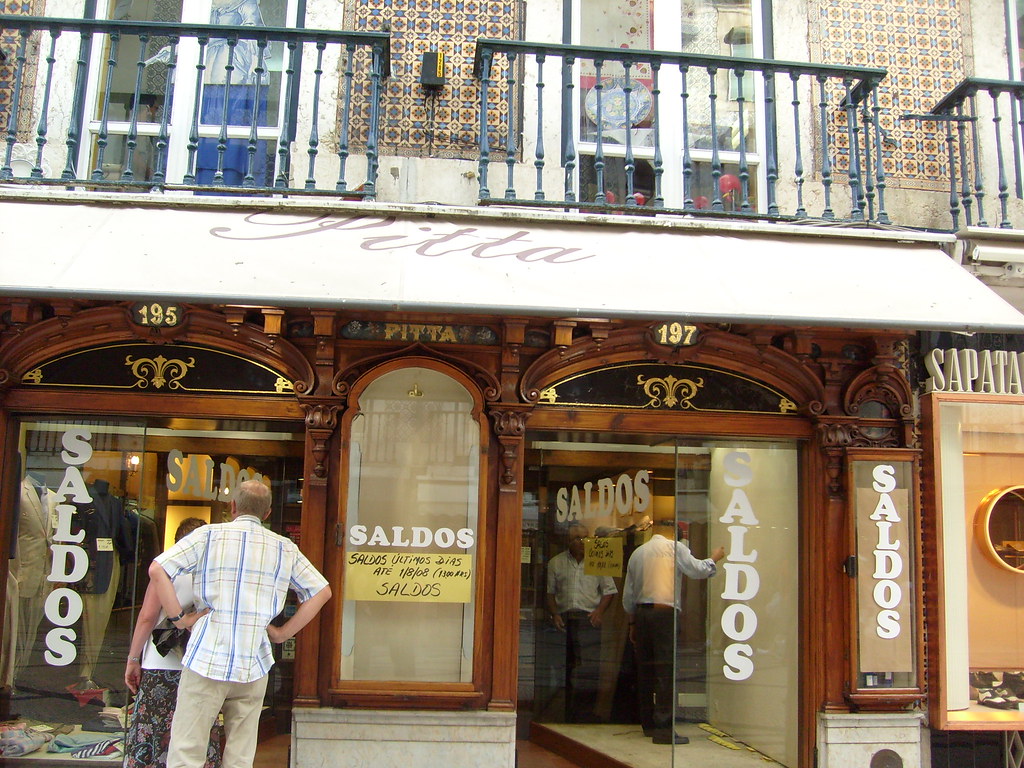
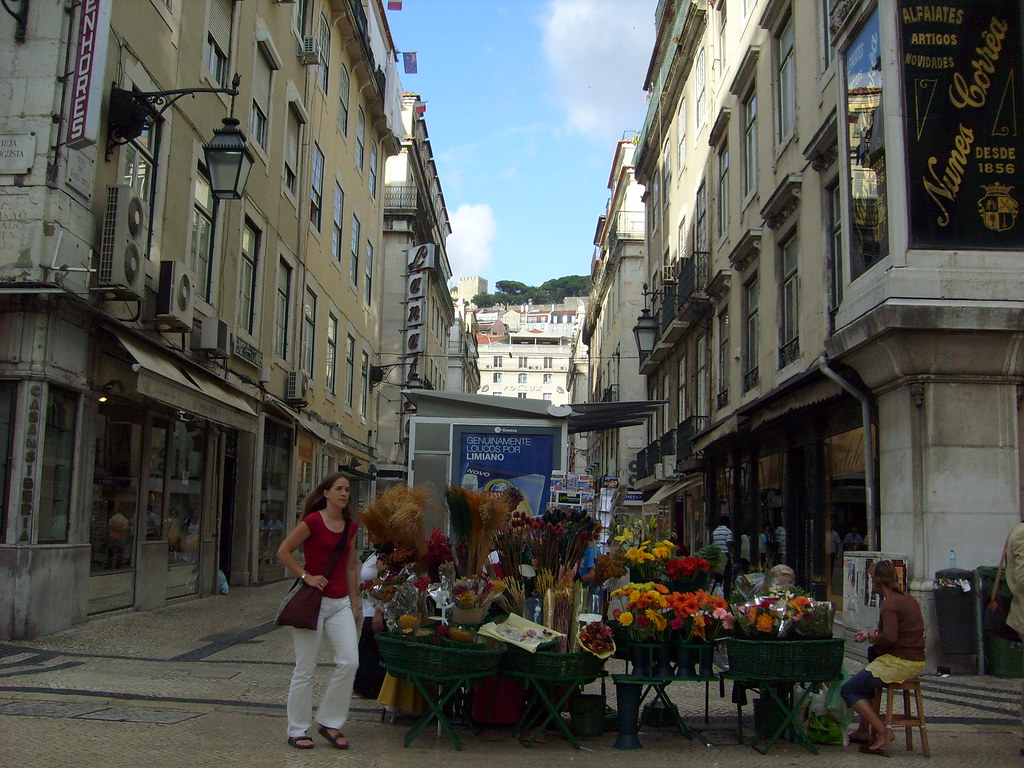
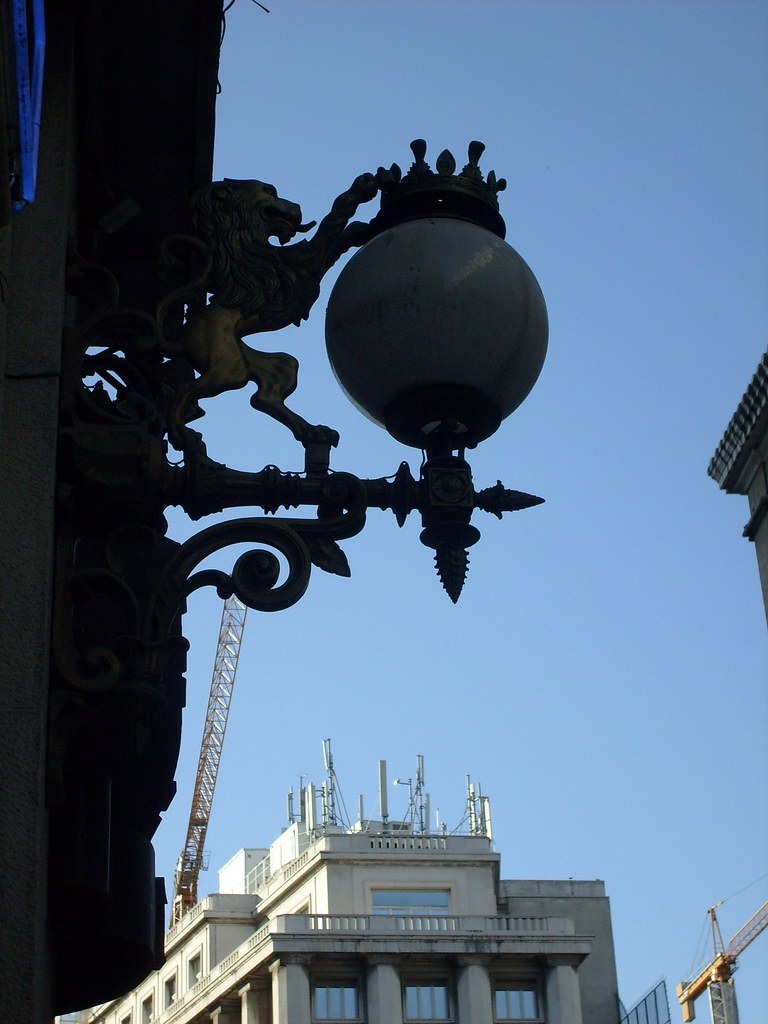
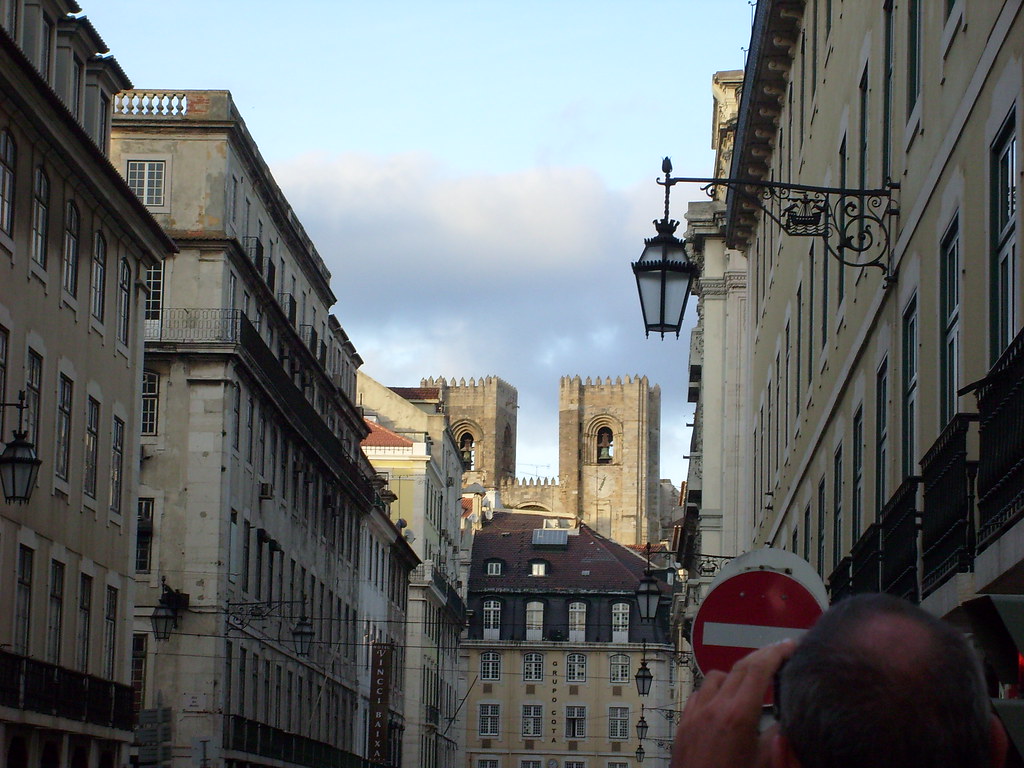
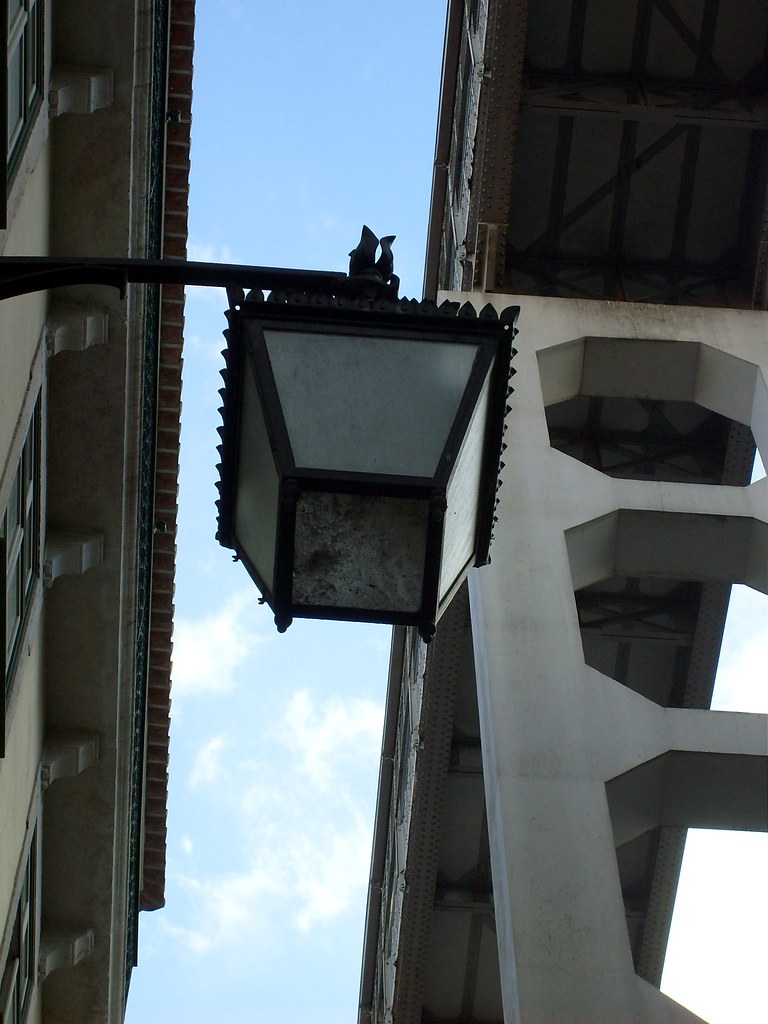
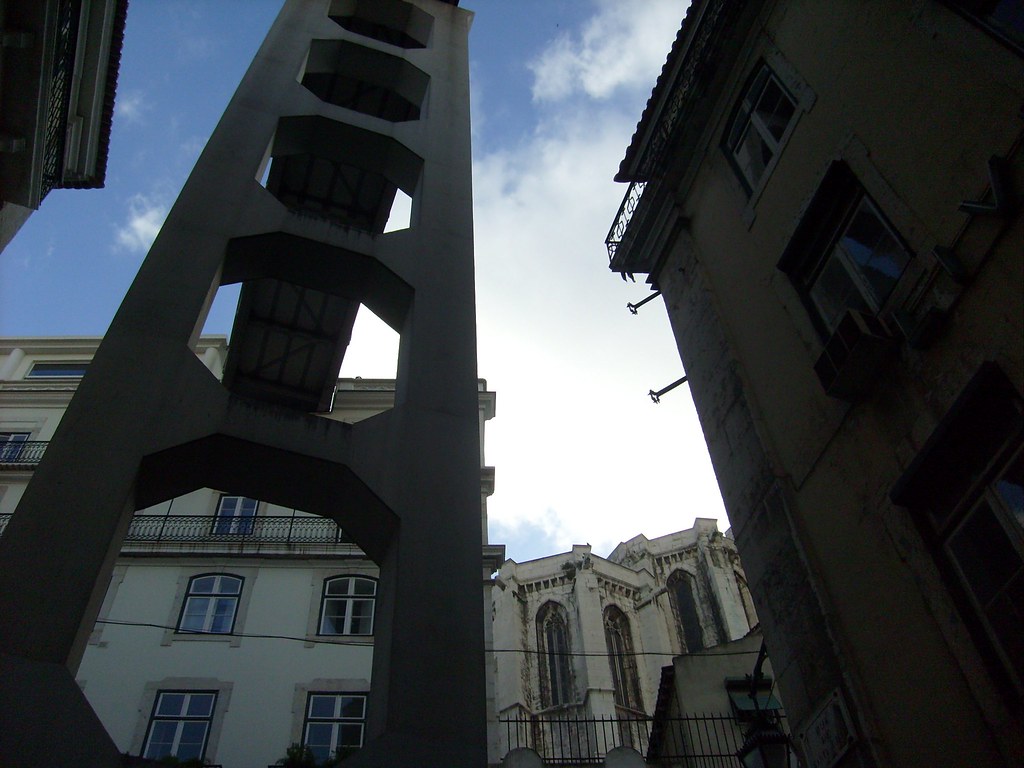
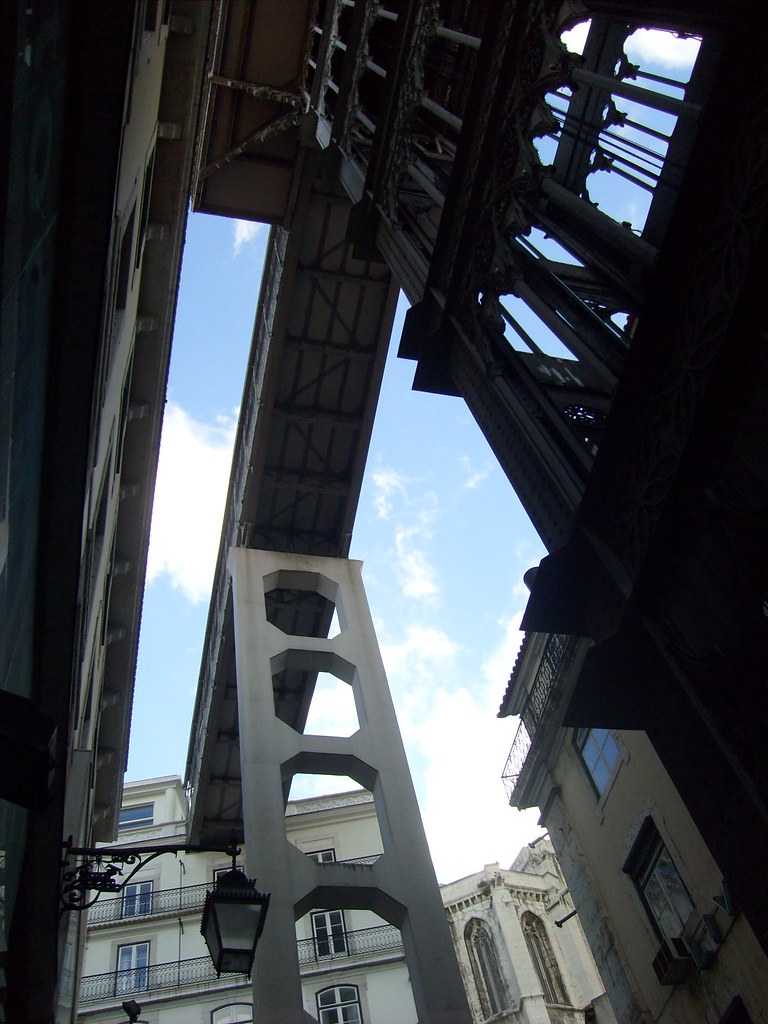
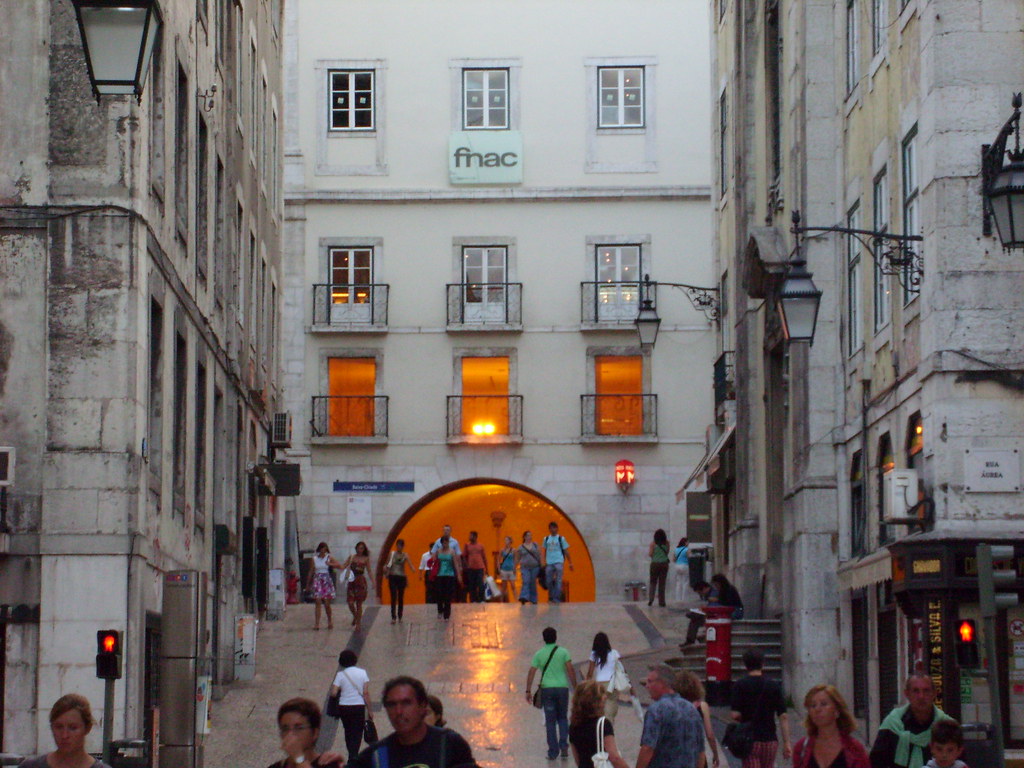
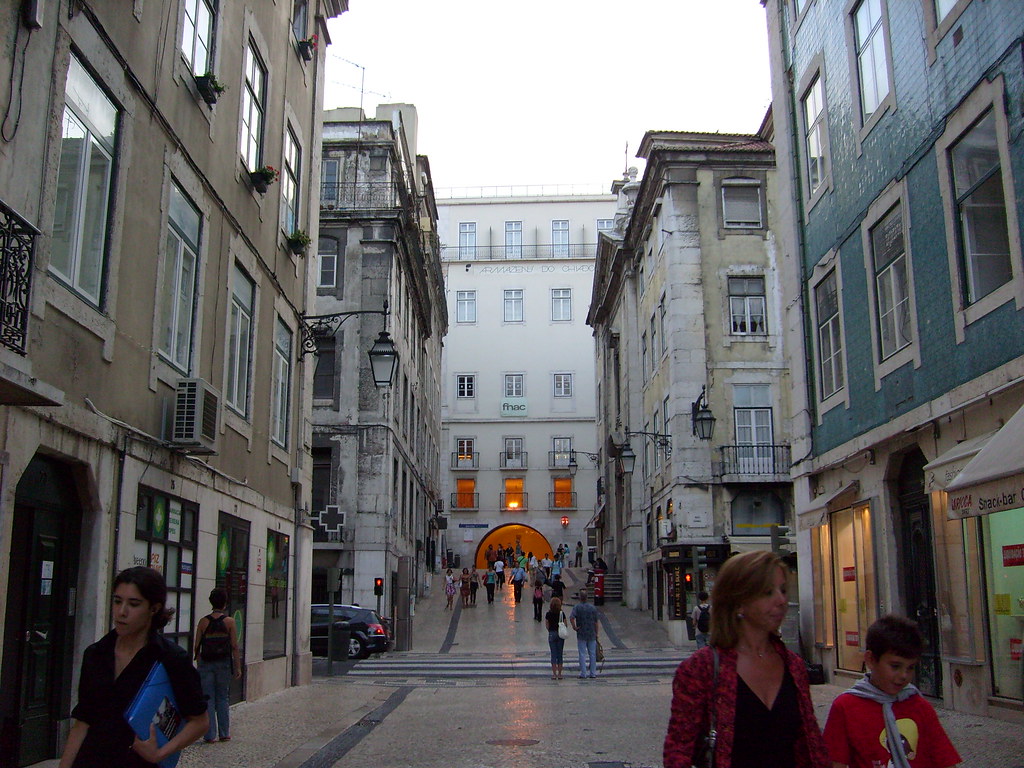
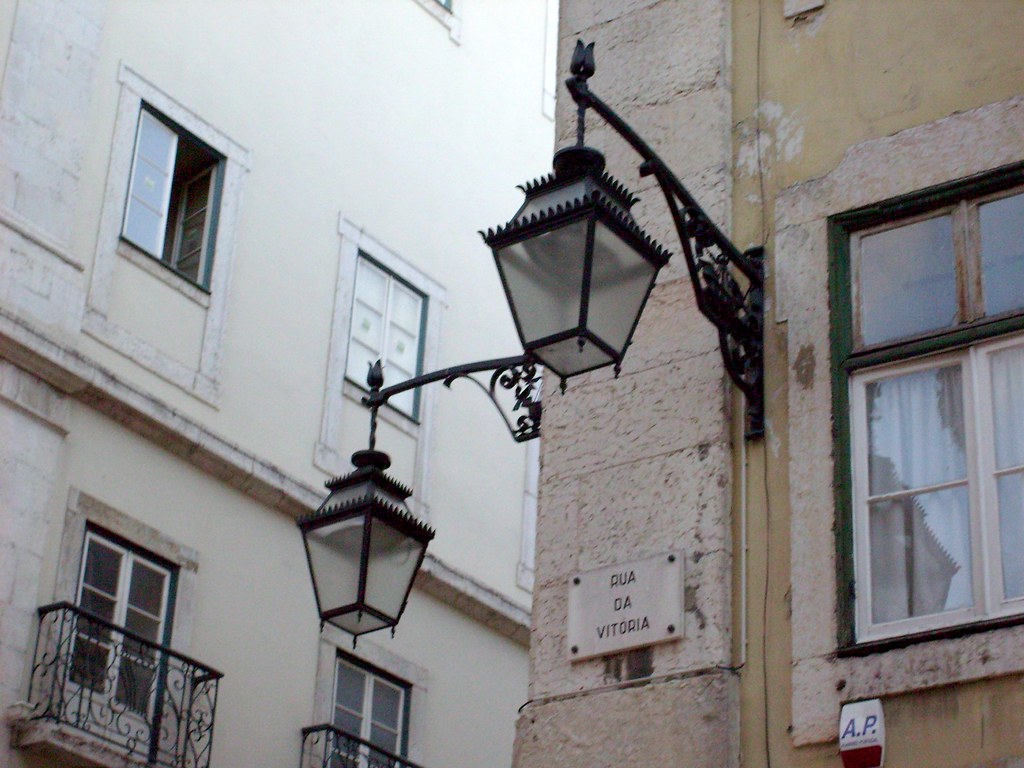
#228 - Rua da Vitória I


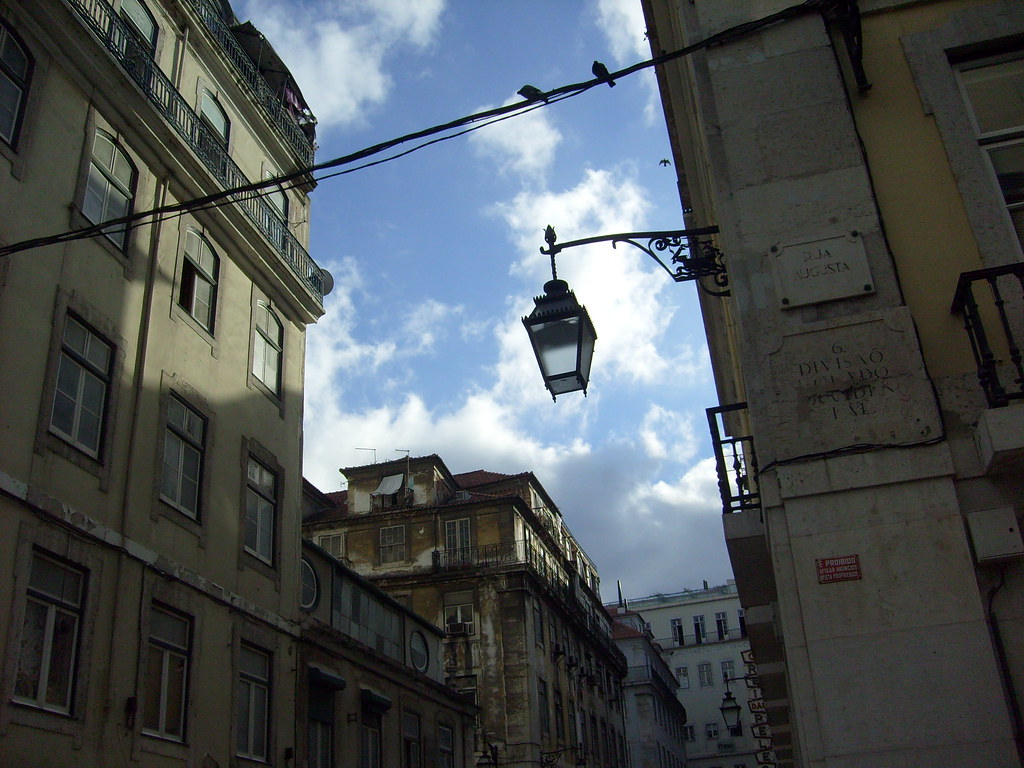
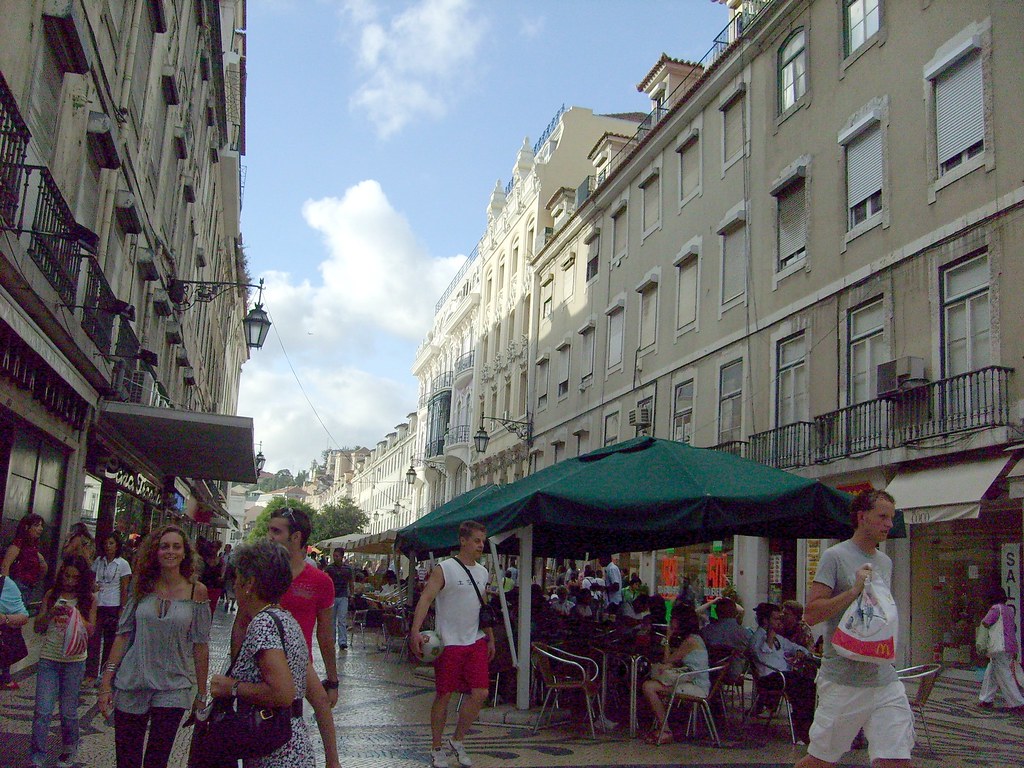
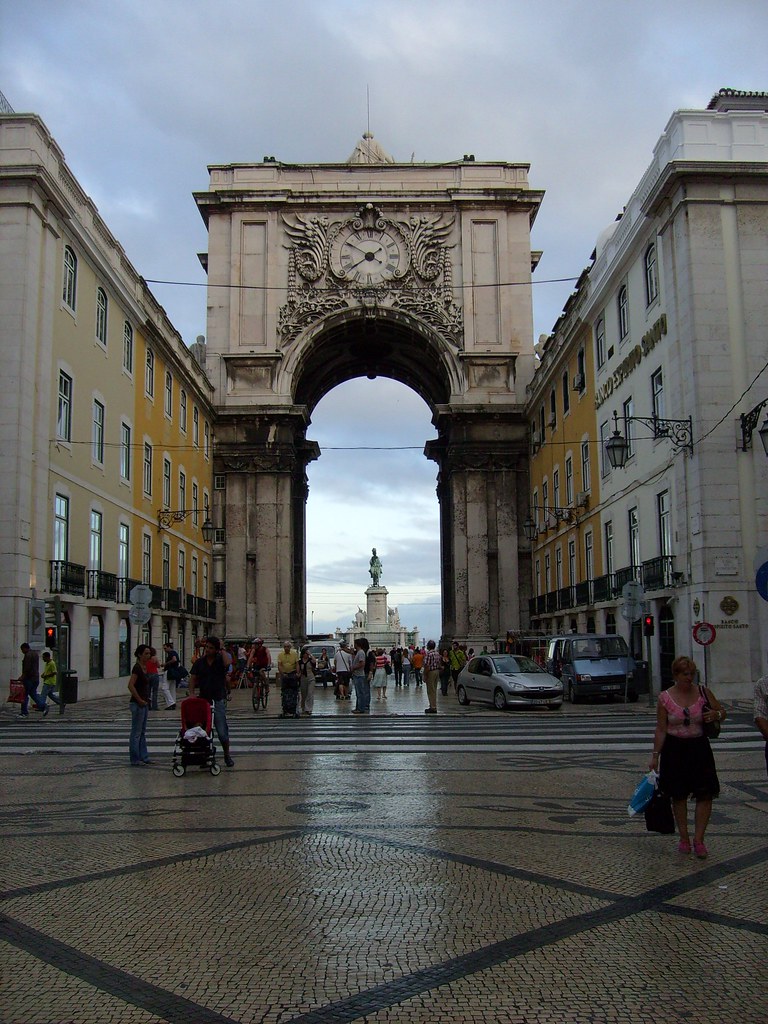
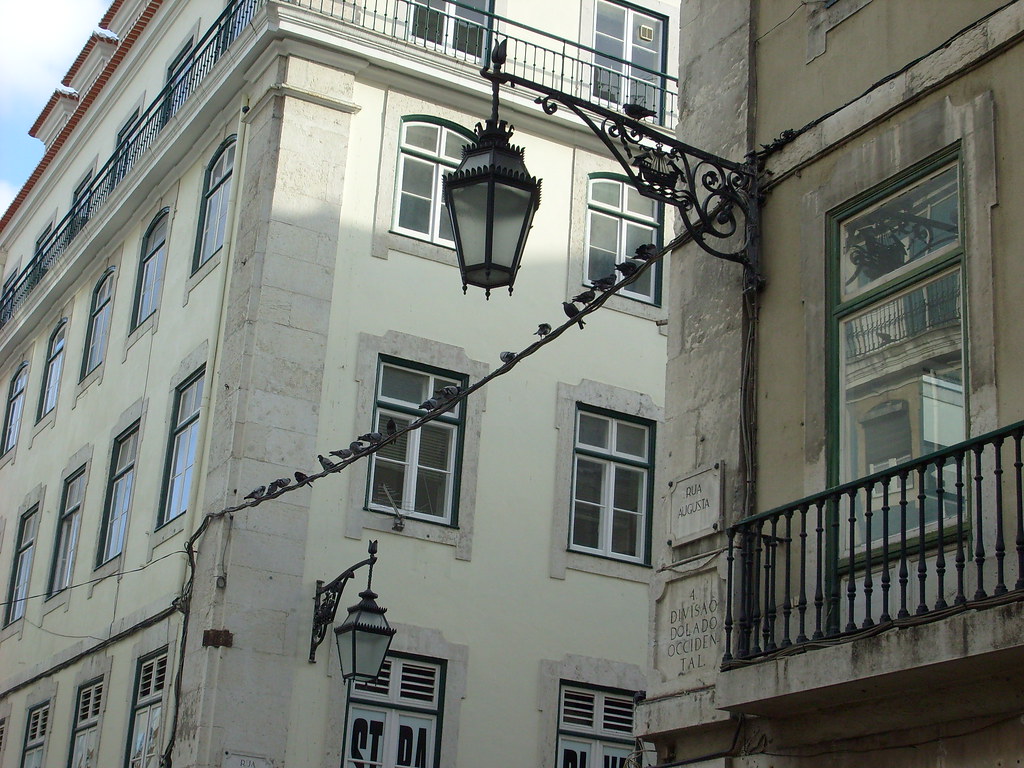
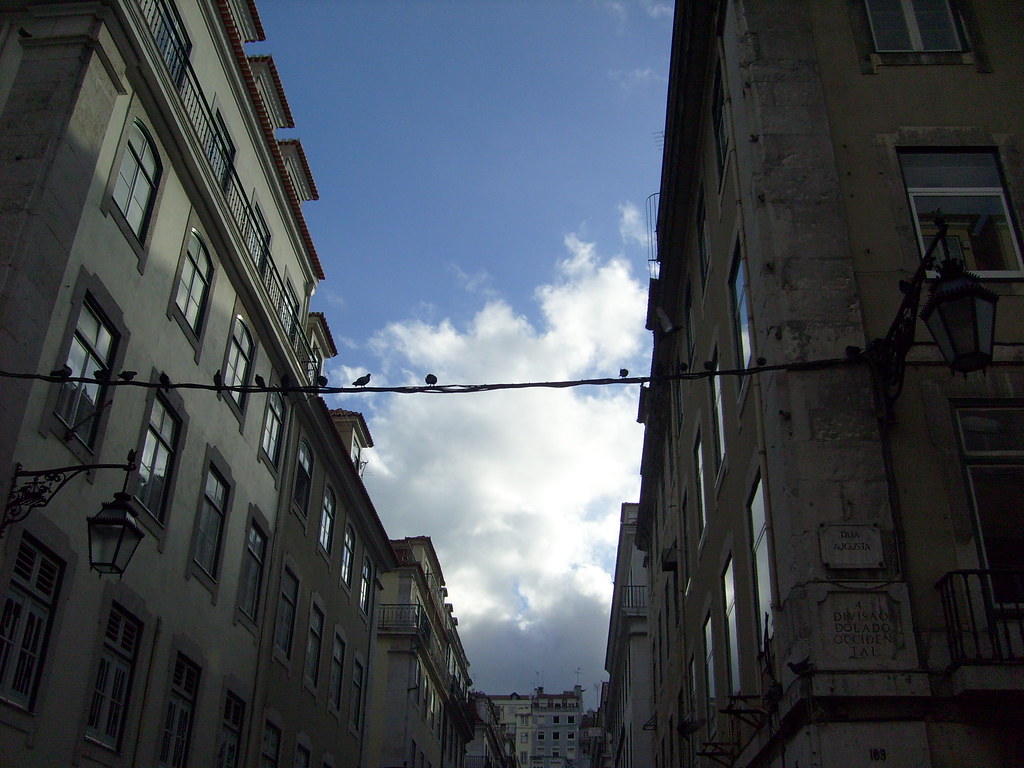
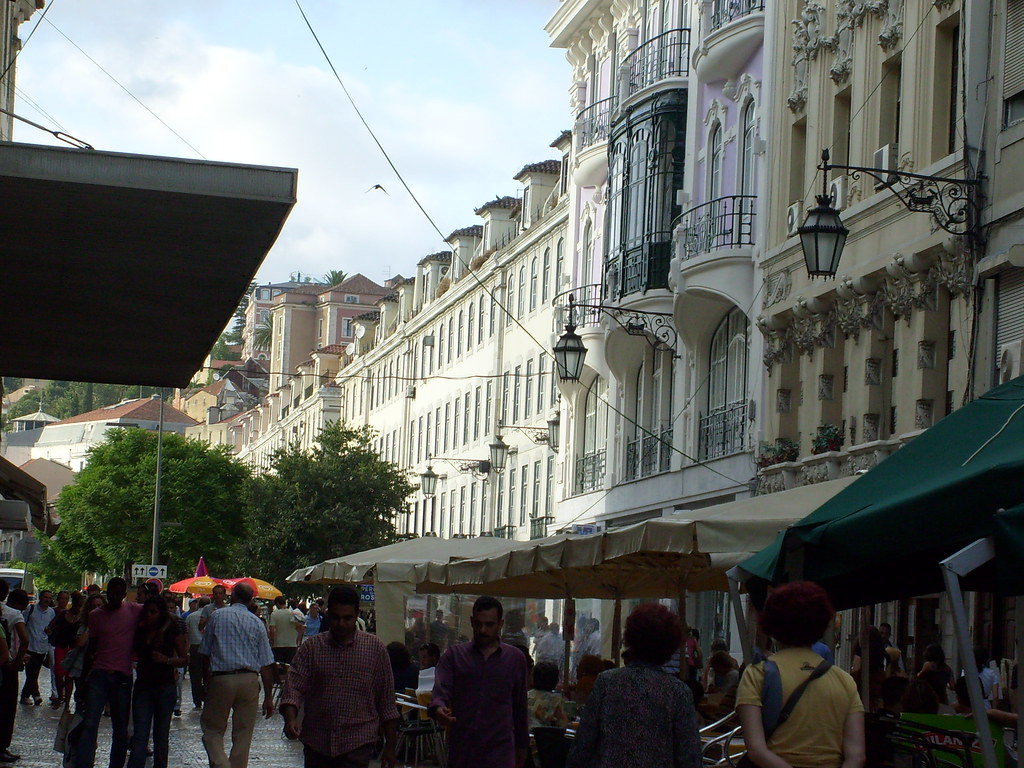
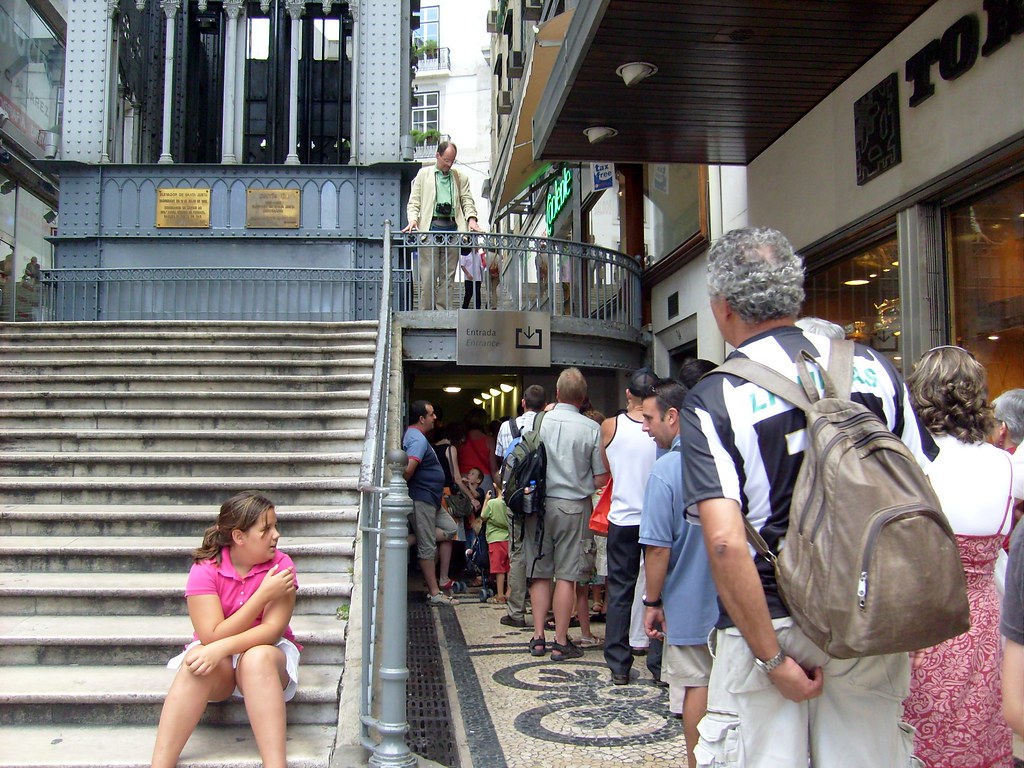
One of the several accesses to the subway station Baixa/Chiado, the most profound of the entire network of Metro in Lisbon.
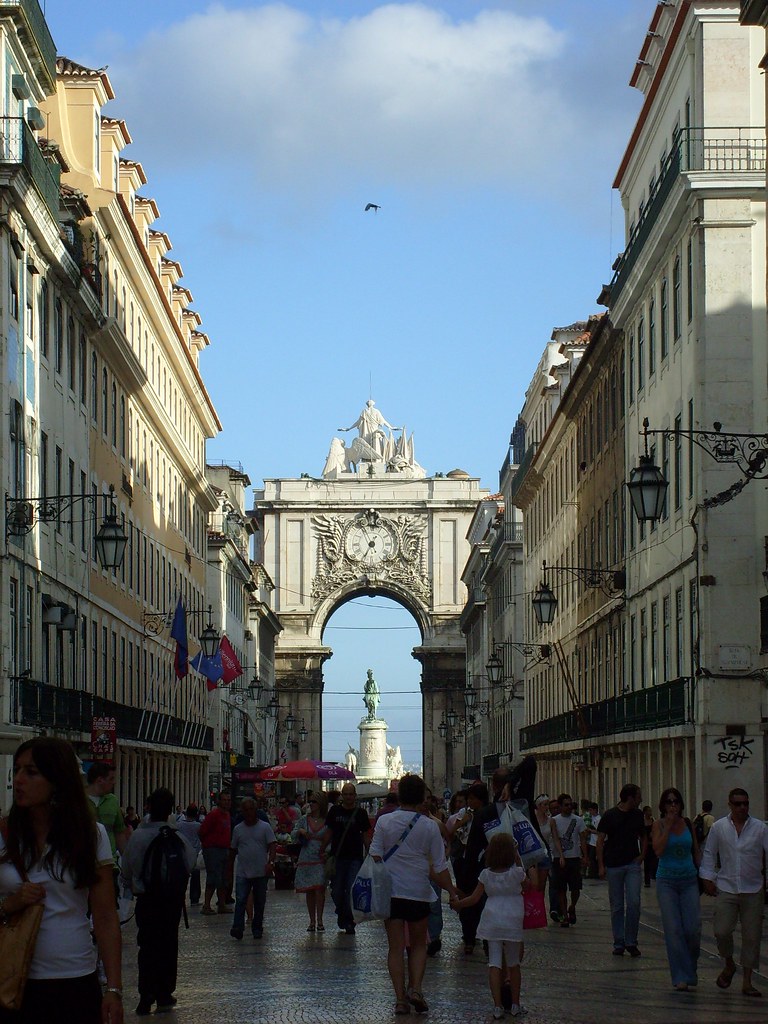
It's a cross street to Rua Augusta.

14/08/2008

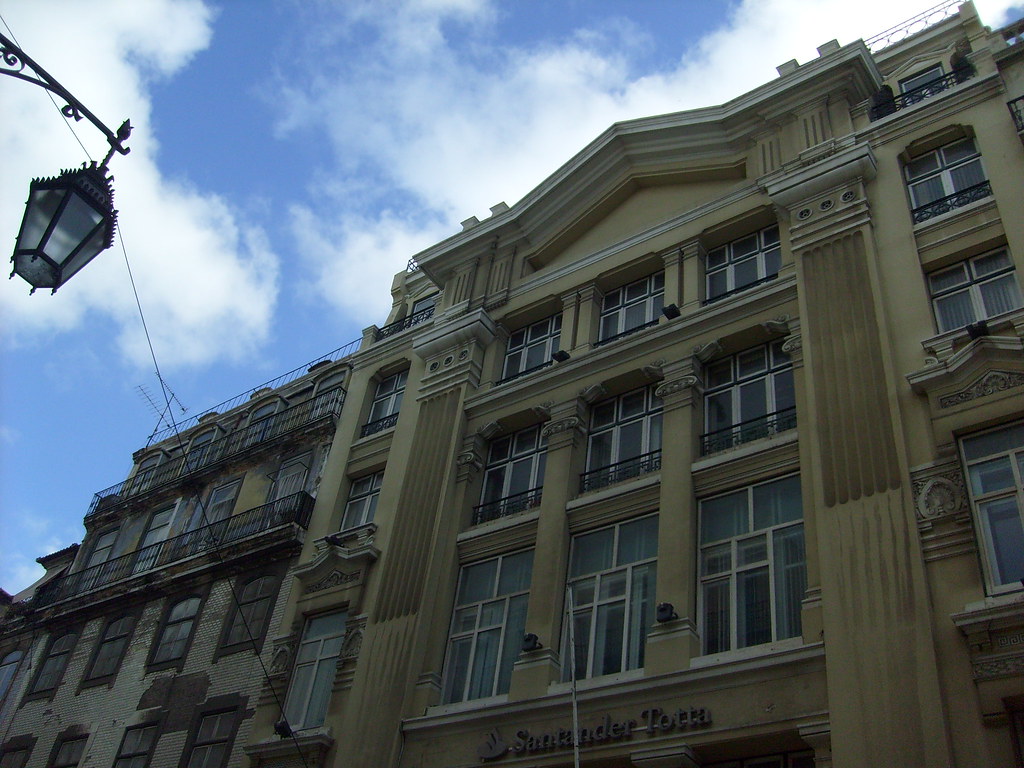
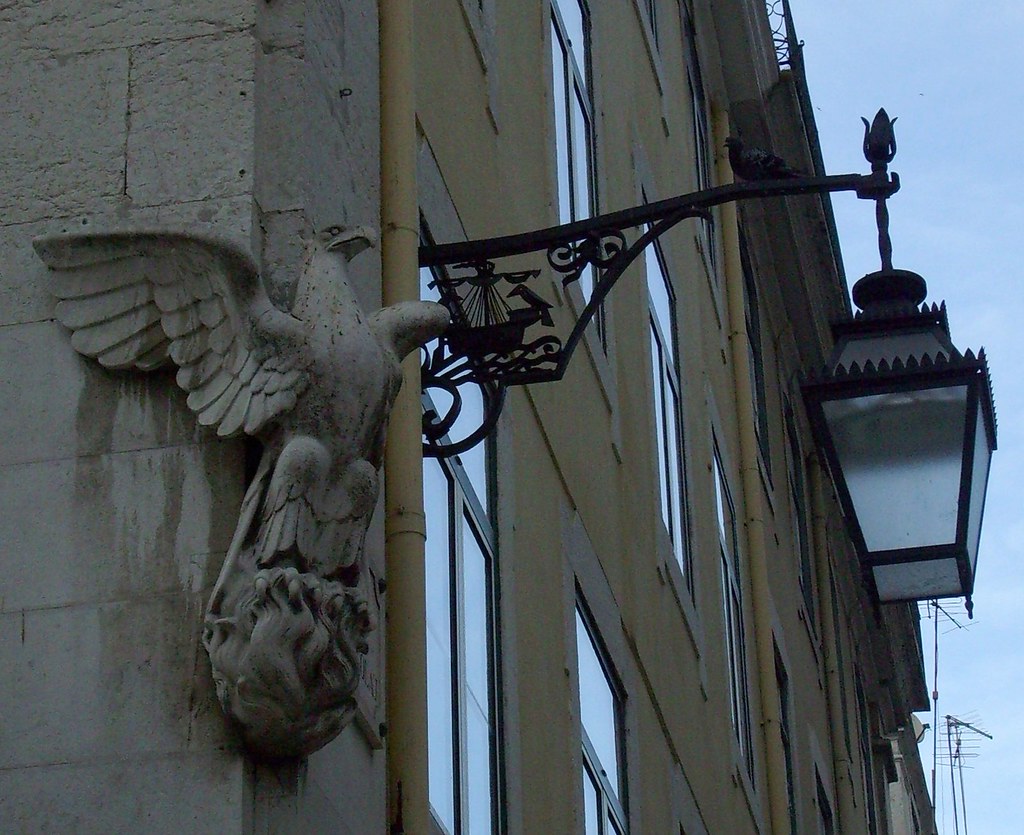
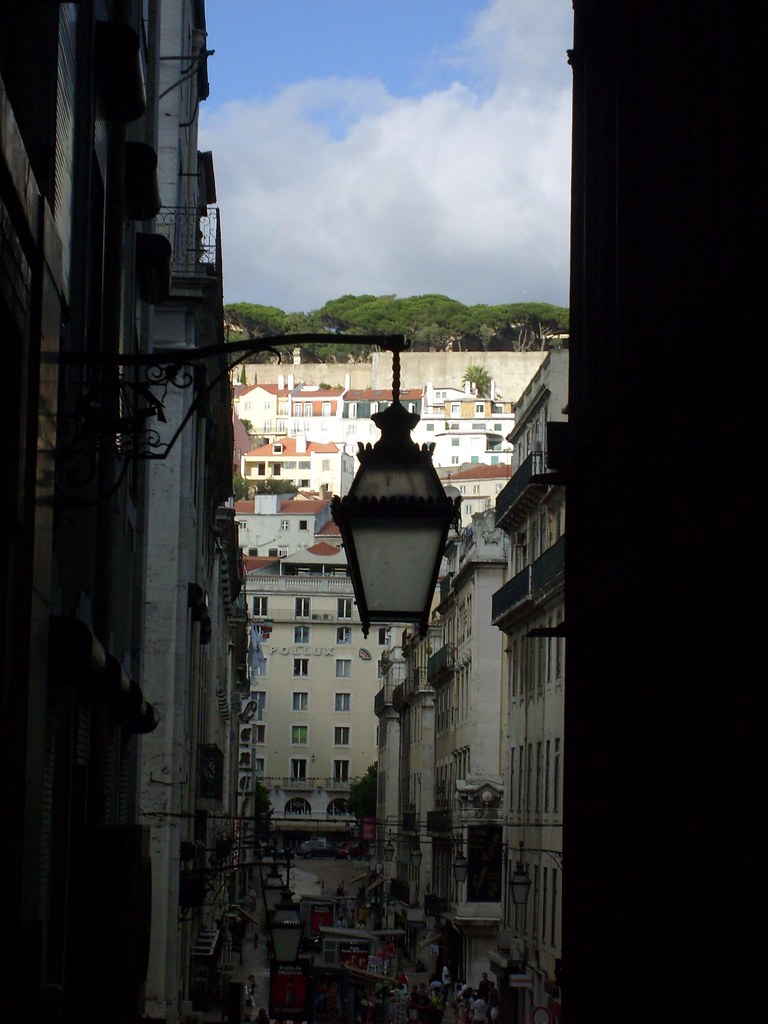
#227 - Downtown Lamp


13/08/2008

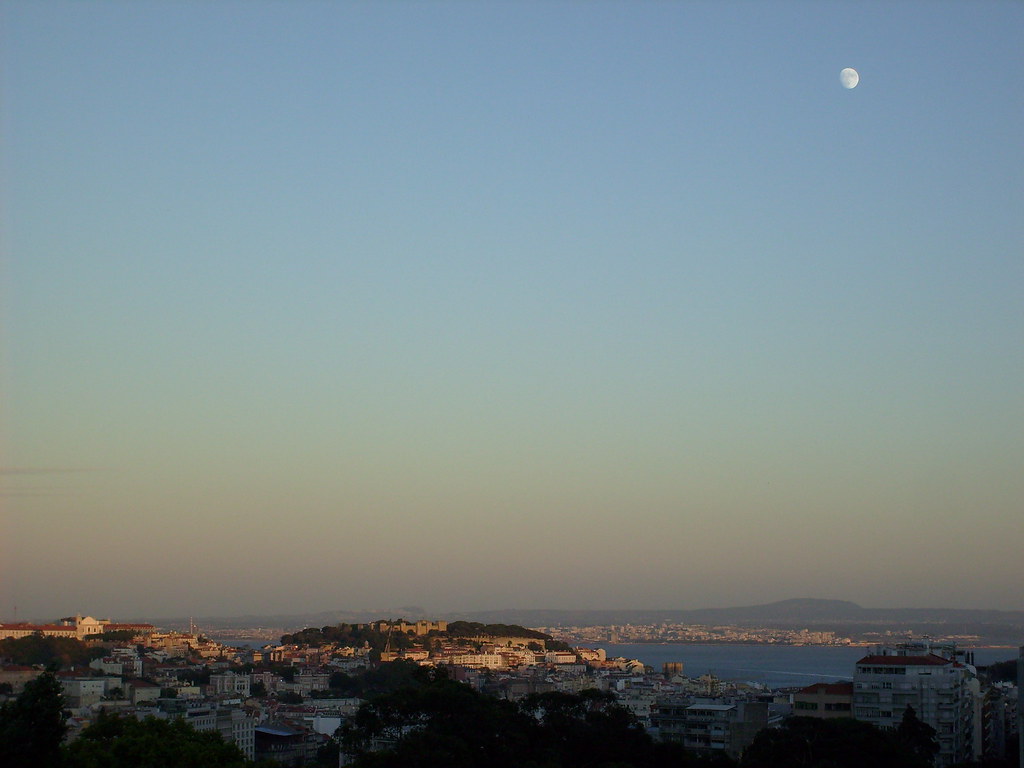
#226 - Sky watch today


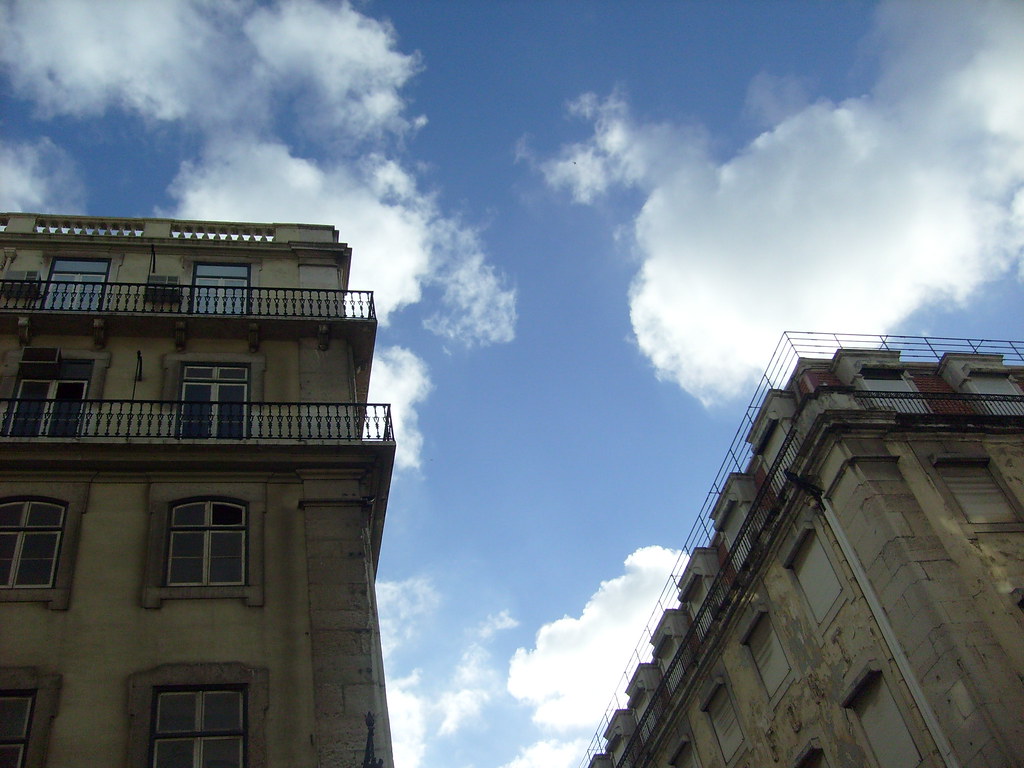
From my mother's balcony.

12/08/2008

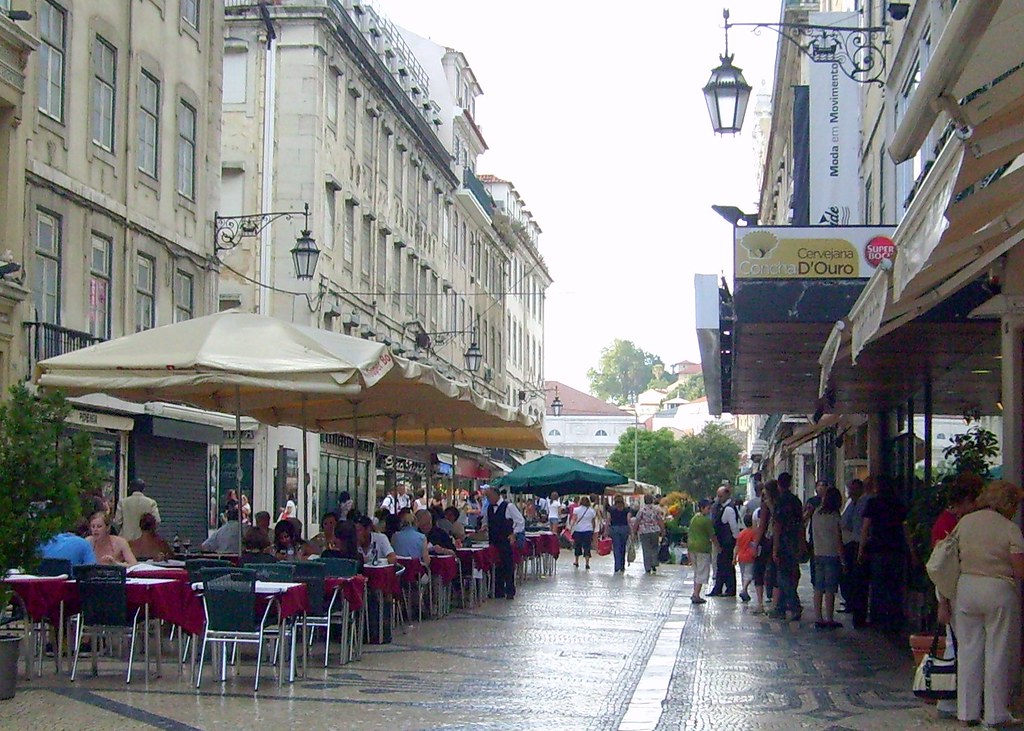
#225 - Cross street to Rua Augusta


11/08/2008

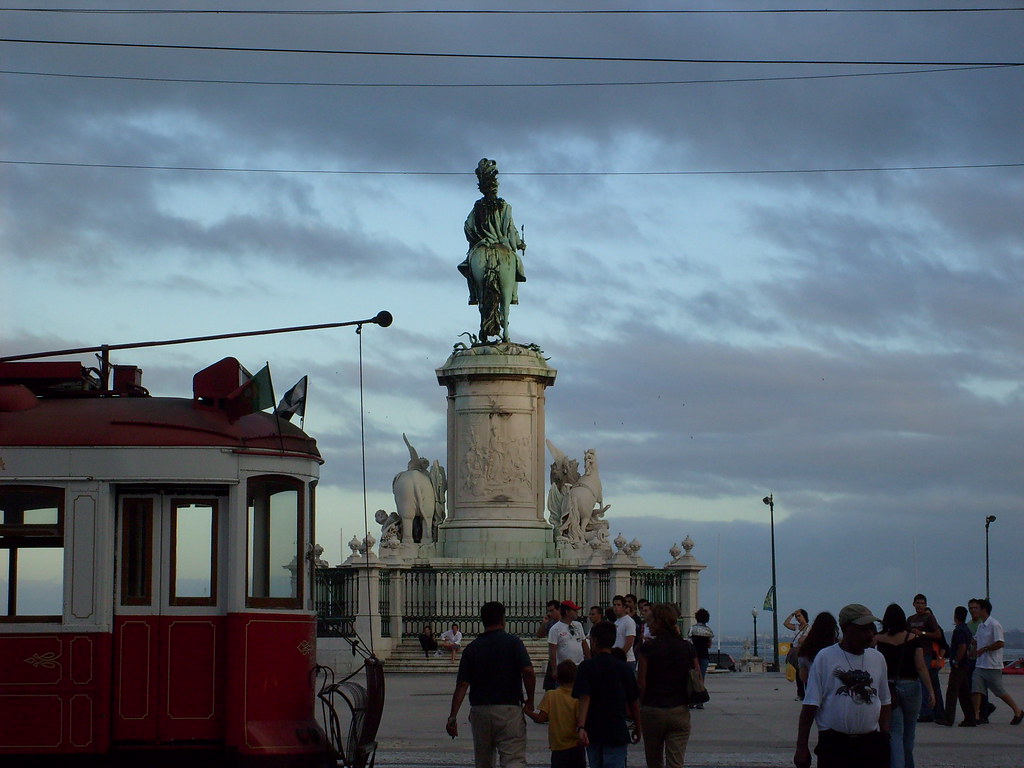
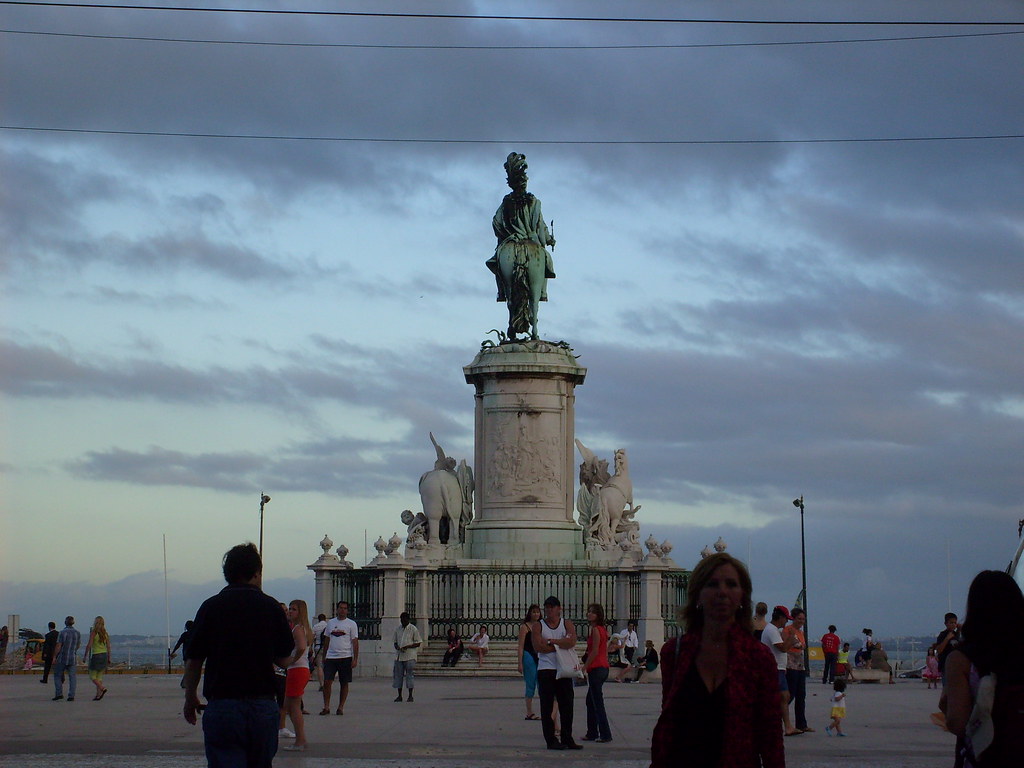
#224 - Praça do Comércio


"Comercio Square"
Lisbon's monumental riverside square

This vast waterfront square also known as Terreiro do Paço or "the palace's square," is where the royal palace stood for over two centuries until 1755, when its was destroyed by the Great Earthquake. The royal family moved to another residence in the district of Belem, and the new arcaded buildings acted as the port of entry to the city.

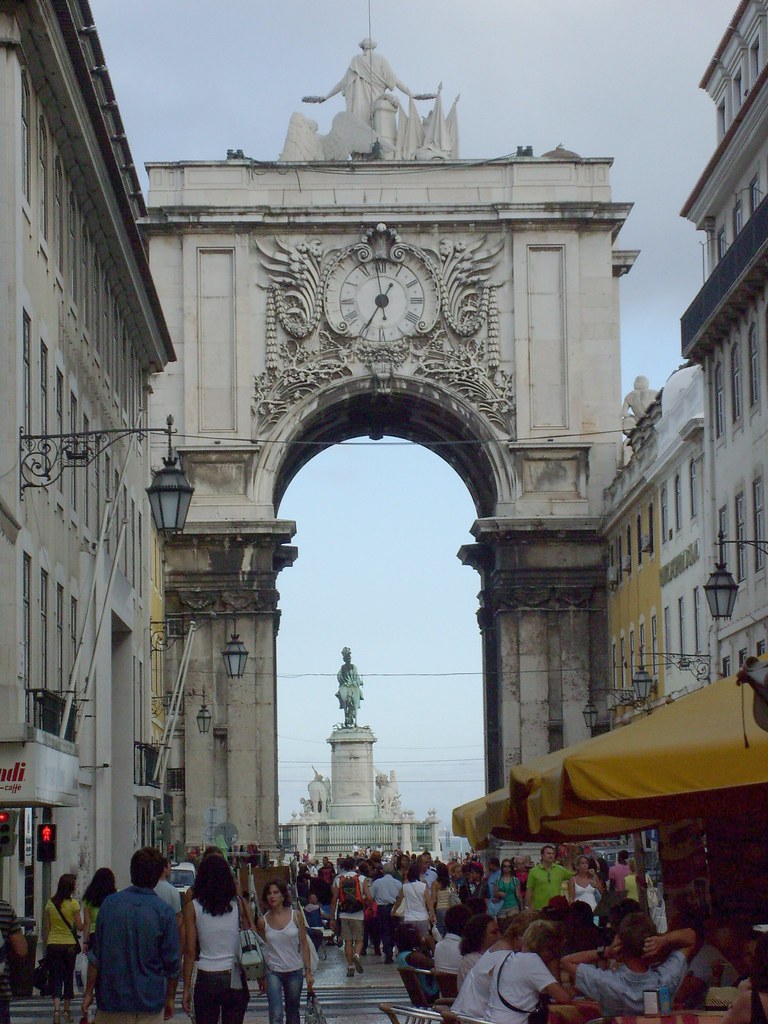
On the north side is a triumphal arch and one of the city's legendary cafes, Café Martinho da Arcada. It dates from 1782 and was a favorite of poets Fernando Pessoa and Almeida Garrett and of novelist Eça de Queiroz.

In the center of the square is a statue of King Jose I showing him on horseback, wearing his emperor's mantle, and measuring 14 meters in height counting from the pedestal.

Lisboa Welcome Center, the city's main tourism office, is located in one of the classical building on the west side the square. Here visitors can request information about the city, buy a tourist card that provides discounts on several attractions, use the internet service, or shop at a store offering traditional Portuguese products.

There have been plans to pedestrianize the area all the way to the river, sinking road traffic into a tunnel, freeing this elegant space to host cultural functions. The government offices now housed in the buildings surrounding the square would move to a new location, restaurants with outdoor tables and a modern museum dedicated to the Age of Discovery would replace them.


Where: Baixa (Downtown)
How: Metro - Baixa-Chiado Station

Sights Nearby

Municipal Square - Home of the City Hall palace.
Rua Augusta - The city's main shopping street.
Conceição Velha Church - Church that survived the Great Earthquake.
Santa Justa Elevator - An Eiffel Tower-like landmark with views over the city.
Rossio Square - Lisbon's elegant main square.
Figueira Square - Busy square and transporation hub.
São Domingos Church - A church marked by tragedy.
Rua das Portas de Santo Antão - Pedestrian street lined with seafood restaurants.
Rossio Station - A monumental train station.
Restauradores Square - Large busy square.
Avenida da Liberdade - The city's main avenue."

http://www.golisbon.com/sight-seeing/comercio-square.html

10/08/2008

#223 - Rua Augusta VII


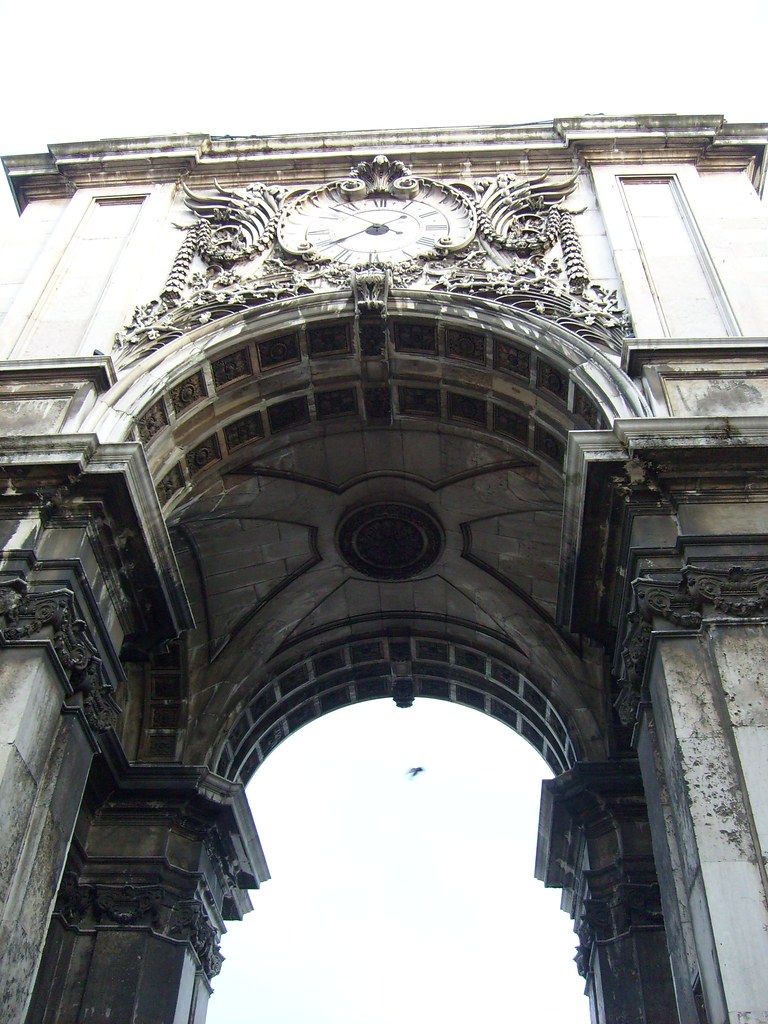
Renovation of the Arch clock on Lisbon’s Rua Augusta

Hubert de Haro - Vice President, Espiral do Tempo

"Visitors and lovers of fine watches are sometimes surprised by how knowledgeable Portuguese watch collectors are. Some recall how in the 1940s, when the Nazis were blockading Europe, Portugal played a role in Swiss watch exports to America and Asia. However, Portugal’s connection with horology goes back much further than this.

A visitor to light-filled Lisbon today probably wouldn’t be expecting to see the Jaeger-LeCoultre name emblazoned on one of the Portuguese capital’s most emblematic monuments: the Triumphal Arch on Rua Augusta. This is just the visible face of a slightly crazy venture dreamed up by one of the country’s leading names in watches, Pedro Torres, who represents the Le Sentier firm in Portugal. After more than two years’ arduous negotiations with the Portuguese Institute for Heritage Protection, a protocol was finally signed on March 30th, 2007. Its aim is to restore to life the clock which for over a century has marked time for the Lisboans.

The earthquake from 1755

Horology historian Fernando Correio de Oliveira recounts the trials and tribulations of the Rua Augusta clock over the centuries*. Its legendary square, now occupied by ministries but once the seat of royal power, was devastated in the great earthquake that struck Lisbon in 1755. Voltaire relates the disastrous consequences on the city’s population in Candide. A vast part of Lisbon was razed to the ground, including the clock tower - which King João V (1680-1750) had commissioned from the Italian architect Canevari and financed with gold from Brazil - and its sumptuous clock, no doubt Flemish. The city’s reconstruction, led by the Marquis of Pombal, would take almost a century to complete. It was only on December 4th, 1883 that the Arch’s clock was brought back into service.

For this, Augusto Justiniano de Araújo, founder of the Lisbon school of watchmaking, transformed a seventeenth-century clock taken from the Convent of Jesus. It had a verge and foliot escapement, and neither dial nor hands. Time was sounded by a bell mounted at the top of the Arch. De Araújo replaced the foliot with a balance, thereby significantly improving the clock’s accuracy, and added a dial, hour and minute hands.

Manuel Francisco Cousinha

Lack of maintenance meant the clock had to be replaced at the turn of the last century. The task fell to Manuel Francisco Cousinha, one of the great clockmakers of that time. Fittingly, his grandson will lead the functional and aesthetic restoration of both this clock and the seventeen-century clock, which had been left to neglect inside the Arch.

Only a privileged few were able to visit the inside of the Arch on Rua Augusta prior to the start of renovation work on May 30th, 2007. They included Jérôme Lambert, CEO of Jaeger-LeCoultre who, last year, had the flair to support this local initiative. Work is expected to reach completion by early autumn.

To commemorate this partnership, Manufacture Jaeger-LeCoultre will launch, in Portugal, a limited edition of 32 (a reference to the number of years it took to build the Arch) Reverso Squadra Hometime watches in pink gold with a special engraving of the Arch." [*]

09/08/2008

#222 - Rua Augusta VI


08/08/2008

#221 - Rua Augusta V


Permanent residents: PIGEONS!! Be aware! LOL

07/08/2008

#220 - Rua Augusta IV


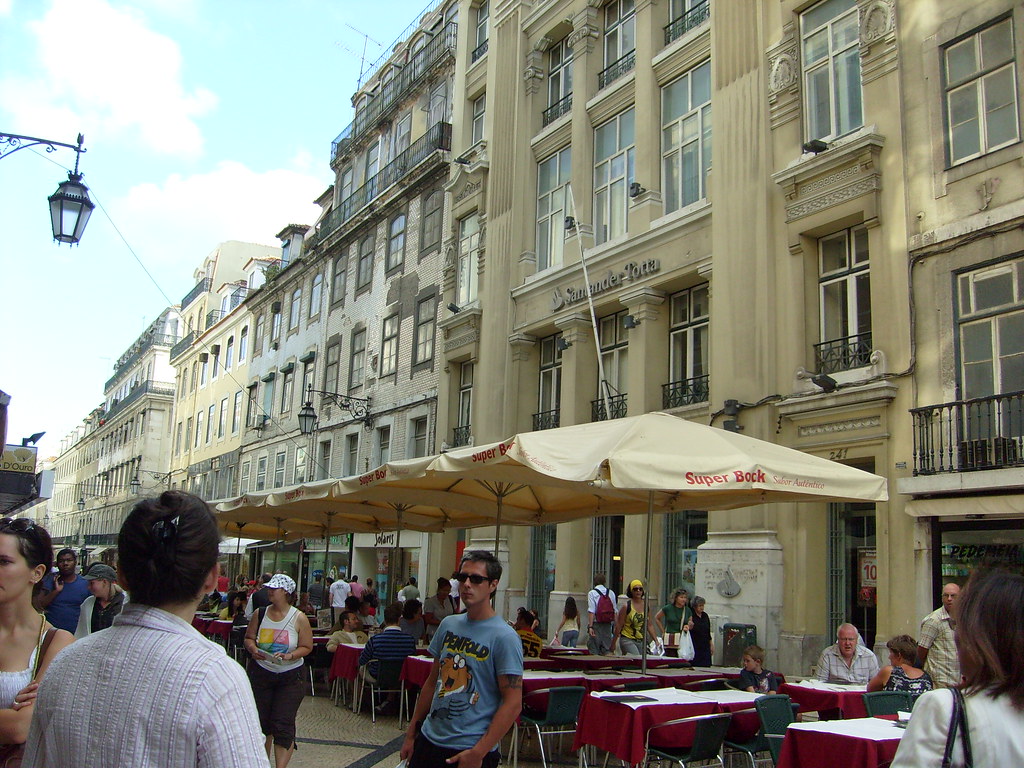
"Rua Augusta (Augusta street) is located in one of the busiest quarters of Lisbon. Closed to traffic, this pedestrianised street has all sorts of shops for all sorts of tastes, flower peddlars, hot chestnuts sellers, street cafés, independent street Artists like the "statue man" or the familiar harmonica player and many, many more."

For more information see the previous posts.

06/08/2008

#219 - Rua Augusta III


The Baixa was once the commercial heart of the city, but that role is fading. These streets once housed all the city's banks and many of their tradespeople, including jewelers and shoemakers. Surrounding streets bear the names of the trades (Rua do Ouro, Rua dos Sapateiros, etc.) and, thanks to rent control, some shops remain.

The Baixa lies on a true rectangular grid, laid out by the Marquês de Pombal in 1755 after an earthquake decimated large parts of the city. [*]

05/08/2008

#218 - Rua Augusta II


"Rua Augusta is the main street of Lisbon's central shopping district. A pedestrian street, the views up and down the hills of the city, and through to the Praca Commercio, are incredible. All manner of streetlife and activity abound.

Why It Works

Rua Augusta, like all successful streets, performs two key functions: it takes you somewhere, and you enjoy simply being on it. The street is a huge sidewalk, with cafes and shops along it, as well as temporary vendors and information kiosks down the middle and at intersections.

The street itself is beautiful, made up of Lisbon's famous black and white pavers, and designed such that each intersection offered a view of the adjoining hillside neighborhoods. In addition, either end of Rua Augusta is capped by a focal point, the Praça do Comércio on one end, and the Rossio on the other. Not only do these points draw the walker along, they also are important destinations in the city itself.

While Rua Augusta is a bit touristy, and the cafes, while famous are somewhat tired, it has an amazing life its own, and features so many great innovations in maintenance and practice that it deserves to be featured. See photos for more details." [*]

04/08/2008

#217 - Rua Augusta I


"Rua Augusta (Augusta street) is located in one of the busiest quarters of Lisbon. Closed to traffic, this pedestrianised street has all sorts of shops for all sorts of tastes, flower peddlars, hot chestnuts sellers, street cafés, independent street Artists like the "statue man" or the familiar harmonica player and many, many more.

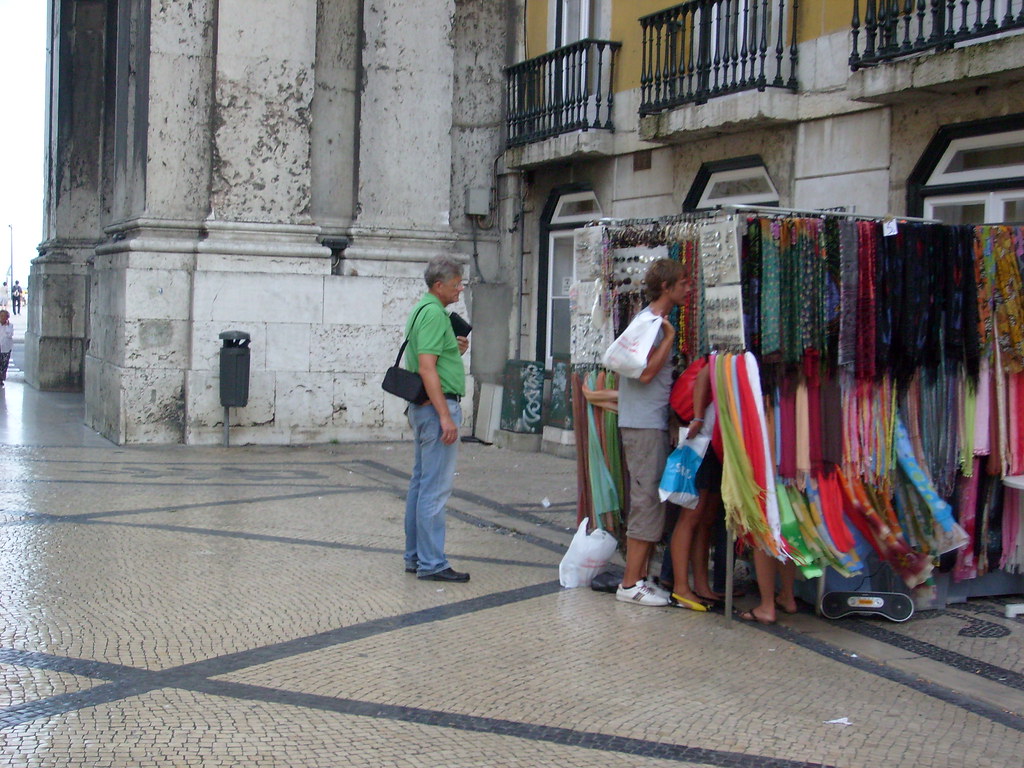
This street has on both extremes two magnificent squares: the Rossio Square and the Commerce Square. Near the arch that gives way to the Commerce Street you will find many peddlers with all sorts of things to sell from jewellery to shoes to handbags, neck-scarfs to temporary tattoos... anything... just name it!

Another curious thing in this area is the name of the streets that run parallel to Rua Augusta. They all come from the occupations or the materials once existent and worked on here: Rua dos Sapateiros (shoemakers), Rua da Prata (silver), Rua do Ouro (gold), etc.
The old architectural style, originally from the reconstruction of Lisbon made by Marquês do Pombal after the 1755 earthquake, is still intact, so you can see many of the buildings as they originally were. You're going to love this street!" [*]

03/08/2008

#216 - Elevador de Santa Justa III


02/08/2008

01/08/2008

#214 - Elevador de Santa Justa, August 2008 Theme Day: Metal


214 elevador 1

Santa Justa Lift

From Wikipedia, the free encyclopedia

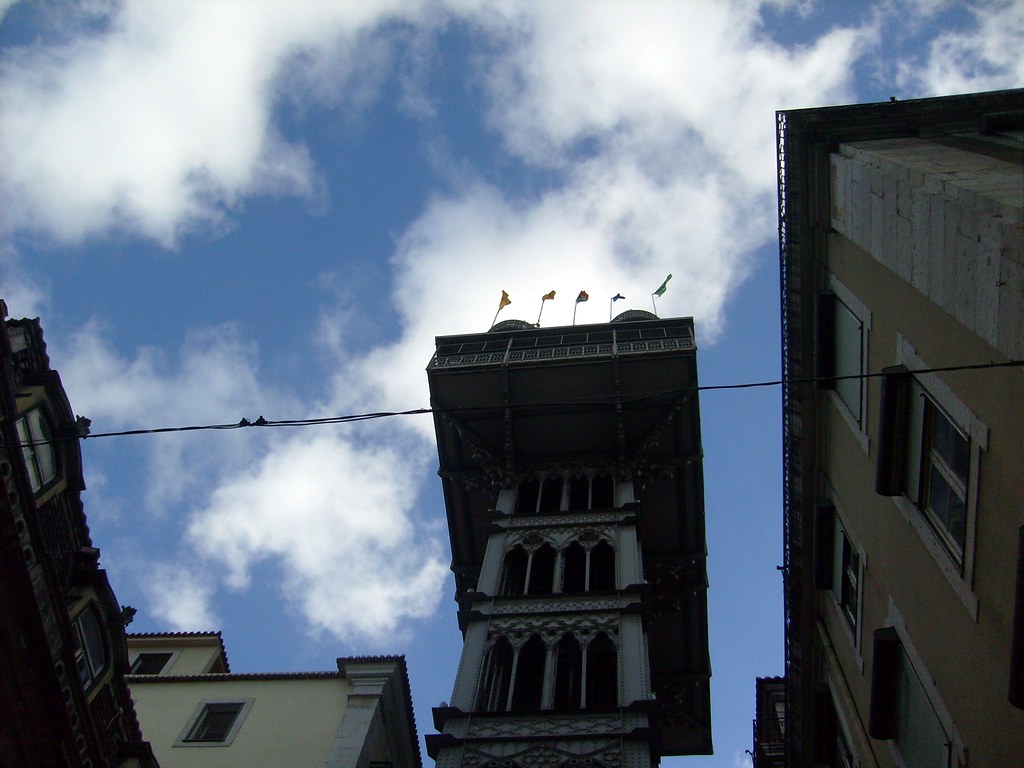
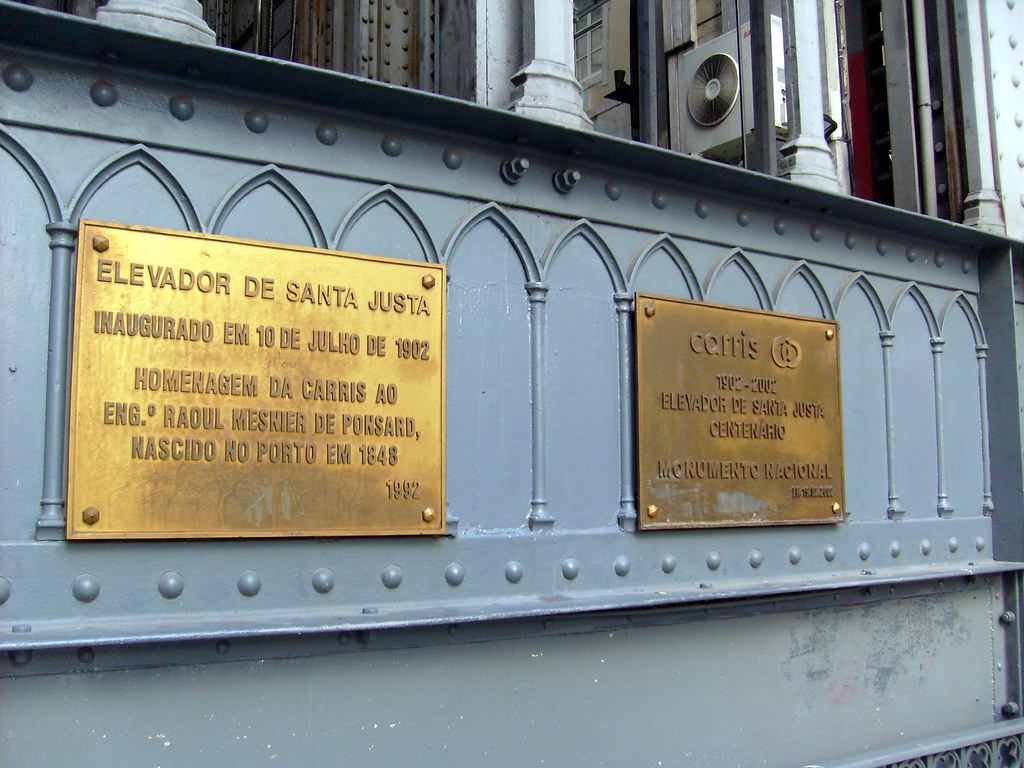
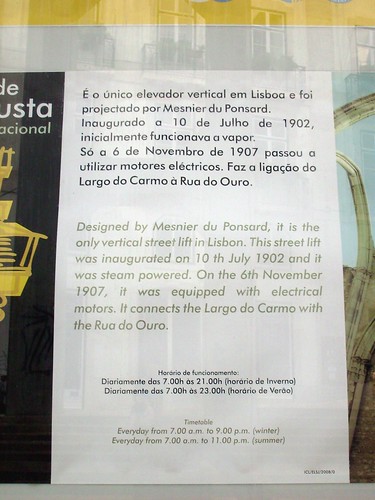
The Santa Justa Lift (Elevador de Santa Justa), also called Carmo Lift (Elevador doCarmo), is a lift in the city of Lisbon at Santa Justa Street. It connects downtown streets with the uphill Carmo Square.

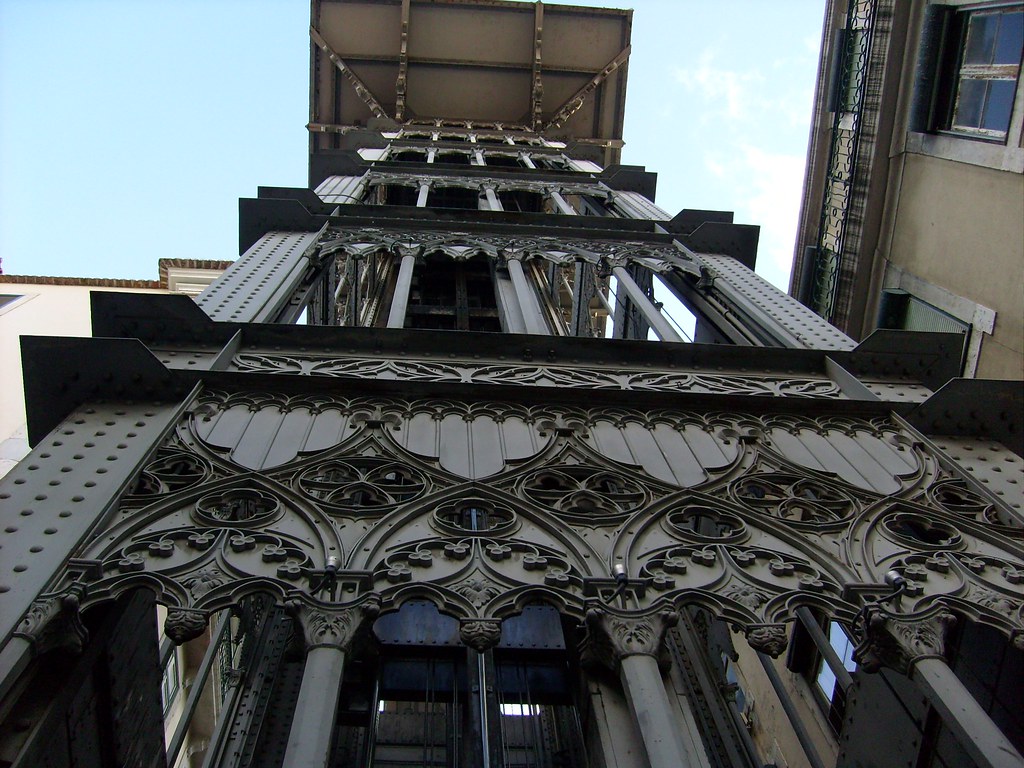
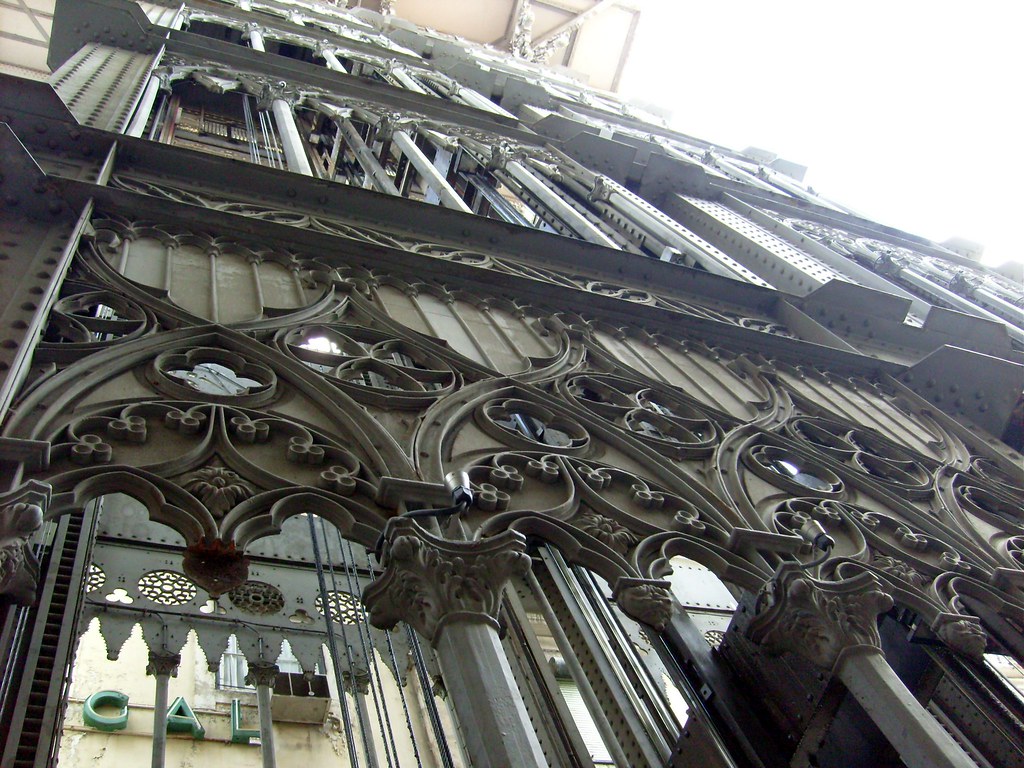
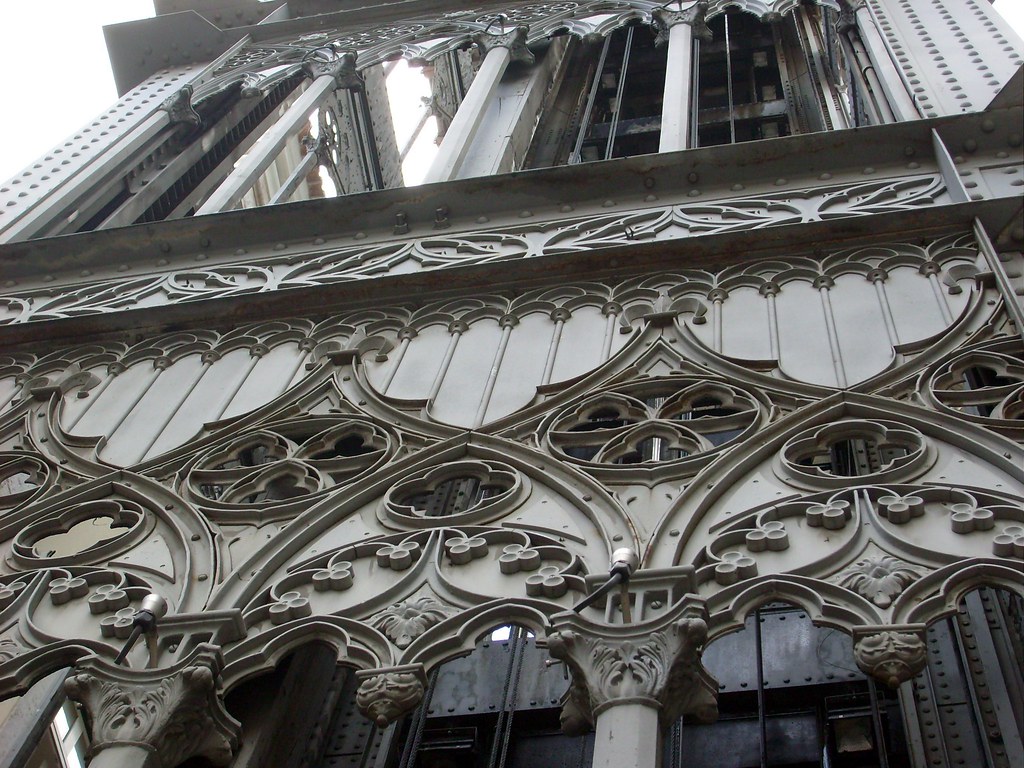
The Santa Justa Lift was designed by Raul Mesnier de Ponsard, an engineer born in Oporto to French parents, and apprentice of Gustave Eiffel. Construction began in 1900 and was finished in 1902; originally powered by steam, it was converted to electrical operation in 1907.

The iron lift is 45 metres tall and is decorated in neogothic style, with a different pattern on each storey. The top storey is reached by helicoidal staircases and has a terrace that offers views of Lisbon Castle, the Rossio Square and the Baixa neighbourhood. There are two elevator booths. Each has wooden interior and accommodates 24 people.

The lift has become a tourist attraction in Lisbon as, among the urban lifts in Lisbon, Santa Justa is the only vertical one. Others, including Elevador da Glória and Elevador da Lavra, are more like funiculars that help climb the slopes of Lisbon.


Click here to view thumbnails for all participants